
Meet Our Doctors- Dr. Andrew Bi

Flushing Hospital Medical Center is proud to introduce Dr. Andrew Bi, the newest member of our orthopedic surgical team.  

Dr. Bi was born in Chicago, Illinois, and raised in East Lyme, Connecticut, and currently resides in Queens. He graduated from the University of Connecticut magna cum laude with honors. He then graduated from Northwestern University Feinberg School of Medicine summa cum laude with Alpha Omega Alpha honors. He then completed his orthopedic surgery residency training at NYU Langone Orthopedics, where he served as Executive Chief resident. Dr. Bi later underwent subspeciality training at Midwest Orthopaedics at Rush in a sports medicine fellowship, where he served as assistant team physician for the Chicago Bulls, Chicago White Sox, Chicago Steel, and DePaul University. 

Dr. Bi has received numerous awards for teaching, clinical care, and research, including the Ralph Lusskin Senior Resident Teaching Award, the Marian Frauenthal Sloane Clinical Research Award, and the Rush Annual Thesis Day Award.  

Dr. Bi treats all aspects of orthopedic injuries with a special interest in the management of all shoulder, elbow, hip, and knee conditions, including, but not limited to robotic-assisted joint replacements for arthritis, minimally invasive arthroscopic surgeries for sports injuries, such as anterior cruciate ligament (ACL), meniscus, cartilage, rotator cuff, and labrum injuries, and the fixation of fractures. His current research efforts involve anterior cruciate ligament injuries, meniscal allograft transplantations, rotator cuff tears, hip arthroscopy, and orthobiologics.  

Dr. Bi is excited to begin at the Medisys family at Jamaica Hospital, bringing with him a sports medicine subspecialization expertise, as well as his Chinese heritage, to take care of the diverse population surrounding the hospital.  

If you are experiencing any conditions or injuries affecting your bones, muscles, ligaments, and tendons, you can schedule an appointment at Flushing Hospital Medical Center’s Ambulatory Care Center. Please call (718) 670-5486. 

All content of this newsletter is intended for general information purposes only and is not intended or implied to be a substitute for professional medical advice, diagnosis or treatment. Please consult a medical professional before adopting any of the suggestions on this page. You must never disregard professional medical advice or delay seeking medical treatment based upon any content of this newsletter. PROMPTLY CONSULT YOUR PHYSICIAN OR CALL 911 IF YOU BELIEVE YOU HAVE A MEDICAL EMERGENCY.

Winter Skin Care

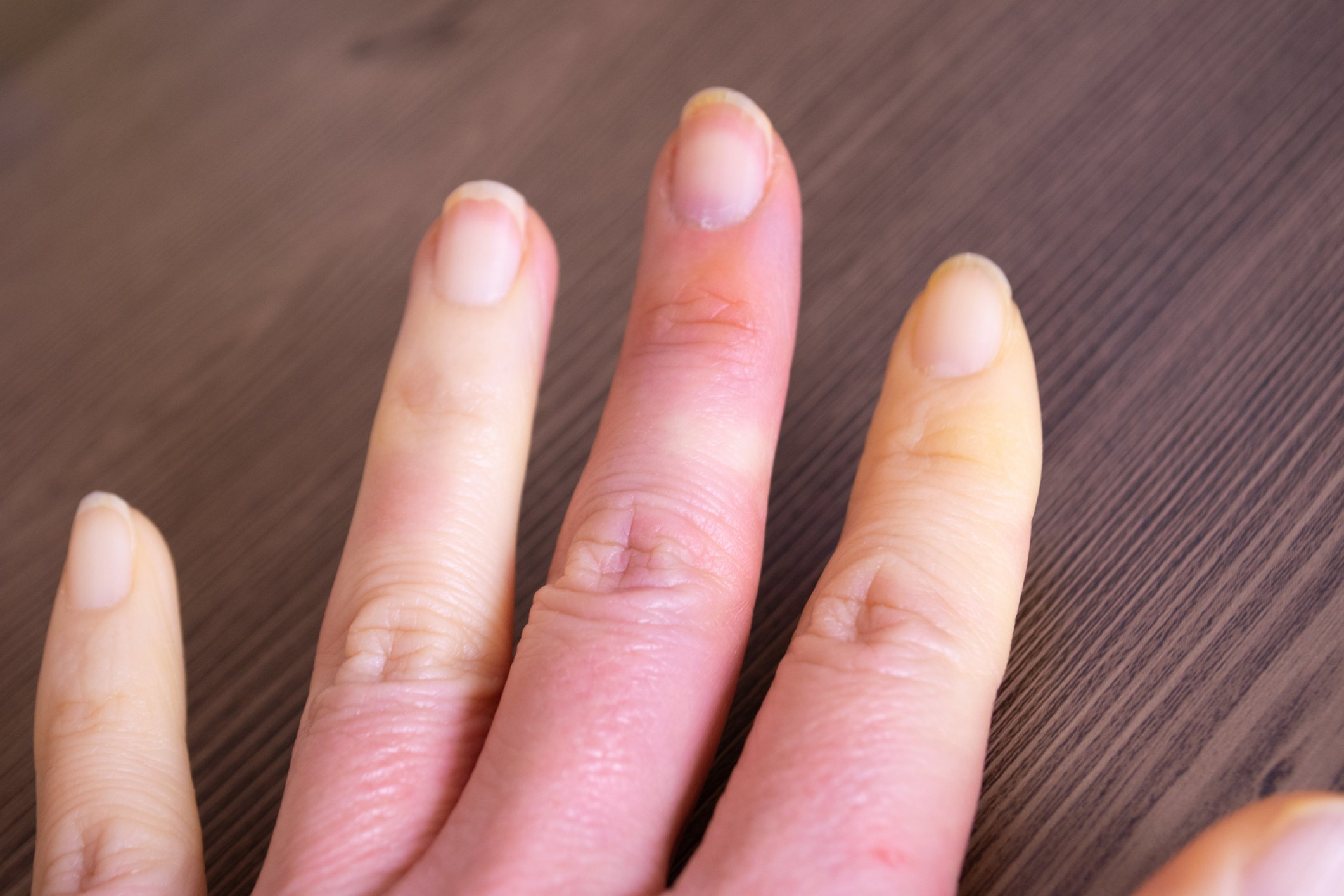
Winter can be difficult to deal with when temperatures drop to bone-chilling levels and are accompanied by frigid winds. The temperatures and wind can also be difficult on our skin due to low humidity, causing it to become cracked and dry. Even the heat in our homes and cars makes skin dryness worse because it removes moisture from the air.  

According to the Columbia University Irving Medical Center, the outermost layer of the skin, called the stratum corneum, acts as a protective barrier that helps retain water. As the stratum corneum loses moisture, the skin can become red, irritated, and cracked. This especially affects older adults as their aging skin is thinner and produces fewer natural oils, which makes it more prone to losing moisture.  

Here are some dermatologist-recommended tips to help prevent any further loss of water and restore moisture to your skin barrier: 

  • Using a humidifier at night to help prevent your skin from drying out 
  • Wearing gloves while cleaning or washing dishes to prevent hot water and detergents from stripping away the skin’s natural oils 
  • Using a cream instead of a lotion to moisturize your skin 
  • Using moisturizers containing hydrating ingredients such as hyaluronic acid, ceramides, and cholesterol 
  • Applying moisturizer after showering to help lock in moisture while your skin is still damp 
  • Using a petroleum- or lanolin-based ointment and apply at night to the hands and feet, and covering them with cotton gloves or socks 
  • Drinking water helps you stay hydrated from the inside out 

Here are some tips on what to avoid as you try to care for your skin this winter: 

  • Scented products and some anti-aging ingredients, as fragrances, can draw moisture from the skin and cause irritation 
  • Long showers using hot water can worsen dryness. Dermatologists recommend using lukewarm water and avoiding prolonged baths or showers 
  • Wool fabrics can cause itching and irritation when it rubs against the skin. The National Eczema Association recommends wearing layers that are cotton-based in the winter and removing any damp clothing immediately 

If you are having issues with your skin, you can receive treatment at Flushing Hospital Medical Center’s Ambulatory Care Center. To schedule an appointment, please call (718) 670-5486. 


All content of this newsletter is intended for general information purposes only and is not intended or implied to be a substitute for professional medical advice, diagnosis or treatment. Please consult a medical professional before adopting any of the suggestions on this page. You must never disregard professional medical advice or delay seeking medical treatment based upon any content of this newsletter. PROMPTLY CONSULT YOUR PHYSICIAN OR CALL 911 IF YOU BELIEVE YOU HAVE A MEDICAL EMERGENCY.
Foods You Should Not Eat with Gallbladder Problems

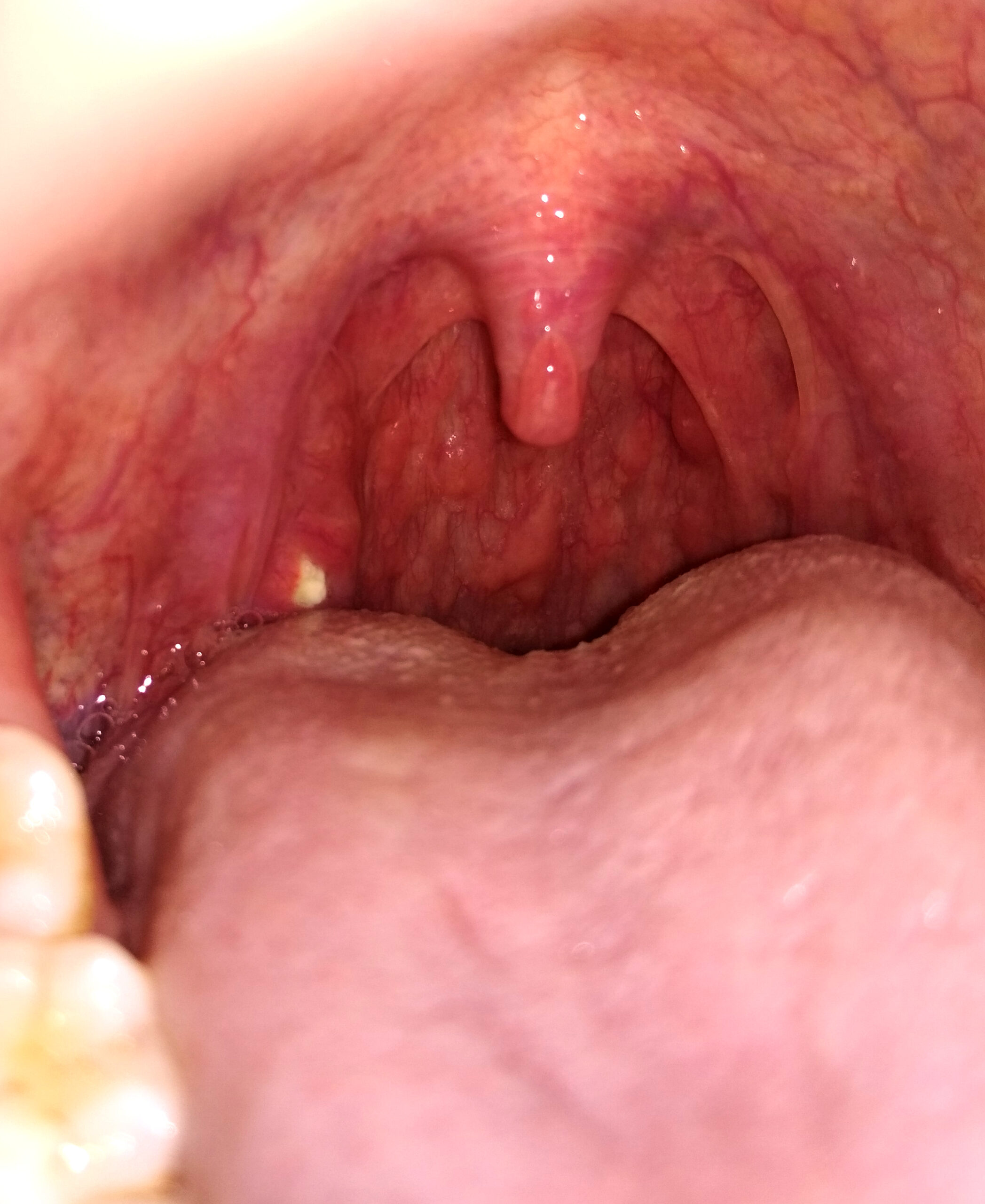
The gallbladder is an organ that plays an essential role in digesting the foods we eat. Some foods we eat can be good for our gallbladder, while others can harm it. If you have gallstones or if your gallbladder is inflamed or infected due to gallbladder disease, you may need to follow a specific diet to protect your gallbladder. 

If you are experiencing problems with your gallbladder, various foods can increase your risk of developing diseases, including: 

  • Saturated and trans fats increase the risk of gallstones 
  • Refined carbohydrates increase the likelihood of developing gallstones 
  • Ultra-processed foods increase the risk of gallbladder disease 
  • Sugar-sweetened beverages increase the risk of gallbladder cancer 

If your diet consists of these foods, a healthcare provider may recommend following a diet to help improve the health of your gallbladder. A healthcare provider may suggest a diet that consists of: 

  • Fruits and vegetables that contain essential nutrients such as fiber, vitamins, minerals, and antioxidants may reduce the risk of gallstones 
  • Whole grains are a great source of dietary fiber that can help your digestive health and gallbladder, which may reduce the risk of gallstone disease 
  • Healthy fats may increase bile secretion and prevent gallbladder disease, benefiting gallbladder health 
  • Lean protein that is low in fat, such as poultry, fish, low-fat dairy, and especially plant-based protein, may lower the risk of gallbladder disease 

Two types of gallbladder diets may help lower your risk of gallstone issues: the Mediterranean diet and the Dietary Approaches to Stop Hypertension (DASH) diet. 

  • Mediterranean diet- focuses on eating whole foods and healthy fats 
  • DASH diet- focuses on high-fiber, heart-healthy foods that are low in sodium, which lowers your risk of hypertension 

A gallbladder diet may be difficult to adhere to at first. However, here are some meal-planning tips to follow to help: 

  • Controlling your portion sizes and the frequency of meals may protect against gallstones by helping empty the gallbladder and preventing bile build-up 
  • Adding specific foods to your diet can reduce your risk of and protect against gallbladder disease 
  • Maintaining a food diary to keep track of any symptoms you have and what you ate before the symptoms started, as it is important to know what foods may trigger symptoms.  
  • Planning meals and snacks can ensure you have the proper foods available when it is time to eat, instead of going too long between meals, which may increase the risk of gallstones 
  • Staying hydrated can help bile flow from your gallbladder to your small intestine, aiding in digestion 

If you have been diagnosed with gallbladder disease and are considering surgery, robotic surgery could be an option. Robotic gallbladder surgery has many benefits, including:  

  • It is the best way to relieve gallbladder-related symptoms, such as belly pain, nausea, and vomiting.  
  • It lowers the risk of developing complications, such as infection or inflammation of nearby bile ducts or organs 
  • It prevents gallstones from returning, as well as any future gallstone attacks 

There are many potential advantages of robotic-assisted surgery over other types of surgery, including: 

  • Robot-assisted surgery provides surgeons with 3D images of the abdomen and pelvis, creating a clearer picture to reference during the operation
  • Under the surgeon’s direction, the robot can move more freely and with more versatility than a human hand 
  • You’ll have a few tiny scars 
  • You’re more likely to experience less pain and less bleeding after surgery compared to open surgery
  • A shorter hospital stay

To learn more about our robotic surgical procedures or schedule an appointment, contact Flushing Hospital Medical Center at (718) 670-5000. 

All content of this newsletter is intended for general information purposes only and is not intended or implied to be a substitute for professional medical advice, diagnosis or treatment. Please consult a medical professional before adopting any of the suggestions on this page. You must never disregard professional medical advice or delay seeking medical treatment based upon any content of this newsletter. PROMPTLY CONSULT YOUR PHYSICIAN OR CALL 911 IF YOU BELIEVE YOU HAVE A MEDICAL EMERGENCY.
Hepatitis B

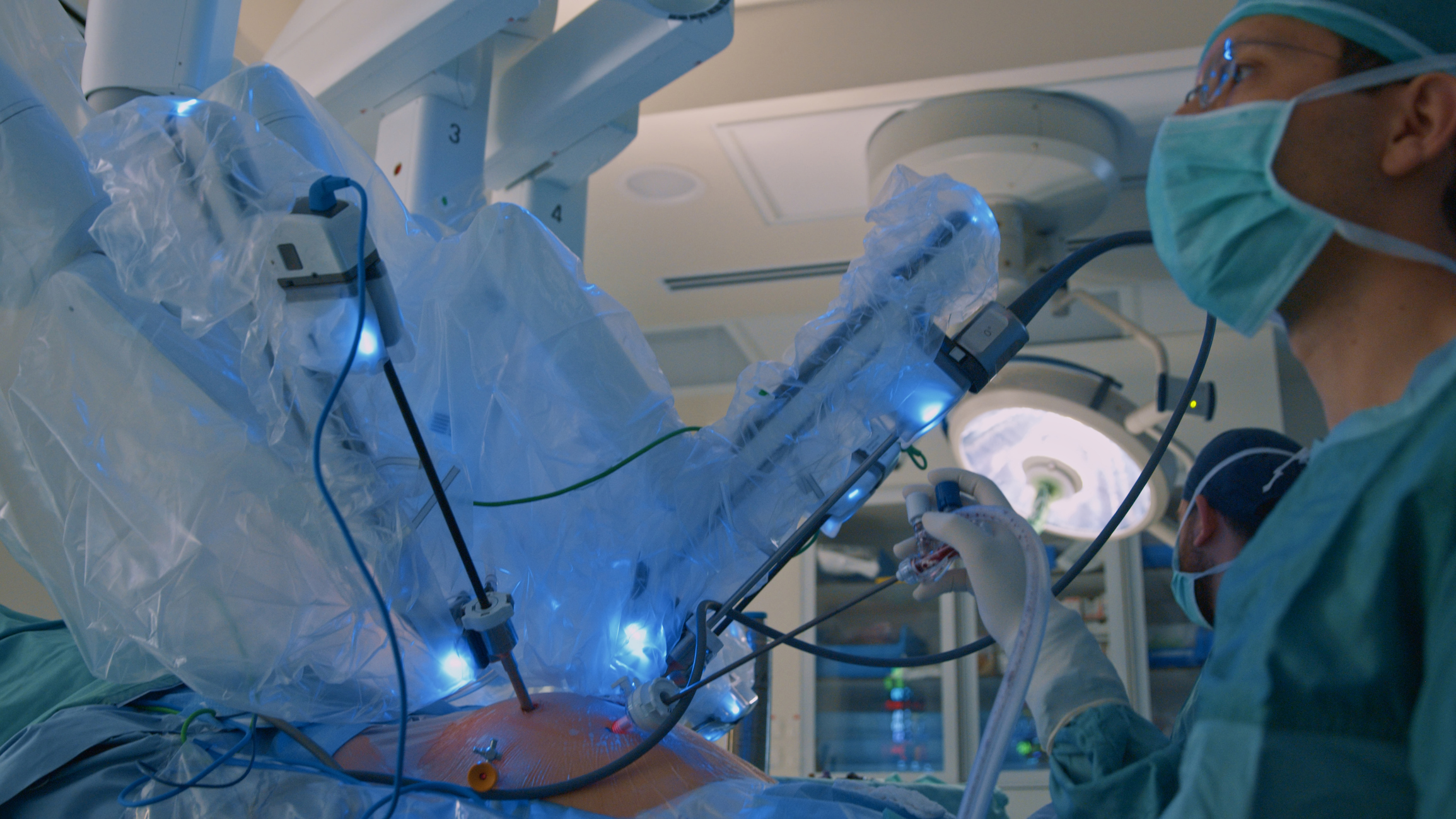
Hepatitis B is a serious viral liver infection that is caused by the hepatitis B virus (HBV).  

The hepatitis B virus can be passed from person to person through various ways, including: 

  • Sexual contact 
  • Sharing of needles 
  • Accidental needlesticks 
  • Pregnant person to newborn 

There are two types of hepatitis B: acute hepatitis B and chronic hepatitis B. 

Acute hepatitis B is a short-term illness that occurs within the first six months after being exposed to the hepatitis B virus. 

Chronic hepatitis B is a longer-term illness that lasts more than six months after exposure.  

Most adults who develop hepatitis B will make a full recovery even if they have severe symptoms. However, infants and children are more likely to develop chronic hepatitis B infection. 

Hepatitis B symptoms can range from mild to serious and usually start about one to four months after being infected with the hepatitis B virus, but can be noticeable as early as two weeks after the initial infection. Symptoms of hepatitis B include: 

  • Abdominal pain 
  • Dark urine 
  • Fever 
  • Joint pain 
  • Nausea and vomiting 
  • Fatigue and weakness 
  • Loss of appetite 
  • Jaundice 

Although anyone can get hepatitis B, certain people have an increased risk of infection if they: 

  • Have sexually transmitted diseases such as HIV 
  • Take immunosuppressants that keep the immune system from mistakenly attacking healthy tissue 
  • Are currently receiving dialysis treatment 
  • Have another type of liver disease 

An acute and chronic hepatitis B infection can cause several complications, including: 

  • Acute liver failure 
  • Chronic liver failure 
  • Cirrhosis of the liver 
  • Liver cancer 
  • Reactivated hepatitis B 
  • Hepatitis D 

A healthcare provider can diagnose hepatitis B by asking about your symptoms and performing a physical exam. They will also ask if there is any family history of liver disease. They may ask: 

  • If your work exposes you to the virus  
  • If you use any intravenous (IV) drugs 
  • If you have unprotected sex with anyone who may have hepatitis B 

A healthcare provider may also perform tests to help diagnose hepatitis B, including: 

  • Blood tests 
  • Imaging tests such as an elastography 
  • Liver biopsy 

Treatment for hepatitis B is dependent on your situation. A healthcare provider may prescribe prophylactic treatment, which is medication to prevent a disease, if you were exposed to the virus within the past 24 hours. Medications for prophylactic treatment include: 

  • Hepatitis B vaccination 
  • Hepatitis B immune globulin (HBIG) 

Acute hepatitis does not have a specific treatment. A healthcare provider may prescribe IV fluids to prevent dehydration if you have been vomiting or experiencing diarrhea. 

Treatment for chronic hepatitis B varies, as it depends on your symptoms and overall health. Treatment options can include: 

  • Monitoring your overall health 
  • Medications such as antiviral drugs or immunomodulators 
  • Surgery to remove part of your liver if hepatitis B causes cancer, or a liver transplant if your whole liver must be removed 

The best way to reduce the risk of or prevent a hepatitis B infection is to get vaccinated. It takes three doses of the hepatitis B vaccine, administered over six months, to achieve complete protection from infection. You can also reduce your risk by practicing safe sex and needle use and not sharing personal items.  

If you or a loved one is experiencing symptoms associated with hepatitis B, you can receive treatment from a physician at Flushing Hospital Medical Center’s Ambulatory Care Center. To schedule an appointment, please call (718) 670-5486. 

All content of this newsletter is intended for general information purposes only and is not intended or implied to be a substitute for professional medical advice, diagnosis or treatment. Please consult a medical professional before adopting any of the suggestions on this page. You must never disregard professional medical advice or delay seeking medical treatment based upon any content of this newsletter. PROMPTLY CONSULT YOUR PHYSICIAN OR CALL 911 IF YOU BELIEVE YOU HAVE A MEDICAL EMERGENCY.

What is the New Flu Virus Variant?

There is a new variant of the flu virus called H3N2 subclade K that is affecting the U.S. this flu season, after circulating in other countries last summer.  

This variant is a mutated strain of H3N2, which is a subtype of influenza A. According to the Centers for Disease Control and Prevention (CDC), H3N2 is the main type of flu spreading in the U.S. as of mid-November.  

Additionally, scientists from around the world have reported that H3N2 subclade K, a mutation of H3N2, has undergone several mutations, which haven’t been seen before in flu viruses. These mutations may make this new strain more severe than usual, with some experts believing that these changes could reduce how well the current flu vaccine prevents infection.  

However, it is important to note that it is still recommended to receive the flu vaccine, as the CDC notes that the H3N2 subclade K strain can cause severe symptoms in older adults over the age of 65 and children under the age of five. Other people who are vulnerable to severe symptoms of the subclade K strain include: 

  • Anyone who is immunocompromised 
  • Pregnant people 
  • People with underlying chronic conditions such as diabetes, heart disease, or lung disease 

Doctors warn that flu infections, if left untreated or not treated early enough, can increase the risk of complications such as ear infections and sinus infections, as well as more severe complications, including pneumonia, hospitalization, and even death. 

In 2024, data from the CDC showed that the U.S. had the most total flu-related hospitalizations in about 15 years, and close to 280 pediatric deaths from the flu. 

During this current flu season, the CDC has reported an estimate of 18 million cases, 230,000 hospitalizations, and 9,300 deaths nationwide, with 32 of those deaths being pediatric. What’s more, the CDC says that among the children eligible for the flu vaccine and with known vaccination status, 90% of pediatric deaths this season were among children not fully vaccinated against influenza.

People who are infected with the flu typically develop symptoms within one to four days after exposure. Flu symptoms include: 

  • Fever and chills 
  • Muscle and body aches 
  • Headaches 
  • Sore throat 
  • Cough 
  • Deep fatigue or tiredness 
  • Runny nose or stuffy nose 
  • Vomiting and diarrhea (in some cases, especially in children) 

For most healthy people, the flu resolves within a week or two with rest and fluids. However, certain symptoms are red flags that indicate you need to seek immediate medical attention. 

  • Difficulty breathing or shortness of breath 
  • Persistent pain or pressure in the chest or abdomen 
  • Persistent dizziness, confusion, or inability to wake up 
  • Seizures 
  • Not urinating, which is a sign of severe dehydration 
  • Severe muscle pain 
  • A high fever that does not respond to fever-reducing medication 
  • Symptoms that improve but then return with a fever and worse cough 

It is important to remember that getting vaccinated is the best way to prevent serious symptoms of the flu virus. There are also several steps you can take to reduce your risk of getting and spreading the flu. They include: 

  • Washing your hands frequently with soap and water. 
  • Avoiding touching your eyes, nose, and mouth. 
  • Staying home when you are sick to prevent the spread of the virus to others. 
  • Covering your cough and sneeze with a tissue or your elbow. 
  • Considering wearing a mask in crowded indoor spaces, especially if you are around high-risk individuals. 

If you or a loved one is experiencing any flu symptoms, you can receive treatment from a neurologist at Flushing Hospital Medical Center’s Ambulatory Care Center To schedule an appointment, please call (718) 670-5486. 

All content of this newsletter is intended for general information purposes only and is not intended or implied to be a substitute for professional medical advice, diagnosis or treatment. Please consult a medical professional before adopting any of the suggestions on this page. You must never disregard professional medical advice or delay seeking medical treatment based upon any content of this newsletter. PROMPTLY CONSULT YOUR PHYSICIAN OR CALL 911 IF YOU BELIEVE YOU HAVE A MEDICAL EMERGENCY.

Blood Test for Alzheimer’s Disease

Alzheimer’s disease is a degenerative brain disease and the most common type of dementia. It causes a slow decline in memory, thinking, and reasoning skills. 

In May of 2025, the U.S. Food and Drug Administration (FDA) approved the Lumipulse test, the first blood test to help diagnose Alzheimer’s disease.  

The Lumipulse test utilizes a blood sample to measure specific proteins, including a particular form of the tau protein. The tau protein is a protein found in neurons that stabilizes hollow rods called microtubules, which guide the transport of nutrients, signals, and other essential molecules throughout the cell. The tau protein can indicate the presence of amyloid plaques in the brain. An amyloid plaque is a buildup of protein that is considered a hallmark sign of Alzheimer’s disease.  

The Lumipulse test, along with other diagnostic tools such as a PET scan, can aid in the diagnosis of Alzheimer’s disease.  

Although this blood test can detect changes before any memory issues occur, it is recommended that it be used clinically in those who are showing symptoms of Alzheimer’s disease.  

The test is approved for adults 50 years of age and older who are having early memory or thinking problems, such as repeating questions, forgetting names, or misplacing things.  

The test is not recommended for those with no symptoms of Alzheimer’s disease. 

It is important to note that if you can take the Lumipulse test and receive a positive result, it means that there are changes in your brain that may suggest you have Alzheimer’s. However, these results by themselves do not mean that you have Alzheimer’s disease.  

You should consult with your healthcare provider to help further determine if you have Alzheimer’s disease. They may: 

  • Recommend more tests, such as imaging tests or cognitive tests 
  • Suggest lifestyle changes that help support your brain health 
  • Help you plan next steps, such as treatment options or clinical trials 

If you or a loved one is experiencing symptoms associated with Alzheimer’s, you can receive treatment from a neurologist at Flushing Hospital Medical Center’s Ambulatory Care Center. To schedule an appointment, please call (718) 670-5486. 


All content of this newsletter is intended for general information purposes only and is not intended or implied to be a substitute for professional medical advice, diagnosis or treatment. Please consult a medical professional before adopting any of the suggestions on this page. You must never disregard professional medical advice or delay seeking medical treatment based upon any content of this newsletter. PROMPTLY CONSULT YOUR PHYSICIAN OR CALL 911 IF YOU BELIEVE YOU HAVE A MEDICAL EMERGENCY.

Seasonal Affective Disorder

Seasonal affective disorder (SAD), also known as seasonal depression, is a type of depression that is triggered by the change of seasons. It usually starts in late fall or early winter and goes away in spring and summer. This is called winter-pattern SAD or winter depression. 

Seasonal affective disorder affects about 5% of adults in the U.S. It tends to start in young adulthood (usually between the ages of 18 and 30).

The American Psychiatric Association classifies SAD as major depressive disorder with seasonal patterns and can cause a person to experience mood changes and symptoms of depression. Symptoms of depression can include: 

  • A persistent mood of sadness, anxiousness, or emptiness most of the day, nearly every day for at least weeks 
  • Feelings of hopelessness or negativity 
  • Feelings of irritability, frustration, or restlessness 
  • Feelings of guilt, worthlessness, or helplessness 
  • A loss of interest or pleasure in favorite hobbies and activities 
  • Fatigue, decreased energy, or a slowed down feeling 
  • Difficulty concentrating, remembering, or making decisions 
  • Changes in sleep, appetite, or unplanned weigh changes 
  • Physical aches or pains, headaches, cramps, or digestive problems that have an unknown cause and don’t go away with treatment 
  • Thoughts of death, suicide, or suicide attempts 

Winter-pattern seasonal affective disorder can cause additional symptoms, including: 

  • Oversleeping 
  • Overeating, with cravings for carbohydrates, which can lead to weight gain 
  • Social withdrawal 

Although it is rare, people can experience summer-pattern SAD, or summer depression, which starts in the late spring or early summer and ends in the fall. Symptoms for summer-pattern SAD include: 

  • Insomnia 
  • Anxiety 
  • A poor appetite that leads to weight loss 
  • Restlessness and agitation 
  • Aggressive or violent behavior 

Unfortunately, researchers are unsure of what causes seasonal affective disorder. However, studies indicate that people with SAD, especially winter-pattern SAD, have reduced levels of serotonin, the brain chemical that helps regulate mood. According to the National Institute of Mental Health, there is research that also suggests that sunlight affects levels of molecules that help maintain normal serotonin levels. Shorter daylight hours may prevent these molecules from functioning properly, which can contribute to a decrease in serotonin levels in the winter.  

A vitamin D deficiency may worsen problems associated with winter-pattern SAD because vitamin D is believed to promote serotonin activity. Vitamin D can be consumed in food and can also be produced by the body when the skin is exposed to sunlight. With less daylight in the winter, people with SAD may have lower levels of vitamin D, which further reduces serotonin activity.  

In addition to lower vitamin D levels, there are other studies that suggest that both forms of SAD relate to altered levels of melatonin, the hormone that is key for maintaining the normal sleep/wake cycle. People who have winter-pattern SAD can produce too much melatonin, which can increase sleepiness and lead to oversleeping. 

It is important to note that you shouldn’t try to diagnose yourself if you are experiencing symptoms of SAD. See a healthcare provider to be properly evaluated as you may be suffering from depression for another reason. A healthcare provider may refer you to a psychiatrist or psychologist who will assess your pattern of symptoms and determine if you have seasonal depression or another mood disorder. 

Although there isn’t a blood test or scan to diagnose seasonal depression, a healthcare provider may recommend testing to rule out other conditions that cause similar symptoms, including testing your thyroid to make sure that it is functioning properly.  

There are several treatment options for SAD, including: 

  • Light therapy 
  • Cognitive behavioral therapy (CBT) 
  • Antidepressant medication 
  • Spending time outdoors 
  • Vitamin D supplements 

If you or someone you know is struggling or having thoughts of suicide, call or text the 988 Suicide and Crisis Lifeline at 988 or chat at 988lifeline.org. In life-threatening situations, call 911 

To find out more about our mental health services or to schedule a virtual appointment, call (718) 670-5316 to speak with our intake coordinator or call (718) 670-5562 to reach the clinic. 

All content of this newsletter is intended for general information purposes only and is not intended or implied to be a substitute for professional medical advice, diagnosis or treatment. Please consult a medical professional before adopting any of the suggestions on this page. You must never disregard professional medical advice or delay seeking medical treatment based upon any content of this newsletter. PROMPTLY CONSULT YOUR PHYSICIAN OR CALL 911 IF YOU BELIEVE YOU HAVE A MEDICAL EMERGENCY.

6 Hip Mobility Exercises That Can Boost Strength and Flexibility

The hips play an important role in our ability to walk, sit, stand, and even climb flights of stairs. Having weak, tight, or inflexible hips can be caused by prolonged periods of sitting without breaks, poor posture, injuries, or muscle imbalances.  

When our hip mobility declines, it can lead to discomfort, stiffness, and even pain. Maintaining hip mobility is essential for overall health and well-being, especially as we age. Here are 6 hip mobility exercises that can boost strength and flexibility: 

  1. Seated figure 4 stretch: This stretch works to gently open your hip and target the muscles that work to rotate it. 

    Steps to perform the seated figure 4 stretch: 

  • While sitting, cross your ankle over your opposite knee 
  • Lean forward slowly and hold for 30-60 seconds 
  • Switch legs and perform 2-3 times on each side 
  1. Clamshell: This exercise works to improve your hip strength, balance, and lower body alignment. 

    Steps to perform the clamshell: 

  • While lying on your side, bend your knees and stack your feet on top of one another 
  • Lift your top knee towards the ceiling while keeping your feet together, like a clamshell 
  • Lower your knee slowly and repeat 3 sets of 10 repetitions on each side 
  1. Bridges: This exercise helps activate your glutes, hamstrings, and core, thereby strengthening and supporting your hips and back. 

     Steps to perform bridges: 

  • Lie on your back with your knees bent and feet flat on the floor 
  • Push on your heels as you lift your hips until your shoulders, hips, and knees are aligned. Squeeze your glute muscles together as you reach the top of the bridge 
  • Lower your hips slowly, and repeat 3 sets of 10 repetitions 
  1. Donkey kicks: This exercise works to strengthen your hip muscles and core, while supporting the health of your lower back. 

     Steps to perform donkey kicks: 

  • Start on your hands and knees 
  • Keeping your knee bent, lift one leg behind you until your thigh is in line with your body, by kicking your foot up towards the ceiling 
  • Lower your leg slowly and repeat 3 sets of 10 repetitions on each side 
  1. Monster walks: This exercise works to strengthen your hips, knees, and core while improving their stability during movement. 

     Steps to perform monster walks: 

  • Start in the standing position, with your knees slightly bent and your feet hip-width apart 
  • Begin slowly stepping sideways with a wide stance 
  • Continue stepping towards one direction for 10 repetitions and complete 3 sets towards each side 
  1. Lunges: This exercise works to strengthen your hips and improve the balance of your lower body, coordination, and mobility.  

     Steps to perform lunges: 

  • In a standing position, step one foot forward, bending both knees as you lower into a lunge position 
  • Make sure your front knee is over your ankle, and your back knee is pointing towards the floor 
  • Push back to your starting position and complete 3 sets of 10 repetitions on each side 

Hip mobility exercises help improve movement, reduce pain, and prevent injury. However, it is important to use proper techniques during your exercise routine, so you can receive the full benefits of each exercise. Here are some tips to consider that can help you correctly improve your strength and flexibility: 

  • Always warm up first. Start with gentle movements that increase blood flow to your muscles and prepare your hips for movement 
  • Cool down after your workout by finishing with light stretching or gentle mobility exercises to improve recovery time and help maintain flexibility 
  • Modify, avoid, or stop any exercises that are causing you to experience any pain 
  • Focus on proper form and perform deliberate and controlled movements to ensure that you are engaging the correct muscles, protecting your joints, and benefiting from the exercise 
  • Slowly increase your range of motion, the repetitions you do, and the resistance you add. This will help you avoid any injuries 
  • Keep a consistent exercise routine to improve your hip mobility and strength. This is important for maintaining them for long periods of time 
  • Pay attention to any stiffness, soreness, pain, or discomfort in your body, and adjust your routine accordingly 
  • Perform a combination of strength- and flexibility-based exercises as they ensure that mobility is both created and maintained. Joint health and muscle balance are also supported when you combine both types of exercises 

It is recommended that you consult a doctor before starting or adding new exercises to your routine. You can schedule an appointment with a doctor at Flushing Hospital’s Ambulatory Care Center by calling (718) 670-5486. 


All content of this newsletter is intended for general information purposes only and is not intended or implied to be a substitute for professional medical advice, diagnosis or treatment. Please consult a medical professional before adopting any of the suggestions on this page. You must never disregard professional medical advice or delay seeking medical treatment based upon any content of this newsletter. PROMPTLY CONSULT YOUR PHYSICIAN OR CALL 911 IF YOU BELIEVE YOU HAVE A MEDICAL EMERGENCY.

Understanding Cholesterol Numbers

Cholesterol is a type of waxy, fat-like substance, or lipid, that the body needs to function. It forms part of the cell membranes, helps the liver make bile, and serves as a building block for hormones.  

There are several types of cholesterol. They include: 

  • High-density lipoprotein (HDL) cholesterol is a good cholesterol that helps protect the arteries 
  • Low-density lipoprotein (LDL) cholesterol is bad cholesterol that causes plaque buildup in the arteries 
  • Very-low density lipoprotein (VLDL) cholesterol is another type of bad cholesterol that can also cause plaque buildup in the arteries 
  • Non-HDL cholesterol- refers to all the cholesterol in the blood, except for HDL cholesterol 

Cholesterol is vital for us to live, as it does many essential jobs in the body. However, too much cholesterol in the blood is harmful as it can enter the artery wall, weakening it, leading to hardened deposits of atherosclerotic plaque to form. This is called atherosclerosis, and it can lead to problems such as: 

  • Coronary artery disease 
  • Peripheral artery disease 
  • Carotid artery disease 

A person can live for many years with high cholesterol and not know it. High levels of cholesterol, or hyperlipidemia, can be a risk of a heart attack or stroke. That is why it is important to get your cholesterol numbers checked on a regular basis. 

When getting your cholesterol numbers checked, a healthcare provider will use a blood test called a lipid panel. A healthcare provider will check the numbers of the main levels of cholesterol. They include: 

  • Total cholesterol: Below 200 
  • LDL cholesterol: Below 100 
  • VLDL cholesterol: Below 30 
  • HDL cholesterol: 40-80 for males. 50-80 for females 

The lipid panel also measures another type of fat in the blood called triglycerides. 

Normal cholesterol levels can vary based on age, ethnicity, and sex.   

If a person has heart disease or several risk factors, the LDL target number may be different, and a healthcare provider will want the number to be below 70. 

HDL numbers are typically better when higher rather than lower. An ideal number for HDL cholesterol should be between 60 and 80 to protect against heart disease. An HDL number over 80 is too high and can be unhealthy. HDL is the only number that has sex-based differences, as females need a higher HDL level than males. 

High cholesterol means that total cholesterol is 200/mg/dl or higher, or higher than normal. “Borderline high” is a phrase that healthcare providers may use to break down the results of a lipid panel. If a person’s cholesterol numbers are close to normal, they may be easier to manage. High cholesterol numbers include: 

  • Total cholesterol: Borderline high: 200-239  

                                      High: 240 or higher 

  • LDL cholesterol: Elevated:100-129  

                                    Borderline high: 130-159 

                                    High: 160-189 

  • VLDL cholesterol: 30 or higher 

LDL cholesterol, VLDL cholesterol, and total cholesterol numbers should be lower rather than higher. 

How often a person gets their cholesterol checked depends on their age, family history, risk factors for heart disease, and their sex, as males need more frequent tests starting at a younger age.  

Males ages 20 to 44 should get their cholesterol checked every five years. Males ages 45 to 65 should get their cholesterol checked every one to two years. And males 65 years and older should get their cholesterol checked every year.  

Females ages 20-54 should get their cholesterol checked every five years. Females ages 55 to 65 should get their cholesterol checked every one to two years. And females 65 and older should get their cholesterol checked every year. 

It is important to know what your cholesterol numbers are, as they can help you learn about your potential risks for heart disease. A healthcare provider will look at your cholesterol numbers, as well as the other aspects of your health, to learn more about your risks of heart disease.  

If you or a loved one would like to learn more about understanding cholesterol numbers, you can speak with a physician at Flushing Hospital Medical Center’s Ambulatory Care Center. To schedule an appointment, please call (718) 670-5486. 


All content of this newsletter is intended for general information purposes only and is not intended or implied to be a substitute for professional medical advice, diagnosis or treatment. Please consult a medical professional before adopting any of the suggestions on this page. You must never disregard professional medical advice or delay seeking medical treatment based upon any content of this newsletter. PROMPTLY CONSULT YOUR PHYSICIAN OR CALL 911 IF YOU BELIEVE YOU HAVE A MEDICAL EMERGENCY.

National Birth Defects Prevention Month

January is recognized as National Birth Defects Prevention Month. The observance was created to help raise awareness while working towards better care and highlight the efforts that help with prevention.  

Hundreds of thousands of babies are born around the world each day. Some are born healthy. However, some are born with birth defects. Birth defects are structural changes that affect one or more parts of the body, such as the heart, brain, feet, and hands. Some of the common birth defects include congenital heart defects, cleft lip, spina bifida, anotia, and microtia. These defects are formed during the first three months of pregnancy when the baby’s organs are developing.  

An estimated 8 million newborn babies are born with some kind of birth defect. These birth defects can range from minor to life-threatening.  

Although birth defects can’t always be prevented, many of them are reliant on the lifestyle of the parents, as exposure to certain substances during pregnancy can cause issues in the development of the baby.  

There are many ways to observe National Birth Defects Prevention Month, including: 

  • Taking prenatal vitamins and supplements such as folic acid (400mcg) every day 
  • Avoiding substances such as alcohol, drugs, both cigarette and secondhand smoke, marijuana, certain prescription medications, and any other substances that may be harmful to an unborn baby 
  • Seeing a healthcare provider regularly during every stage of your pregnancy 

Flushing Hospital Medical Center for Obstetrics and Gynecology offers comprehensive, multi-disciplinary, and culturally sensitive care. Our services are provided by a highly skilled team of the best OBGYNs in Queens. For more information, please call (718) 670-5562. 

All content of this newsletter is intended for general information purposes only and is not intended or implied to be a substitute for professional medical advice, diagnosis or treatment. Please consult a medical professional before adopting any of the suggestions on this page. You must never disregard professional medical advice or delay seeking medical treatment based upon any content of this newsletter. PROMPTLY CONSULT YOUR PHYSICIAN OR CALL 911 IF YOU BELIEVE YOU HAVE A MEDICAL EMERGENCY.