Preeclampsia Awareness Week

May is Preeclampsia Awareness Month, a time to raise awareness of this potentially fatal pregnancy condition.  

Preeclampsia is a complication of pregnancy that occurs around the 20th week during pregnancy and lasts about six weeks after birth. It is characterized by symptoms, such as high blood pressure and protein in the urine, and can cause major difficulties for the mother and baby if the condition isn’t monitored and managed.   

Other symptoms of preeclampsia include: 

  • Severe headache 
  • Swelling in the hands and face 
  • Vision problems 
  • Nausea and vomiting 
  • Pain in the stomach or abdomen 
  • Sudden weight gain 
  • Shortness of breath 

Symptoms of postpartum preeclampsia include: 

  • Severe headache 
  • Vision changes 
  • Swelling of the hands and face 
  • Difficulty breathing 

It is important to note that the shorter the time between diagnosis and treatment, the better the outcomes for the mother and baby.  

Preeclampsia and related hypertension diseases of pregnancy (HDPs) affect approximately 76,000 mothers and 500,000 newborns every year and are the leading cause of maternal and infant illness and death in the U.S. and worldwide.  

According to a report done by the Preeclampsia Foundation based on survey data, which analyzed knowledge from almost 3,000 new and expectant mothers that closely represent the demographics of the U.S. population, found that 80% of new and expectant mothers are aware of preeclampsia as a dangerous high blood pressure condition related to pregnancy. However, only 8% of them can correctly name all its major symptoms, and only 29% expressed fear that it may impact their own pregnancy.  

Here are some additional statistics about preeclampsia: 

  • Hypertensive disorders of pregnancy complicate 5%-10% of all pregnancies worldwide. They include: 
  • Preeclampsia, with or without features 
  • Eclampsia 
  • Hemolysis, elevated liver enzymes, and low platelets (HELLP) syndrome 
  • Gestational hypertension 
  • Black women experience severe maternal morbidity events at 2.1 times the rate of white women 
  • Most maternal and infant deaths caused by HDPs occur in low- and middle-income countries 
  • The U.S. ranks 47th worldwide for maternal mortality, and is the only industrialized nation with a rising maternal mortality rate 
  • Sixty percent of hypertension-related maternal deaths are potentially preventable, which highlights missed opportunities for appropriate, recommended care of maternal hypertension 

There are several ways to improve outcomes for women affected by preeclampsia, including: 

  • Screening for risk factors and early hypertension control, nutrition, and exercise, which may help decrease rates of preeclampsia 
  • Providing easy-to-understand preeclampsia signs and symptoms education tools to improve patient understanding of these, and to discuss with their healthcare providers 
  • Supporting prenatal quality collaboratives that help hospitals to implement care practices that reduce early delivery and reduce severe pregnancy complications 
  • Providing access to midwives, doulas, and other trained childbirth attendants throughout the prenatal, labor, and delivery, and postpartum periods. This can improve pregnancy outcomes for all moms, especially those in the BIPOC community 
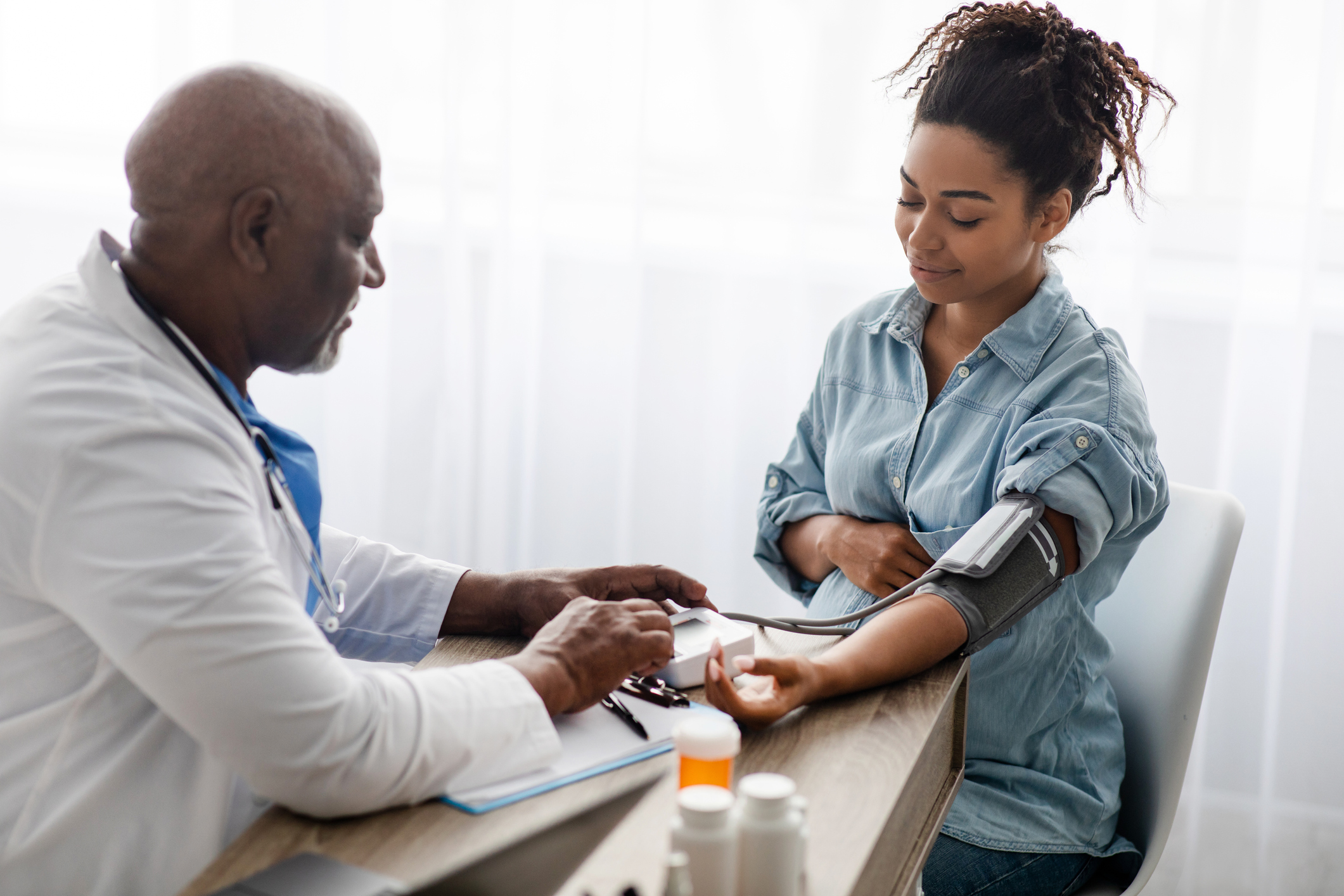
  • Encouraging and instructing prenatal and postpartum patients on self-measured blood pressure protocols. Pregnancy is the perfect time for women to check, know, and share their blood pressure readings 
  • Standardizing and providing care guidelines on the leading causes of maternal mortality, including hypertensive disorders of pregnancy. This has been shown to decrease maternal illness and death 

Preeclampsia rates in the U.S. are on the rise. It is important that all women know the signs, symptoms, and risk factors for developing high blood pressure during pregnancy, but also know they don’t need to have risk factors to develop it. 

Flushing Hospital’s Women’s Center for Obstetrics and Gynecology offers comprehensive, multi-disciplinary, and culturally sensitive care. Our services are provided by a highly skilled team of OBGYNs. For more information about gynecological services at FHMC’s Center for Obstetrics and Gynecology, call us at (718) 670 8994. 

All content of this newsletter is intended for general information purposes only and is not intended or implied to be a substitute for professional medical advice, diagnosis or treatment. Please consult a medical professional before adopting any of the suggestions on this page. You must never disregard professional medical advice or delay seeking medical treatment based upon any content of this newsletter. PROMPTLY CONSULT YOUR PHYSICIAN OR CALL 911 IF YOU BELIEVE YOU HAVE A MEDICAL EMERGENCY.
What is Preeclampsia?

Preeclampsia is a blood pressure condition that occurs during pregnancy and can complicate the delivery of a baby. Up to 15% of premature births in the United States occur because of this condition.

Preeclampsia often occurs after 20 weeks of pregnancy, but can develop sooner. It can also occur after pregnancy, typically following the first few days or week after delivery; this is known as postpartum preeclampsia.

Not everyone with preeclampsia may experience noticeable symptoms; in fact, most expecting mothers are unaware they have this condition until receiving a prenatal checkup. If symptoms do occur, some of the first signs typically include high blood pressure, retention of water weight, and protein in urine (detectable through diagnostic tests). Other symptoms may include:

  • Headaches
  • Visual disturbances, blurring, dark spots, or light sensitivity
  • Right side abdominal pain
  • Shortness of breath
  • Edema (swelling of the hands and face)

Certain severe symptoms of preeclampsia may indicate a medical emergency, requiring a hospital visit and, potentially, early delivery of the baby. These include blood pressure of 160/110 mmHg or higher, fluid in the lungs, decreased urine production, low blood platelet levels, and decreased liver or kidney function.

While medical experts are uncertain what specifically causes preeclampsia, certain factors may increase your likelihood of developing this condition. These include:

  • A family history of preeclampsia
  • A personal medical history involving high blood pressure, kidney disease, diabetes, obesity, or an autoimmune disease such as lupus
  • Multiple expected babies

You should consult your doctor about the most effective approach to treatment for preeclampsia. In most cases, this condition can only be resolved once the baby has been delivered; however, your doctor may provide medication to assist with managing your blood pressure and the development of the fetus’ lungs.

If you are experiencing symptoms of preeclampsia and require specialized medical care to protect the health of yourself and your baby, please call Flushing Hospital Medical Center’s Division of Obstetrics and Gynecology at (718) 670-5702 to schedule an appointment or learn more about our New Beginnings labor and delivery unit.

All content of this newsletter is intended for general information purposes only and is not intended or implied to be a substitute for professional medical advice, diagnosis or treatment. Please consult a medical professional before adopting any of the suggestions on this page. You must never disregard professional medical advice or delay seeking medical treatment based upon any content of this newsletter. PROMPTLY CONSULT YOUR PHYSICIAN OR CALL 911 IF YOU BELIEVE YOU HAVE A MEDICAL EMERGENCY.

Preeclampsia Awareness Month

Preeclampsia Awareness Month is a nationally recognized health observance that presents an opportunity to offer education to help increase awareness of this life-threatening disorder.

Preeclampsia occurs in eight percent of all pregnancies.  Formerly called toxemia, preeclampsia is a condition that is marked by high blood pressure in pregnant women that have previously not experienced high blood pressure. Symptoms of preeclampsia include high levels of protein are found in their urine and they may have swelling in the feet, legs and hands.  Preeclampsia appears late in the pregnancy, generally after the 20 week mark, although, in some cases, it can appear earlier.

If left undiagnosed and untreated, preeclampsia can become a more serious condition called eclampsia, which can put the expectant mother and baby at risk.

There is no cure for preeclampsia, but when it is caught in its early stages, it is easier to manage.

If you are pregnant and would like to make an appointment at our Women’s Health Center, call 718-670-5486.

For more hospital events, highlights, health and  fitness tips, visit us on 

  or

and follow us on Twitter or 


All content of this newsletter is intended for general information purposes only and is not intended or implied to be a substitute for professional medical advice, diagnosis or treatment. Please consult a medical professional before adopting any of the suggestions on this page. You must never disregard professional medical advice or delay seeking medical treatment based upon any content of this newsletter. PROMPTLY CONSULT YOUR PHYSICIAN OR CALL 911 IF YOU BELIEVE YOU HAVE A MEDICAL EMERGENCY.

Preeclampsia Awareness Month

Preeclampsia Awareness Month is a nationally recognized health observance that presents an opportunity to offer education to help increase awareness of this life-threatening disorder.

Preeclampsia occurs in eight percent of all pregnancies.  Formerly called toxemia, preeclampsia is a condition that is marked by high blood pressure in pregnant women that have previously not experienced high blood pressure.  Symptoms of preeclampsia include high levels of protein found in their urine and they may have swelling in the feet, legs and hands.  Preeclampsia appears late in the pregnancy, generally after the 20 week mark, although, in some cases, it can appear earlier.

If left undiagnosed and untreated, preeclampsia can become a more serious condition called eclampsia, which can put the expectant mother and baby at risk.

There is no cure for preeclampsia, but when it is caught in its early stages, it is easier to manage.

If you are pregnant and would like to make an appointment at Flushing Hospital Medical Center’s Women’s Health Center, call 718-670-5486, for an appointment.

All content of this newsletter is intended for general information purposes only and is not intended or implied to be a substitute for professional medical advice, diagnosis or treatment. Please consult a medical professional before adopting any of the suggestions on this page. You must never disregard professional medical advice or delay seeking medical treatment based upon any content of this newsletter. PROMPTLY CONSULT YOUR PHYSICIAN OR CALL 911 IF YOU BELIEVE YOU HAVE A MEDICAL EMERGENCY.