Dialysis

Dialysis is a treatment for those whose kidneys aren’t functioning properly due to late-stage kidney disease, end-stage kidney disease (EKD), or kidney failure. When a person suffers from these conditions, their kidneys don’t filter blood the way they should. This causes waste such as urea, creatinine, acids, and toxins to build up in their bloodstream. Dialysis does the work your kidneys would do by removing waste products and excess fluids from the blood.  

Dialysis is common, as over 2 million people worldwide treat their kidney disease with dialysis or a kidney transplant.  

A person may need dialysis or a kidney transplant to stay alive. Some people undergo dialysis while awaiting a transplant. Kidney failure is fatal without treatment, and if a person has kidney failure, they may survive a few days or weeks without dialysis.  

There are two types of dialysis: hemodialysis and peritoneal dialysis.  

Hemodialysis is the most common type of dialysis that uses a machine that: 

  • Removes blood from the body through a vein in the arm 
  • Filters blood through an artificial kidney 
  • Returns clean blood to the body 

People can receive hemodialysis at a dialysis center or at home. Most people receive hemodialysis at a dialysis center three times a week for three to four hours, and three to seven times a week, depending on the type of at-home hemodialysis, with sessions lasting between three and eight hours.  

Before a person starts hemodialysis, a surgeon will enlarge some of their blood vessels in their arm to make dialysis access easier and to allow blood to flow in and out of their body more quickly.  

Peritoneal dialysis uses the inner lining of the abdomen or peritoneum to filter blood. A person adds a dialysis solution called dialysate in their peritoneum that helps the blood vessels in the area to filter their blood. After this process, the person will drain the dialysate in a bag outside of their body. There are two main types of peritoneal dialysis: 

  • Continuous ambulatory peritoneal dialysis (CAPD) 
  • Automated peritoneal dialysis (APD) 

Before a person begins peritoneal dialysis, a healthcare provider will surgically insert a permanent soft tube called a catheter in their abdomen. They will teach them how to add the dialysate and later drain the solution through the catheter. 

Continuous peritoneal dialysis usually lasts 40 minutes, and a person will need three to five sessions each day. Automated peritoneal dialysis may take eight to 12 hours and may need to be done every day.  

A healthcare provider can review dialysis options with you and determine which type works best.

If you or a loved one is experiencing kidney problems and would like to learn more about dialysis, you can receive treatment at Flushing Hospital Medical Center’s Ambulatory Care Center. To schedule an appointment, please call (718) 670-5486. 


All content of this newsletter is intended for general information purposes only and is not intended or implied to be a substitute for professional medical advice, diagnosis or treatment. Please consult a medical professional before adopting any of the suggestions on this page. You must never disregard professional medical advice or delay seeking medical treatment based upon any content of this newsletter. PROMPTLY CONSULT YOUR PHYSICIAN OR CALL 911 IF YOU BELIEVE YOU HAVE A MEDICAL EMERGENCY.


Medications That Cause Vivid Dreams and Nightmares

When we take prescription medication, there is always a worry that if they have any side effects, how they would affect our bodies. Certain medications, such as beta blockers and antidepressants, and even supplements like melatonin, can affect our dreams by causing us to have vivid dreams and nightmares.  

These unexpected side effects don’t happen to everyone; however, it is helpful to be aware of which medications are most likely to affect your dreams.  

Beta blockers are taken to treat high blood pressure and other heart-related conditions. However, they may also block the release of melatonin, which helps the body regulate sleep. When the body produces less melatonin, it may contribute to sleeping problems, including insomnia and nightmares.  

Beta blockers are the most common medication associated with disrupting dreaming. According to the National Library of Medicine, one study found that about one-third of people who had nightmares were taking a beta blocker.  

Taking a melatonin supplement in the evening may help with nightmares that are caused by beta blockers. It is important to keep in mind that melatonin has its own side effects and can interact with other medications, so it is best to check with your healthcare provider before taking it to make sure that it is safe for you. 

Selective serotonin reuptake inhibitors (SSRIs) are used for depression and other mental health conditions. But they can cause sleep changes for some people.  

SSRIs raise the levels of serotonin, a chemical that carries messages between nerve cells in the brain and throughout your body. While this improves mood, it can also affect sleep and have a strong effect on dreams. Some SSRIs can make dreams more intense, and one can increase the chance that you will remember your nightmares. Certain SSRIs suppress rapid eye movement (REM) sleep, and this changes the body’s normal sleep cycle, which may contribute to nightmares.  

If your dreams become a problem while taking an antidepressant, talk with the healthcare provider who prescribed it. They may recommend the addition of another antidepressant that can help improve sleep quality when taken before bed. They may also decide to switch you to a completely different antidepressant altogether. 

Antihistamines are commonly used for allergies; however, some first-generation antihistamines can make you sleepy and can cause nightmares.  

Some second-generation antihistamines have been reported to cause medication-induced sleep terrors. Second-generation antihistamines are less likely to affect your sleep, but cetirizine may cause more drowsiness than other medications in this class.  

If you are experiencing troublesome dreams because of an antihistamine, talk to your pharmacist or healthcare provider about a different option, as a different antihistamine may work better for you. 

Some medications used as sleep aids to treat insomnia can also cause nightmares.  

Z-drugs are common medications that are prescribed for sleep.  

This class of medication may have an increased risk of nightmares. Z-drugs may also cause hallucinations and sleepwalking, which you won’t remember after you wake up. 

The body naturally produces melatonin to help you sleep. However, melatonin, as an over-the-counter supplement used to treat insomnia or jet lag, can cause nightmares. It isn’t known for sure why melatonin causes nightmares, but studies have reported that taking melatonin can increase dreaming, specifically vivid dreams and nightmares.  

There are many ways to stop melatonin nightmares, including lowering your dosage or stopping taking it for a few days to see if the nightmares improve. If your healthcare provider recommended taking melatonin, it is important to speak with them before lowering your dosage. You can also try to improve your sleep hygiene by not using any electronic screens for at least an hour before bed, not having any caffeine at least six hours before bedtime, and having a consistent bedtime. 

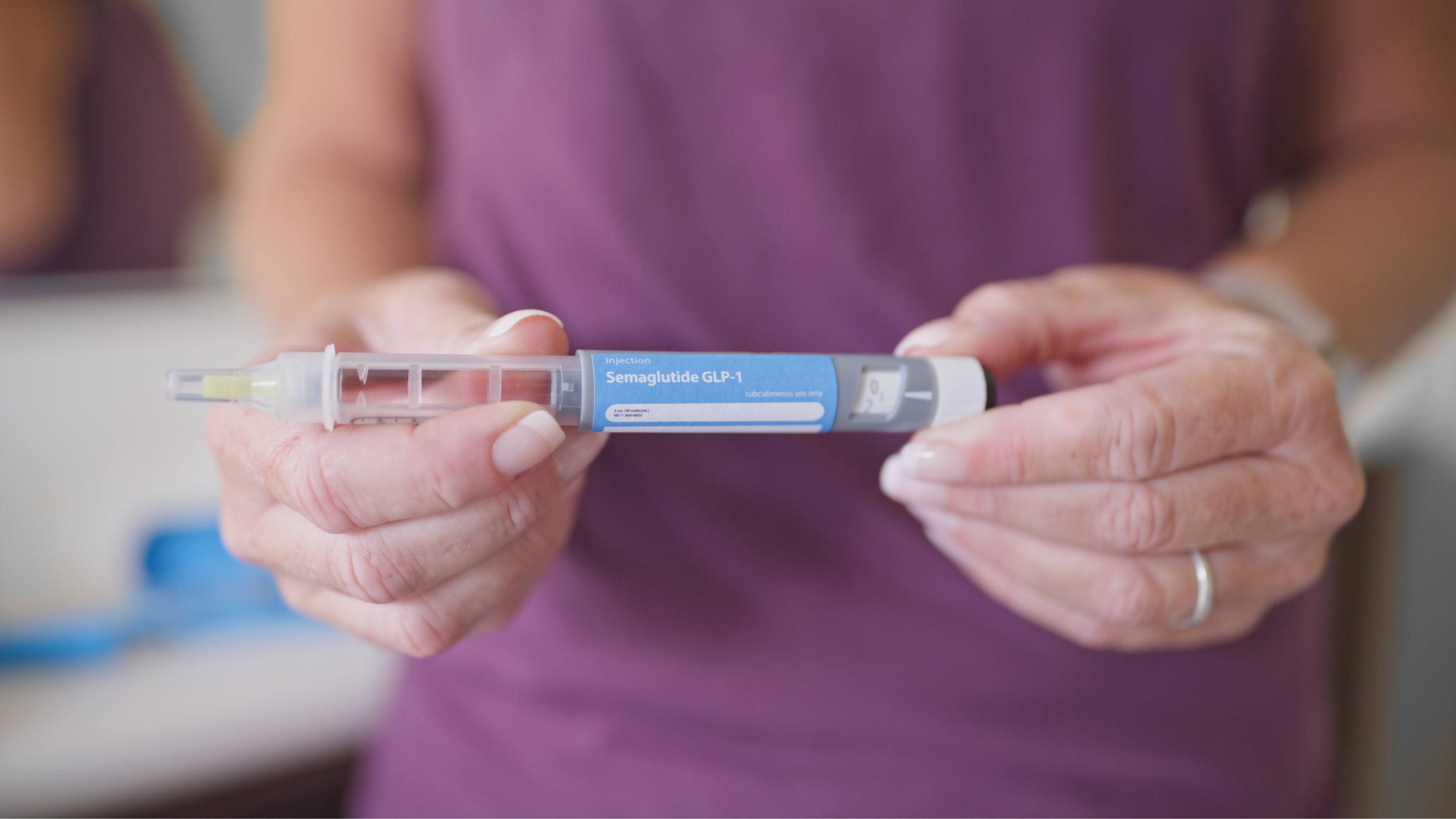
Some people have reported having vivid or abnormal dreams while taking semaglutide, a GLP-1 receptor agonist primarily used for treating type 2 diabetes and obesity. It isn’t clear why this happens, or if it is directly related to medication, so it is a good idea to let your healthcare provider know if your dreams become bothersome. 

Certain antibiotics and antiviral medications that fight infections may also cause nightmares. This is due to these medications being able to decrease proteins released by the body that help you sleep to better fight off infection; this can result in disturbed sleep and nightmares.  

In most cases, you will only be taking antibiotics for a short period of time, so dream-related side effects should dissipate once treatment is finished. 

Certain medications that are used to treat dementia may also affect sleep quality, as they can cause REM sleep behavior disorder (RBD). RBD can cause intense dreams, and sometimes a person’s body might physically act out the dream while asleep.  

It is important to keep in mind that dementia itself can also contribute to trouble sleeping, so your healthcare provider may add another medication to take at night to help if nightmares become a problem.  

Several types of medications affect dopamine, a crucial neurotransmitter that plays significant roles in mood regulation, motivation, reward, and many physiological processes in the body. These types of medications can cause vivid dreams or nightmares.  

Parkinson’s disease is caused by decreased levels of dopamine in the brain, and medications to treat the condition increase dopamine levels, which can lead to nightmares.  

Antipsychotic medications used to treat mental health conditions, such as schizophrenia and bipolar disorder, can also affect dopamine.  

Some stimulants that are used to treat attention-deficit hyperactivity disorder (ADHD) can also cause vivid dreams, most likely because they can increase dopamine levels.  

If you have been prescribed any of these medications, and they give you bad dreams, speak with your healthcare provider, as they can help you manage them. They may change your dose or prescribe a different medication in the same class. They may also suggest adding another medication at night to help you sleep more easily. 

It isn’t completely understood how certain medications cause nightmares. The medications that can cause nightmares are often known to affect the brain and may change the levels of chemicals such as melatonin, serotonin, or dopamine, or may have a direct effect on your sleep cycle.  

Medication-induced nightmares can vary from person to person. Factors such as mental health conditions or other underlying health conditions can also influence your dreams, so medications may not always be to blame. 

If you or a loved one is experiencing nightmares or other sleep disturbances, you can receive treatment at Flushing Hospital Medical Center’s Ambulatory Care Center To schedule an appointment, please call (718) 670-5486. 

All content of this newsletter is intended for general information purposes only and is not intended or implied to be a substitute for professional medical advice, diagnosis or treatment. Please consult a medical professional before adopting any of the suggestions on this page. You must never disregard professional medical advice or delay seeking medical treatment based upon any content of this newsletter. PROMPTLY CONSULT YOUR PHYSICIAN OR CALL 911 IF YOU BELIEVE YOU HAVE A MEDICAL EMERGENCY.
Mouth Tape

Snoring is a condition that many people suffer from. They try different methods to try to prevent themselves or their loved ones from snoring.  

One method that has become a popular trend on TikTok, which is used as a quick fix to stop snoring, is mouth taping. Mouth taping is the act of taping the mouth shut with medical-grade, skin-safe adhesive tape, so the wearer is forced to breathe through their nose instead of their mouth.  

The theory behind mouth taping is that it helps you breathe better through your nose, which is considered healthier than mouth breathing. Breathing through your nose while you sleep has several benefits, as it may help: 

  • Lower your blood pressure 
  • Improve oxygen levels 
  • Trap and filter out allergens found in the air 
  • Humidify and warm the air you breathe 
  • Moisturize and soothe sore throats 
  • Improve bad breath and oral health 
  • Improve snoring  
  • Improve dry mouth 
  • Develop structural improvements to your jawline 

However, taping your mouth shut can be more harmful than good, as there are many potential risks and complications, such as: 

  • Difficulty breathing 
  • Redness, irritation, or allergic reactions on your lips and skin 
  • Difficulty falling and staying asleep 
  • Increased anxiety if you don’t like the feeling of having your mouth taped shut or have trouble breathing through your nose 

If you have always been a mouth breather, these complications may become increasingly difficult, and you can have a hard time adjusting to mouth tape.  

It is recommended never to use mouth tape if you have: 

  • Heart issues  
  • Nasal obstruction 
  • Nasal congestion 
  • Sinus infections  
  • Chronic allergies  
  • Deviated septum  
  • Enlarged tonsils 

For individuals who are already struggling with conditions such as nasal obstruction or chronic allergies, having their mouth taped closed forces them to rely on only their nose for air, which can potentially lead to severe respiratory distress, significant drops in oxygen levels, and exacerbation of underlying health issues during sleep. 

Unfortunately, there isn’t enough scientific evidence that shows that mouth tape works to stop snoring. The problem is that there are so few studies on mouth tape, and those that exist are focused on very small populations.  

According to the National Library of Medicine, a small study showed that 30 people snored less after mouth taping. However, another study of 36 people with asthma showed no signs of change in their condition after mouth taping. What’s more, a study in 2022 revealed that 10 participants struggled with a phenomenon called mouth puffing, where they continued to try mouth breathing even after their mouths had been taped shut.  

Despite some people using mouth tape for snoring and sleep apnea, it is ill-advised to do so. Instead, there are many safer methods to use to stop snoring, such as: 

  • Using a continuous positive airway pressure (CPAP), an Inspire device, or an oral appliance if you have sleep apnea 
  • Sleeping on your side instead of your back 
  • Taking decongestants to help relieve congestion 
  • Using nasal strips to improve airflow 

If you are having trouble sleeping, you can receive treatment at Flushing Hospital Medical Center’s Ambulatory Care Center. To schedule an appointment, please call (718) 670-5486. 


All content of this newsletter is intended for general information purposes only and is not intended or implied to be a substitute for professional medical advice, diagnosis or treatment. Please consult a medical professional before adopting any of the suggestions on this page. You must never disregard professional medical advice or delay seeking medical treatment based upon any content of this newsletter. PROMPTLY CONSULT YOUR PHYSICIAN OR CALL 911 IF YOU BELIEVE YOU HAVE A MEDICAL EMERGENCY.

IBS vs Lactose Intolerance

Irritable bowel syndrome (IBS) and lactose intolerance can cause similar symptoms in the digestive system. They include: 

  • Diarrhea  
  • Abdominal pain 
  • Gas 
  • Bloating 

Although their symptoms overlap, they are separate conditions with differences in how they are diagnosed and treated. 

IBS is a common condition that affects the stomach and intestines. It causes various symptoms, including: 

  • Cramping that is related to the urge to poop 
  • Excess gas 
  • Mucus in the poop 
  • Alternating diarrhea and constipation 
  • The feeling of being unable to empty the bowels after pooping 

There are three types of irritable bowel syndrome, which are categorized based on how poops look on the days of having symptom flare-ups. They include: 

  • IBS with constipation (IBS-C) causes most poop to be hard and lumpy 
  • IBS with diarrhea (IBS-D) causes most poop to be watery and loose 
  • IBS with mixed bowel habits (IBS-M) causes hard and lumpy, as well as watery and loose bowel movements 

Unfortunately, researchers don’t know what causes IBS. However, IBS is classified as a neurogastrointestinal disorder or a gut-brain interaction. A gut-brain interaction means there are problems with how the gut and brain coordinate to help the digestive system work. IBS can also be caused by: 

  • An imbalance in the microbes that normally live in the digestive system 
  • Emotional stress and adverse life events 
  • An infection of the digestive tract, which includes common stomach bugs 

Lactose intolerance is a condition that occurs when people lack the enzyme lactase. This makes it difficult to digest lactose, which is the sugar present in milk and milk products.  

Lactose malabsorption is the inability to break down and absorb lactose molecules in the digestive system. Lactose malabsorption is common, as about 65% of adults worldwide can’t break down and absorb lactose.  

Lactose intolerance symptoms can appear inside and outside of the digestive system. Symptoms include: 

  • Nausea and vomiting 
  • Headaches 
  • Fatigue 
  • Joint pain 
  • Problems concentrating 
  • Mouth ulcers 

Primary lactose intolerance is inherited and is more common in certain ethnicities and parts of the world. In the U.S., African Americans, Latinx, Asian Americans, and Native Americans are more likely to suffer from lactose intolerance.  

Although it is uncommon, other forms of lactose intolerance are caused by disease or medications.  

IBS and lactose intolerance can be diagnosed without testing. A person’s health history is an important part of diagnosing these conditions.  

An IBS diagnosis is based on symptoms described in the Rome criteria, the guidelines used to diagnose gut-brain interaction, which includes stool changes, such as diarrhea, constipation, or a combination, and abdominal pain for at least one day each week during the previous three months. 

If these symptoms meet the Rome criteria, an IBS diagnosis can be made without the need for an invasive test such as a colonoscopy.  

However, further diagnostic testing would be needed if symptoms include blood in the stool, fever, and weight loss to determine if these are symptoms of another condition. 

The first steps in diagnosing lactose intolerance include a health history and physical exam. In some cases, a clear connection between a person consuming dairy products and symptoms can suggest a diagnosis of lactose intolerance.  

In certain cases, a breath test to diagnose lactose intolerance is available. During this test, a person drinks a solution that contains lactose and breathes to have their breath captured and measured for hydrogen. A higher level of hydrogen in the breath can indicate lactose intolerance. 

IBS treatment starts with diet and lifestyle changes, including: 

  • Adopting a low-FODMAP diet, which is a diet that is low in certain carbohydrates such as fermentable oligosaccharides, disaccharides, monosaccharides, and polyols 
  • Eating more fiber 
  • Avoiding caffeine and alcohol 
  • Decreasing and managing stress 
  • Identifying and avoiding foods that cause symptoms 
  • Eating small meals on a regular schedule 
  • Treating mental health conditions 
  • Increasing physical activity 
  • Trying a peppermint oil supplement 

If lifestyle and diet changes don’t help, many drugs could help, including: 

  • Antidiarrheals 
  • Antispasmodics 
  • Laxatives 
  • Selective serotonin reuptake inhibitors (SSRIs) 
  • Tricyclic antidepressants (TCAs) 
  • Other prescription drugs 

Treating lactose intolerance consists of avoiding foods that cause symptoms, dairy products that have less lactose or are lactose-free, or taking a supplement that breaks down lactose. 

If you or a loved one is experiencing symptoms associated with IBS or lactose intolerance, you can receive treatment at Flushing Hospital Medical Center’s Ambulatory Care Center. To schedule an appointment, please call (718) 670-5486. 

All content of this newsletter is intended for general information purposes only and is not intended or implied to be a substitute for professional medical advice, diagnosis or treatment. Please consult a medical professional before adopting any of the suggestions on this page. You must never disregard professional medical advice or delay seeking medical treatment based upon any content of this newsletter. PROMPTLY CONSULT YOUR PHYSICIAN OR CALL 911 IF YOU BELIEVE YOU HAVE A MEDICAL EMERGENCY.

Snow STEMI

A powerful winter storm called a Nor’easter has brought blizzard-like conditions and a large amount of snowfall to our area.

When we get such large amounts of snow, the easy part is watching the beauty of the snow falling. Unfortunately, the most difficult part is having to shovel several inches of snow from the sidewalk and driveway.

A major worry when shoveling large amounts of snow is how it can affect our health.

According to the National Library of Medicine, heavy snowfall, cold temperatures, and low atmospheric pressure during the winter months have been associated with increased adverse cardiovascular events, such as “snow-shoveler’s ST-elevated myocardial infarction (STEMI).”

Snow-shoveler’s STEMI is a type of heart attack that occurs when there is a partial or complete blockage in one of the coronary arteries, which stops blood flow to part of the heart muscle. This can especially occur due to the over-exertion caused by shoveling snow.

Per the American Heart Association, shoveling snow can put some people at risk of a heart attack, but most people won’t have a problem. Sudden exertion, such as shoveling hundreds of pounds of snow or pushing a heavy snow blower after being sedentary for several months, can put a huge strain on the heart.

There is also a factor of cold weather, as it can increase heart rate and blood pressure, and make blood clots form more easily and constrict arteries, which can decrease blood supply. This can even affect healthy people. People who are over the age of 40 years old, or are relatively inactive, are especially at risk. Other people who are at risk of STEMI include:

Those with preexisting heart conditions:

  • Those with high blood pressure (hypertension)
  • Those who smoke tobacco products

According to Medical News Today, research indicates that heavy snowfall is linked to a 6% higher likelihood of hospital admission for men with a heart attack and a 34% increase in dying.

The National Safety Council recommends the following safety tips to shovel safely:

  • Know the signs of a heart attack, stop immediately, and call 911 if you’re experiencing any of them; every minute counts

The warning signs of a heart attack include:

    • Chest discomfort that lasts more than a few minutes or doesn’t go away and returns
    • Pain or discomfort in the arms, back, neck, jaw, and stomach
    • Shortness of breath

Other signs of a heart attack can include:

    • Breaking out in a cold sweat
    • Nausea
    • A rapid or irregular heartbeat
    • Unusual tiredness
    • Heartburn or indigestion
    • Lightheadedness
  • Take it slow and stretch before you start shoveling
  • Shovel only fresh, powdery snow because it is lighter
  • Push the snow instead of lifting it. If you do lift the snow, use a small shovel or only partially fill the shovel
  • Lift with your legs and not your back
  • Dress in warm layers
  • Do not shovel after eating or while smoking
  • Do not work to the point of exhaustion

If you have a history of heart disease, do not pick up a shovel without the permission of your healthcare provider.

If you or a loved one is experiencing symptoms of STEMI, while, during, or after shoveling snow, you can receive treatment from a cardiologist at Flushing Hospital Medical Center’s Ambulatory Care Center. To schedule an appointment, please call (718) 670-5486. If you are experiencing an emergency, please call 911 immediately.

All content of this newsletter is intended for general information purposes only and is not intended or implied to be a substitute for professional medical advice, diagnosis or treatment. Please consult a medical professional before adopting any of the suggestions on this page. You must never disregard professional medical advice or delay seeking medical treatment based upon any content of this newsletter. PROMPTLY CONSULT YOUR PHYSICIAN OR CALL 911 IF YOU BELIEVE YOU HAVE A MEDICAL EMERGENCY.

Appendicitis

Appendicitis occurs when the appendix becomes clogged, infected, and inflamed. It can cause acute pain in your lower abdomen; however, for most people, pain begins around the belly button and then moves. As inflammation worsens, appendicitis pain typically increases and eventually becomes serious.

Symptoms of appendicitis include:

  • Sudden pain that begins on the right side of the lower belly
  • Sudden pain that begins around the belly button and often shifts to the lower right belly
  • Pain that worsens with coughing, walking, or making other jarring movements
  • Nausea and vomiting
  • Loss of appetite
  • Low-grade fever that may rise as the illness worsens
  • Constipation or diarrhea
  • Belly bloating
  • Gas

Additional symptoms that may develop later in some people can include:

  • Malaise
  • Urinary symptoms- needing to go more frequently or more urgently
  • Bowel paralysis

The size and location of the appendix make it easy for it to become clogged and infected. Your large intestine is home to many bacteria. If they become trapped in your appendix, they overgrow and cause an infection. The bacteria then multiply quickly, causing the appendix to become inflamed and filled with pus. If it is not treated right away, the appendix may burst or break open.

Some common causes of inflammation, swelling, obstruction, and infection in your appendix include:

  • Hardened poop (appendix stones)
  • Lymphoid hyperplasia
  • Colitis

Other factors that could block the opening of your appendix can include:

  • Tumors
  • Parasites
  • Cystic fibrosis

Risk factors for appendicitis include:

  • Age – anyone can develop appendicitis, but it most often happens in people between the ages of 10 and 30
  • Your sex – men have a slightly higher risk of appendicitis than women

To help diagnose appendicitis, a healthcare provider will likely take a history of symptoms and examine the abdomen. Tests used to diagnose appendicitis can include:

  • A physical exam
  • Blood tests
  • Urine tests
  • Imaging tests

Appendicitis may spontaneously resolve if the cause suddenly goes away on its own. This might happen if an obstruction in your appendix gets unblocked and passes through the intestines, or if an infection causing lymphoid hyperplasia in your appendix suddenly improves. However, you shouldn’t assume this will happen or that it has happened, even if your pain has reduced.

The standard treatment includes medicine such as antibiotics and surgery to remove the appendix. The surgical procedure to remove the appendix is called an appendectomy, and it can be performed using robot-assisted technology.

Appendicitis is considered an emergency, so it is treated in the emergency room.

If you are experiencing symptoms of appendicitis, visit Flushing Hospital Medical Center’s Ambulatory Care Center. To schedule an appointment, please call (718) 670-5486. If there is an emergency, please call 911.

All content of this newsletter is intended for general information purposes only and is not intended or implied to be a substitute for professional medical advice, diagnosis or treatment. Please consult a medical professional before adopting any of the suggestions on this page. You must never disregard professional medical advice or delay seeking medical treatment based upon any content of this newsletter. PROMPTLY CONSULT YOUR PHYSICIAN OR CALL 911 IF YOU BELIEVE YOU HAVE A MEDICAL EMERGENCY.

A.I. Therapy

During the COVID-19 pandemic, access to healthcare services through telehealth and telemedicine was implemented to help limit the spread of the virus. It was also used for those who were using mental health services, as that time was very lonely and isolated for many people.  

A 2020 review published in BMC Public Health concluded that telehealth improved the delivery of healthcare during the pandemic, minimizing COVID-19 transmission and potentially reducing morbidity and deaths. 

Telehealth is a way to receive healthcare services remotely through electronic devices such as a computer, tablet, or smartphone. These telehealth services can come in various forms, including: 

  • Live video or audio appointments 
  • Secured text messaging with a healthcare provider 
  • Remote devices that allow a healthcare provider to track blood sugar 

Today, many people use telehealth to get support for any mental health challenges they may be experiencing. Unfortunately, obtaining professional mental health support can be challenging as there is a shortage of mental healthcare providers. There is also the daunting task of searching for and finding the right one. This has caused many people to turn to A.I. therapy.  

A.I. therapy uses artificial intelligence to support mental health through chatbots, digital therapy apps, and A.I.-driven counseling tools.  

Many American adults, 22% in fact, have found some relief by using mental health chatbots as a therapeutic tool.  

There are many possible reasons why people are turning to A.I. therapy as a viable option to address their mental health, including: 

  • Accessibility 
  • Affordability 
  • Anonymity 

There are many A.I. therapy platforms. They include: 

  • CBT-focused chatbots that use meditation and cognitive behavioral therapy (CBT) techniques that offer personalized recommendations and crisis support 
  • Skill-building apps that teach CBT skills, provide personalized recommendations, and collect user data to improve the experience 
  • Self-guided wellness platforms that combine A.I. chatbots with emotion tracking, journaling, and self-directed therapeutic exercises 
  • Mood tracking apps that allow users to track their moods and symptoms, while sometimes receiving self-care recommendations 
  • Conversational A.I. companions that provide daily support through advanced A.I. and adapt to the user’s needs. It is typically aimed at mild anxiety or overthinking, with CBT-focused conversations 

A.I. can be a promising tool for enhancing mental healthcare, but it can’t replace personalized mental healthcare.  

Although A.I. therapy can’t replace human therapists, it could be a helpful supplement for those who may need additional support, along with therapy.  

There are several reasons why A.I. therapy might be helpful, including: 

  • 24/7 availability due to A.I. chatbots being able to provide additional support outside of therapy sessions and holidays 
  • Affordability of A.I. therapy provides a low-cost way to get support outside of sessions 
  • Discretion of A.I. therapy helping people explore mental health support in a low- pressure, judgment-free way 

While A.I. therapy may have some benefits for those seeking support with their mental health, it also poses several potential risks, including: 

  • It can cause A.I.-induced psychosis 
  • It can give unsafe advice and misinformation 
  • It engages in sycophantic behavior by validating a user’s emotions, which can be dangerous if they have suicidal ideation, delusions, mania, or hallucinations 
  • There is a lack of human connection and empathy: A user might take a self-assessment without human input that can lead to false reassurance or dangerous delays in getting help. A.I. can miss nonverbal cues, and a user may take its output as definitive 

A.I. therapy can offer those who are seeking support with their mental health a convenient way to do so. However, effective mental healthcare should be safe and provided by trained, human mental health professionals.  

If you or a loved one needs the assistance and support of a mental health professional at Jamaica Hospital Medical Center, please call 718-206-5575 to schedule an appointment. 


All content of this newsletter is intended for general information purposes only and is not intended or implied to be a substitute for professional medical advice, diagnosis or treatment. Please consult a medical professional before adopting any of the suggestions on this page. You must never disregard professional medical advice or delay seeking medical treatment based upon any content of this newsletter. PROMPTLY CONSULT YOUR PHYSICIAN OR CALL 911 IF YOU BELIEVE YOU HAVE A MEDICAL EMERGENCY.
When is The Best Time to Drink Coffee? And How Late is Too Late?

Many people wake up and have a cup of coffee to start their day. And some people drink several cups of coffee throughout the day.  

Depending on the type of coffee grounds and how they are brewed, an 8-ounce cup of coffee can contain close to 100 milligrams of caffeine. Caffeine is a stimulant, and it helps wake you up by increasing the amount of cortisol, the stress hormone, in your body.  

Cortisol levels usually peak between 7 a.m. and 8 a.m. and gradually drop throughout the day, reaching their lowest point in the middle of the night while you’re sleeping. Cortisol helps the body maintain its sleep-wake cycle.  

However, drinking caffeinated coffee first thing in the morning can increase cortisol production. 

If you drink coffee later in the day or at night, it could affect your sleep. Depending on your metabolism, it may take two to ten hours to get rid of half the caffeine from one cup of coffee.  

Certain people have a “coffee gene”, CYP1A2, that helps the body break down and get rid of caffeine, and some people have two copies of this gene, which helps them break down caffeine faster than those with one copy of the gene. If a person has two copies of the gene, they may not be affected after drinking a late-night cup of coffee. 

There is no scientific evidence that supports a “best time” to drink coffee. However, drinking a mid- to late-morning cup of coffee between 9:30 a.m. and 11 a.m. may help you receive the most benefits from coffee. This is the range of time when cortisol levels begin to drop, and the caffeine in a cup of coffee may be most effective.  

The best time to drink coffee is ultimately determined by your metabolism and how the caffeine in coffee affects your body.  

If you would like to learn more about how caffeine may affect your body, you can schedule an appointment at Flushing Hospital Medical Center’s Ambulatory Care Center. Please call (718) 670-5486. 


All content of this newsletter is intended for general information purposes only and is not intended or implied to be a substitute for professional medical advice, diagnosis or treatment. Please consult a medical professional before adopting any of the suggestions on this page. You must never disregard professional medical advice or delay seeking medical treatment based upon any content of this newsletter. PROMPTLY CONSULT YOUR PHYSICIAN OR CALL 911 IF YOU BELIEVE YOU HAVE A MEDICAL EMERGENCY.

Common Myths About Robotic Surgery De-Bunked

The way surgical procedures are performed has evolved. Today, surgeons use advanced technology such as robotic surgery to perform delicate operations and improve patient outcomes. 

During robotic surgery, a surgeon performs surgical procedures using a robotic device, which features a three-dimensional camera and a robotic arm that can hold small surgical instruments and is more dexterous than a human’s hand.   

There are several myths about this surgical technique: 

Myth #1: The surgical robot performs surgery on its own 

Some people believe that robots perform surgery on their own. The truth is that robot surgery is robot-assisted. A surgeon is specially trained to control the robotic system and always controls it 

Myth #2: Robotic surgery has more risks than traditional surgery 

Robotic surgeries are minimally invasive and are safer and more effective than traditional open surgeries. Robot-assisted surgical technology is designed to reduce the physical impact of surgery on the body, as patients will experience: 

  • Smaller incisions 
  • Reduced pain and fewer complications 
  • Faster recovery 

Myth #3: Robotic surgery is only for complex or high-tech surgical procedures 

Robotic surgery is often used for complex procedures; however, robotic-assisted techniques can also be used for routine procedures, such as hernia repairs and gallbladder removals. 

Myth #4: Robotic surgery is always more expensive than traditional surgery 

People commonly believe that robotic surgery is too expensive or that it isn’t covered by insurance. Like traditional surgery, robotic-assisted surgical procedures are typically covered by insurance providers when they are considered medically necessary. Robotic surgery may reduce overall healthcare costs because it is minimally invasive. 

Robotic surgery has its advantages and disadvantages. The use of this surgical technique depends on the patient’s needs. This is why it is important to consult with a healthcare provider and surgical team, as they will deem what the best course of action for that patient.  

For more information about robotic surgery or to learn more about other surgical options at Flushing Hospital Medical Center, call (718) 670-5000 to make an appointment. 


All content of this newsletter is intended for general information purposes only and is not intended or implied to be a substitute for professional medical advice, diagnosis or treatment. Please consult a medical professional before adopting any of the suggestions on this page. You must never disregard professional medical advice or delay seeking medical treatment based upon any content of this newsletter. PROMPTLY CONSULT YOUR PHYSICIAN OR CALL 911 IF YOU BELIEVE YOU HAVE A MEDICAL EMERGENCY.

National Children’s Dental Health Month

February is observed as National Children’s Dental Health Month, a month focusing on the importance of promoting good oral health habits among children and raising awareness about the significance of dental care.  

Good oral hygiene is an essential habit for a child to learn at a young age. Teaching children good oral health habits such as regularly brushing their teeth, flossing, rinsing, and attending dentist appointments can help them grow up with healthy mouths.  

These habits can help prevent them from developing cavities. Cavities are the most common chronic disease of children in the United States. According to the Centers for Disease Control and Prevention (CDC), more than half of children six to eight years old have had a cavity in at least one of their baby teeth. Additionally, more than half of adolescents aged 12 to 19 years old have had a cavity in at least one of their permanent teeth.  

If cavities go untreated, they can cause pain and infections that may lead to problems with eating, speaking, playing, and learning.  

Fortunately, cavities are preventable. According to the CDC, fluoride varnish can prevent 33% of cavities in baby teeth. Children living in communities with fluoridated tap water have fewer cavities than children whose water is not fluoridated. Additionally, children who brush daily with fluoride toothpaste will have fewer cavities.  

The CDC also notes that dental sealants can prevent cavities for many years as well. Applying dental sealants to the back teeth prevents 80% of cavities.  

There are several ways that parents and caregivers can help reduce the risk of or prevent babies and children from developing cavities, including: 

  • Babies 
  • Wipe their gums twice a day with a soft, clean cloth in the morning after their first feeding and right before they go to bed. This wipes away any bacteria or sugars that can cause cavities 
  • When teeth come in, start brushing them twice a day with a soft, small-bristle toothbrush and plain water 
  • Visit the dentist by your baby’s first birthday to spot any signs of problems early 
  • Talk to your dentist or healthcare provider about putting fluoride varnish on your child’s teeth as soon as the first tooth appears 

For children two years or younger, consult with your healthcare provider or dentist about the use of fluoride toothpaste. 

  • Children 
  • Brush their teeth twice a day with fluoride toothpaste 
  • Help your child brush their teeth until they develop good brushing skills. If your child is younger than six years old, watch them while they brush, and make sure they use a pea-sized amount of toothpaste and always spit it out instead of swallowing it 
  • Ask your child’s dentist to apply dental sealants when appropriate 
  • Drink tap water that contains fluoride 

It is important that your child regularly visits a dentist to ensure they receive the most effective treatment possible.  

If you would like to learn more about cavity prevention for your child, you can schedule an appointment at Flushing Hospital Medical Center’s Department of Dental Medicine. Please call (718) 670-5521. 


All content of this newsletter is intended for general information purposes only and is not intended or implied to be a substitute for professional medical advice, diagnosis or treatment. Please consult a medical professional before adopting any of the suggestions on this page. You must never disregard professional medical advice or delay seeking medical treatment based upon any content of this newsletter. PROMPTLY CONSULT YOUR PHYSICIAN OR CALL 911 IF YOU BELIEVE YOU HAVE A MEDICAL EMERGENCY.