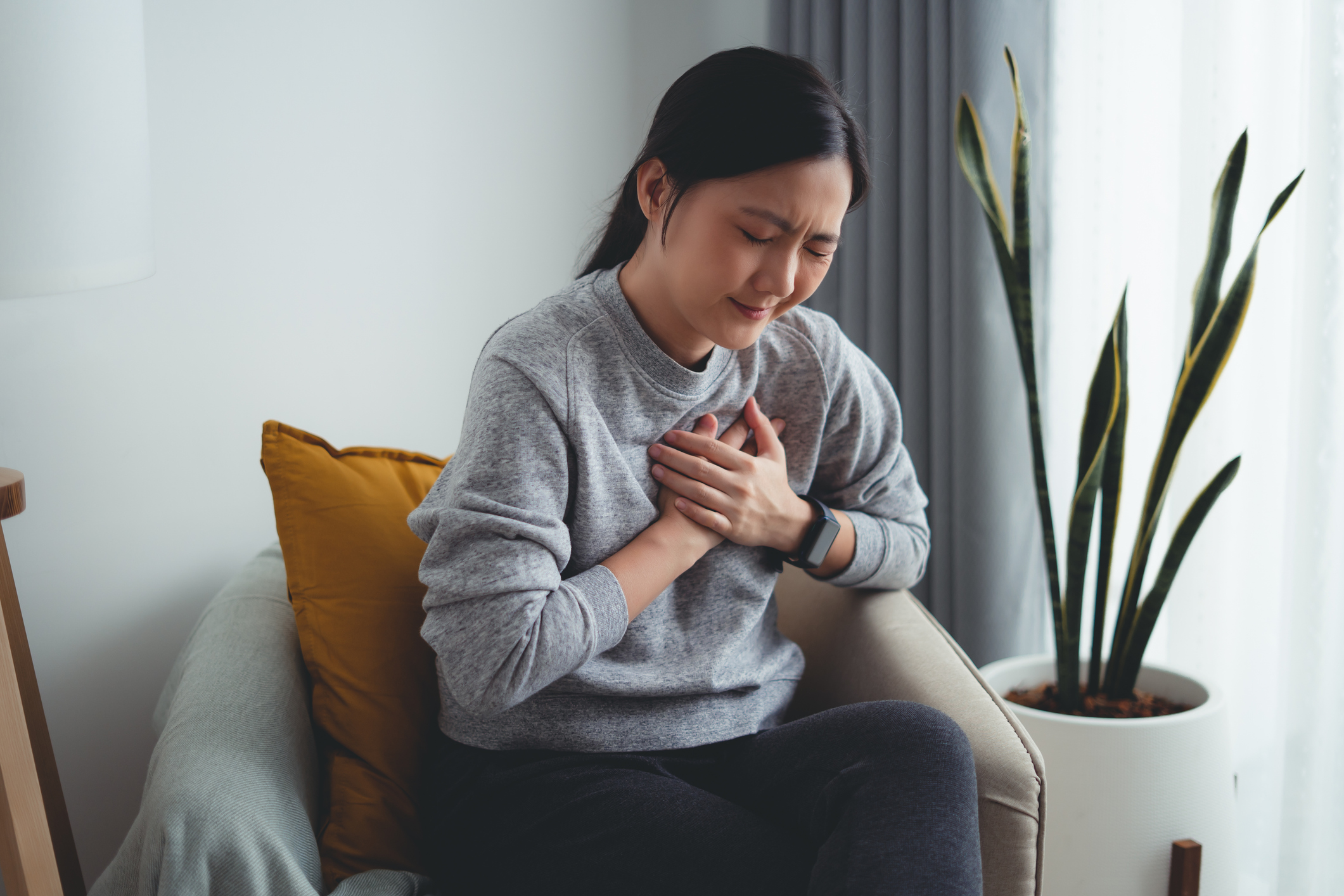
 Physical health and wellness are key to our overall well-being. Physical health is the condition of your body and how well it functions, from the strength of your heart and lungs to your ability to fight infection and move without pain.
Physical wellness is a proactive approach that emphasizes lifestyle choices that sustain energy, resilience, and functional capacity over a lifetime.
The tenets of physical health and wellness are important for keeping your body functioning properly. They include:
- Watching what you put into your body
- How much physical activity you get
- Maintaining a healthy weight
These tenets are positive health habits that can help you decrease your stress, lower your risk of disease, and increase your energy.
Here are some strategies to help you improve your physical health:
- Increase your physical activity
- Set specific goals for your physical activity
- Take the stairs instead of the elevator
- Take a walk on your lunch break
- Set an alarm to go off every hour as a reminder to move around for a minute or two
- Keep moving while watching TV
- Take an online exercise class
- Eat a healthy and nutritious diet
- Eat a variety of foods, such as fruits, vegetables, whole grains, beans, seeds, lean meat, seafood, eggs, milk, yogurt, and cheese
- Limit foods that are low in vitamins and minerals
- Cut down on sugar by choosing foods with little or no added sugar
- Get more fiber
- Replace saturated fats in your diet with unsaturated fats, such as olive, canola, or other vegetable oils instead of butter, meat fats, or shortening
- Avoid foods high in salt, such as canned, smoked, or processed foods. Choose fresh poultry, fish, and lean meat instead
- Choose more complex carbs such as starches and fiber, which can be found in whole-grain breads, cereals, starchy vegetables, and legumes
- Reach your weight loss goals and maintain a healthy weight
- Weigh yourself
- Calculate how many calories you need for your healthy goals
- Record your daily food intake and physical activity
- Set specific goals
- Choose healthy meals and physical activities you enjoy
- Plan activities with friends or family
- Be patient
- Build healthy habits
- Plan and identify unhealthy patterns, and set realistic goals
- Change your surroundings and find ways to make healthier choices by removing temptations
- Ask for support by finding family, friends, co-workers, neighbors, or support groups
- Speak with a mental health professional if you are experiencing severe depression, anxiety, or burnout
- Build muscle safely
- Start slowly, especially if you haven’t been active for a while
- Pay attention to your body when you experience exhaustion, sore joints, or muscle pains, which is a sign you are overdoing it
- Use small amounts of weight to start and add more weight slowly over time, while focusing on your form
- Use smooth, steady movements to lift weights into position, and don’t jerk or thrust weights
- Avoid locking your arm and leg joints in a straight position
- Don’t hold your breath during strength exercises
- Ask for help by looking for a group class at a local gym, recreation center, or find a trainer
- Combat age-related changes
- Commit to a healthy diet
- Drink plenty of fluids
- Move more
- Get plenty of sleep
- Limit alcohol use
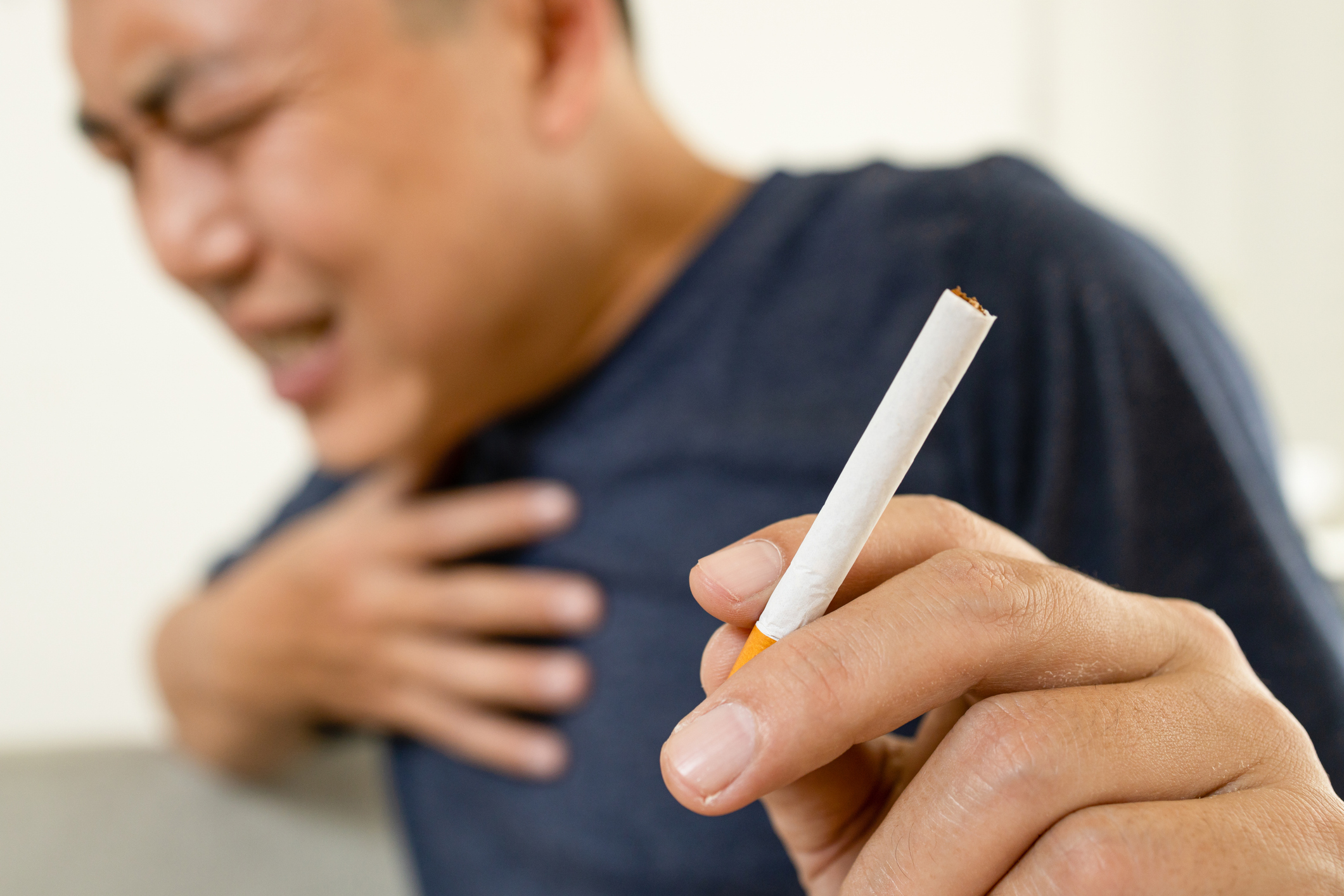
- Avoid tobacco products
- Visit the doctor regularly
If you would like to improve your physical health, or experience medical problems while doing so, you can schedule an appointment with a doctor at Flushing Hospital Medical Center’s Ambulatory Care Center. To schedule an appointment, please call (718) 670-5486.
All content of this newsletter is intended for general information purposes only and is not intended or implied to be a substitute for professional medical advice, diagnosis or treatment. Please consult a medical professional before adopting any of the suggestions on this page. You must never disregard professional medical advice or delay seeking medical treatment based upon any content of this newsletter. PROMPTLY CONSULT YOUR PHYSICIAN OR CALL 911 IF YOU BELIEVE YOU HAVE A MEDICAL EMERGENCY.