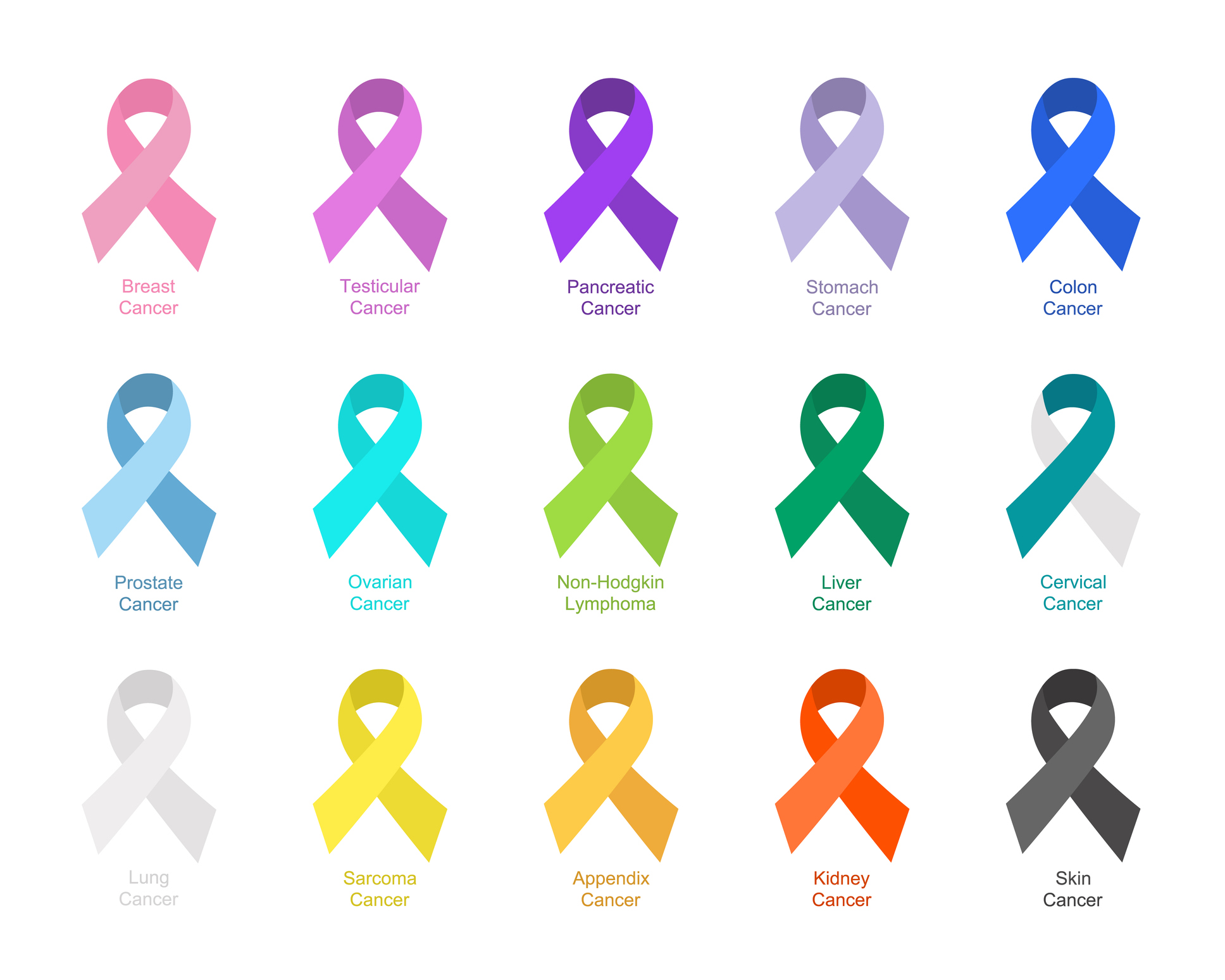
Cancer Prevention and Early Detection Month

April is Cancer Prevention and Early Detection Month, a month dedicated to reminding us about the importance of getting routine cancer screenings.  

According to the American Cancer Society, for 2026, 44% of the estimated 626,000 cancer deaths in the United States can potentially be prevented because they are attributable to modifiable risk factors, such as: 

  • Cigarette smoking 
  • Secondhand smoke exposure 
  • Excess body weight 
  • Heavy alcohol use 
  • Unhealthy diet 
  • Lack of physical activity 
  • Excess ultraviolet radiation exposure 
  • Cancer-associated infections 

Cancer Prevention and Early Detection Month aims to educate people about healthy habits and making simple changes that can make a huge difference, such as quitting smoking, eating nutritious foods, and staying physically active. Routine cancer screenings and vaccinations are also essential.  

Detecting cancer early means better outcomes for your health, such as more treatment options, which can help prevent cancer from spreading. These practices can also significantly lower cancer rates and improve survival chances for many individuals.  

Here are some ways to get involved in Cancer Prevention and Early Detection Month: 

  • Raising awareness 
  • Inspiring action 
  • Mobilizing resources 
  • Highlighting progress 

Cancer Prevention and Early Detection Month’s goal is to inspire everyone to be proactive and take steps towards a healthier lifestyle and get regular cancer screenings, which can reduce the chances of developing cancer considerably. 

Whether you need diagnostic testing or treatment, the MediSys Health Network Cancer Center offers unmatched Queens cancer care for any form of cancer. To schedule an appointment or learn more about our oncology department, please call 718-206-8263. 

All content of this newsletter is intended for general information purposes only and is not intended or implied to be a substitute for professional medical advice, diagnosis or treatment. Please consult a medical professional before adopting any of the suggestions on this page. You must never disregard professional medical advice or delay seeking medical treatment based upon any content of this newsletter. PROMPTLY CONSULT YOUR PHYSICIAN OR CALL 911 IF YOU BELIEVE YOU HAVE A MEDICAL EMERGENCY.

The Link between Alcohol and Cancer

The Office of the Surgeon General recently issued an advisory calling for updated warnings on alcoholic beverages, cautioning that the consumption of alcohol heightens the risk of several types of cancer.

The current labels on alcoholic beverages warn about drinking while pregnant, drinking while driving, and operating machinery, as well as other general “health risks”.  The Office of the Surgeon General noted that alcohol consumption contributes to approximately 100,000 cancer cases and 20,000 cancer-related deaths each year. Therefore, the public needs to be warned about the link between alcohol consumption and an increased risk of cancer.

Alcohol has been classified as a carcinogen “primarily due to its metabolite, acetaldehyde, which has the ability to bind to DNA and potentially cause mutations”, says Dr. Vasilis Vasiliou PhD, chair of the Department of Environmental Health Sciences and the Susan Dwight Bliss Professor of Epidemiology at the Yale School of Public Health. Acetaldehyde may also increase the risk of aerodigestive cancers, which are cancers that affect the upper respiratory and digestive tracts. Aerodigestive cancers include cancer of the lip, tongue, salivary glands, and other oral and nasal regions. “Furthermore, acetaldehyde may have a more pronounced effect on individuals with mutations in DNA-repair enzymes, such as BRCA1 and BRCA2. Mutations in these BRCA1 and BRCA2 enzymes can increase the risk of developing breast or ovarian cancer”, Dr. Vasiliou says.

Dr. Vasiliou acknowledges that the adverse effects of alcohol are significantly influenced by the dose-response relationship, which considers both the quantity of alcohol consumed daily and the duration of consumption over time. These factors, along with co-exposures to environmental contaminants, play a pivotal role in determining the severity of alcohol-related risks. Such interactions suggest that alcohol’s harmful effects cannot be fully understood in isolation but should instead be evaluated within the broader context of combined exposures to other environmental and lifestyle-related carcinogens.

Dr. Vasiliou offers this advice when it pertains to alcohol and its link to cancer:

  • Do not start drinking for health reasons
  • Limit consumption
  • Consider personal and family health risks
  • Seek non-alcoholic sources of antioxidants

Synergistic interactions with other environmental carcinogens and lifestyle factors influence the risk of cancer from alcohol consumption. Reducing alcohol intake, alongside minimizing exposure to other known carcinogens such as tobacco smoke, environmental pollutants, and chemical toxins, is a critical strategy for lowering overall cancer risk. Comprehensive prevention efforts should address not only alcohol consumption but also broader environmental and lifestyle factors.


All content of this newsletter is intended for general information purposes only and is not intended or implied to be a substitute for professional medical advice, diagnosis or treatment. Please consult a medical professional before adopting any of the suggestions on this page. You must never disregard professional medical advice or delay seeking medical treatment based upon any content of this newsletter. PROMPTLY CONSULT YOUR PHYSICIAN OR CALL 911 IF YOU BELIEVE YOU HAVE A MEDICAL EMERGENCY.

What Happens During a Skin Cancer Screening?

Skin cancer is the most common form of cancer in the United States, and approximately one in five Americans will develop skin cancer during their lifetime. Rates of skin cancers have also risen sharply over the past several decades. However, you can give yourself the best chance of an early diagnosis and successful treatment through a skin cancer screening.

Over 9,500 cases of skin cancer are diagnosed every day through physical screenings. If a form of skin cancer such as melanoma is caught early, the five-year survival rate is 99%, making successful treatment extremely likely.  This rate may fall dramatically as the disease progresses, however, reaching 68% when it reaches the lymph nodes and 30% once it metastasizes to other organs.

In many cases, symptoms of skin cancer may occur in seemingly normal skin, with only a low percentage developing from existing moles. In other cases, symptoms may not present at all. This can make it difficult for you to spot signs of skin cancer on your own, and even more important to get screened by a dermatologist on a regular basis.

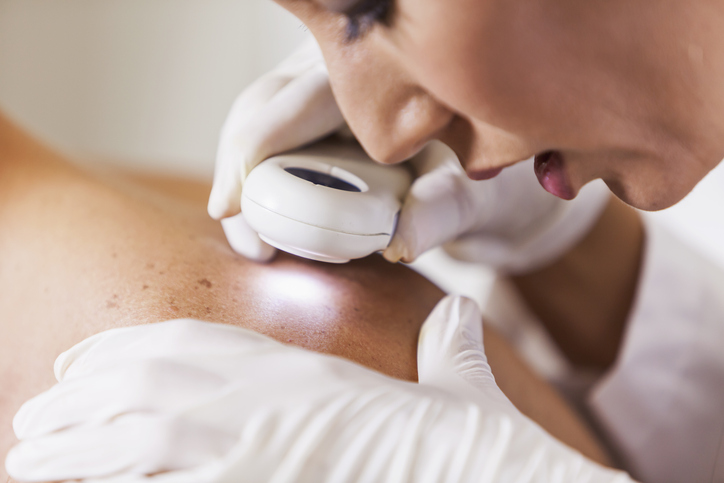
During a skin cancer screening, a dermatologist fully examines your skin from head to toe, checking for lesions or areas that appear abnormal. Irregular borders, multiple colors, and a size greater than six millimeters in diameter are a few of the indicators your doctor may look for, though these factors alone may not provide a sufficient basis for a diagnosis.

Your doctor may request a skin sample for a biopsy during your screening to examine certain skin cells more closely. Once your test results arrive, your doctor can provide a more definitive diagnosis.

It’s recommended that you get screened for skin cancer annually, or potentially more often if you’re at a high risk of developing it. You should also regularly check your own skin and take note of any marks or spots that appear different from their surrounding areas or cause sensations such as itching or pain. These spots should be pointed out to your doctor during a screening.

You can get a skin cancer screening at Flushing Hospital Medical Center’s Ambulatory Care Center. To schedule an appointment, please call 718-670-5486.

All content of this newsletter is intended for general information purposes only and is not intended or implied to be a substitute for professional medical advice, diagnosis or treatment. Please consult a medical professional before adopting any of the suggestions on this page. You must never disregard professional medical advice or delay seeking medical treatment based upon any content of this newsletter. PROMPTLY CONSULT YOUR PHYSICIAN OR CALL 911 IF YOU BELIEVE YOU HAVE A MEDICAL EMERGENCY.

February is National Cancer Prevention Month

February is National Cancer Prevention Month. During this time of month, Flushing Hospital urges everyone to adopt healthy lifestyle practices to reduce the likelihood of developing cancer.

ThinkstockPhotos-159290583According to the American Institute for Cancer Research (AICR) there are three factors that we have control over that affects our risk of developing this terrible disease. They are: What we eat, how active we are and how much we weigh. The AICR states that the best protection against cancer is to control all three.

Let’s look at them one at a time:

What We Eat
Choosing a diet consisting mostly of plant foods and limiting red meat and avoiding processed food is the best defense. Preparing meals focused around vegetables, fruits, whole grains and beans will help you fortify your body against cancer.

How Active We Are
Being physically active for at least 30 minutes each day. Participating in any number of physical activities can lower your risk for colon cancer and possibly several other cancers as well. To fit time in your schedule, try breaking activities into 10-15 minute sessions.

What We Weigh
It is the third key to help protect against as many as six different types of cancer. The good news is that once you start following the first two guidelines about diet and physical activity, you’ll find it easier to accomplish this one.

Flushing Hospital joins the American Institute of Cancer Research to bring awareness to how we can reduce our chances of getting cancer by altering our daily lives.

All content of this newsletter is intended for general information purposes only and is not intended or implied to be a substitute for professional medical advice, diagnosis or treatment. Please consult a medical professional before adopting any of the suggestions on this page. You must never disregard professional medical advice or delay seeking medical treatment based upon any content of this newsletter. PROMPTLY CONSULT YOUR PHYSICIAN OR CALL 911 IF YOU BELIEVE YOU HAVE A MEDICAL EMERGENCY.