
Preparing for Cold and Flu Season

As we enter the fall season and approach winter, it is important to be proactive and take the proper steps to protect yourself and loved ones from seasonal illnesses.

Here are some steps you can take to prepare for the upcoming cold and flu season:

  • Getting vaccines, such as the flu shot, can help your body’s immune system recognize and defend against a variety of viruses before you get infected. They can also reduce symptom severity if you do fall ill.
  • Practicing good hygiene habits can help reduce your exposure to germs and viruses. Some good hygiene habits you can practice include:
    • Washing your hands regularly, especially before eating and after using the restroom
    • Covering your mouth when you cough or sneeze, even if it is just seasonal allergies
    • Wiping down commonly used surfaces in your home, such as door handles, toilets, faucets, remotes, and other areas you and your loved ones may touch regularly
    • Avoiding sharing personal products and utensils with others
    • Wearing a mask to help reduce your exposure to respiratory illnesses
    • Limiting time in shared spaces, when you can, to help stop germs from spreading around your home
  • Taking care of yourself by protecting your immune system. Some ways you can protect your immune system include:
    • Getting a good night’s rest can help strengthen your body and immune system against illnesses
    • Adding vitamin-dense fruits and vegetables to your meals can help you maintain your energy and ward off viral and bacterial infections.
    • Staying hydrated, which can help loosen mucus and increase blood flow
    • Staying physically active can help your body build resistance and resilience against infectious diseases
    • Taking time to relax and manage stress is important to keep your immune system running at full capacity.

If you do start to feel under the weather, it is important to take quick action to protect your health and prevent the spread of illness to others. By following these simple steps, you can recover more comfortably and help keep you and your loved ones safe.

All content of this newsletter is intended for general information purposes only and is not intended or implied to be a substitute for professional medical advice, diagnosis or treatment. Please consult a medical professional before adopting any of the suggestions on this page. You must never disregard professional medical advice or delay seeking medical treatment based upon any content of this newsletter. PROMPTLY CONSULT YOUR PHYSICIAN OR CALL 911 IF YOU BELIEVE YOU HAVE A MEDICAL EMERGENCY.

The Importance of Getting Vaccinated During Cold and Flu Season

Flu season can be unpredictable, as it can begin as early as fall and can last until spring. Flu activity is usually at its peak during winter, and public healthcare professionals, advocates, and communities come together to promote flu vaccination as the flu can cause serious health complications, such as bacterial infections or pneumonia. If it isn’t treated in time, the flu can even lead to death. 

Vaccination is particularly important for people who are at higher risk of developing serious flu complications, including pregnant women and young children. Millions of children get sick with the flu every year, and thousands will be hospitalized as a result. Women are also at higher risk of developing serious flu complications during pregnancy.  

Since flu viruses are constantly changing and protection from vaccination decreases over time, getting a flu vaccine every year is the best way to reduce your risk of the flu. A flu vaccine is the only vaccine that protects against the flu and has been shown to reduce the risk of illness from the flu, hospitalization, and death.  

During flu season, we encourage everyone six months and older to get their annual flu vaccine, especially pregnant women, young children, and other people who are at a higher risk of developing serious flu complications. The more people who get vaccinated against the flu, the more people who will be protected from it. 

If you or a loved one would like to get the flu vaccine, you can visit Flushing Hospital Medical Center’s Ambulatory Care Center. To schedule an appointment, please call (718) 670-5486. 

All content of this newsletter is intended for general information purposes only and is not intended or implied to be a substitute for professional medical advice, diagnosis or treatment. Please consult a medical professional before adopting any of the suggestions on this page. You must never disregard professional medical advice or delay seeking medical treatment based upon any content of this newsletter. PROMPTLY CONSULT YOUR PHYSICIAN OR CALL 911 IF YOU BELIEVE YOU HAVE A MEDICAL EMERGENCY.
Flu Season Can Last Until May

Although we are approaching spring, it is important to keep in mind that flu season is not yet behind us and the flu virus remains a threat to our health.

According to the Centers for Disease Control and Prevention (CDC), “While flu season begins in the fall and continues through the winter, peak flu season comes between December and February, and can continue on into March.”  The agency also adds that flu season can last until May. The CDC is urging individuals to continue exercising steps to prevent the flu and protect their health throughout this period of time.

Here are a few measures you can take to prevent the flu:

  • Sanitize your hands
  • Cover your  nose and mouth when sneezing or coughing
  • Limit your contact with others
  • Do not share utensils or sanitize before sharing
  • Frequently disinfect areas that may be contaminated

The most important preventative measure you can take to reduce the risk of getting the flu is vaccination.  The CDC recommends that everyone six months and older get vaccinated. “Flu vaccination can reduce flu illnesses, doctors’ visits, and missed work and school due to flu, as well as prevent flu-related hospitalizations,” states the agency.

All content of this newsletter is intended for general information purposes only and is not intended or implied to be a substitute for professional medical advice, diagnosis or treatment. Please consult a medical professional before adopting any of the suggestions on this page. You must never disregard professional medical advice or delay seeking medical treatment based upon any content of this newsletter. PROMPTLY CONSULT YOUR PHYSICIAN OR CALL 911 IF YOU BELIEVE YOU HAVE A MEDICAL EMERGENCY.

When the Flu Becomes Deadly

This year’s flu season is severe. Not only are hospital emergency rooms receiving  people with the flu in record numbers but  there has also been reports of higher than average flu- related deaths.
Most people who get the flu will recover in five to seven days.  However, in some cases, the virus can cause complications that can be life threatening.
Some people are more at risk than others for developing serious flu-related illnesses; they include:
•Young children, usually under the age of two
•Older adults, typically over 65
•Women who are pregnant
•Cancer patients receiving chemotherapy
People who are immunocompromised and have chronic illnesses such as asthma, diabetes, HIV or AIDS and sickle cell anemia are especially at higher risk for developing life- threatening complications from the flu.
The flu can lead to secondary bacterial infections. This can cause pneumonia and other complications that become harder to treat due the immune system’s weakened state.
The key to treating the flu is to act quickly as soon as you begin to develop symptoms. For some people just staying home, getting bed rest, and staying hydrated will help them to recover. In more severe cases, it may be necessary to seek medical attention.
Your primary care physician will be best suited to diagnose you and to offer you treatment options. If you would like to schedule an appointment with a physician at Flushing Hospital, please call 718-670-5486.

All content of this newsletter is intended for general information purposes only and is not intended or implied to be a substitute for professional medical advice, diagnosis or treatment. Please consult a medical professional before adopting any of the suggestions on this page. You must never disregard professional medical advice or delay seeking medical treatment based upon any content of this newsletter. PROMPTLY CONSULT YOUR PHYSICIAN OR CALL 911 IF YOU BELIEVE YOU HAVE A MEDICAL EMERGENCY.

How Do You Keep Your Immune System Strong?

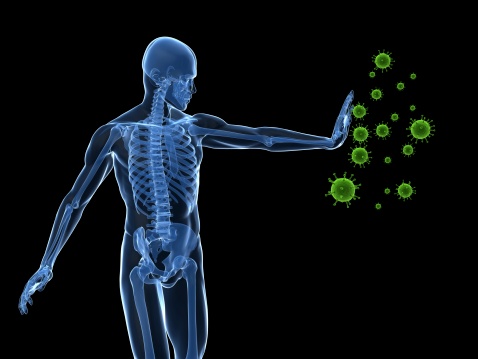
Our immune system protects our bodies from illness and infection. While having a strong immune system is important all year long, there are times of the year that its effectiveness is tested more than other.

body defense

With cold a flu season upon us, Flushing Hospital wants to offer some day-to-day lifestyle tips to avoid weakening your immune system and keep you healthy.

STRESS
Prolonged periods of intense stress can affect the immune system. Stress causes the brain to boost the production of hormones that weaken the function of the infection-fighting T cells. If you are experiencing high levels of stress, try to adopt stress-relieving activities to boost your immune system.

POOR SLEEP
Poor sleep is strongly associated with a weak immune system as it reduces the number of killer cells needed to fight germs. Recent research has suggested that the amount of flu-fighting antibodies produced was cut in half in those who were sleep deprived.

ALCOHOL
Excessive intake of alcohol may reduce the immune system’s response to invading pathogens because alcohol contains ingredients that impair lung functionality, making us more prone to viral or bacterial infections.

POOR DIET
Excessive consumption of refined sugars and highly processed food containing pesticides, chemical additives and preservatives can weaken the immune system. In addition, obesity can lead to a weakened immune system as it affects the ability of white blood cells to multiply, produce antibodies and prevent inflammation.

By adopting some healthy lifestyle practices and avoiding certain others, we can give our bodies the best chance of staving of illness this cold and flu season.

All content of this newsletter is intended for general information purposes only and is not intended or implied to be a substitute for professional medical advice, diagnosis or treatment. Please consult a medical professional before adopting any of the suggestions on this page. You must never disregard professional medical advice or delay seeking medical treatment based upon any content of this newsletter. PROMPTLY CONSULT YOUR PHYSICIAN OR CALL 911 IF YOU BELIEVE YOU HAVE A MEDICAL EMERGENCY.