Congratulations to the MediSys Health Network for Their Excellence in Stroke Care

The MediSys Health Network continues to demonstrate its unwavering dedication to providing high-quality stroke care. Jamaica Hospital Medical Center was recognized by the American Heart Association for its continued commitment to quality improvement across its cardiovascular and stroke service lines by awarding the hospital the 2025 AHA Commitment to Quality Award.

Additionally, Jamaica and Flushing Hospital received the American Heart Association’s 2025 Get With The Guidelines-Stroke Gold Plus with Honor Roll Elite and Target: Type 2 Diabetes Honor Roll Achievement Award.

Get With The Guidelines puts the expertise of the American Heart Association and American Stroke Association to work for hospitals nationwide, helping ensure patient care is aligned with the latest research and evidence-based guidelines. Get With The Guidelines – Stroke is an in-hospital program for improving stroke care by promoting consistent adherence to these guidelines, which can minimize the long-term effects of a stroke and even prevent death.

Both Jamaica Hospital and Flushing Hospital Medical Centers’ Departments of Prehospital Care have also received the American Heart Association’s Mission: Lifeline® EMS Gold achievement award for their commitment to offering rapid and research-based care to people experiencing the most severe form of heart attacks and strokes, ultimately saving lives.

Jamaica Hospital and Flushing Hospital Medical Centers’ Departments of Prehospital Care are honored to be recognized by the American Heart Association for our dedication to providing optimal care for heart attack patients. The Mission: Lifeline program puts proven knowledge and guidelines to work daily, so patients have the best possible chance of survival.

Congratulations to both hospitals on being recognized for these great achievements.


All content of this newsletter is intended for general information purposes only and is not intended or implied to be a substitute for professional medical advice, diagnosis or treatment. Please consult a medical professional before adopting any of the suggestions on this page. You must never disregard professional medical advice or delay seeking medical treatment based upon any content of this newsletter. PROMPTLY CONSULT YOUR PHYSICIAN OR CALL 911 IF YOU BELIEVE YOU HAVE A MEDICAL EMERGENCY.

National Stroke Awareness Month

May is National Stroke Awareness Month. It is observed to raise awareness about the prevention and treatment of strokes, supporting stroke survivors, and educating the public on the impact of this serious medical condition.

Strokes happen when a blood clot or broken blood vessel prevents blood from getting to your brain. The lack of blood flow deprives brain cells of the oxygen and nutrients they need to survive, causing them to die in minutes.

Stroke is the fifth leading cause of death and a leading cause of disability in the U.S. Stroke can happen to anyone, at any age, at any time, so it is important to know the warning signs. The warning signs of a stroke can be found using the B.E. F.A.S.T. acronym, which emphasizes the urgency of seeking immediate medical attention:

  • B- Balance- is the person experiencing a sudden loss of balance or coordination, or dizziness
  • E- Eyes- is the person experiencing sudden vision problems, like blurred or double vision, or vision loss in one or both eyes.
  • F- Face drooping- by asking the person to smile, you can tell immediately if one side of the face droops
  • A- Arm weakness- ask the person to raise both arms. Observe to see if one arm drifts lower than the other
  • S- Speech difficulty- slurred speech is a symptom of stroke. Ask the person to repeat a single sentence
  • T- Time to call 911- time may be the difference between life and death, or even partial and full recovery

There are several ways to get involved with National Stroke Awareness Month, including:

  • Educating yourself about the signs of stroke and sharing it with others
  • Participating in stroke awareness events
  • Advocating for legislation that improves stroke care, funds research, or enhances patient care recovery from strokes
  • Supporting survivors
  • Wearing purple

If you are experiencing any symptoms of a stroke, call 911 immediately. If you need assistance managing your health to prevent a stroke or maintaining your overall wellness, visit Flushing Hospital Medical Center’s Ambulatory Care Center. To schedule an appointment, please call (718) 670-5486.


All content of this newsletter is intended for general information purposes only and is not intended or implied to be a substitute for professional medical advice, diagnosis or treatment. Please consult a medical professional before adopting any of the suggestions on this page. You must never disregard professional medical advice or delay seeking medical treatment based upon any content of this newsletter. PROMPTLY CONSULT YOUR PHYSICIAN OR CALL 911 IF YOU BELIEVE YOU HAVE A MEDICAL EMERGENCY.

Stroke Treatment Options

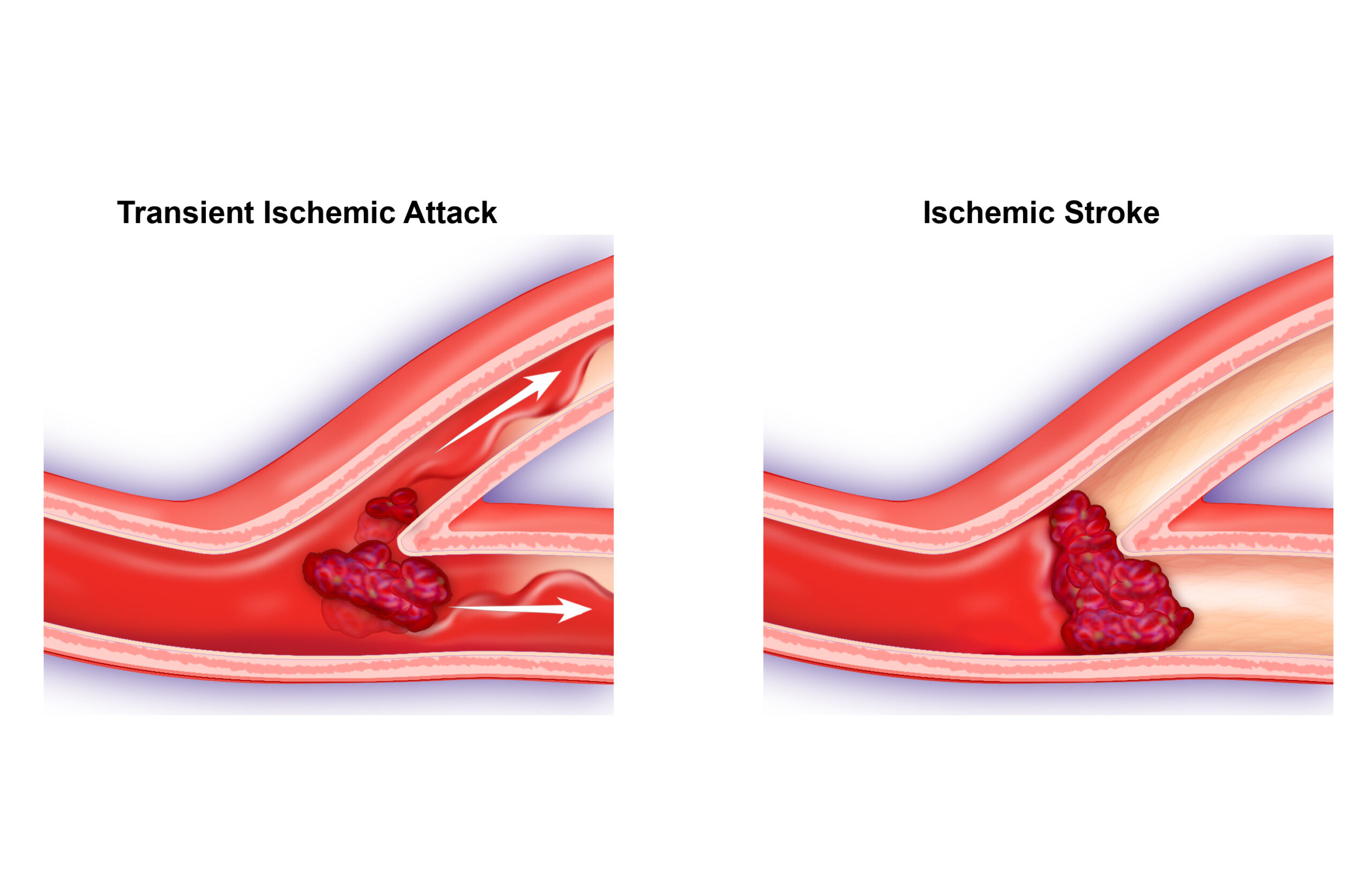
Strokes happen when a blood clot or broken blood vessel prevents blood from getting to your brain. The lack of blood flow deprives brain cells of the oxygen and nutrients they need to survive, causing them to die in minutes.

There are two types of strokes: ischemic and hemorrhagic.

Ischemic strokes usually happen because a blood clot blocks a blood vessel connected to your brain. Hemorrhagic strokes occur when a blood vessel in your brain breaks or ruptures.

Strokes can be fatal. Therefore, you must know the symptoms and pay attention to them when they occur. Symptoms of strokes include:

  • Trouble speaking and understanding what others are saying
  • Numbness, weakness, or paralysis in the face, arm, or leg
  • Problems seeing in one or both eyes
  • Headaches
  • Trouble walking
  • Confusion
  • Dizziness or vertigo
  • Blurred vision or double vision
  • Loss of coordination

Seek immediate medical attention if you notice any symptoms of a stroke, even if they seem to come and go or disappear completely.

To diagnose a stroke, a healthcare provider will use a combination of neurological exams and tests that include:

  • Blood tests
  • CT scan
  • Electroencephalogram (EEG)
  • Electrocardiogram (EKG)
  • MRI
  • Carotid ultrasound
  • Cerebral angiogram

Some treatments are most effective when given soon after a stroke starts. Emergency treatment depends on whether you’re having an ischemic or hemorrhagic stroke.

To treat an ischemic stroke, blood flow must quickly be restored to the brain. This can be done with:

  • Emergency IV medicine
  • Emergency endovascular procedures
    • Medications delivered directly to the brain
    • Removing the clot with a stent retriever
  • Other procedures, such as a carotid endarterectomy and angioplasty and stents

Emergency treatment of hemorrhagic stroke focuses on controlling the bleeding and reducing the pressure in the brain caused by excess fluid. If the area of bleeding is large, surgery may be needed to remove the blood and relieve pressure on the brain. Surgery may also be required to repair blood vessel damage due to the hemorrhagic stroke. A healthcare professional may recommend a procedure if an aneurysm, arteriovenous malformation (AVM), or other blood vessel condition caused the stroke. Procedures include:

  • Surgical clipping
  • Endovascular embolization, also known as coiling
  • Surgical removal of a tangle of thin-walled blood vessels, known as AVM
  • Stereotactic radiosurgery

Stroke rehabilitation is an important part of stroke treatment. Rehabilitation will help you adjust to changes in your brain and body after a stroke. You may need to regain abilities you had before or need to adjust to new or different disabilities. You may need a combination of:

  • Cognitive rehabilitation
  • Occupational therapy
  • Physical therapy
  • Speech therapy

Maintaining your overall health is the best way to reduce your risk of a stroke. Some ways you can sustain your overall health include the following:

  • Eating plenty of healthy foods and maintaining a healthy weight
  • Engaging in regular physical activity
  • Managing your blood pressure, cholesterol, and any health conditions you may have
  • Quitting smoking

If you are experiencing any symptoms of a stroke, call 911 immediately. If you need assistance managing your health to prevent a stroke or maintaining your overall wellness, visit Flushing Hospital Medical Center’s Ambulatory Care Center. To schedule an appointment, please call (718) 670-5486.

All content of this newsletter is intended for general information purposes only and is not intended or implied to be a substitute for professional medical advice, diagnosis or treatment. Please consult a medical professional before adopting any of the suggestions on this page. You must never disregard professional medical advice or delay seeking medical treatment based upon any content of this newsletter. PROMPTLY CONSULT YOUR PHYSICIAN OR CALL 911 IF YOU BELIEVE YOU HAVE A MEDICAL EMERGENCY.

Stroke Awareness Month

An image for National Stroke Awareness Month.May is Stroke Awareness Month. During this time, Flushing Hospital Medical Center is working to educate our community about important stroke facts that can help prevent stroke deaths and increase the likelihood of positive treatment outcomes for our patients.

When looking for warning signs of a stroke, it’s important to B.E.F.A.S.T. If someone you know is suddenly exhibiting the following signs, call 911 for help immediately:

B – Balance loss: A person experiencing a stroke might suddenly lose their balance. 

E – Eye problems: When someone experiences a stroke, they may experience temporary vision loss. 

F – Face drooping: If one side of the person’s face is drooping, ask them if their face feels numb and ask them to smile. You should be concerned if they are unable to smile or their smile is uneven.

A – Arm weakness: Does the individual’s arm feel numb or weak? Ask them to raise both arms and watch to see if one arm drifts downward.

S – Speech difficulty: If the person is trying to speak and they are difficult to understand or their speech is slurred, ask them to say a simple sentence repeatedly.

T – Time to call 911: You should never wait more than five minutes to call 911 if someone is displaying these warning signs.

A person experiencing a stroke may not experience all of these symptoms, or they may not all occur at the same time. Additionally, while these are some of the major warning signs to watch for, there are others that are important to recognize as they appear. Additional symptoms of a stroke can include:

  • Sudden confusion
  • Severe headaches
  • Blurred vision
  • Dizziness
  • Sudden loss of coordination

Stroke is one of the leading causes of death and long-term disability in the United States. Eighty percent of strokes are preventable; by spotting these warning signs and acting quickly, the severity of a stroke can be reduced drastically. Remember, don’t wait; if you believe someone you know is experiencing a stroke, call 911 immediately.

All content of this newsletter is intended for general information purposes only and is not intended or implied to be a substitute for professional medical advice, diagnosis or treatment. Please consult a medical professional before adopting any of the suggestions on this page. You must never disregard professional medical advice or delay seeking medical treatment based upon any content of this newsletter. PROMPTLY CONSULT YOUR PHYSICIAN OR CALL 911 IF YOU BELIEVE YOU HAVE A MEDICAL EMERGENCY.

What Does It Mean to “Die of Natural Causes?”

In the United States, the majority of deaths each year are recorded as having occurred due to “natural causes.” However, it may not always be clear what exactly this term means, particularly due to the fact that it does not point to a specific factor that led to a person’s death.

A death by natural causes is one that occurs solely due to internal factors (such as a disease) rather than external factors (such as a traumatic physical injury). Three of the most common ways it can occur include:

Heart disease: Although factors affected by lifestyle choices (such as a person’s weight, diet, and physical activity level) can contribute to the risk of developing heart disease, anyone can experience it at any age. This is because your risk is also tied to your genetics and family history of heart disease.

Cancer: While multiple people within the same family may experience cancer without it being the result of genetics, it can occur as a result of what is referred to as a “family cancer syndrome” (also known as “inherited cancer syndrome” or “genetic cancer syndrome”). This refers to an abnormal gene that can greatly increase the risk of certain forms of cancer. Family cancer syndrome accounts for approximately five to 10% of all types of cancer.

Stroke: You may experience a stroke due to various natural factors. Every 10 years after the age of 55, your risk of experiencing a stroke doubles. Additionally, death due to a stroke is more common among women of all ages than men. Strokes are also more common among people who are Black, Hispanic, Native American, or Native Alaskan, as well as people with certain genetic disorders such as sickle cell disease.

If you experience or have a family history of a chronic medical condition, get the treatment you need to prevent your symptoms from worsening. You can schedule an appointment with a medical specialist at Flushing Hospital Medical Center’s Ambulatory Care Center now by calling (718) 670-5486.

All content of this newsletter is intended for general information purposes only and is not intended or implied to be a substitute for professional medical advice, diagnosis or treatment. Please consult a medical professional before adopting any of the suggestions on this page. You must never disregard professional medical advice or delay seeking medical treatment based upon any content of this newsletter. PROMPTLY CONSULT YOUR PHYSICIAN OR CALL 911 IF YOU BELIEVE YOU HAVE A MEDICAL EMERGENCY.

Learning The Facts About Aphasia

Aphasia is a neurological condition that can affect your speech, as well as your ability to write and understand both spoken and written language.

Aphasia typically occurs after a stroke or a head injury, but it can also have a gradual onset as the result of a slow-growing brain tumor or a disease that causes degenerative damage. Sometimes temporary episodes of aphasia can occur. These can be due to migraines, seizures or a transient ischemic attack (TIA). A TIA occurs when blood flow is temporarily blocked to an area of the brain.

The severity of aphasia varies depending on the cause and the extent of the brain damage.

Some of the symptoms of aphasia include:

  • Speaking in short or incomplete sentences
  • Speaking in sentences that don’t make sense
  • Substituting one word for another or one sound for another
  • Using unrecognizable words
  • Not understanding conversations
  • Writing sentences that don’t make sense

Aphasia can create numerous quality-of-life problems because communication is so much a part of your life. Communication difficulty may affect your job, relationships, and general day-to-day functionality.  Communication difficulties can also lead to feelings of shame and depression.

Once the cause has been addressed, the main treatment for aphasia is speech and language therapy. The person with aphasia relearns and practices language skills and learns to use other ways to communicate. Family members often participate in the process, helping the person communicate.

Because aphasia is often a sign of a serious problem, such as a stroke, seek emergency medical care if you suddenly develop any symptoms.

All content of this newsletter is intended for general information purposes only and is not intended or implied to be a substitute for professional medical advice, diagnosis or treatment. Please consult a medical professional before adopting any of the suggestions on this page. You must never disregard professional medical advice or delay seeking medical treatment based upon any content of this newsletter. PROMPTLY CONSULT YOUR PHYSICIAN OR CALL 911 IF YOU BELIEVE YOU HAVE A MEDICAL EMERGENCY.

Learning More About Visceral Fat

We all have some percentage of body fat on our bodies. In fact, it is healthy to have some body fat, but it’s also important to understand that not all fat is created equal. Visceral fat, or “active” fat is a type of fat that can be very harmful to your health.

Visceral fat is a type of body fat that’s stored within the abdominal cavity and is therefore stored around multiple important internal organs, including the:

  • liver
  • stomach
  • intestines

Visceral fat is sometimes referred to as ‘active fat’ because research has shown that this type of fat plays a distinctive and potentially dangerous role affecting how our hormones function.

The higher the amount of visceral fat a person stores, the more at risk they are for certain health complications, such as type 2 diabetes and heart disease.  It can also lead to an increased likelihood of developing breast or colorectal cancer, Alzheimer’s disease, or stroke.

While imaging tests such as an MRI and CT scan can determine how much visceral fat someone is carrying, often a doctor can conclude if someone has too much visceral fat through learning more about their patient’s diet and lifestyle, calculate their overall body fat or simply measuring their waist, (a woman whose waist measures 35 inches or more is likely to have excess visceral fat. The same is true of a man whose waist measures 40 inches or more). A person’s visceral fat could range from anywhere between 1 and 59, but ideally it should be under 13.

The dangers of storing excess visceral fat can be extreme and immediate, so it is essential to make diet and lifestyle changes as soon as possible as losing weight can help a person reduce their levels of visceral fat.

Ways to decrease visceral fat includes incorporating a combination of cardiovascular exercise, such as running, cycling, swimming and strength training, which can include pushups or squats.  In addition, you should follow a healthy diet that is high in lean proteins, fruits, and vegetables. Limiting stress levels can also reduce visceral fat.

If you believe you may have a high amount of visceral fat, make an appointment to speak with your doctor immediately so they can help you develop a plan to reduce it.

To make an appointment at Flushing Hospitals’ Ambulatory Care Center, please call 718-670-5486.

All content of this newsletter is intended for general information purposes only and is not intended or implied to be a substitute for professional medical advice, diagnosis or treatment. Please consult a medical professional before adopting any of the suggestions on this page. You must never disregard professional medical advice or delay seeking medical treatment based upon any content of this newsletter. PROMPTLY CONSULT YOUR PHYSICIAN OR CALL 911 IF YOU BELIEVE YOU HAVE A MEDICAL EMERGENCY.

What Are Tremors And Why Do They Occur?

A tremor is an involuntary, rhythmic muscle contraction that results in shaking movements in one or more parts of the body. They most commonly affect the hands but can also occur in the arms, head, vocal cords or legs. Tremors can come and go, but they can also be constant. They can take place without reason or occur as a result of another disorder.  While they are not life threatening, tremors can be debilitating, making it very difficult to perform many daily tasks.

tremor, Flushing Hospital, Parkinson's Disease, Traumatic Brain Injury

Tremors are usually caused by a problem in the parts of the brain that control movement. Tremors typically appear in middle aged to older adults. They affect men and women equally and can run in families.

Tremors can occur on their own or be a symptom associated with a number of neurological disorders, including:

  • Multiple sclerosis
  • Stroke
  • Traumatic brain injury
  • Parkinson’s disease

Others reasons why someone may experience tremors include: a reaction to medications, alcohol abuse, anxiety disorders, mercury poisoning,  an overactive thyroid, or liver or kidney failure. Some tremors may be triggered by or worsen during times of stress or strong emotion, when an individual is physically exhausted, or when a person is in certain postures or makes certain movements.

Tremors are classified into two main categories, resting or action;  a resting tremor occurs when a person’s hands, arms, or legs shake when they are at rest. Often, the tremor only affects the hand or fingers and is often seen in people with Parkinson’s disease.  An action tremor occurs with the voluntary movement of a muscle. Most types of tremors are considered action tremors.

A neurologist can diagnose a tremor during an physical examination and medical history based on:

  • Whether tremors occur when the muscles are at rest or in action
  • The location of the tremor on the body
  • The frequency and severity of the tremor.

Your doctor will also check for other neurological abnormalities such as impaired balance or speech, or increased muscle stiffness. Blood or urine tests can rule out a thyroid malfunction, medication interaction or alcohol abuse as a cause. A CT Scan or MRI may be performed to determine if the tremor is the result of a brain injury and motor skill assessments can administered to determine functional limitations.

Although there is no cure for most forms of tremors, treatment options are available to help manage symptoms. In some cases, a person’s symptoms may be mild enough that they do not require treatment. In other cases, treating the underlying cause can reduce or eliminate the tremor. If no known cause is determined, medications, focused ultrasound, or surgery may be considered as treatment options.

To make an appointment with a doctor at Flushing Hospital’s Ambulatory Care Center, please call 718-670-5486

All content of this newsletter is intended for general information purposes only and is not intended or implied to be a substitute for professional medical advice, diagnosis or treatment. Please consult a medical professional before adopting any of the suggestions on this page. You must never disregard professional medical advice or delay seeking medical treatment based upon any content of this newsletter. PROMPTLY CONSULT YOUR PHYSICIAN OR CALL 911 IF YOU BELIEVE YOU HAVE A MEDICAL EMERGENCY.

Is There a Sale on Your Health? Try Walking the Mall for Exercise

We all know that regular physical activity is important to our overall health, especially for seniors.

Did you know walking is a great way for older adults to remain active?

Seniors who commit to taking a brisk walk each day may be at a lower risk of:

  • Heart Disease
  • Stroke
  • Type 2 diabetes
  • Breast and colon cancers
  • Depression
  • Anxiety
  • Insomnia

With the onset of colder months upon us, how can older adults continue their walking routine and remain active?

The Centers for Disease Control and Prevention (CDC) suggests that in the colder months, you can utilize indoor malls for your brisk walk.  Malls can be pedestrian friendly, they are climate-controlled, are well lit, have benches for resting, fountains for hydrating, restrooms, as well as security guards and cameras for safety.

For more information on mall walking programs and for other walking resources visit the CDC’s Mall Walking: A program Resource Guide at –

So get yourself a comfortable pair of walking shoes, hit the mall and improve your health!

All content of this newsletter is intended for general information purposes only and is not intended or implied to be a substitute for professional medical advice, diagnosis or treatment. Please consult a medical professional before adopting any of the suggestions on this page. You must never disregard professional medical advice or delay seeking medical treatment based upon any content of this newsletter. PROMPTLY CONSULT YOUR PHYSICIAN OR CALL 911 IF YOU BELIEVE YOU HAVE A MEDICAL EMERGENCY.

Don’t Sweat The Small Stuff, You Might Have A Stroke

Stress is a well-recognized risk factor for heart attack, but a new discovery is linking stress to strokes as well. A recent study published in the Journal of Neurology, Neurosurgery and Psychiatry suggests that people who are impatient, aggressive, or naturally hostile may be more likely to have a stroke, compared to their more laid-back counterparts.

Can stress cause a stroke? The short answer is yes, chronic, long-term stress can eventually lead to a stroke. Do you live with chronic, long-term stress? If so, your risk of stroke increases four-fold, according to WebMD. Now there is more incentive to heed the advice, “don’t sweat the small stuff.”

Researchers who conducted a study on the effects of stress and stroke measured chronic stress in 5 major areas:

  • Personal health problems
  • Health problems in others close to the patient
  • Job or ability to work
  • Relationships
  • Finances

Use this list to assess where your chronic stress is coming from.

Knowing the signs of a stroke is important and could prevent long-term effects if caught in time. Warning signs of a stroke can be remembered by the acronym “FAST”.

Face – Ask the person to smile. Does one side droop?

Arms – Ask the person to raise both arms. Does one arm drift downward?

Speech – Ask the person to repeat a simple phrase. Is their speech slurred or strange?

Time – If you observe any of these signs, call 9-1-1 immediately.

Stroke is the fifth leading cause of death in the United States.  Almost 800,000 people have a stroke in the United States each year and it is responsible for approximately 130,000 deaths.

Flushing Hospital was recognized by the American Heart Association and the American Stroke Association for its Gold Plus level of participation in the “Get With The Guidelines Stroke and Target Stroke Program.”

If you would like to schedule an appointment with a physician at Flushing Hospital, please call 718-670-5486.

All content of this newsletter is intended for general information purposes only and is not intended or implied to be a substitute for professional medical advice, diagnosis or treatment. Please consult a medical professional before adopting any of the suggestions on this page. You must never disregard professional medical advice or delay seeking medical treatment based upon any content of this newsletter. PROMPTLY CONSULT YOUR PHYSICIAN OR CALL 911 IF YOU BELIEVE YOU HAVE A MEDICAL EMERGENCY.