What Is A Stress Test?

A stress or stress exercise test shows how the heart works during physical activity. Exercise makes the heart pump harder and faster. A stress test can determine how well your heart responds when working its hardest.

Your healthcare provider may recommend a stress test if you have symptoms of coronary artery disease, congenital heart disease, congestive heart failure, heart valve disease, hypertrophic cardiomyopathy, or an irregular heart rhythm.

A stress test typically involves walking on a treadmill or pedaling on a stationary bike while hooked up to an EKG to monitor your heart’s activity. Healthcare providers assess your response to the increased workload by measuring:

  • Blood pressure
  • Heart rate
  • Oxygen levels
  • Electrical activity in your heart

A stress test can also be used to learn:

  • How well your heart pumps blood
  • Whether your heart is receiving an adequate supply of blood
  • How you perform during physical activity compared with other people your age and sex
  • If your symptoms (chest discomfort, shortness of breath, feeling like your heart is racing, or dizziness) can be reproduced while performing physical activity

Having a stress test makes it easier to identify and evaluate certain heart issues, such as:

  • Issues with your heart muscle and valves
  • Electric stability of your heart at rest and during exercise

The stress test results help your healthcare provider plan or change your treatment. If the test shows that your heart is working well, you may not need more tests. If the test suggests you might have coronary artery disease, you may need a coronary angiogram, which helps see blockages in the heart arteries.

If the results are satisfactory, but your symptoms worsen, your healthcare provider might recommend more testing.

To schedule an appointment with a Flushing Hospital Medical Center healthcare provider, please call 718-670-5486.

All content of this newsletter is intended for general information purposes only and is not intended or implied to be a substitute for professional medical advice, diagnosis or treatment. Please consult a medical professional before adopting any of the suggestions on this page. You must never disregard professional medical advice or delay seeking medical treatment based upon any content of this newsletter. PROMPTLY CONSULT YOUR PHYSICIAN OR CALL 911 IF YOU BELIEVE YOU HAVE A MEDICAL EMERGENCY.
Smoking And Cardiovascular Disease

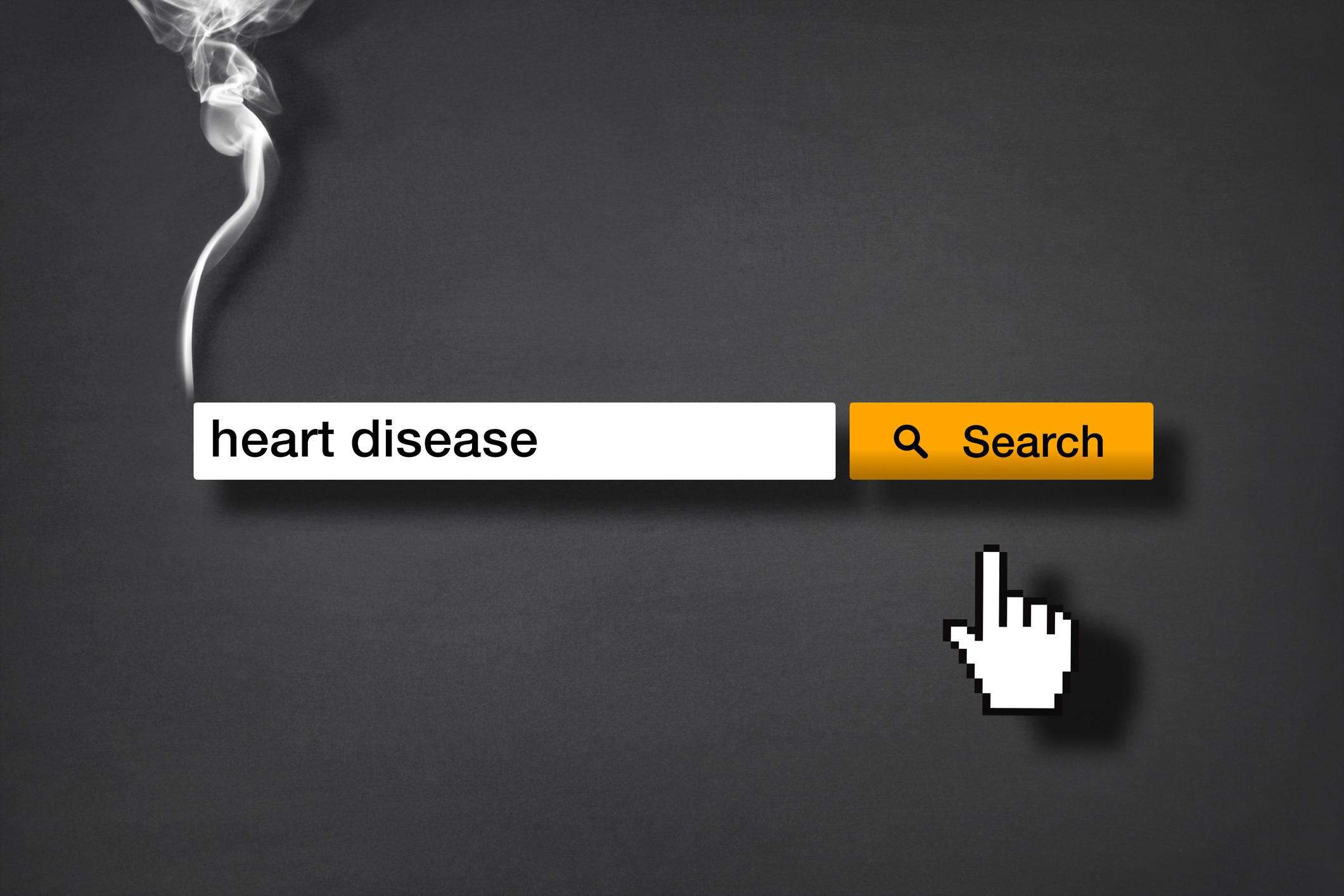
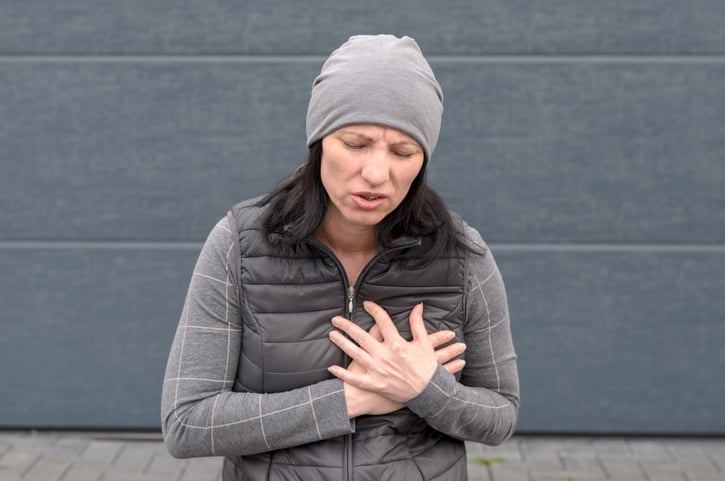
Smoking tobacco products can lead to adverse effects on our cardiovascular health; it is a primary risk factor for cardiovascular disease (CVD), which is the leading cause of death in the United States.

The chemicals inhaled when smoking cigarettes can affect the way our cardiovascular systems function in several ways.  This includes:

  • Damaging blood vessels
  • Causing the thickening and narrowing of blood vessels
  • Causing a rise in blood pressure
  • Causing an increase in heart rate
  • Increasing the risk of blood clots
  • Creating a buildup of plaque in the arteries
  • Reducing the supply of oxygen used by the body
  • Reducing the HDL or good cholesterol in the body

Furthermore, smoking tobacco can lead to the development of life-threatening cardiovascular complications such as:

  • Stroke
  • Peripheral Arterial Disease
  • Abdominal Aortic Aneurysm
  • Atherosclerosis
  • Heart Attack

Smoking is the most preventable risk factor for cardiovascular disease and complications caused by CVD.   You can protect and improve your heart health by quitting smoking.   Studies show that smokers can reduce their risk for cardiovascular disease immediately after quitting.  Additionally, the risk for heart attack greatly decreases one year after quitting smoking, and within five years of quitting, a smoker can reduce the risk for stroke.

Flushing Hospital Medical Center’s smoking cessation team wants to help you develop a plan leading to your “quit day”. Flushing Hospital has partnered with the American Lung Association to bring you Freedom from Smoking, a comprehensive and successful group-based smoking cessation program.

For more information about smoking cessation programs or to register for our program, call: 718 206 8494

All content of this newsletter is intended for general information purposes only and is not intended or implied to be a substitute for professional medical advice, diagnosis or treatment. Please consult a medical professional before adopting any of the suggestions on this page. You must never disregard professional medical advice or delay seeking medical treatment based upon any content of this newsletter. PROMPTLY CONSULT YOUR PHYSICIAN OR CALL 911 IF YOU BELIEVE YOU HAVE A MEDICAL EMERGENCY.

How To Stay Heart Healthy in the Winter

When asked which season has the highest incidence of cardiovascular problems, most wouldn’t guess the winter, but it is true, especially in cities like New York City, which are known for harsh weather conditions.

One of the main reasons for this is our blood vessels constrict in the cold weather. This happens because our bodies work hard to protect vital organs such as our brain and lungs from extreme conditions by preserving blood flow. As a result, our heart has to beat harder and faster to supply the rest of the body with the oxygen it needs.  As your heart rate and blood pressure increase, you raise your risk of blood clots, stroke, and heart attack.

Another factor for increasing our risk of developing cardiovascular disease in the winter is our diet. Both the quality and quantity of food we consume can have a significant role in our heart health during any time of the year, but it is especially important during cold weather months because to digest a heavy meal requires increased blood flow to the stomach, which, for previously stated reasons, can be difficult due to blood vessel constriction.

In addition to cold weather, the winter also brings with it an increased risk of contracting the influenza (flu) virus.  Flu season typically is most prevalent during the winter months and fighting it (as well as other viruses) can place an increased amount of stress on the heart and can drain the body of its energy.  For those with an already weakened heart, such as the elderly or those with a weakened immune system, this can be very dangerous.

Loneliness and depression have also been linked to an increased risk of heart attack by as much as 30%.  The development and maintaining of social relationships is never more difficult than during the winter months due to a variety of factors. One major factor is the weather. The frigid conditions limit the ability to attend social events. In addition, the days are shorter and darker in the winter, which can also increase the likelihood of depression.

Lastly, the winter weather can also limit an individual’s ability to properly maintain their health.  This can include interfering with a person’s ability to exercise regularly as well as allowing them access to critical healthcare resources, such as seeing their provider when they aren’t feeling well or refilling their medications. Failure to do so can have harmful effects on someone’s heart health.

Recognizing the increased heart health risk factors in the winter and taking steps to address them are vital to staying healthy in the winter. This includes making sure to avoid very cold temperatures and dressing warm, eating a heart healthy diet, getting your flu shot, maintaining social relationships, and closely monitoring your health, including seeing your doctor regularly and adhering to your medications.

To make an appointment with a physician at Flushing Hospital Medical Center, please call our Ambulatory Care Center at 718-670-5486.

All content of this newsletter is intended for general information purposes only and is not intended or implied to be a substitute for professional medical advice, diagnosis or treatment. Please consult a medical professional before adopting any of the suggestions on this page. You must never disregard professional medical advice or delay seeking medical treatment based upon any content of this newsletter. PROMPTLY CONSULT YOUR PHYSICIAN OR CALL 911 IF YOU BELIEVE YOU HAVE A MEDICAL EMERGENCY.

Holiday Heart Syndrome

200371290-001

Holiday Heart Syndrome, coined in 1978, is a real syndrome in which the heart’s vulnerability to certain arrhythmias is increased by excessive alcohol ingestion (binge drinking) and the onset of a heart rhythm disturbance in people who are otherwise healthy.

The most frequently seen arrhythmia during the holiday season is atrial fibrillation, in which the top chambers of the heart quiver or fibrillate causing the heart to beat irregular and often quite fast.

Excessive alcohol intake in women is defined as consuming seven or more drinks per week or over three doses at one time.  For men, heavy consumption is defined as over 14 drinks per week or over four drinks at one time by the U.S. Department of health and Human Service.

Alcohol alone does not fully explain Holiday Heart Syndrome.  There are other risk factors for atrial fibrillation that are higher around the holidays such as:

  • Overeating
  • Stress
  • High levels of sodium consumption
  • Dehydration

Everyone has some degree of stress in their lives.  Health concerns, family and relationship issues, financial problems can all cause stress which can ultimately affect your health; the idea of “letting go” at a holiday event and consuming more alcohol than usual as a way to forget the present may have a negative effect on your future.

If you have any heart symptoms, it is best to seek medical attention immediately; even if your symptoms appear ON a holiday.

All content of this newsletter is intended for general information purposes only and is not intended or implied to be a substitute for professional medical advice, diagnosis or treatment. Please consult a medical professional before adopting any of the suggestions on this page. You must never disregard professional medical advice or delay seeking medical treatment based upon any content of this newsletter. PROMPTLY CONSULT YOUR PHYSICIAN OR CALL 911 IF YOU BELIEVE YOU HAVE A MEDICAL EMERGENCY.

Top Men’s Health Issues

It is no secret that men are less vigilant about receiving healthcare than women. In fact a report from the Centers for Disease Control and Prevention (CDC) indicates that men in the United States are 80% less likely than women to visit their doctor’s office regularly and schedule routine medical screenings.

There are several reasons given as to why men steer clear of the doctor’s office and delay treatment-some are, “there is probably nothing wrong” or “I’d rather tough it out.”  This laid-back approach to health care can unfortunately result in shorter or less healthy lives for men, if medical conditions go untreated. The good news is that many of the leading threats to men’s health are preventable and treatable if detected early. Here are few chronic health conditions that affect men the most:


  1. Cardiovascular disease also known as heart disease is one of the leading health risks facing men today. According to the American Heart Association (AHA), more than one in three adult men has heart disease. Although it may seem that something so serious should have warning signs, one may be developing heart disease without knowing it. Luckily, there are many lifestyle changes that can be made to ward off heart disease, such as not smoking, following a heart-smart diet, and being physically active.


  1. Lung cancer is one of the few cancers that can often be prevented simply by not smoking. Men who are at high risk for developing lung cancer may want to talk to a health care provider about quitting smoking- if they are smokers and getting yearly low-dose CT scans to test for early lung cancer.


  1. Prostate cancer is typically found in men over the age of 65. The chance of getting prostate cancer increases as a man gets older. For reasons that are still unknown, African American men are more likely to develop prostate cancer than other races. Men with a family history of prostate cancer are at a high risk for developing the disease.


  1. Type 2 Diabetes is the most common type of diabetes found in men. It affects approximately 95% of the 13 million men with the disease in the United States. Type 2 diabetes affects the body’s ability to use insulin properly. This can elevate sugar levels and cause damage to the body over time.


The first step to staying healthy is educating yourself, and then taking the necessary precautions to reduce your risk. It is equally as important to develop a relationship with your healthcare provider.  Your doctor can create a health care plan to screen, diagnose and treat diseases that you may at be risk for developing.

To schedule an appointment with a primary care physician, please call the Ambulatory Care Center at Flushing Hospital at 718-670-5486.

For more hospital events, highlights, health and  fitness tips, visit us on 

and follow us on Twitter  !

All content of this newsletter is intended for general information purposes only and is not intended or implied to be a substitute for professional medical advice, diagnosis or treatment. Please consult a medical professional before adopting any of the suggestions on this page. You must never disregard professional medical advice or delay seeking medical treatment based upon any content of this newsletter. PROMPTLY CONSULT YOUR PHYSICIAN OR CALL 911 IF YOU BELIEVE YOU HAVE A MEDICAL EMERGENCY.