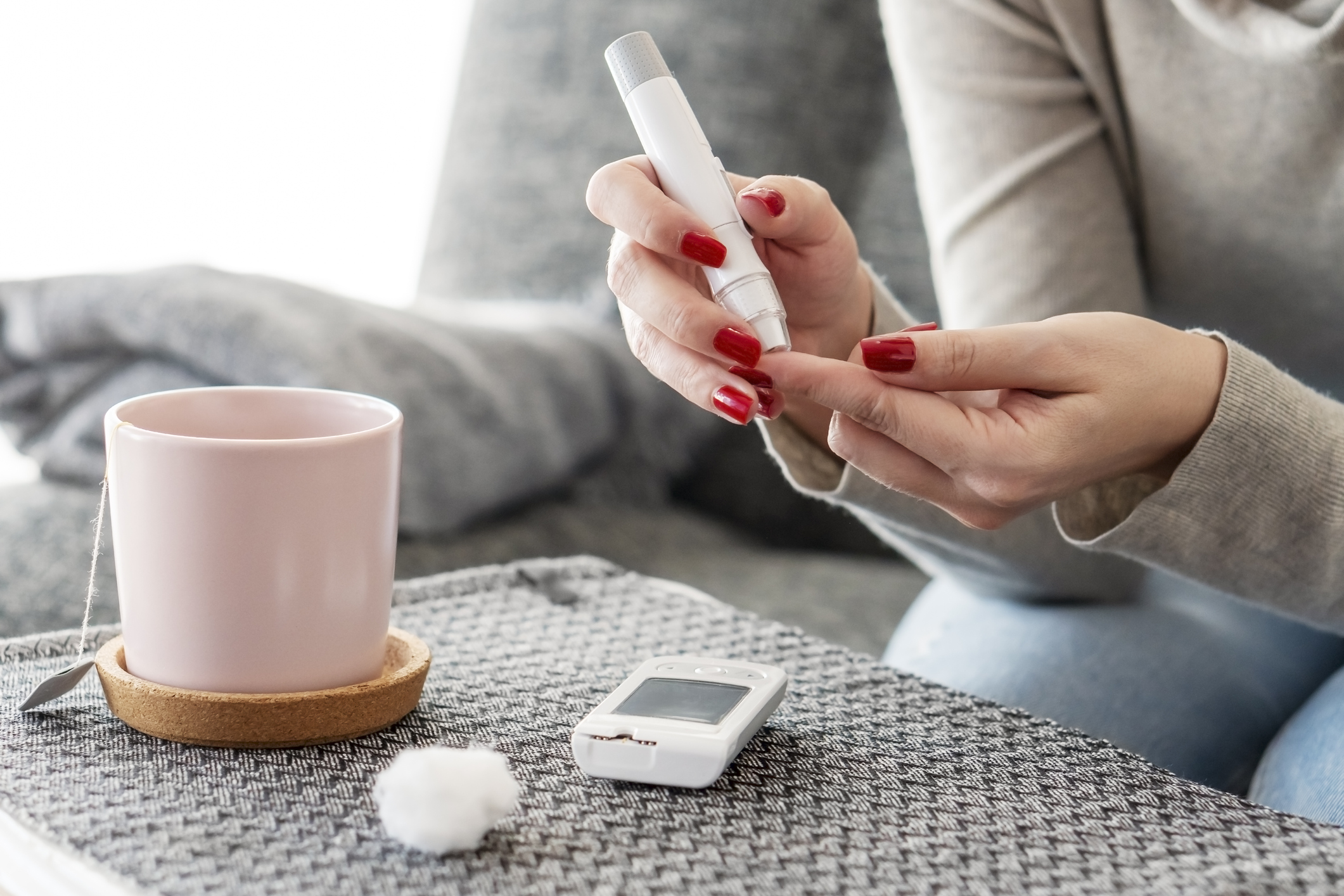
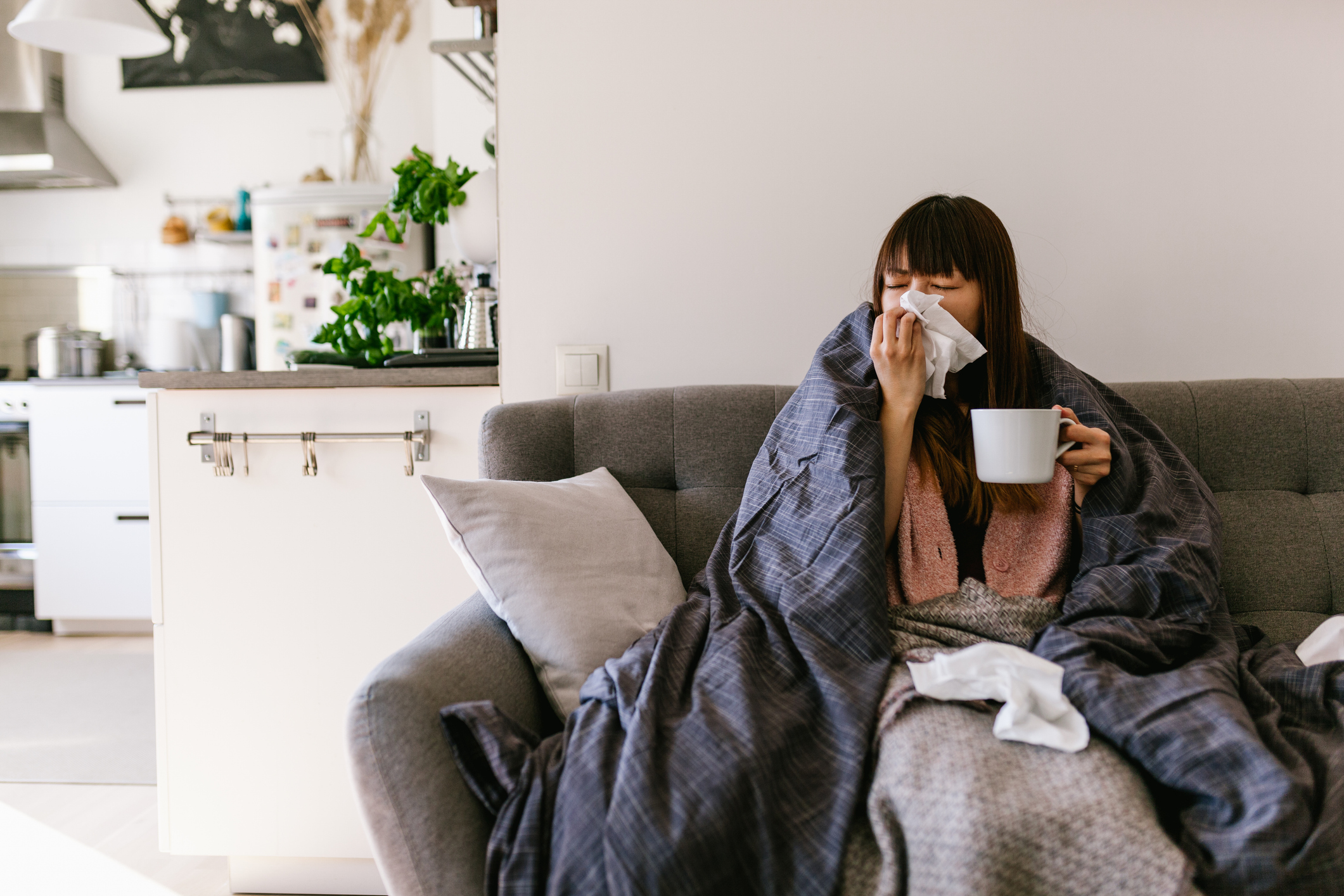
 As we enter the fall season and approach winter, it is important to be proactive and take the proper steps to protect yourself and loved ones from seasonal illnesses.
Here are some steps you can take to prepare for the upcoming cold and flu season:
- Getting vaccines, such as the flu shot, can help your body’s immune system recognize and defend against a variety of viruses before you get infected. They can also reduce symptom severity if you do fall ill.
- Practicing good hygiene habits can help reduce your exposure to germs and viruses. Some good hygiene habits you can practice include:
- Washing your hands regularly, especially before eating and after using the restroom
- Covering your mouth when you cough or sneeze, even if it is just seasonal allergies
- Wiping down commonly used surfaces in your home, such as door handles, toilets, faucets, remotes, and other areas you and your loved ones may touch regularly
- Avoiding sharing personal products and utensils with others
- Wearing a mask to help reduce your exposure to respiratory illnesses
- Limiting time in shared spaces, when you can, to help stop germs from spreading around your home
- Taking care of yourself by protecting your immune system. Some ways you can protect your immune system include:
- Getting a good night’s rest can help strengthen your body and immune system against illnesses
- Adding vitamin-dense fruits and vegetables to your meals can help you maintain your energy and ward off viral and bacterial infections.
- Staying hydrated, which can help loosen mucus and increase blood flow
- Staying physically active can help your body build resistance and resilience against infectious diseases
- Taking time to relax and manage stress is important to keep your immune system running at full capacity.
If you do start to feel under the weather, it is important to take quick action to protect your health and prevent the spread of illness to others. By following these simple steps, you can recover more comfortably and help keep you and your loved ones safe.
All content of this newsletter is intended for general information purposes only and is not intended or implied to be a substitute for professional medical advice, diagnosis or treatment. Please consult a medical professional before adopting any of the suggestions on this page. You must never disregard professional medical advice or delay seeking medical treatment based upon any content of this newsletter. PROMPTLY CONSULT YOUR PHYSICIAN OR CALL 911 IF YOU BELIEVE YOU HAVE A MEDICAL EMERGENCY.