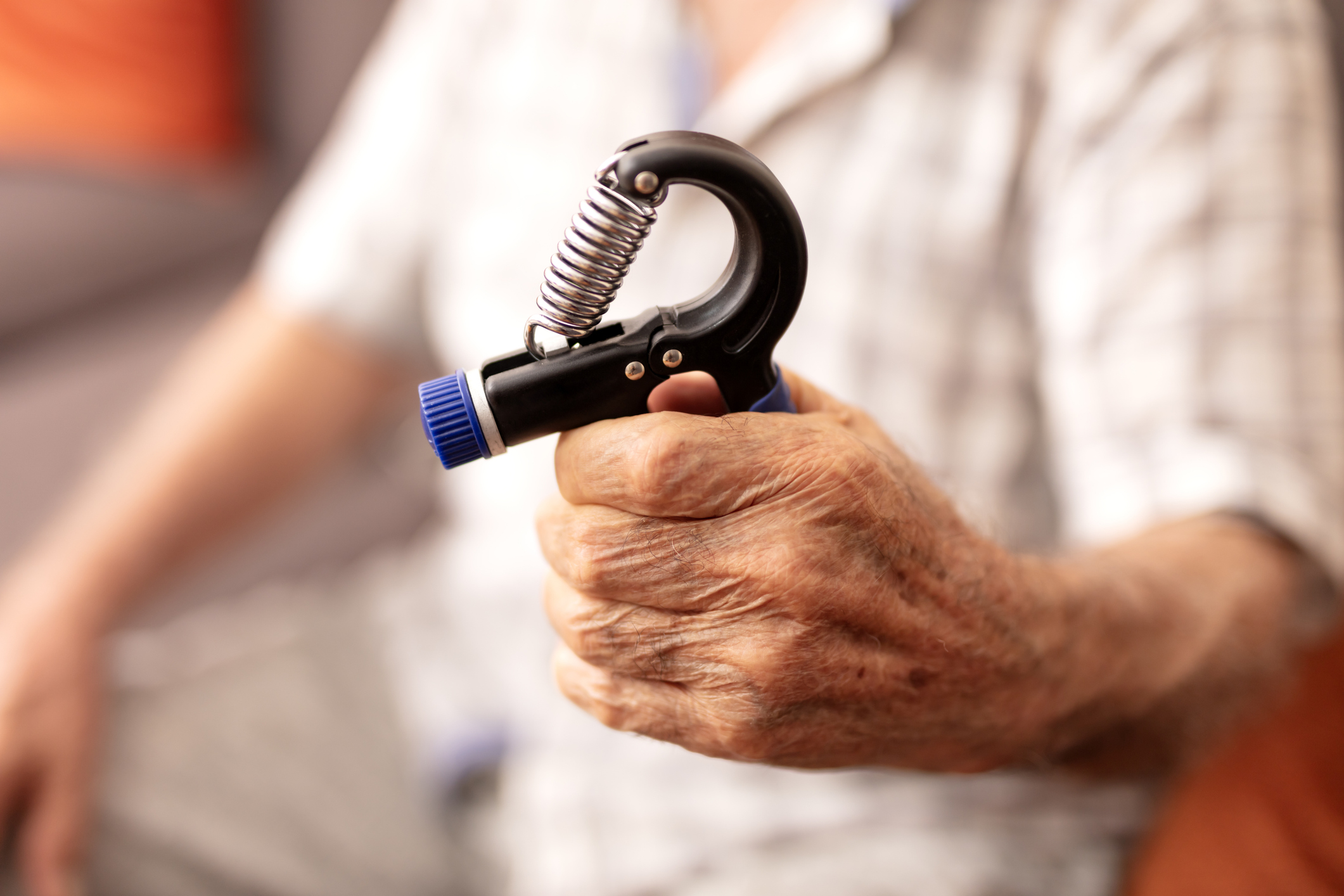
Home Devices to Help with Rheumatoid Arthritis

Rheumatoid arthritis is a chronic inflammatory disorder that affects more than just the joints. This condition can damage several of the body’s systems, including the skin, eyes, lungs, heart, and blood vessels, causing symptoms, including: 

  • Pain  
  • Swelling  
  • Tenderness in more than one joint 
  • Joint stiffness 
  • Fatigue 
  • Weakness 
  • Fever  

Treatment for rheumatoid arthritis helps maintain or improve joint function, as its most important goal is to reduce joint pain and swelling. Treatment options include: 

  • Medications, such as disease-modifying antirheumatic drugs (DMARDs), non-steroidal anti-inflammatory drugs (NSAIDs), and corticosteroids  
  • Physical or occupational therapy 
  • In cases of severely damaged joints, surgery, such as knee replacement, hip replacement, and other surgeries that correct a deformed joint.   

A healthcare provider may also suggest rheumatoid arthritis-friendly gadgets or assistive devices, which can be found at a pharmacy or medical supply store, online, or at home, which can help ease the strain on your joints, help make daily tasks easier, and help you regain your independence, such as: 

  • Assistive devices that help you when getting dressed: 
    • Long-handled shoehorns   
    • Slide-in shoes 
    • Sock aids, which help you put on and remove your socks 
    • Clothes fasteners  
    • Long-handled combs with a coated grip  
    • Pull-on or front-closure bras 
    • Bracelet buddies 
    • Elastic-waisted pants 
    • Elastic shoelaces 
  • Assistive devices for personal care: 
    • Electric toothbrushes and flossers  
    • Easy-open medication bottles 
    • Soap and shampoo pump bottles 
    • Wash mitts  
    • Shower safety aids, such as a handlebar or a stool 
    • Blow dryer holder 
    • Cosmetic tools with longer, fatter handles and silicone or foam grips  
  • Assistive devices to help you in the kitchen: 
    • Lightweight two-handled pots and pans  
    • Adaptive utensils  
    • Wash mitts 
    • Jar and bottle openers 
    • Rocking T knives  
    • Milk carton holders  
    • Automatic vegetable peelers  
    • Grabbers  
  • Assistive devices for shopping: 
    • Motorized shopping carts  
    • Grabbers 
    • Reusable shopping bags  
  • Assistive devices for driving: 
    • Steering wheel grips 
    • Key holders 
    • Beaded seat covers 
    • Panoramic or wide-angle rear and side-view mirrors  
    • Seatbelt extenders  
    • Handybars  
  • Assistive devices for hobbies and leisure activities: 
    • Padded fingerless gloves 
    • Easy action scissors 
    • Playing card holders  
    • Bookrest pillows  
    • A grippy cellphone case and PopSockets  
  • Assistive devices for walking: 
    • Wheelchairs and electric scooters 
    • Canes and walkers 
    • Knee braces and splints 
  • Assistive devices for work: 
    • Ergonomic desk and chair 
    • Adaptive computer equipment 
    • Pens and pencils with a wider grip 
    • Headset or earbuds 
    • Speech-to-text 

Rheumatoid arthritis symptoms can affect even the simplest daily tasks. Utilizing assistive devices can help improve the quality of life for those suffering from this disorder. 

If you or a loved one is experiencing symptoms of rheumatoid arthritis, you can receive treatment at Flushing Hospital Medical Center’s Ambulatory Care Center. To schedule an appointment, please call (718) 670-5486. 

All content of this newsletter is intended for general information purposes only and is not intended or implied to be a substitute for professional medical advice, diagnosis or treatment. Please consult a medical professional before adopting any of the suggestions on this page. You must never disregard professional medical advice or delay seeking medical treatment based upon any content of this newsletter. PROMPTLY CONSULT YOUR PHYSICIAN OR CALL 911 IF YOU BELIEVE YOU HAVE A MEDICAL EMERGENCY.

How Can Stress Affect Rheumatoid Arthritis?

Stress is a common trigger for rheumatoid arthritis flare-ups, during which symptoms such as pain, swelling, and joint stiffness worsen for a temporary period of time. The factor most closely linked to the onset of flare-ups is the inflammatory response of your immune system to stress. Inflammation is the primary means by which rheumatoid arthritis damages your joints over time.

Once a flare-up has been triggered, your arthritis symptoms may contribute to the amount of stress you experience, creating a cycle that causes both issues to worsen over time and disrupts daily activities and movement.

There are certain steps you can take to manage your stress levels and reduce the frequency of your rheumatoid arthritis flare-ups. These include:

Following a regular exercise routine: Regular physical exercise can be significantly helpful for both stress reduction and increased joint mobility. Your routine should include strength exercises, cardio, and stretching to improve flexibility and reduce your chances of injury.

Targeting work-related stress: Twenty-five percent of Americans report that their workplace is the number one cause of stress in their lives. Make sure to pace yourself with periodic breaks throughout your work day, take time to move around and stretch, and make a point of tackling any specific problems that are stressing you out (such as a delayed project or a dispute with a coworker) directly in a calm, reasoned way.

Talking to a doctor: If you experience symptoms of rheumatoid arthritis, you should work with a rheumatologist to manage your physical symptoms and find the most effective treatment approach for you. Additionally, if you experience chronic stress, you should work with a psychiatrist to determine the root causes and the best way to approach them.

You can schedule an appointment with a rheumatologist at Flushing Hospital Medical Center’s Ambulatory Care Center by calling (718) 670-5486. You can also find a psychiatrist at our Outpatient Psychiatric Clinic by calling (718) 670-5562.

All content of this newsletter is intended for general information purposes only and is not intended or implied to be a substitute for professional medical advice, diagnosis or treatment. Please consult a medical professional before adopting any of the suggestions on this page. You must never disregard professional medical advice or delay seeking medical treatment based upon any content of this newsletter. PROMPTLY CONSULT YOUR PHYSICIAN OR CALL 911 IF YOU BELIEVE YOU HAVE A MEDICAL EMERGENCY.

Rheumatoid Arthritis and Lung Disease

Rheumatoid arthritis (RA) is an autoimmune and inflammatory disease that primarily attacks joints.

Although RA mostly causes damage to joints, it can also affect other parts of the body such as the lungs.

Lung problems that can occur as a result of RA include:

  • Bronchiectasis (Damage to the airways)
  • Interstitial lung disease (Inflammation and scarring of lung tissue)
  • Pleural disease (Buildup of fluid in the chest cavity)
  • Lung nodules (Small growths or lumps in the lungs)
  • Pulmonary hypertension (High blood pressure in the lungs)

The symptoms of rheumatoid lung disease vary but may include:

  • Shortness of breath
  • Dry cough
  • Fatigue
  • Weakness
  • Fever

According to the Arthritis Foundation, “The risk of developing lung disease is eight times higher in people with RA than in the general population.”  Other risk factors for rheumatoid lung disease are:

  • Smoking
  • Age (People diagnosed with RA after the age of 60 are at greater risk)
  • Sex (Men are more likely to develop rheumatoid lung disease than women)
  • High RA disease activity
  • Undertreated RA

The cause of lung disease associated with RA is unknown; however, there are several things you can do to protect lung health.  Here are a few:

  • Receive early treatment for rheumatoid arthritis
  • Avoid smoking or secondhand smoke
  • Exercise regularly
  • Avoid toxic fumes
  • Get the flu and pneumonia vaccine

If you are experiencing breathing problems or symptoms associated with rheumatoid lung disease, contact your doctor.

To schedule an appointment with a doctor at Flushing Hospital Medical Center, please call 718-670-5486.


All content of this newsletter is intended for general information purposes only and is not intended or implied to be a substitute for professional medical advice, diagnosis or treatment. Please consult a medical professional before adopting any of the suggestions on this page. You must never disregard professional medical advice or delay seeking medical treatment based upon any content of this newsletter. PROMPTLY CONSULT YOUR PHYSICIAN OR CALL 911 IF YOU BELIEVE YOU HAVE A MEDICAL EMERGENCY.

Rheumatoid Arthritis: Foods To Avoid

An estimated 1.3 million people living in the United States have been diagnosed with Rheumatoid Arthritis (RA), an autoimmune inflammatory disease that attacks the tissues around the joints.

There are many treatments available to help those diagnosed lead a healthy life. Additionally, eating a balanced diet void of certain inflammatory foods prove beneficial in helping to control RA.

Here is a list of foods that individuals living with RA are advised to avoid or limit:

  • Grilled, broiled, or fried meats
  • Organ meat, such as liver
  • Fried food
  • Foods that include preservatives or flavor enhancers
  • Sugars and refined carbohydrates
  • Fatty foods that are full of omega-6 fatty acids
  • Alcohol
  • Dairy

If you or a loved one either has or is at risk of developing rheumatoid arthritis, please speak to your doctor immediately about treatment options. To make an appointment at Flushing Hospital Medical Center’s Ambulatory Care Center, please call 718-670-5486.

All content of this newsletter is intended for general information purposes only and is not intended or implied to be a substitute for professional medical advice, diagnosis or treatment. Please consult a medical professional before adopting any of the suggestions on this page. You must never disregard professional medical advice or delay seeking medical treatment based upon any content of this newsletter. PROMPTLY CONSULT YOUR PHYSICIAN OR CALL 911 IF YOU BELIEVE YOU HAVE A MEDICAL EMERGENCY.