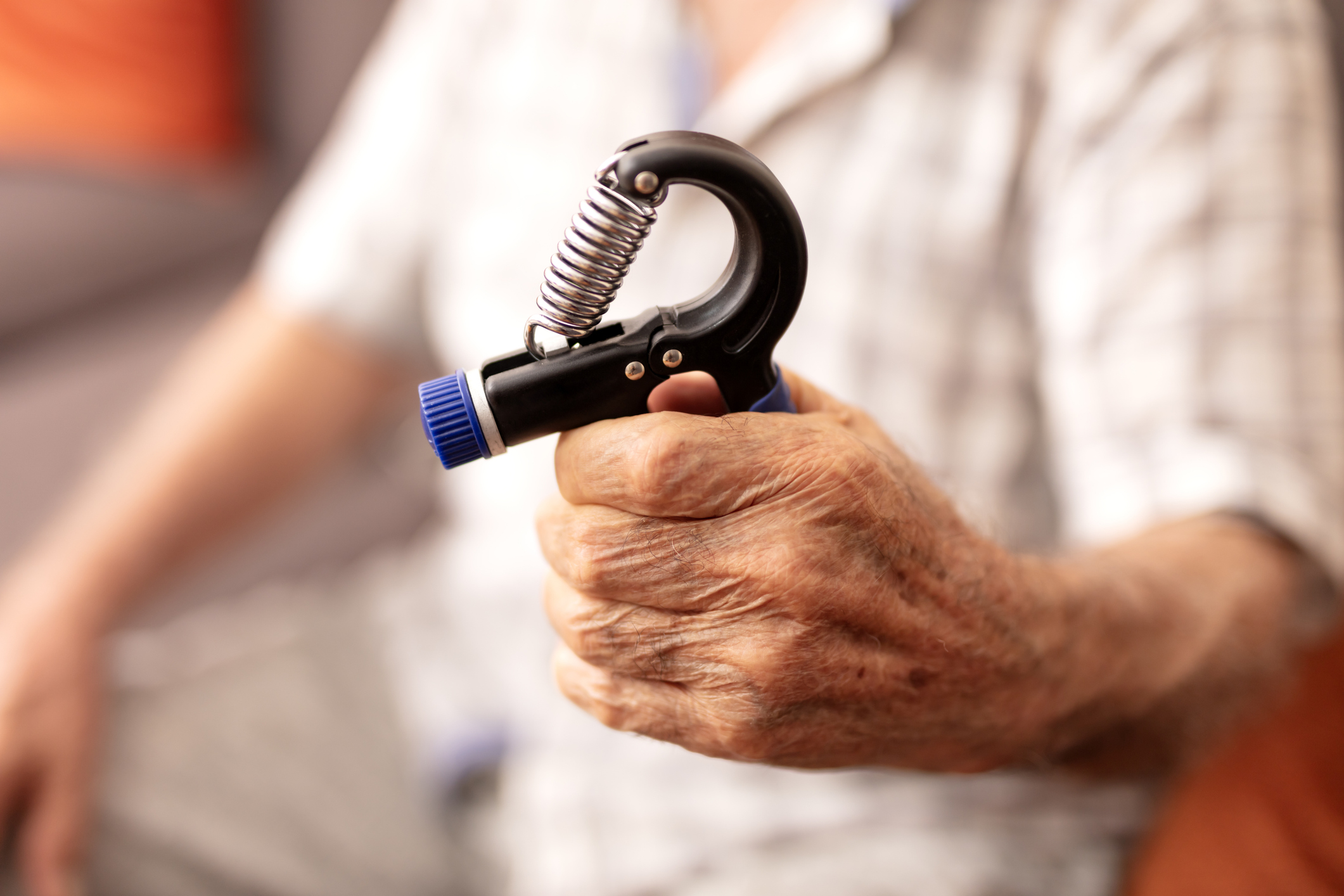
 Rheumatoid arthritis is a chronic inflammatory disorder that affects more than just the joints. This condition can damage several of the body’s systems, including the skin, eyes, lungs, heart, and blood vessels, causing symptoms, including:
- Pain
- Swelling
- Tenderness in more than one joint
- Joint stiffness
- Fatigue
- Weakness
- Fever
Treatment for rheumatoid arthritis helps maintain or improve joint function, as its most important goal is to reduce joint pain and swelling. Treatment options include:
- Medications, such as disease-modifying antirheumatic drugs (DMARDs), non-steroidal anti-inflammatory drugs (NSAIDs), and corticosteroids
- Physical or occupational therapy
- In cases of severely damaged joints, surgery, such as knee replacement, hip replacement, and other surgeries that correct a deformed joint.
A healthcare provider may also suggest rheumatoid arthritis-friendly gadgets or assistive devices, which can be found at a pharmacy or medical supply store, online, or at home, which can help ease the strain on your joints, help make daily tasks easier, and help you regain your independence, such as:
- Assistive devices that help you when getting dressed:
-
- Long-handled shoehorns
-
- Slide-in shoes
-
- Sock aids, which help you put on and remove your socks
-
- Clothes fasteners
-
- Long-handled combs with a coated grip
-
- Pull-on or front-closure bras
-
- Bracelet buddies
-
- Elastic-waisted pants
-
- Elastic shoelaces
- Assistive devices for personal care:
-
- Electric toothbrushes and flossers
-
- Easy-open medication bottles
-
- Soap and shampoo pump bottles
-
- Wash mitts
-
- Shower safety aids, such as a handlebar or a stool
-
- Blow dryer holder
-
- Cosmetic tools with longer, fatter handles and silicone or foam grips
- Assistive devices to help you in the kitchen:
-
- Lightweight two-handled pots and pans
-
- Adaptive utensils
-
- Wash mitts
-
- Jar and bottle openers
-
- Rocking T knives
-
- Milk carton holders
-
- Automatic vegetable peelers
-
- Grabbers
- Assistive devices for shopping:
-
- Motorized shopping carts
-
- Grabbers
-
- Reusable shopping bags
- Assistive devices for driving:
-
- Steering wheel grips
-
- Key holders
-
- Beaded seat covers
-
- Panoramic or wide-angle rear and side-view mirrors
-
- Seatbelt extenders
-
- Handybars
- Assistive devices for hobbies and leisure activities:
-
- Padded fingerless gloves
-
- Easy action scissors
-
- Playing card holders
-
- Bookrest pillows
-
- A grippy cellphone case and PopSockets
- Assistive devices for walking:
-
- Wheelchairs and electric scooters
-
- Canes and walkers
-
- Knee braces and splints
- Assistive devices for work:
-
- Ergonomic desk and chair
-
- Adaptive computer equipment
-
- Pens and pencils with a wider grip
-
- Headset or earbuds
-
- Speech-to-text
Rheumatoid arthritis symptoms can affect even the simplest daily tasks. Utilizing assistive devices can help improve the quality of life for those suffering from this disorder.
If you or a loved one is experiencing symptoms of rheumatoid arthritis, you can receive treatment at Flushing Hospital Medical Center’s Ambulatory Care Center. To schedule an appointment, please call (718) 670-5486.
All content of this newsletter is intended for general information purposes only and is not intended or implied to be a substitute for professional medical advice, diagnosis or treatment. Please consult a medical professional before adopting any of the suggestions on this page. You must never disregard professional medical advice or delay seeking medical treatment based upon any content of this newsletter. PROMPTLY CONSULT YOUR PHYSICIAN OR CALL 911 IF YOU BELIEVE YOU HAVE A MEDICAL EMERGENCY.