
Sore Throat Vs. Strep Throat

A sore throat and strep throat may feel similar. However, they are not the same thing.

Most sore throats are caused by viruses, such as the common cold virus, and will go away in about a week or so. A sore throat can also stem from a bacterial infection. When this occurs, it is known as strep throat, which is caused by an infection from the group A Streptococcus bacterium. Symptoms of strep throat will last much longer than those caused by viral infections

Allergies, a dry environment, and smoking or exposure to secondhand smoke can also cause sore throats.

When you have a sore throat, the inside of your mouth, throat, and lymph nodes around the neck and head become inflamed and swollen. You may also notice that the inside of your mouth appears to be red from the inflammation. Other symptoms of a sore throat include:

  • Dryness
  • Hoarseness
  • Painful swallowing
  • Scratchy feeling in the throat

Symptoms of strep throat, on the other hand, can seem similar; however, the difference is that there are tiny red spots called petechiae on the roof of your mouth or white patches on your tonsils, which are the usual signs of a strep throat infection. Other symptoms of strep throat include:

  • Painful swallowing
  • Swollen lymph nodes and/or tonsils
  • Fever
  • Headache
  • Loss of appetite
  • Nausea
  • Rash
  • Stomach pain

There are many ways to relieve the pain caused by a sore throat, including:

  • Gargling with salt water
  • Hot tea
  • Honey
  • Taking over-the-counter pain relievers such as acetaminophen
  • Ice chips or popsicles
  • Using a humidifier to add cool mist to the air
  • Getting plenty of rest
  • Drinking plenty of water
  • Lozenges

It is important to note that you should never give honey to children under one year old or lozenges to children under the age of four.

The same treatments used for a normal sore throat can be used to soothe a sore throat caused by a strep throat infection. However, the best treatment for strep throat is prescribed antibiotics as they are necessary to effectively treat a strep throat infection and prevent complications.

If you or a loved one is experiencing symptoms of a sore throat, you can receive treatment at Flushing Hospital Medical Center’s Ambulatory Care Center. To schedule an appointment, please call (718) 670-5486.

All content of this newsletter is intended for general information purposes only and is not intended or implied to be a substitute for professional medical advice, diagnosis or treatment. Please consult a medical professional before adopting any of the suggestions on this page. You must never disregard professional medical advice or delay seeking medical treatment based upon any content of this newsletter. PROMPTLY CONSULT YOUR PHYSICIAN OR CALL 911 IF YOU BELIEVE YOU HAVE A MEDICAL EMERGENCY.

Heart Stent

When a coronary artery becomes narrow, it is due to the buildup of plaque. When this occurs, it may reduce blood flow to the heart and cause symptoms such as chest pain.

If a clot forms in a narrow coronary artery, it completely blocks blood flow and causes a heart attack. This is when a heart stent is used. A heart stent is a tiny, flexible wire-mesh tube that helps keep a coronary artery open, increasing blood flow to the heart.

A heart stent is used when a coronary artery is about 70% blocked. Using a stent improves blood flow to the heart and relieves chest pain. Most stents are permanent and help to reduce the risk of a heart attack.

There are many types of stents used to keep the coronary arteries open. They include:

· Bare metal stents

· Biodegradable stents

· Drug-eluting stents

When a stent is placed in a coronary artery, it is done through a minimally invasive procedure called angioplasty or percutaneous coronary intervention (PCI). During this procedure, a healthcare provider will insert a thin, flexible tube called a catheter in the heart’s blood vessels. The catheter has a balloon at the tip, which will be inflated to open the narrowed coronary artery and allow placement of the stent. After the procedure, a healthcare provider will prescribe blood thinners to prevent blood clots from blocking the artery again.

It is important to watch out for complications after getting a heart stent. If you are experiencing chest pain, it may be a symptom of restenosis, which is when the artery narrows again due to the growth of tissue. When this occurs, it can lead to a heart attack. If you are experiencing restenosis, you may need another procedure to place a drug-eluting stent.

Speak with your healthcare provider about the recovery time for the procedure. Most people will need to rest for a few days to a week before returning to work and any physical activity. It is also important to discuss follow-up care with your healthcare provider, as you may need to see a cardiologist or pulmonologist.

If you or a loved one is experiencing symptoms of chest pain, you can receive treatment at Flushing Hospital Medical Center’s Ambulatory Care Center. To schedule an appointment, please call (718) 670-5486.

All content of this newsletter is intended for general information purposes only and is not intended or implied to be a substitute for professional medical advice, diagnosis or treatment. Please consult a medical professional before adopting any of the suggestions on this page. You must never disregard professional medical advice or delay seeking medical treatment based upon any content of this newsletter. PROMPTLY CONSULT YOUR PHYSICIAN OR CALL 911 IF YOU BELIEVE YOU HAVE A MEDICAL EMERGENCY.

Conditions that Lead to DVT

Deep vein thrombosis (DVT) is a condition that occurs when a blood clot forms in one or more of the deep veins in the body. DVT usually happens in the legs and causes leg pain or swelling.

Other symptoms of DVT include:

· Leg cramping or soreness that often starts in the calf

· A change in skin color in one leg to red or purple, depending on skin color

· A feeling of warmth on the affected leg

Deep vein thrombosis can occur without any noticeable symptoms.

A person can develop DVT if they have certain medical conditions that prevent the blood from flowing or affect how the blood clots.

Medical conditions that can lead to deep vein thrombosis include:

· Heart diseases

· Cancer and some cancer treatments

· Inherited blood clotting disorders such as sickle cell

· Inflammatory bowel disease

· Obesity

· Autoimmune diseases such as lupus

· Varicose veins

· Paralysis

· Pregnancy

· Serious infections

Other factors that can increase the risk of DVT include:

· Age

· Lack of movement

· Injury or surgery

· Birth control pills or hormone replacement therapy

· Smoking

DVT is diagnosed when a healthcare provider performs a physical exam and asks about your symptoms. During the physical exam, they will check your legs for swelling, tenderness, and any changes in skin color. The tests a healthcare provider will order depend on if they think you are at a low or high risk of developing DVT. Tests include:

· D-dimer blood test

· Duplex ultrasound

· Venography

· MRI

Treatment for DVT has three main goals:

· To prevent the clot from breaking loose and traveling to the lungs

· To prevent the clot from getting bigger

· To reduce the chances of developing DVT again

Treatment options for DVT include:

· Blood thinners

· Clot busters

· Filters

· Compression stockings

Making lifestyle changes may help prevent deep vein thrombosis. These lifestyle changes include:

· Moving your legs

· Managing your weight

· Quitting smoking

If you or a loved one is experiencing symptoms of deep vein thrombosis, you can receive treatment at Flushing Hospital Medical Center’s Ambulatory Care Center. To schedule an appointment, please call (718) 670-5486.

All content of this newsletter is intended for general information purposes only and is not intended or implied to be a substitute for professional medical advice, diagnosis or treatment. Please consult a medical professional before adopting any of the suggestions on this page. You must never disregard professional medical advice or delay seeking medical treatment based upon any content of this newsletter. PROMPTLY CONSULT YOUR PHYSICIAN OR CALL 911 IF YOU BELIEVE YOU HAVE A MEDICAL EMERGENCY.
Losing Muscle As We Age

As we age, we start to lose muscle mass gradually. This is called sarcopenia.

Sarcopenia, a type of atrophy, is the age-related progressive loss of muscle mass, function, and strength.

Everyone loses muscle mass over time; however, people who have sarcopenia lose it more quickly. Sarcopenia usually begins around the age of 35 and accelerates between the ages of 65 and 80. Rates of this acceleration vary; however, as much as 8% of muscle mass is lost each decade.

The natural aging process is usually the main cause of sarcopenia as the body doesn’t produce the same number of proteins the muscles need to grow, which causes them to get smaller. However, researchers have discovered other possible risk factors of the condition, including:

· Physical inactivity

· Obesity

· Chronic diseases such as chronic obstructive pulmonary disease (COPD), kidney disease, diabetes, cancer, and HIV

· Rheumatoid arthritis

· Insulin resistance

· Malnutrition or inadequate protein intake

· Reduction in hormone levels

· Decrease in the ability to convert protein to energy

· Decline in the number of nerve cells that send messages from the brain to the muscles telling them to move

Sarcopenia affects the musculoskeletal system and is a major factor in increased frailty, falls, and fractures. These conditions can lead to hospitalizations and surgeries, which increase the risk of complications, including death.

This condition can also affect people with a high body mass index (BMI), which is called sarcopenic obesity. People suffering from obesity and sarcopenia have a greater risk of complications than those with obesity or sarcopenia alone.

The most common symptom of sarcopenia is muscle weakness. Other symptoms may include:

· Decrease in muscle size

· Difficulty performing daily activities

· Poor balance and falls

· Loss of stamina

· Trouble climbing stairs

· Walking slowly

A healthcare provider may diagnose sarcopenia after they perform a physical exam and ask you about your symptoms. They may also ask you to complete a questionnaire based on your self-reported symptoms called the SARC-F, which stands for:

· Strength

· Assistance with walking

· Rising from a chair

· Climbing stairs

· Falls

You score each factor with a number between 0 and 2, with the highest maximum and total SARC-F being 10. A SARC-F score of 4 or more warrants more testing.

There is no single test that can diagnose sarcopenia. A healthcare provider may recommend several tests to help diagnose and then determine the severity of sarcopenia. These tests include:

· Muscle tests:

  •  Handgrip test
  • Chair stand test
  • Walking speed test
  • Short Physical Performance Battery (SPPB)
  • Timed-up and go test (TUG)

· Imaging tests for measurement of muscle mass

  • Dual-energy X-ray absorptiometry (DEXA or DXA)
  • Bioelectrical impedance analysis (BIA)

The treatment for sarcopenia usually includes lifestyle changes, as they can treat and help reverse the condition. These lifestyle changes include:

· Physical activity, which includes resistance-based strength training

· A healthy diet

Sarcopenia is not fully preventable. However, there are steps you can take to slow the progression of the disease, including:

· Making healthy food choices

· Exercising regularly

· Attending routine physicals

If you or a loved one is experiencing symptoms of sarcopenia, you can receive treatment at Flushing Hospital Medical Center’s Ambulatory Care Center. To schedule an appointment, please call (718) 670-5486.

All content of this newsletter is intended for general information purposes only and is not intended or implied to be a substitute for professional medical advice, diagnosis or treatment. Please consult a medical professional before adopting any of the suggestions on this page. You must never disregard professional medical advice or delay seeking medical treatment based upon any content of this newsletter. PROMPTLY CONSULT YOUR PHYSICIAN OR CALL 911 IF YOU BELIEVE YOU HAVE A MEDICAL EMERGENCY.
Employee Spotlight Shines on Mahnaz Pishanidar

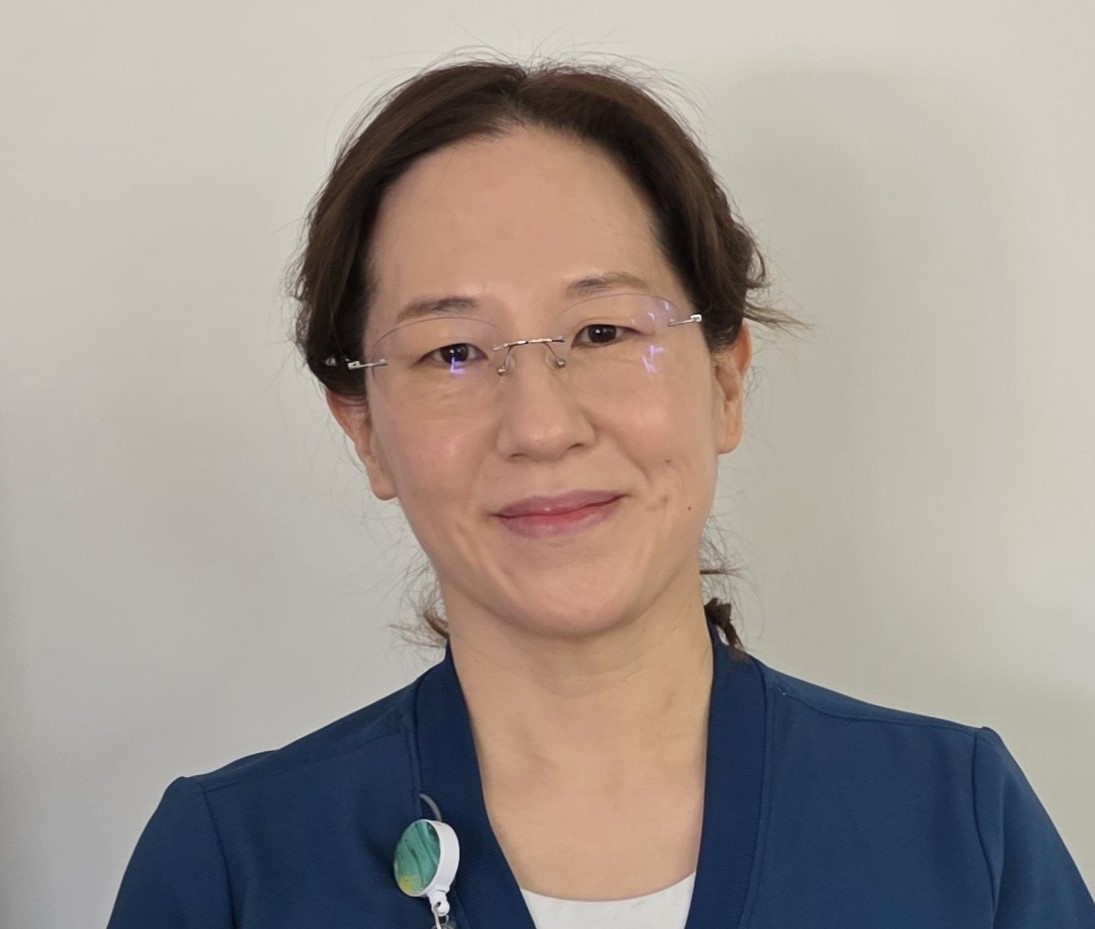
This month, we are proud to shine our Employee Spotlight on Mahnaz ( Mickey ) Pishanidar, a Physical Therapist at Flushing Hospital Medical Center.  Mahnaz has been employed at Flushing Hospital for 43 years.

Mahnaz grew up in Iran and moved to the United States in 1980. She attended school in Iran and earned her degree in Physical Therapy at Tehran University. She currently lives in Great Neck, Long Island. Mahnaz has two children, one of whom had worked at Flushing Hospital for a year as a resident. She likes pets, especially dogs, but at the current time does not have one.

In her free time, Mahnaz enjoys cooking and baking. Her favorite foods to prepare are Persian and Italian. She also enjoys shopping, especially for shoes. She likes to travel and her favorite country to visit is Italy. Mahnaz likes classical and country music. She values spending time with friends and family and particularly enjoys having sleepovers with her three grandchildren. In the summertime she can be found every day at the swimming pool.

Mahnaz finds working at Flushing Hospital very rewarding. It feels like a second home to her. Her colleagues are wonderful and she enjoys treating her patients, many of whom try to teach her some Spanish. We look forward to Mahnaz working with us for many more years.

All content of this newsletter is intended for general information purposes only and is not intended or implied to be a substitute for professional medical advice, diagnosis or treatment. Please consult a medical professional before adopting any of the suggestions on this page. You must never disregard professional medical advice or delay seeking medical treatment based upon any content of this newsletter. PROMPTLY CONSULT YOUR PHYSICIAN OR CALL 911 IF YOU BELIEVE YOU HAVE A MEDICAL EMERGENCY.
National Drugs and Alcohol Facts Week

National Drug and Alcohol Facts Week takes place March 16th- 22nd.

National Drug and Alcohol Facts Week’s goal is to dispel myths about drug and alcohol use and to inform teens about the impact and risk of substance abuse as well as addiction.

According to research from the Centers for Disease Control and Prevention (CDC), two-thirds of U.S. students have tried alcohol by the 12th grade.

The average age at which children typically experiment with alcohol and drugs is 13 years old.

There are five signs of drug abuse among teens. They include:

Psychological changes such as trouble concentrating, memory issues, and random laughter

Changes in behavior, including bad grades, lack of respect for others, and poor eye contact

Suspicious behavior such as hiding drug paraphernalia, missing cash, or valuables

Health issues, including appetite changes, shakiness, excessive headaches, or frequent illness

Poor personal appearance, such as bad hygiene or bloodshot eyes

There is a lot of misinformation around drugs and alcohol. Many myths have been created and spread through our culture, especially among young people. Here are some myths about drugs and alcohol that have been debunked:

Myth #1- Marijuana addiction isn’t real

Although it is impossible to overdose on marijuana, habitual cannabis use can change the way the body works, create a tolerance, and cause withdrawal symptoms after stopping

Myth #2- It is okay to quit drinking alcohol and start smoking marijuana instead

Switching from one addictive behavior to another is common; however, it creates other addictive cycles

Myth #3- Prescription drugs can’t be addictive if prescribed by my doctor

Even doctor-prescribed drugs can have a tolerance built against them, which eventually causes an addiction. Especially painkillers such as opiates or benzodiazepines

Here are more facts about drugs, alcohol, and addiction:

  • Alcohol is the most abused substance in the U.S., and the third most common cause of death
  • Alcohol and drugs are involved in approximately 50% of deaths by suicide and are the cause of death of more than 50% of all violent crimes
  • 80% of all domestic violence abuse reports show a relationship to alcohol or drugs

Although National Drug and Alcohol Facts Week is geared toward young people, people of any age are encouraged to participate and educate themselves so that they can make educated choices related to drugs and alcohol.

To learn more about our mental health services or to schedule a virtual appointment, call (718) 670-5316 to speak with our intake coordinator or (718) 670-5562 to reach the clinic.


All content of this newsletter is intended for general information purposes only and is not intended or implied to be a substitute for professional medical advice, diagnosis or treatment. Please consult a medical professional before adopting any of the suggestions on this page. You must never disregard professional medical advice or delay seeking medical treatment based upon any content of this newsletter. PROMPTLY CONSULT YOUR PHYSICIAN OR CALL 911 IF YOU BELIEVE YOU HAVE A MEDICAL EMERGENCY.
Basilar Invagination

Basilar invagination is a rare condition that occurs when the top of the spine gets pushed into the base of the skull. This can lead to pinching or pressure on the brainstem, which is the group of nerves connecting the brain to the spinal cord. This condition is painful and can cause various neurological symptoms.  

The spine is made of seven vertebrae and is numbered from C1 to C7; this is called the cervical vertebrae. The C1 vertebrae is at the top of the spine, supporting the skull. The C2 vertebrae lies below the C1 and has an upward peg that enters a hole in the C1, which lets the C1 vertebrae pivot on the C2, allowing the head to turn sideways.  

If the peg of the C2 vertebra moves too far upward into the C1 vertebra, it can put pressure on the brainstem. The brainstem normally passes from the skull into the spinal canal through an opening at the base of the skull called the foramen magnum. 

In basilar invagination, the C2 vertebra moves upward toward this opening. As it pushes into the foramen magnum, the space for the brainstem becomes smaller. This reduced space can lead to compression of the brainstem. 

Basilar invagination occurs when a person has problems with the bones in the neck or vertebrae. It can also be caused by platybasia, which is the flattening of the base of the skull. Basilar invagination can be present at birth. However, it can develop later due to illness or injuries resulting from vehicle or bicycle accidents, falls, or accidents during activities such as diving. 

Basilar invagination may occur in people with conditions, such as: 

  • Rheumatoid arthritis 
  • Tumors 
  • Paget’s disease 
  • Brittle bone disease 
  • Marfan syndrome 
  • Rickets 

The symptoms of basilar invagination can vary based on the pressure on the brainstem, spinal cord, or nerves. Symptoms may become noticeable when a person bends their neck. Symptoms of basilar invagination include: 

  • Headache or pain in the back of the head 
  • Weakness in the neck, arms, and legs 
  • Tingling when bending the neck 
  • Tingling or numbness in the hands or feet 
  • Difficulty swallowing or talking due the loss of muscle control caused by nerve damage 
  • Inability to tell the position of body parts without looking 
  • Twitching eye movements or nystagmus 
  • Loss of feeling or sensation in limbs 
  • Dizziness or lightheadedness 
  • Confusion 

A person may also feel a shock down their back when they bend their neck forward or may experience paralysis. 

If basilar invagination goes untreated, it can cause complications such as hydrocephalus or syringomyelia, which are conditions that occur when the flow of fluid around the brain and spinal cord is blocked and the fluid collects in the brain or spinal cord. What’s more, if the lower brainstem gets compressed, it may result in death.  

Basilar invagination is diagnosed when a healthcare provider performs an examination to look for symptoms of the condition as well as discusses a person’s medical history. They will also use tests to check if a person’s spine and nerves are affected. These tests include: 

  • X-rays 
  • MRI 
  • CT scan 
  • Myelography 
  • Nerve conduction studies 

The treatment for basilar invagination depends on its symptoms and severity of the condition. If a person has basilar invagination that presents without signs of brainstem compression pressure on the spinal cord, a healthcare provider will use: 

  • Non-steroidal anti-inflammatory drugs (NSAIDs) such as aspirin to relieve pain or swelling 
  • Neck traction, which involves gently stretching the neck to increase the space between the bones to relieve pressure 
  • A neck collar or brace to support the neck and limit movement 
  • Physical therapy that consists of neck exercises 

If a person has signs of brainstem compression and nerve problems, they will need surgery. Surgery can be performed through the nose or mouth and can also be performed at the junction of the head and neck. Healthcare providers aim to use surgery to decompress or relieve the pressure on the brainstem or spinal cord and stabilize the joint in the neck. 

If you or a loved one is experiencing symptoms associated with basilar invagination, you can receive treatment at Flushing Hospital Medical Center’s Ambulatory Care Center. To schedule an appointment, please call (718) 670-5486. 

All content of this newsletter is intended for general information purposes only and is not intended or implied to be a substitute for professional medical advice, diagnosis or treatment. Please consult a medical professional before adopting any of the suggestions on this page. You must never disregard professional medical advice or delay seeking medical treatment based upon any content of this newsletter. PROMPTLY CONSULT YOUR PHYSICIAN OR CALL 911 IF YOU BELIEVE YOU HAVE A MEDICAL EMERGENCY.

March is National Nutrition Month

March has been designated as National Nutrition Month –  an annual nutrition, education, and information campaign that focuses on the importance of making informed food choices and developing sound eating and physical activity habits.  In honor of this special observance, Flushing Hospital Medical Center would like to share with our community the important role our Registered Dietitians (RDs) play in helping our patients meet their nutritional goals.

What is a Registered Dietitian?

A Registered Dietitian is a trained nutrition professional who has met the strict educational and experiential standards set forth by the Commission on Dietetic Registration of the Academy of Nutrition and Dietetics.

They can be employed in a variety of areas, including hospitals, outpatient clinics, corporate wellness programs, food service operations, universities, research, or private practice, just to name a few.

RDs advise and counsel others on food and nutrition. They explain nutrition issues to their patients, develop meal plans for them, and measure the effects of those plans.

To become an RD, you must:

  • Complete a Bachelor’s degree with coursework approved by the Academy of Nutrition and Dietetics
  • Complete a 1200-hour dietetic internship, which is an accredited, supervised practice program at a health care facility, community program, or a food service corporation
  • Pass a national registration exam
  • Complete continuing professional education credits.

At Flushing Hospital, dietitians provide the following services: nutrition assessment, diet instruction, recommendations for enteral and parenteral support, staff in-service, food and drug interactions, and nutrition counseling in the outpatient setting.

Flushing Hospital would like to thank our Registered Dietitians for the very important job they do every day. Their hard work helps our patients and community lead much healthier lifestyles.

To schedule an appointment with a dietitian, please call 718-670-5486

All content of this newsletter is intended for general information purposes only and is not intended or implied to be a substitute for professional medical advice, diagnosis or treatment. Please consult a medical professional before adopting any of the suggestions on this page. You must never disregard professional medical advice or delay seeking medical treatment based upon any content of this newsletter. PROMPTLY CONSULT YOUR PHYSICIAN OR CALL 911 IF YOU BELIEVE YOU HAVE A MEDICAL EMERGENCY.

Dumping Syndrome

Dumping syndrome or rapid gastric emptying is a condition that occurs when food and gastric juices move abnormally quickly from the stomach to the small intestine after eating.  

Dumping syndrome most commonly occurs after stomach surgery due to it altering the stomach, which can increase the risk of developing the condition. These surgeries are performed mostly to treat obesity, but they can also treat stomach cancer. Dumping syndrome can also happen after esophageal surgery, such as surgery to treat esophageal cancer. Surgeries for other conditions can cause dumping syndrome, including: 

  • Bariatric surgery 
  • Esophagectomy 
  • Gastrectomy 
  • Vagotomy 
  • Fundoplication 
  • Pyloroplasty 

Symptoms of dumping syndrome generally start within minutes after eating, especially meals containing high levels of table sugar and fruit sugar. Symptoms include: 

  • Nausea 
  • Vomiting 
  • Feeling bloated or too full after eating 
  • Stomach cramps 
  • Diarrhea 
  • Rapid heart rate 
  • Dizziness or lightheadedness 
  • Flushing  

Late dumping syndrome starts one to three hours after eating a meal that is high in sugar. It takes time for symptoms to develop because the body releases large amounts of insulin to absorb the sugars entering the small intestine after eating. This process results in low blood sugar levels. Symptoms of late dumping syndrome can include: 

  • Rapid heart rate 
  • Sweating 
  • Weakness  
  • Dizziness or lightheadedness 
  • Flushing 

Some people can have both early and late symptoms. 

A healthcare provider can diagnose dumping syndrome by using the following methods: 

  • Discussing medical history and performing a medical evaluation 
  • Testing blood sugar 
  • Performing a gastric emptying test 

If a person has early dumping syndrome, the condition is likely to resolve itself on its own within three months. In the interim, dietary changes may help ease symptoms. If dietary changes don’t help, an antidiarrheal medicine will be prescribed and injected under the skin to slow food from emptying into the intestine.  

If medication doesn’t work, surgical procedures such as reconstructing the pylorus of a reverse gastric bypass may be recommended. 

There are dietary strategies that can help maintain good nutrition and minimize symptoms, including: 

  • Eating smaller meals 
  • Drinking 6-8 cups of fluids per day 
  • Drinking most of your fluids between meals 
  • Lying down for 30 minutes after meals 
  • Changing your diet 
  • Increasing fiber intake 

If you are going to drink alcohol, it is important to speak with your healthcare provider before doing so. Drinking alcohol beverages can worsen dumping syndrome symptoms because they can be absorbed quickly and can have high sugar content, which can lead to blood sugar levels rising rapidly and cause a significant insulin spike and then eventually low blood sugar. 

If you or a loved one is experiencing symptoms associated with dumping syndrome, you can receive treatment at Flushing Hospital Medical Center’s Ambulatory Care Center. To schedule an appointment, please call (718) 670-5486. 

All content of this newsletter is intended for general information purposes only and is not intended or implied to be a substitute for professional medical advice, diagnosis or treatment. Please consult a medical professional before adopting any of the suggestions on this page. You must never disregard professional medical advice or delay seeking medical treatment based upon any content of this newsletter. PROMPTLY CONSULT YOUR PHYSICIAN OR CALL 911 IF YOU BELIEVE YOU HAVE A MEDICAL EMERGENCY.

Dialysis

Dialysis is a treatment for those whose kidneys aren’t functioning properly due to late-stage kidney disease, end-stage kidney disease (EKD), or kidney failure. When a person suffers from these conditions, their kidneys don’t filter blood the way they should. This causes waste such as urea, creatinine, acids, and toxins to build up in their bloodstream. Dialysis does the work your kidneys would do by removing waste products and excess fluids from the blood.  

Dialysis is common, as over 2 million people worldwide treat their kidney disease with dialysis or a kidney transplant.  

A person may need dialysis or a kidney transplant to stay alive. Some people undergo dialysis while awaiting a transplant. Kidney failure is fatal without treatment, and if a person has kidney failure, they may survive a few days or weeks without dialysis.  

There are two types of dialysis: hemodialysis and peritoneal dialysis.  

Hemodialysis is the most common type of dialysis that uses a machine that: 

  • Removes blood from the body through a vein in the arm 
  • Filters blood through an artificial kidney 
  • Returns clean blood to the body 

People can receive hemodialysis at a dialysis center or at home. Most people receive hemodialysis at a dialysis center three times a week for three to four hours, and three to seven times a week, depending on the type of at-home hemodialysis, with sessions lasting between three and eight hours.  

Before a person starts hemodialysis, a surgeon will enlarge some of their blood vessels in their arm to make dialysis access easier and to allow blood to flow in and out of their body more quickly.  

Peritoneal dialysis uses the inner lining of the abdomen or peritoneum to filter blood. A person adds a dialysis solution called dialysate in their peritoneum that helps the blood vessels in the area to filter their blood. After this process, the person will drain the dialysate in a bag outside of their body. There are two main types of peritoneal dialysis: 

  • Continuous ambulatory peritoneal dialysis (CAPD) 
  • Automated peritoneal dialysis (APD) 

Before a person begins peritoneal dialysis, a healthcare provider will surgically insert a permanent soft tube called a catheter in their abdomen. They will teach them how to add the dialysate and later drain the solution through the catheter. 

Continuous peritoneal dialysis usually lasts 40 minutes, and a person will need three to five sessions each day. Automated peritoneal dialysis may take eight to 12 hours and may need to be done every day.  

A healthcare provider can review dialysis options with you and determine which type works best.

If you or a loved one is experiencing kidney problems and would like to learn more about dialysis, you can receive treatment at Flushing Hospital Medical Center’s Ambulatory Care Center. To schedule an appointment, please call (718) 670-5486. 


All content of this newsletter is intended for general information purposes only and is not intended or implied to be a substitute for professional medical advice, diagnosis or treatment. Please consult a medical professional before adopting any of the suggestions on this page. You must never disregard professional medical advice or delay seeking medical treatment based upon any content of this newsletter. PROMPTLY CONSULT YOUR PHYSICIAN OR CALL 911 IF YOU BELIEVE YOU HAVE A MEDICAL EMERGENCY.