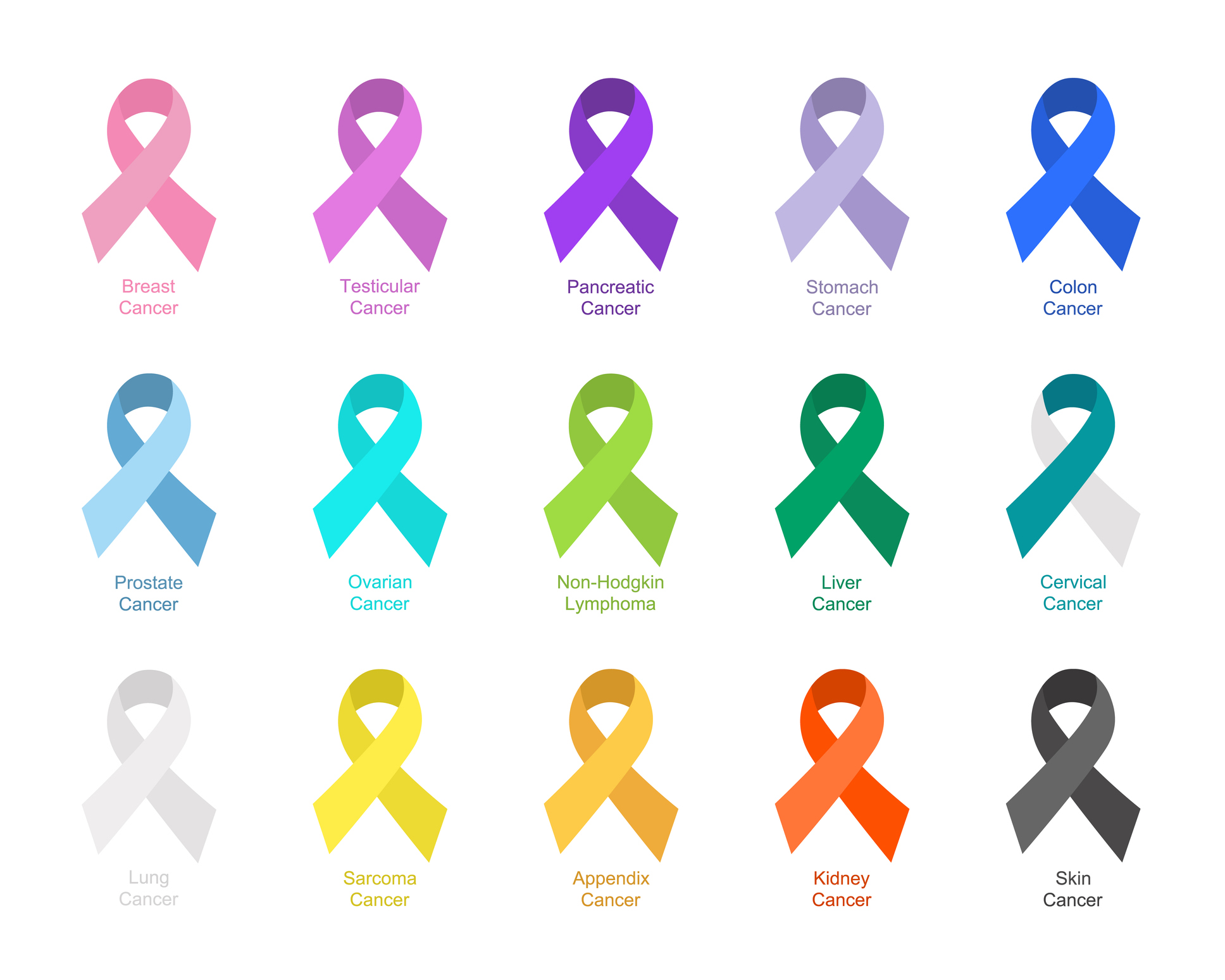
Cancer Prevention and Early Detection Month

April is Cancer Prevention and Early Detection Month, a month dedicated to reminding us about the importance of getting routine cancer screenings.  

According to the American Cancer Society, for 2026, 44% of the estimated 626,000 cancer deaths in the United States can potentially be prevented because they are attributable to modifiable risk factors, such as: 

  • Cigarette smoking 
  • Secondhand smoke exposure 
  • Excess body weight 
  • Heavy alcohol use 
  • Unhealthy diet 
  • Lack of physical activity 
  • Excess ultraviolet radiation exposure 
  • Cancer-associated infections 

Cancer Prevention and Early Detection Month aims to educate people about healthy habits and making simple changes that can make a huge difference, such as quitting smoking, eating nutritious foods, and staying physically active. Routine cancer screenings and vaccinations are also essential.  

Detecting cancer early means better outcomes for your health, such as more treatment options, which can help prevent cancer from spreading. These practices can also significantly lower cancer rates and improve survival chances for many individuals.  

Here are some ways to get involved in Cancer Prevention and Early Detection Month: 

  • Raising awareness 
  • Inspiring action 
  • Mobilizing resources 
  • Highlighting progress 

Cancer Prevention and Early Detection Month’s goal is to inspire everyone to be proactive and take steps towards a healthier lifestyle and get regular cancer screenings, which can reduce the chances of developing cancer considerably. 

Whether you need diagnostic testing or treatment, the MediSys Health Network Cancer Center offers unmatched Queens cancer care for any form of cancer. To schedule an appointment or learn more about our oncology department, please call 718-206-8263. 

All content of this newsletter is intended for general information purposes only and is not intended or implied to be a substitute for professional medical advice, diagnosis or treatment. Please consult a medical professional before adopting any of the suggestions on this page. You must never disregard professional medical advice or delay seeking medical treatment based upon any content of this newsletter. PROMPTLY CONSULT YOUR PHYSICIAN OR CALL 911 IF YOU BELIEVE YOU HAVE A MEDICAL EMERGENCY.
The Importance Of Early Detection

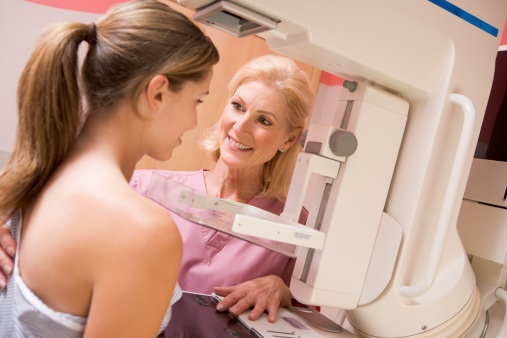
breast cancer screeningDid you know breast cancer is one of the most common cancers found in women in the United States? Every year there are an estimated 230,000 new cases of breast cancer. About 40,000 women are expected to die annually from this disease.  However, more women are surviving breast cancer due to improvements in treatment and early detection.

Cancer deaths can be decreased by as much as one-third with early detection and treatment.

Early detection can start from home.  Doctors suggest that women perform monthly breast self-exams.  In addition to yearly screenings and mammograms, self-exams can help women to monitor changes or abnormalities that may occur in her breasts.  It is important to remember that breast self-exams are never a substitute for clinical breast exams or mammograms.

The American Cancer Society recommends that women should begin receiving clinical breast exams in their twenties. Women below the age of forty are advised to receive them every three years. Those over 40 should schedule yearly mammograms and clinical breast exams.

Mammograms are one of the most effective breast screening and diagnostic tools; however, other tools such as MRI’s or ultrasounds may also be used to further evaluate abnormalities or help diagnose breast cancer.

Early and immediate treatment is one of the benefits women will gain from early detection of cancer. If you are age forty and older schedule an appointment for a mammogram as soon as possible.  The American College of Radiology is a great resource to find accredited facilities and breast imaging centers.

All content of this newsletter is intended for general information purposes only and is not intended or implied to be a substitute for professional medical advice, diagnosis or treatment. Please consult a medical professional before adopting any of the suggestions on this page. You must never disregard professional medical advice or delay seeking medical treatment based upon any content of this newsletter. PROMPTLY CONSULT YOUR PHYSICIAN OR CALL 911 IF YOU BELIEVE YOU HAVE A MEDICAL EMERGENCY.

March is National Colon Cancer Awareness Month

In 2000, President Clinton officially dedicated March as National Colon Cancer Awareness Month. This designation provides patients, survivors, caregivers and advocates throughout the country an opportunity to join together to raise awareness about colon cancer and the importance of early detection.

ThinkstockPhotos-474824404The American Cancer Society recommends that men and women with an average risk of developing colon cancer be tested beginning at age 50. People with certain risk factors, such as a family history of colon cancer or a history of inflammatory bowel disease should be tested earlier.

Early detection can save lives, but unfortunately, less than half of the people age 50 and older get tested for colon cancer. Colorectal cancer is the third most commonly diagnosed cancer and second leading cause of cancer death in the U.S., yet there is a 90 percent cure rate when detected early.

There are a variety of different tests used to diagnose colon cancer. They include:

Standard (or optical) colonoscopy – During this test, the rectum and entire colon are examined using a colonoscope, a flexible lighted tube with a lens for viewing and tool for removing tissue. During a colonoscopy, any abnormal growths in the colon and rectum can be removed.

Sigmoidoscopy – During this test, the rectum and the sigmoid colon are examined using a sigmoidascope. The instrument is inserted through the anus and into the rectum and sigmoid colon as air is passed pumped into the colon to expand it so the doctor can see it more clearly.

High-sensitivity fecal occult blood tests (FOBT) – This exam checks for tiny amounts of blood in feces (stool) that cannot be seen by the naked eye. The stool samples are collected by the patient and the doctor has the samples tested.

Speak with your doctor about when to begin screening for colorectal cancer and what test(s) are best for you. If you do not have a doctor, Flushing Hospital’s Ambulatory Care Center has doctors that can help. For more information, or to schedule an appointment, call 718-670-5486.

All content of this newsletter is intended for general information purposes only and is not intended or implied to be a substitute for professional medical advice, diagnosis or treatment. Please consult a medical professional before adopting any of the suggestions on this page. You must never disregard professional medical advice or delay seeking medical treatment based upon any content of this newsletter. PROMPTLY CONSULT YOUR PHYSICIAN OR CALL 911 IF YOU BELIEVE YOU HAVE A MEDICAL EMERGENCY.