
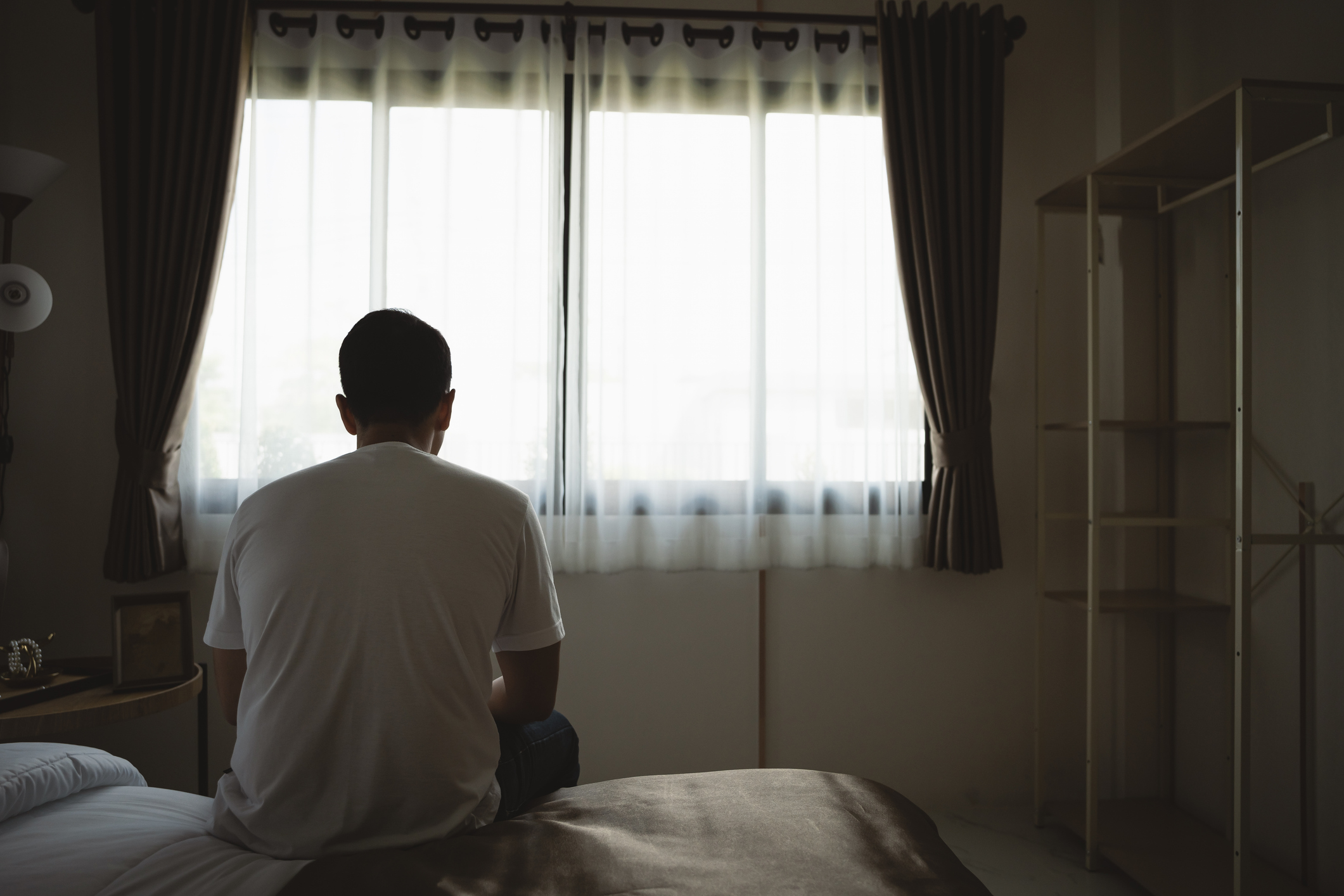
 June is Men’s Health Month. This time is used to raise awareness of health problems affecting men and boys.
One health problem affecting men and boys is depression. Depression is a common mental health condition that causes a persistent feeling of sadness and loss of interest. Also called major depressive disorder or clinical depression, it changes how you think, sleep, eat, and act.
Depression symptoms can differ in men and women. Men tend to use different, healthy, and unhealthy coping skills than women. It isn’t clear why depression affects men differently from women, but these differences could be due to factors such as brain chemistry, hormones, and life experiences.
These differences may also result from the traditional male role, which discourages men from expressing their emotions and instead encourages the pursuit of power, success, and competition.
Men with depression may exhibit similar signs and symptoms of depression that women do, such as:
- Feelings of sadness, hopelessness, worthlessness, or emptiness
- Feeling very tired
- Having a hard time sleeping or sleeping too much
- Not getting the same enjoyment or pleasure from their favorite hobbies and activities
Other behaviors in men that could be symptoms of depression include:
- Irritability or anger that can get out of control
- Problems getting along with their spouse, partner, family members, friends, and others
- Controlling, violent, or abusive behavior
- Problems with alcohol or drugs
- Engaging in escapist behavior, such as spending excessive time at work or on sports
- Physical symptoms, such as headaches, digestive problems, and pain
- Reckless behaviors, such as reckless driving
In addition to depression affecting the mind, it can also affect the body. Typical physical symptoms are changes in appetite and sleep habits. Depression in men can also cause:
- Low sex drive
- Erectile dysfunction
- Trouble having an orgasm
Not getting help for depression will only make it worse. It can cause damage to relationships, careers, and health.
Depression in men can have severe consequences. According to the Centers for Disease Control and Prevention (CDC), men in the U.S. are four times more likely to die by suicide than women, and 75 to 80 percent of all people who kill themselves in the U.S. are men. This may be due to men tending to use more harmful and violent ways to do so, such as using a gun instead of overdosing on pills.
Experiencing depression is not usually a normal part of aging, but it is common for older men. Several things can lead to depression in older men, including:
- Health conditions, such as cancer, diabetes, stroke, dementia, Parkinson’s disease, and chronic pain
- Stressful life events, such as the death of friends and loved ones, being diagnosed with an illness, or taking care of a partner who is sick or disabled
- Social isolation, such as not spending time with work friends or neighbors moving away, can cause the loss of social connections. Feeling lonely and isolated is a top risk factor for depression
- Sleep issues, such as falling asleep during the day, waking up at night, and getting less overall sleep, are more likely to result in experiencing depression
More than 80 percent of the people who suffer from depression, men and women, can successfully be treated with antidepressant medication, psychotherapy, or a combination of both. Other treatment options include brain stimulation techniques, such as electroconvulsive therapy (ECT) or transcranial magnetic stimulation (TMS).
It might be difficult to ask for help. However, if you have been struggling with drastic changes in your emotions or behavior for more than a few weeks, it is time to seek help from a mental health professional. Treatment with a mental health professional can help you to:
- Learn ways to manage stress
- Think about your emotions and coping strategies
- Seek out emotional support
- Try to stay on a regular schedule and make healthy life choices
- Learn to adjust your way of thinking
- Set realistic goals
- Decide what is important in your life
- Wait until you get better before making any important decisions
- Participate in activities you previously enjoyed
If you are having thoughts of suicide, but aren’t thinking about immediately harming yourself, seek help by:
- Calling a suicide crisis center hotline
- Making an appointment with your healthcare provider or a mental health professional
- Reaching out to a loved one or close friend, even though it may be difficult to talk about your feelings
- Talking to a minister, spiritual leader, or someone in your faith community
- Joining a men’s health group that deals with depression
If you think you may harm yourself or have thoughts of suicide, you can call or text 988 to reach the 988 Suicide & Crisis Lifeline, available 24 hours a day, seven days a week. Or use the Lifeline Chat. Services are free and confidential.
Asking for help can be difficult for men. However, without treatment, depression won’t go away, and it may get worse. You don’t have to deal with male depression on your own.
To find out more about our mental health services or to schedule a virtual appointment, call (718) 670-5316 to speak with our intake coordinator or call (718) 670-5562 to reach the clinic.
All content of this newsletter is intended for general information purposes only and is not intended or implied to be a substitute for professional medical advice, diagnosis or treatment. Please consult a medical professional before adopting any of the suggestions on this page. You must never disregard professional medical advice or delay seeking medical treatment based upon any content of this newsletter. PROMPTLY CONSULT YOUR PHYSICIAN OR CALL 911 IF YOU BELIEVE YOU HAVE A MEDICAL EMERGENCY.