What to Know About Protein Intake While on Weight Loss Medication

GLP-1 antagonists are a class of medications that mainly manage blood sugar levels in people with Type 2 diabetes. Some GLP-1 antagonists can also help treat obesity.

When a person starts to lose weight on a GLP-1 weight loss medication, it can happen very fast. However, as they lose fat, they could also be losing essential lean muscle mass, which can harm their metabolism and blood sugar levels. This will ultimately work against weight loss efforts and can even negatively affect bone health.

Protein is the building block of muscle. Getting enough is crucial for preventing muscle loss, especially when consuming fewer calories. When you consume enough protein, you are more likely to retain and even build muscle. However, when you don’t have enough protein, your body will cannibalize some of your muscle mass for energy.

A 2024 review study that made diet recommendations for GLP-1 patients based on the latest research recommends at least 60 grams of protein a day. It is suggested to aim for 20 to 40 grams of protein at every meal.

Most people who are on GLP-1 medications experience at least one side effect. The side effects are worse just after starting and in the days after increasing the dose. Fortunately, there are ways to combat those side effects, including:

  • Make every meal count
  • Schedule your meals
  • Make protein a priority
  • Aim for 64 ounces of fluid a day, plus electrolytes
  • Avoid fatty and greasy foods
  • Steer clear of sugary foods, alcohol, and refined carbs
  • Maintain muscle with resistance training
  • Eat smaller portions more frequently
  • Add fiber to your diet
  • Talk to your doctor if you are having side effects

For more information about the Bariatric Surgery Services at Flushing Hospital or procedures performed by our doctors, please call 718-408-6977 or 718-670-8908.


All content of this newsletter is intended for general information purposes only and is not intended or implied to be a substitute for professional medical advice, diagnosis or treatment. Please consult a medical professional before adopting any of the suggestions on this page. You must never disregard professional medical advice or delay seeking medical treatment based upon any content of this newsletter. PROMPTLY CONSULT YOUR PHYSICIAN OR CALL 911 IF YOU BELIEVE YOU HAVE A MEDICAL EMERGENCY.

Robotics: Gastric Bypass

Gastric bypass or “Roux-en-Y” is a metabolic and weight-loss procedure that works by modifying your digestive system so that you consume and absorb fewer calories. It modifies your stomach and also your small intestines.

Similar to other bariatric surgery operations, gastric bypass is recommended for people who have clinically severe obesity. It has been shown to help relieve a long list of obesity-related health conditions, including:

  • Type 2 diabetes
  • Hypertension
  • Obstructive sleep apnea
  • GERD (chronic acid reflux)
  • Heart disease
  • Hyperglycemia
  • Fatty liver disease
  • Hyperlipidemia
  • Osteoarthrosis

The Roux-en-Y procedure gets its name from how it changes your digestive system. “Roux-en-Y” means “in the shape of a Y”. The procedure divides your stomach and small intestine, connecting each new segment to form a “Y” shape. This procedure reduces the functional part of your stomach to a small pouch, separating it from the rest with surgical staples, and restricting the amount of food your stomach can hold. Then, it connects the new stomach pouch to a lower segment of your small intestine. This means that when food goes through your digestive system, it will now bypass most of your stomach and the first part of your small intestine, causing your digestive system to not absorb all of the nutrients or calories in your food.

Gastric bypass surgery requirements are similar to those of other bariatric procedures. A qualified healthcare provider must recommend you for surgery. You may be a candidate for gastric bypass surgery if you:

  • Have been diagnosed with class III obesity
  • Have a BMI of at least 35 with at least one obesity-related condition
  • Have obesity-related type 2 diabetes

Most Roux-en-Y surgical procedures today are laparoscopic, a minimally invasive surgical technique. However, sometimes they are done with robotic assistance.

There are many potential advantages of robotic-assisted surgery over other types of surgery including:

  • Robot-assisted surgery provides the surgeon with 3D images of inside your abdomen that create a clearer picture for them to reference as they operate compared to the 2D images used during laparoscopic surgery
  • Under the surgeon’s direction, the robot can move more freely and with more versatility than a human hand
  • You’ll have a few tiny scars rather than one large incision scar (as with open surgery)
  • You’re more likely to experience less pain and less bleeding after surgery compared to open surgery
  • You’re more likely to have a quicker recovery time than with open surgery

To learn more about the robotic surgical procedures at Flushing Hospital Medical Center or to schedule an appointment, call (718) 670-5000.


All content of this newsletter is intended for general information purposes only and is not intended or implied to be a substitute for professional medical advice, diagnosis or treatment. Please consult a medical professional before adopting any of the suggestions on this page. You must never disregard professional medical advice or delay seeking medical treatment based upon any content of this newsletter. PROMPTLY CONSULT YOUR PHYSICIAN OR CALL 911 IF YOU BELIEVE YOU HAVE A MEDICAL EMERGENCY.

National Childhood Obesity Awareness Month

The Centers for Disease Control and Prevention (CDC) recognizes September as National Childhood Obesity Awareness Month, a time to raise awareness about preventing childhood obesity.

Childhood obesity is a critical public health challenge that affects one in three children in the United States. Children with obesity face an increased risk of chronic health conditions, such as type 2 diabetes, high blood pressure, asthma, sleep apnea, and bone and joint problems. Obesity can also impact children beyond physical issues. It affects their emotional and social well-being as well, which leads to challenges like bullying and lower self-esteem.

Many factors impact childhood obesity, including eating and physical activity behaviors, genetics, metabolism, family and home environment, and community and social factors. For some children and families, obesity can be influenced by the following:

  • Too much time spent being inactive
  • Lack of sleep
  • Lack of places to go in the community to be physically active
  • Easy access to inexpensive, high-calorie foods and sugary beverages
  • Lack of access to affordable healthier foods

Here are some tips on how parents can help prevent their child from experiencing obesity:

  • Monitor growth
  • Provide nutritious foods
  • Promote drinking water
  • Encourage physical activity
  • Model healthy behaviors
  • Create a healthy sleep environment

Childhood obesity can be prevented by working together to help children achieve and maintain a healthy weight, improve their overall well-being, and build a foundation for a healthier future.

If you would like to speak with a pediatrician about childhood obesity at Flushing Hospital Medical Center, please call 718-670-5440 to schedule an appointment.

All content of this newsletter is intended for general information purposes only and is not intended or implied to be a substitute for professional medical advice, diagnosis or treatment. Please consult a medical professional before adopting any of the suggestions on this page. You must never disregard professional medical advice or delay seeking medical treatment based upon any content of this newsletter. PROMPTLY CONSULT YOUR PHYSICIAN OR CALL 911 IF YOU BELIEVE YOU HAVE A MEDICAL EMERGENCY.

Facts About Dietary Supplements

Did you know that more than two-third of adults in the United States are overweight or obese?

According to the National Institute of health (NIH), many ameri9cans are using dietary supplements for weight loss as a solution.  The trend towards dietary supplements could be attributed to the belief that these products may help you lose weight more quickly.  However, according to the NIH, “There’s little scientific evidence that weight-loss supplements work.  Many are expensive and some can interact or interfere with medications, and a few might be harmful.”

There are many kinds of dietary supplements.  They come in a variety of forms, such as capsules, tablets, liquids, powders, and bars.

Some of the more common ingredients in dietary supplements that are mostly save include:

  • Dietary fiber
  • Caffeine
  • Minerals (magnesium, calcium, potassium)

Certain ingredients included in supplements that might be harmful are:

  • Bitter orange
  • Hoodia
  • Yohimbe

Keep in mind, before choosing to take dietary supplements, it would be a good idea to consult with your doctor or a licensed nutritionist.  They may be able to assist you in preventing supplement-drug interactions and other risks.

The proven and healthy way to lose weight is by eating a balanced diet and exercising.  If you would like to speak with a nutritionist at Flushing Hospital Medical Center about how to get started on a healthier lifestyle, call 718-670-5486 for an appointment.

All content of this newsletter is intended for general information purposes only and is not intended or implied to be a substitute for professional medical advice, diagnosis or treatment. Please consult a medical professional before adopting any of the suggestions on this page. You must never disregard professional medical advice or delay seeking medical treatment based upon any content of this newsletter. PROMPTLY CONSULT YOUR PHYSICIAN OR CALL 911 IF YOU BELIEVE YOU HAVE A MEDICAL EMERGENCY.

Learn the Facts About Cellulitis

Cellulitis is a common, but potentially serious infection of the skin and the soft tissues underneath that occurs when bacteria enters the body through a crack or break in the skin. Cellulitis can also develop as a result of an infection typically after surgery or having untreated injuries such as a puncture would, cut, scrape or burn can also lead to the development of cellulitis.

Cellulitis most frequently occurs on the legs, but it can present on other parts of the body, including the arms or face. Cellulitis usually develops on one side of the body.

The skin of those with cellulitis is often skin swollen and red and is typically painful and warm to the touch. Other symptoms of cellulitis can include:

  • Red spots
  • Red streaking
  • Blisters
  • Skin dimpling
  • Fever
  • Infected area tends to expand
  • Leaking of yellow, clear fluid or pus

There are several factors that place someone at an increased risk of developing cellulitis, such as diabetes, obesity, liver disease, circulatory issues, or having a weakened immune system. Certain skin conditions including eczema, psoriasis, athlete’s foot or shingles can provide an entry point for bacteria to enter the body.

If left untreated, an infection can spread to a person’s lymph nodes and bloodstream and rapidly become life-threatening.  It is important to see your doctor immediately or seek emergency care if you experience any signs of cellulitis to prevent the condition spreading throughout your body.

Your doctor can recommend a care plan that may include pain relievers to treat the symptoms and possibly either oral or intramuscular antibiotics, depending on the severity of the condition, to treat the infection. In rare cases, surgery may be required.  Other tips to treat cellulitis include resting and elevating the infected area.

The best advice to prevent cellulitis includes taking proper safety precautions, including:

  • Washing your wound daily with soap and water
  • Applying a protective cream or ointment to surface wounds
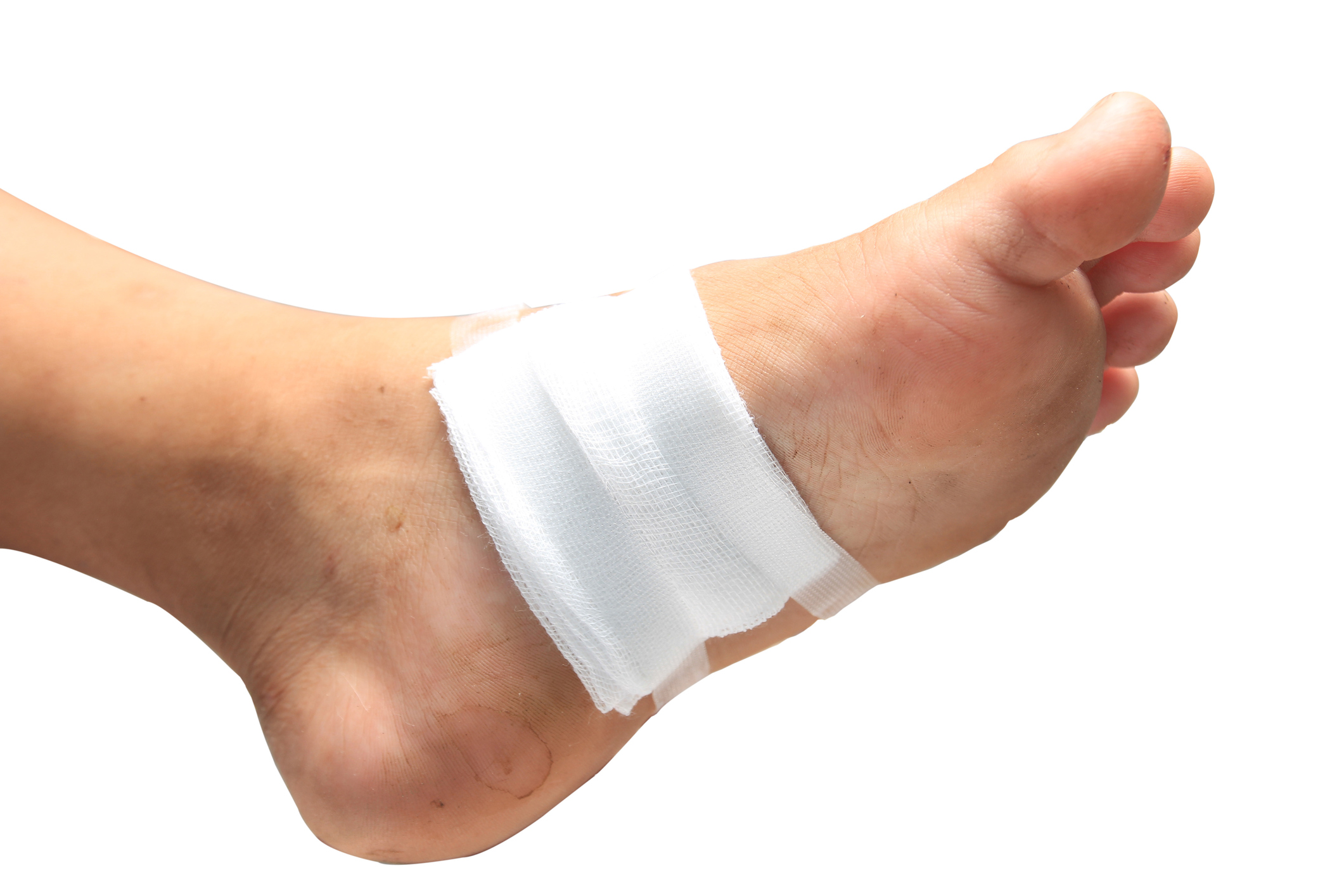
  • Covering your wound with a bandage.
  • Moisturizing your skin regularly
  • Watching for signs of infection

If you believe you have cellulitis, make an appointment with your doctor immediately. If you do not have a doctor, you can make an appointment with a qualified physician at Flushing Hospital Medical Center by calling 718-670-5486.

All content of this newsletter is intended for general information purposes only and is not intended or implied to be a substitute for professional medical advice, diagnosis or treatment. Please consult a medical professional before adopting any of the suggestions on this page. You must never disregard professional medical advice or delay seeking medical treatment based upon any content of this newsletter. PROMPTLY CONSULT YOUR PHYSICIAN OR CALL 911 IF YOU BELIEVE YOU HAVE A MEDICAL EMERGENCY.
Is Bariatric Surgery Right For You?

Obesity is a growing public health issue in our region.  According to NYC.gov, more than half of New Yorkers are overweight, and nearly a quarter qualify as obese.  The New York City Department of Health and Mental Hygiene, reports that an estimated 23% of the population living in Queens is obese.

These rates are concerning  because people who are obese are at an increased risk for developing chronic diseases such as diabetes, stroke, hypertension, heart disease and some cancers.  However, the good news is the risks associated with many of these conditions can be significantly reduced by losing weight.

Diet and exercise are highly recommended methods of weight loss but they may not be enough to yield significant results for those who are obese.   Bariatric surgery offers an extremely effective weight loss solution for people who have tried and failed to lose weight by way of diet and exercise. Additionally, it has been shown to help improve several obesity-related health conditions.

The two most popular bariatric surgeries are the sleeve gastrectomy and gastric bypass procedures. In the sleeve gastrectomy operation a large portion of the stomach is removed and a smaller, new stomach in the shape of a tube or “sleeve” is created.  During bypass surgery, a new small stomach pouch is created, and a section of the small bowel is bypassed. These surgeries are usually done through small incisions either laparoscopically or using the da Vinci surgical robot, ensuring a minimally invasive approach. Both surgeries offer excellent long term results and positive outcomes in most patients.

With this is in mind, it is important to understand that bariatric surgery is a major operation, no matter which procedure is chosen.  Bariatric surgery is not an easy way out. It is an important decision to be made under strict physician supervision and with the support of loved ones.  The process is immersive and takes approximately 4-5 months of supervised dieting and being seen by multiple specialties for approval.

Although bariatric surgery is considered safe, it is very important that patients understand the risks of surgery. As with most major surgical procedures, the risks can include bleeding or other complications.

For those who would like to explore non-surgical weight loss procedures, there are options such as the FDA-approved Obalon Balloon System. This involves three air filled balloons inserted via a swallowed capsule. The patient is given no anesthesia and most people return to work the same day. The balloons stay in for six months after which they are removed via endoscopy. The procedure is generally very well tolerated with some side effects such as nausea and cramping. Studies have shown weight loss to continue beyond removal and many patients lose significant amount of weight.

When deciding which procedure is best for you, it is recommended that you receive an expert consultation with a surgeon. Your physician can assess your health which can lead to the decision on which surgery is suitable for your needs.

To ensure the highest quality care and maximize your chances of a successful weight loss procedure, it is recommended that you receive treatment at a “Bariatric Center of Excellence”, such as Flushing Hospital Medical Center.

Flushing Hospital is the only Center of Excellence in Queens. The process to reach this designation is arduous and ensures that the center and the surgeons are of the highest quality and preparedness. Surgical outcomes are measured very strictly and the capability of both the surgeons and the center must be of the highest caliber when compared nationally.

To make an appointment, please call 718-408-6977.

All content of this newsletter is intended for general information purposes only and is not intended or implied to be a substitute for professional medical advice, diagnosis or treatment. Please consult a medical professional before adopting any of the suggestions on this page. You must never disregard professional medical advice or delay seeking medical treatment based upon any content of this newsletter. PROMPTLY CONSULT YOUR PHYSICIAN OR CALL 911 IF YOU BELIEVE YOU HAVE A MEDICAL EMERGENCY.

Why is it Important to Have a Psychological Evaluation Prior to Weight-Loss Surgery?

An important component of the pre and post-surgical care for all patients considering having bariatric surgery is speaking with a psychologist.

While some might find this surprising or unnecessary, it is actually a routine part of the surgical process for patients to meet with a psychologist. In fact, psychologists, like dieticians and other specialists are considered a vital part of the bariatric team.

While it is important to identify the reasons why a psychological evaluation is important,  it is equally as important is to dispel any false information as to why one is needed. An evaluation is not performed to determine if a patient has a mental illness. People with obesity are considered as psychologically “normal” as those with lower body mass indexes and they do not fit any specific psychological profile. Therefore, the psychologist’s main purpose is not to search for any underlying problems that might have caused a patient to become affected by obesity.

Instead, the purpose of a psychological evaluation is to put potential patients in the best environment needed to succeed. This can be done by identifying their strengths, such as a strong motivation to exercise as their weight is coming off. Other things a psychologist can learn from a patient include getting a complete understanding of the effects of surgery will have on them as well as if they have a supportive team at home. Conversely, a psychologist can also identify areas where a patient might need additional support after surgery. This may include issues such as depression or mood swings, lack of family support or triggers for past emotional eating.

The psychologist’s purpose is never to “fail” people and exclude them from surgery. In fact, studies have shown that a very small number (perhaps four percent) of individuals are found to be poor candidates based on their psychological evaluation results.
A typical evaluation includes psychological testing, such as personality tests and other questionnaires. This paperwork is often completed before meeting with the psychologist. A patient will also have a face-to-face interview with a psychologist. In some cases, he or she may request a family member accompany a patient to determine the level of support they are receiving at home. Subjects such as past and present eating habits, as well as activity levels are usually discussed during this meeting and patients are encouraged to share what is motivating them to have surgery and share their concerns.

Flushing Hospital’s Bariatric Surgical Center has recently been recognized as a Center of Excellence, which means it provides the highest level of care to our patients, before, during and after surgery. For more information, or to schedule an appointment, please call 718-670-8908.


All content of this newsletter is intended for general information purposes only and is not intended or implied to be a substitute for professional medical advice, diagnosis or treatment. Please consult a medical professional before adopting any of the suggestions on this page. You must never disregard professional medical advice or delay seeking medical treatment based upon any content of this newsletter. PROMPTLY CONSULT YOUR PHYSICIAN OR CALL 911 IF YOU BELIEVE YOU HAVE A MEDICAL EMERGENCY.

Summer Weight Loss Tips For Kids

Is your child at risk of gaining weight this summer?

We consider summer to be a time when kids run around, go swimming and generally remain active. With all this physical activity, it is a common belief that children keep weight off or maybe even lose a few pounds in the summer, but that is not the case. There are many reasons why parents are now noticing that their children are actually gaining weight during the summer.

The rate of childhood obesity has tripled in America in recent decades. Now, one out of three children in this country is considered overweight or obese. When are children gaining the most weight?  Recent studies have revealed that during the summer, the rate of weight gain in children is double that of the rest of the year. Why?

One of the biggest contributing factors is that children today live a more sedentary lifestyle. During the school year, children participate in fitness programs, both during recess and in physical education classes. Without a regimented exercise program, children opt to spend their free time playing video games or watching television.

Another factor in summer weight gain is the foods children have access to in their home. In an effort to fight obesity and promote healthy eating habits, many schools provide healthy alternatives for lunches and snacks during the year. During the summer, however, kids have access to whatever snacks are in the home. Kids will often choose unhealthy snacks, such as cookies, chips, and soda, if they are available to them.

In an effort to reverse this trend, Jamaica Hospital offers the following summer healthy living tips for your kids:

• Stock your home with healthy food options like yogurt, carrots, or summer fruits like peaches, berries, or melons.

• Make water the beverage of choice. Juices and sodas are high in calories and low in nutrients. To make water more flavorful, consider adding fruit slices or berries.

• Limit TV and video game usage. It will force kids to become more physically active and prevent them from enticing junk food commercials..

• Walk more. Everyone can do it. Incorporate regular family walks to the park or around the neighborhood.

• Be inventive. Not every child is interested in formal team sports, but every kid loves to run around. Encourage activities like hopscotch, jump rope or a simple game of “tag.”

• Be a role mode. Children often take cues from their parent’s eating habits so if you want your kids to eat healthier, you should eat healthier

All content of this newsletter is intended for general information purposes only and is not intended or implied to be a substitute for professional medical advice, diagnosis or treatment. Please consult a medical professional before adopting any of the suggestions on this page. You must never disregard professional medical advice or delay seeking medical treatment based upon any content of this newsletter. PROMPTLY CONSULT YOUR PHYSICIAN OR CALL 911 IF YOU BELIEVE YOU HAVE A MEDICAL EMERGENCY.

Summer Weight Loss Tips For Kids

Is your child at risk of gaining weight this summer?

We consider summer to be a time when kids run around, go swimming and generally remain active. With all this physical activity, it is a common belief that children keep weight off or maybe even lose a few pounds in the summer, but that is not the case. There are many reasons why parents are now noticing that their children are actually gaining weight during the summer.

The rate of childhood obesity has tripled in America in recent decades. Now, one out of three children in this country is considered overweight or obese. When are children gaining the most weight?  Recent studies have revealed that during the summer, the rate of weight gain in children is double that of the rest of the year. Why?

One of the biggest contributing factors is that children today live a more sedentary lifestyle. During the school year, children participate in fitness programs, both during recess and in physical education classes. Without a regimented exercise program, children opt to spend their free time playing video games or watching television.

Another factor in summer weight gain is the foods children have access to in their home. In an effort to fight obesity and promote healthy eating habits, many schools provide healthy alternatives for lunches and snacks during the year. During the summer, however, kids have access to whatever snacks are in the home. Kids will often choose unhealthy snacks, such as cookies, chips, and soda if they are available to them.

In an effort to reverse this trend, Flushing Hospital offers the following summer healthy living tips for your kids:

• Stock your home with healthy food options like yogurt, carrots, or summer fruits like peaches, berries, or melons.

• Make water the beverage of choice. Juices and sodas are high in calories and low in nutrients. To make water more flavorful, consider adding fruit slices or berries.

• Limit TV and video game usage. It will force kids to become more physically active and prevent them from enticing junk food commercials.

• Walk more. Everyone can do it. Incorporate regular family walks to the park or around the neighborhood.

• Be inventive. Not every child is interested in formal team sports, but every kid loves to run around. Encourage activities like hopscotch, jump rope or a simple game of “tag.”

• Be a role model. Children often take cues from their parent’s eating habits so if you want your kids to eat healthier, you should eat healthier

All content of this newsletter is intended for general information purposes only and is not intended or implied to be a substitute for professional medical advice, diagnosis or treatment. Please consult a medical professional before adopting any of the suggestions on this page. You must never disregard professional medical advice or delay seeking medical treatment based upon any content of this newsletter. PROMPTLY CONSULT YOUR PHYSICIAN OR CALL 911 IF YOU BELIEVE YOU HAVE A MEDICAL EMERGENCY.

Keeping The Weight Off With Bariatric Surgery

One of the most popular New Year’s resolutions, judging by an increase in gym memberships, is to lose weight. Losing weight and maintaining a healthy diet isn’t always the hardest part of the weight loss journey, keeping the weight off is. Bariatric surgery enhances weight loss in obese people who have not achieved long-term success with other weight loss methods.

Bariatric surgery is performed on the stomach or intestines to induce weight loss. The basic principle of the procedure is to restrict your food intake and reduce the absorption of food in the stomach and intestines. As a result of this weight loss procedure you will feel full after eating a small amount of food. That is exactly what bariatric surgery does and why it helps people lose weight.

There are multiple forms of bariatric surgery. Options include:

  • Gastric Bypass
  • Sleeve Gastrectomy
  • Gastric Revision
  • Lap Band Surgery
  • Duodenel Switch

The rate of obesity in America is rising at an alarming rate. Bariatric surgery certainly represents a powerful tool for providing sustained relief for overweight people. There are many health complications associated with being overweight. Weight loss surgery can reduce the risk of metabolic syndrome, pregnancy complications, gallbladder disease and more. Your physician can help determine if you are eligible for surgery and, if so, which option will work best for you.

Bariatric surgery aids in mass weight loss at one time and keeping the weight off. Losing the weight and gaining it back does nothing to alleviate the potential health problems associated with obesity. You must keep the weight off for a minimum of five years to consider the loss successful, resulting in a healthier, happier you.

Flushing Hospital Bariatric Center is comprised of a multi-disciplinary group of health care providers that are compassionate and fully invested in helping you in every step of your weight loss journey. For more information about the Bariatric Surgery Services at Flushing Hospital or procedures performed by our doctors, please call 718-670-8908.

All content of this newsletter is intended for general information purposes only and is not intended or implied to be a substitute for professional medical advice, diagnosis or treatment. Please consult a medical professional before adopting any of the suggestions on this page. You must never disregard professional medical advice or delay seeking medical treatment based upon any content of this newsletter. PROMPTLY CONSULT YOUR PHYSICIAN OR CALL 911 IF YOU BELIEVE YOU HAVE A MEDICAL EMERGENCY.