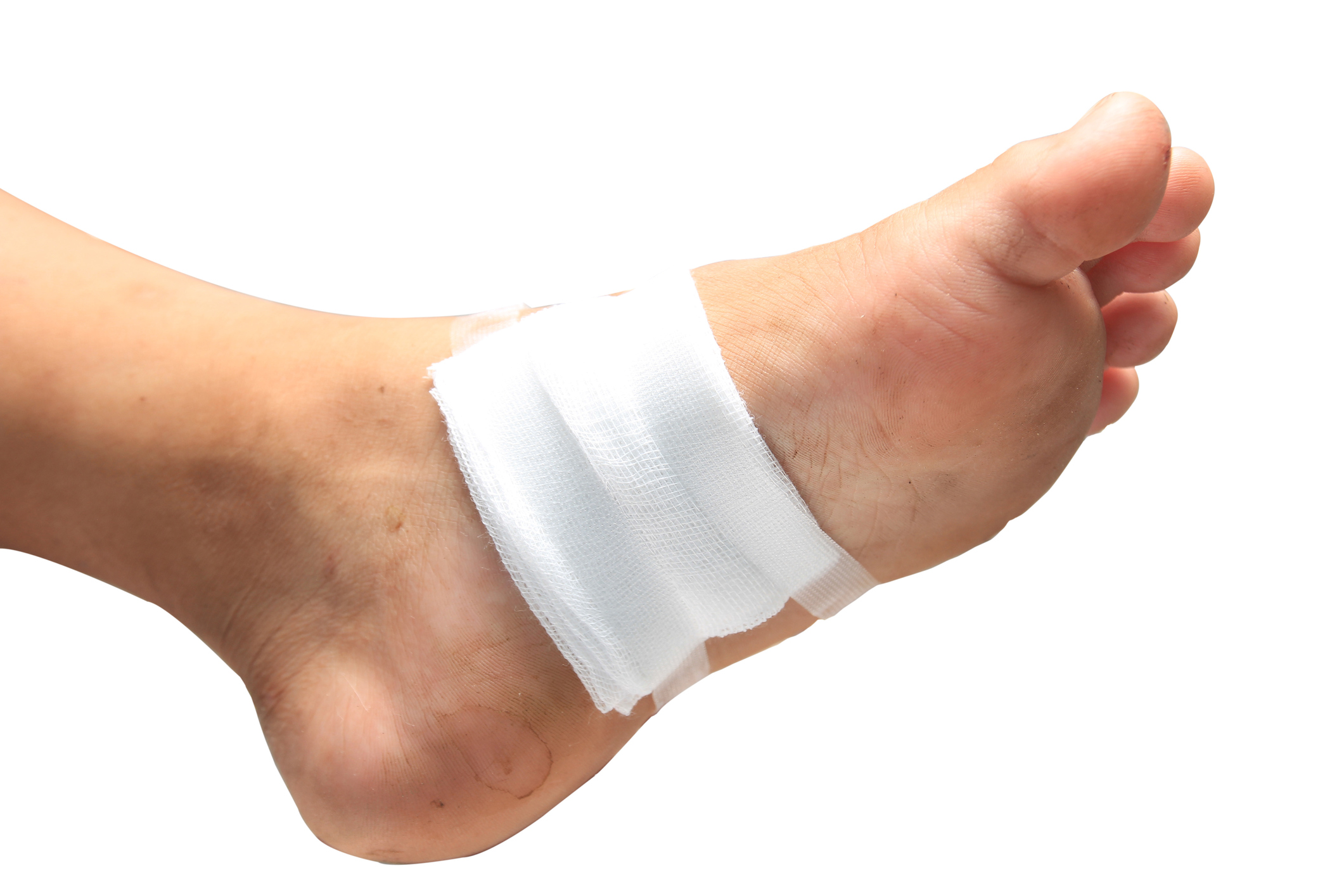
Cellulitis is a common, potentially serious bacterial infection of the skin and tissue beneath the skin. The affected area is typically swollen, inflamed, painful, and warm to the touch.
Cellulitis commonly affects the lower part of your body, including your legs, feet, and toes. However, it can occur in any part of your body like your face, arms, hands, and fingers.
Some symptoms of cellulitis include:
- An irritated area of skin that tends to expand
- Swelling
- Tenderness
- Pain
- Warmth
- Fever
- Chills
- Spots
- Blisters
- Skin dimpling
- Headache
- Weakness
- Red streaks from the original site of the cellulitis
When you first get cellulitis, your skin looks slightly discolored. It may feel slightly warm to the touch. As the infection spreads, the discoloration gets darker and your skin swells and becomes tender.
Some severe symptoms that will need immediate emergency care include:
- If you have a large area of red inflamed skin
- Fever
- If the affected area is causing numbness, tingling, or other changes in a hand, arm, leg, or foot
- If the skin appears black
- If the area that is red and swollen is around your eyes or behind the ears
- If you have diabetes or a weakened immune system
Cellulitis is caused when bacteria, most commonly streptococcus and staphylococcus enter through a crack or break in the skin. Bacteria are more likely to enter broken, dry, flaky, or swollen skin such as a recent surgical site, cuts, puncture wounds, ulcers, athlete’s foot, or dermatitis. If the wound isn’t treated properly, there is potential to encounter a more severe staphylococcus infection called methicillin-resistant Staphylococcus aureus (MRSA).
Another cause of cellulitis occurs due to poor hygiene. Ways to maintain good hygiene include:
- Washing your hands regularly with soap and warm water
- Cleaning and trimming your fingernails and toenails
- Regularly showering and thoroughly drying your skin afterward
- Wearing clean clothes
- Keeping small wounds clean
To diagnose cellulitis, your healthcare provider will ask about your symptoms and examine the affected area. If you have a severe case of cellulitis, your physician may recommend tests to ensure the infection hasn’t spread to other parts of your body. These tests include:
- Blood test
- Skin test
- Bacterial culture
Cellulitis is usually treated with oral antibiotics. However, severe cases of cellulitis may not respond to oral antibiotics. You may require hospitalization and intravenous antibiotics.
The fastest way to get rid of cellulitis is to take the full course of antibiotics. Some home treatments that can help the healing process include:
- A warm compress
- Elevation
- Compression wraps or stockings
Some ways you can reduce your risk of cellulitis include:
- Cleaning your wounds or sores with antibacterial soap and water
- Applying an antibiotic ointment on your wounds or sores
- Covering your wounds or sores with bandages to prevent dirt or bacteria from entering the area
- Refraining from touching or rubbing your affected areas
- Getting medical attention right away for any deep cuts or puncture wounds
If you are experiencing symptoms of cellulitis, you can make an appointment with a qualified physician at Flushing Hospital Medical Center by calling 718-670-5486.
All content of this newsletter is intended for general information purposes only and is not intended or implied to be a substitute for professional medical advice, diagnosis or treatment. Please consult a medical professional before adopting any of the suggestions on this page. You must never disregard professional medical advice or delay seeking medical treatment based upon any content of this newsletter. PROMPTLY CONSULT YOUR PHYSICIAN OR CALL 911 IF YOU BELIEVE YOU HAVE A MEDICAL EMERGENCY.