Robotics: Gastric Bypass

Gastric bypass or “Roux-en-Y” is a metabolic and weight-loss procedure that works by modifying your digestive system so that you consume and absorb fewer calories. It modifies your stomach and also your small intestines.

Similar to other bariatric surgery operations, gastric bypass is recommended for people who have clinically severe obesity. It has been shown to help relieve a long list of obesity-related health conditions, including:

  • Type 2 diabetes
  • Hypertension
  • Obstructive sleep apnea
  • GERD (chronic acid reflux)
  • Heart disease
  • Hyperglycemia
  • Fatty liver disease
  • Hyperlipidemia
  • Osteoarthrosis

The Roux-en-Y procedure gets its name from how it changes your digestive system. “Roux-en-Y” means “in the shape of a Y”. The procedure divides your stomach and small intestine, connecting each new segment to form a “Y” shape. This procedure reduces the functional part of your stomach to a small pouch, separating it from the rest with surgical staples, and restricting the amount of food your stomach can hold. Then, it connects the new stomach pouch to a lower segment of your small intestine. This means that when food goes through your digestive system, it will now bypass most of your stomach and the first part of your small intestine, causing your digestive system to not absorb all of the nutrients or calories in your food.

Gastric bypass surgery requirements are similar to those of other bariatric procedures. A qualified healthcare provider must recommend you for surgery. You may be a candidate for gastric bypass surgery if you:

  • Have been diagnosed with class III obesity
  • Have a BMI of at least 35 with at least one obesity-related condition
  • Have obesity-related type 2 diabetes

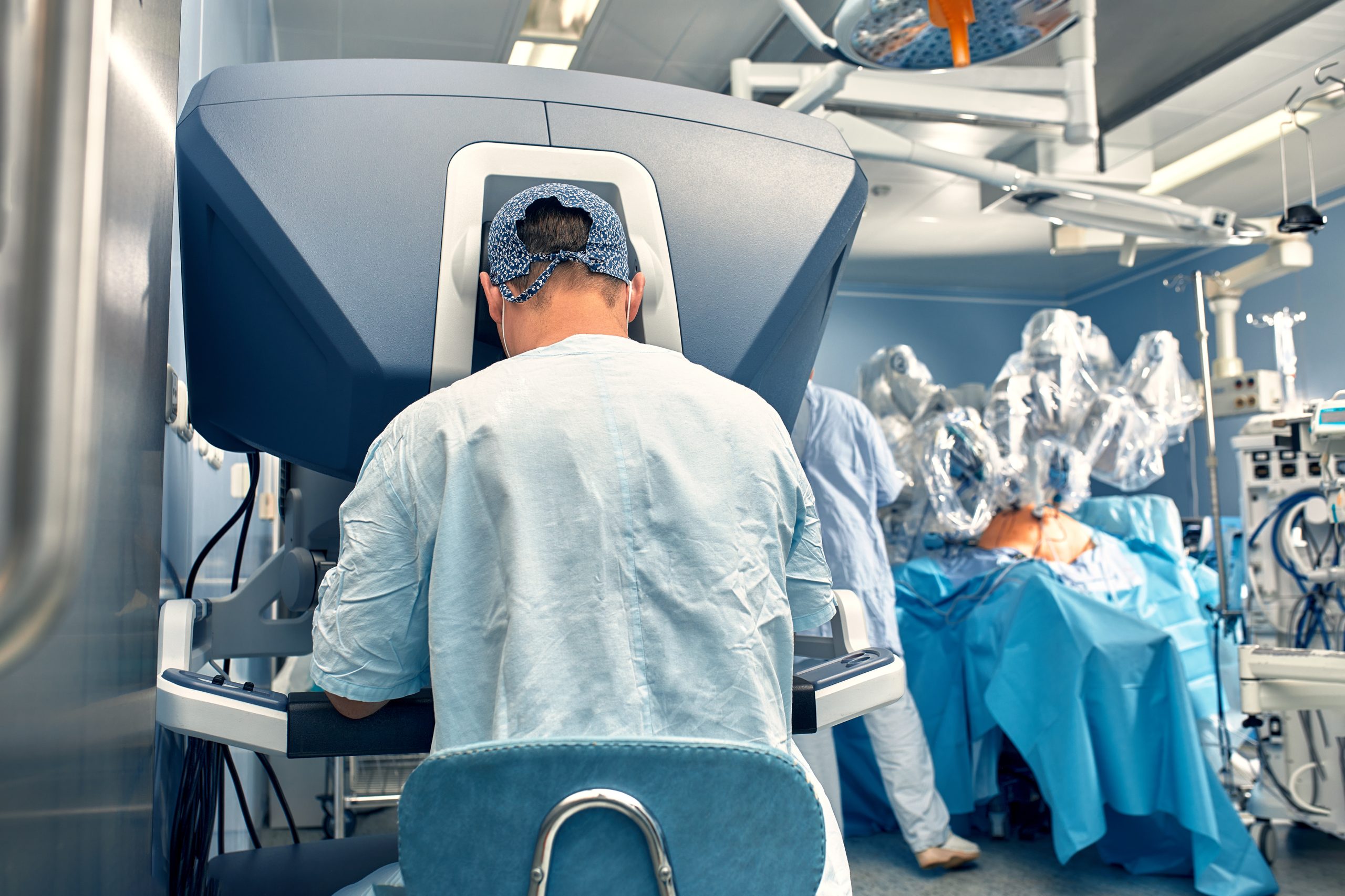
Most Roux-en-Y surgical procedures today are laparoscopic, a minimally invasive surgical technique. However, sometimes they are done with robotic assistance.

There are many potential advantages of robotic-assisted surgery over other types of surgery including:

  • Robot-assisted surgery provides the surgeon with 3D images of inside your abdomen that create a clearer picture for them to reference as they operate compared to the 2D images used during laparoscopic surgery
  • Under the surgeon’s direction, the robot can move more freely and with more versatility than a human hand
  • You’ll have a few tiny scars rather than one large incision scar (as with open surgery)
  • You’re more likely to experience less pain and less bleeding after surgery compared to open surgery
  • You’re more likely to have a quicker recovery time than with open surgery

To learn more about the robotic surgical procedures at Flushing Hospital Medical Center or to schedule an appointment, call (718) 670-5000.


All content of this newsletter is intended for general information purposes only and is not intended or implied to be a substitute for professional medical advice, diagnosis or treatment. Please consult a medical professional before adopting any of the suggestions on this page. You must never disregard professional medical advice or delay seeking medical treatment based upon any content of this newsletter. PROMPTLY CONSULT YOUR PHYSICIAN OR CALL 911 IF YOU BELIEVE YOU HAVE A MEDICAL EMERGENCY.
A Robot Is Removing My Hernia

A hernia is the protrusion of an organ or tissue through the structure or muscle that usually contains it. A hernia occurs immediately or over a long period of time when a combination of muscle strain and weakness is present in the body.

Hernias are most common in the abdomen, but they can also appear in the upper thigh, belly button, and groin areas. Most hernias are not immediately life threatening, but they don’t go away on their own and can require surgery to prevent potentially dangerous complications.

Factors that strain your body and may cause a hernia, especially if your muscles are weak, include:

  • Being pregnant, (which puts pressure on your abdomen)
  • Being constipated, which causes you to strain when having a bowel movement
  • Heavy weight lifting
  • Fluid in the abdomen, or ascites
  • Suddenly gaining weight
  • Straining with urination
  • An Underlying malignancy
  • Persistent coughing or sneezing

Common symptoms of a hernia include:

  • Pain or discomfort in the affected area, especially when bending over, coughing, or lifting
  • Feeling weakness, pressure or heaviness in the abdomen
  • A bulge or protrusion which enlarges with straining and resolves when lying down
  • Feeling a burning or aching sensation at the site of the bulge

If you suspect that these symptoms could be a hernia, visit your doctor for an examination of the affected area and be sure to detail all symptoms. If the results reveal a hernia then the next step would be surgical repair. Whether or not you need surgery depends on the size of your hernia and the severity of your symptoms. During hernia surgery, the weak tissue in the wall of the abdomen or groin is repaired with a mesh.

Technology in surgery is constantly evolving with the intent of increasing positive clinical outcomes and improving patient safety and recovery. One of the greatest medical advances to occur in the pursuit of these goals was the development of surgical robots. Flushing Hospital Medical Center in its dedication to providing patients with the most technologically advanced tools in health care, acquired the da Vinci Surgical Robot. This tool allows for a minimally invasive surgery offering many benefits including, less pain, faster healing time, shorter hospital stay and less risk of infection.

If you have been diagnosed with a hernia and are looking to have the procedure done using the da Vinci surgical robot, Flushing Hospital Medical Center offers this procedure.

For more information about robotic surgery or procedures performed by our surgeons, please contact Flushing Hospital’s Department of Surgery at 718-670-3135.

All content of this newsletter is intended for general information purposes only and is not intended or implied to be a substitute for professional medical advice, diagnosis or treatment. Please consult a medical professional before adopting any of the suggestions on this page. You must never disregard professional medical advice or delay seeking medical treatment based upon any content of this newsletter. PROMPTLY CONSULT YOUR PHYSICIAN OR CALL 911 IF YOU BELIEVE YOU HAVE A MEDICAL EMERGENCY.

What are Gallstones?

Have you ever experienced sudden abdominal pain and wondered if it might be gallstones?

KONICA MINOLTA DIGITAL CAMERA

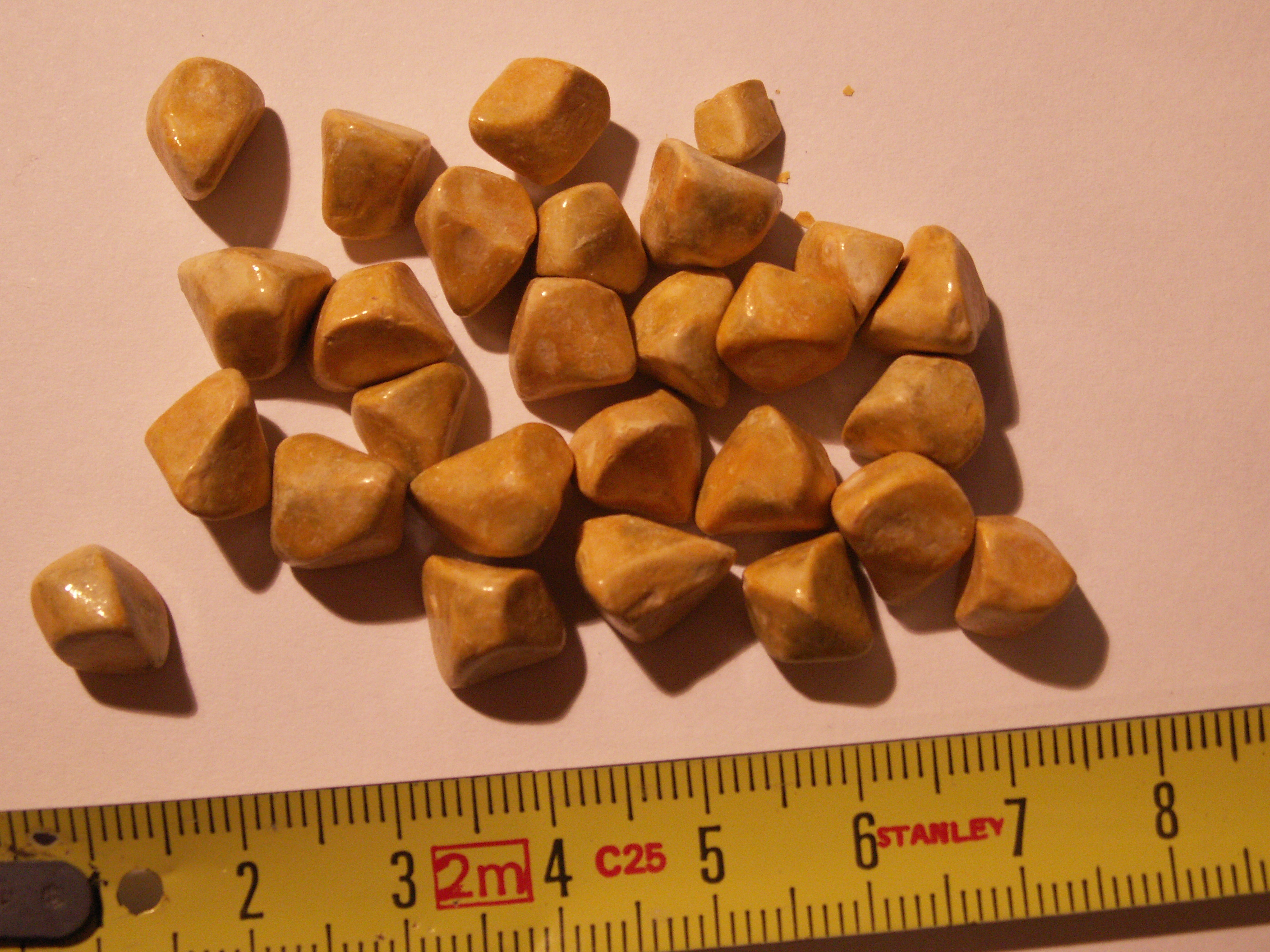
Gallstones form in the gall bladder, located just under the liver, and may cause no signs or symptoms. However, if a gallstone lodges in a bile duct, it could cause a blockage. Gallstone pain may last several minutes to a few hours and symptoms may include:

  • Sudden and rapidly intensifying pain in the upper right portion of your abdomen
  • Sudden and rapidly intensifying pain in the center of your abdomen, just below your breastbone
  • Back pain between your shoulder blades
  • Pain in your right shoulder

Make an appointment with your doctor if you experience any of these signs or symptoms. Seek immediate care if you are experiencing:

  • Abdominal pain so intense that you can’t sit still or find a comfortable position
  • Yellowing of your skin and the whites of your eyes
  • High fever with chills

Laparoscopic surgery to remove the gallbladder, called a cholecystectomy, is one of the most commonly performed surgical procedures in the United States, and is the treatment of choice for gallstones that cause moderate to severe pain. Symptoms usually do not return after the gallbladder has been removed. In a small number of cases, surgery may be done to prevent complications of gallstones.

The surgical team at Flushing Hospital Medical Center offers laparoscopic gallbladder removal using the da Vinci robotic system. Using the robot allows for faster healing time, less scarring and shorter hospital stays.

For an appointment with a gastroenterologist, please contact the Ambulatory Care Department at 718-670-5486.

All content of this newsletter is intended for general information purposes only and is not intended or implied to be a substitute for professional medical advice, diagnosis or treatment. Please consult a medical professional before adopting any of the suggestions on this page. You must never disregard professional medical advice or delay seeking medical treatment based upon any content of this newsletter. PROMPTLY CONSULT YOUR PHYSICIAN OR CALL 911 IF YOU BELIEVE YOU HAVE A MEDICAL EMERGENCY.