 A powerful winter storm called a Nor’easter has brought blizzard-like conditions and a large amount of snowfall to our area.
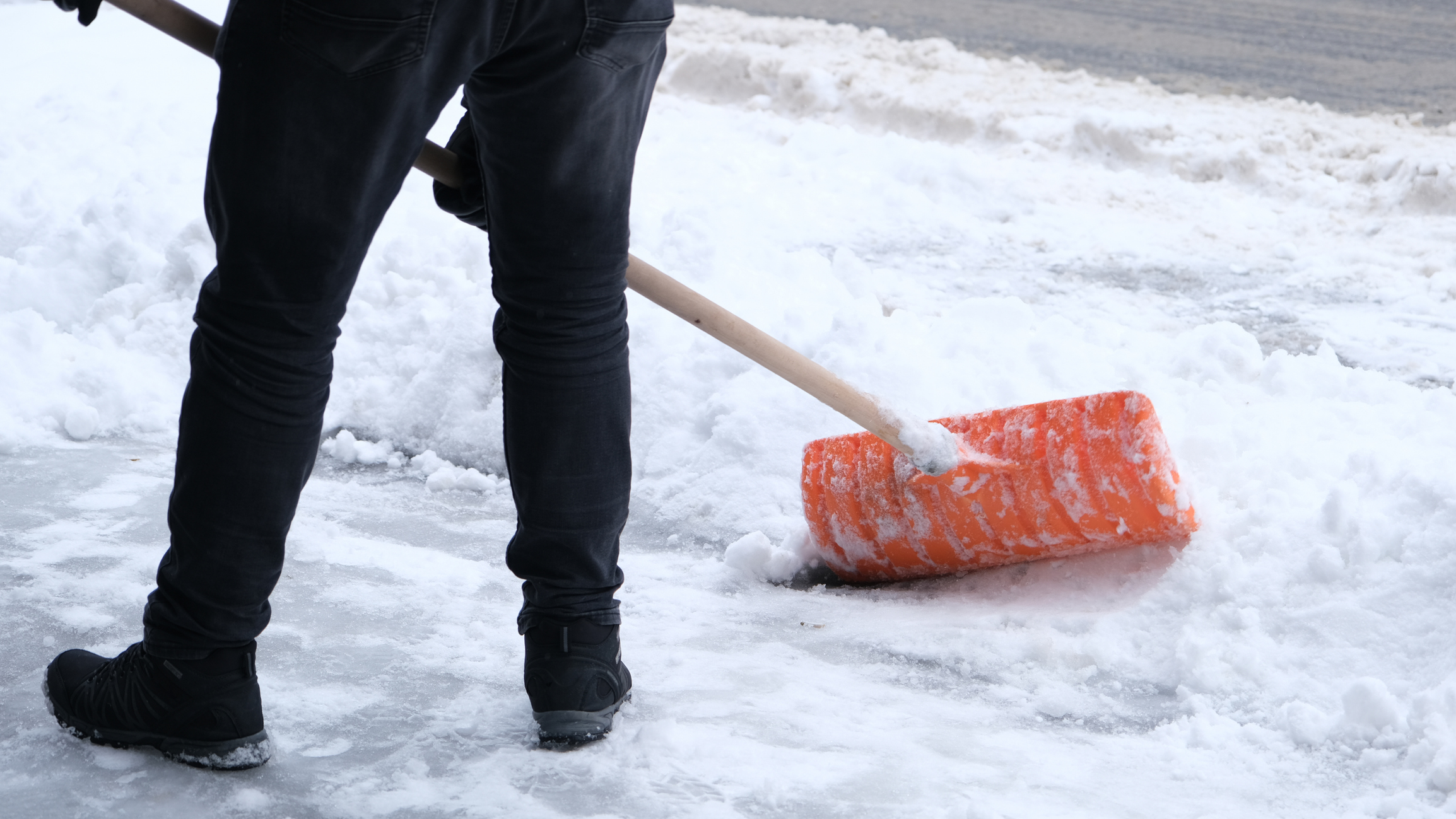
When we get such large amounts of snow, the easy part is watching the beauty of the snow falling. Unfortunately, the most difficult part is having to shovel several inches of snow from the sidewalk and driveway.
A major worry when shoveling large amounts of snow is how it can affect our health.
According to the National Library of Medicine, heavy snowfall, cold temperatures, and low atmospheric pressure during the winter months have been associated with increased adverse cardiovascular events, such as “snow-shoveler’s ST-elevated myocardial infarction (STEMI).”
Snow-shoveler’s STEMI is a type of heart attack that occurs when there is a partial or complete blockage in one of the coronary arteries, which stops blood flow to part of the heart muscle. This can especially occur due to the over-exertion caused by shoveling snow.
Per the American Heart Association, shoveling snow can put some people at risk of a heart attack, but most people won’t have a problem. Sudden exertion, such as shoveling hundreds of pounds of snow or pushing a heavy snow blower after being sedentary for several months, can put a huge strain on the heart.
There is also a factor of cold weather, as it can increase heart rate and blood pressure, and make blood clots form more easily and constrict arteries, which can decrease blood supply. This can even affect healthy people. People who are over the age of 40 years old, or are relatively inactive, are especially at risk. Other people who are at risk of STEMI include:
Those with preexisting heart conditions:
- Those with high blood pressure (hypertension)
- Those who smoke tobacco products
According to Medical News Today, research indicates that heavy snowfall is linked to a 6% higher likelihood of hospital admission for men with a heart attack and a 34% increase in dying.
The National Safety Council recommends the following safety tips to shovel safely:
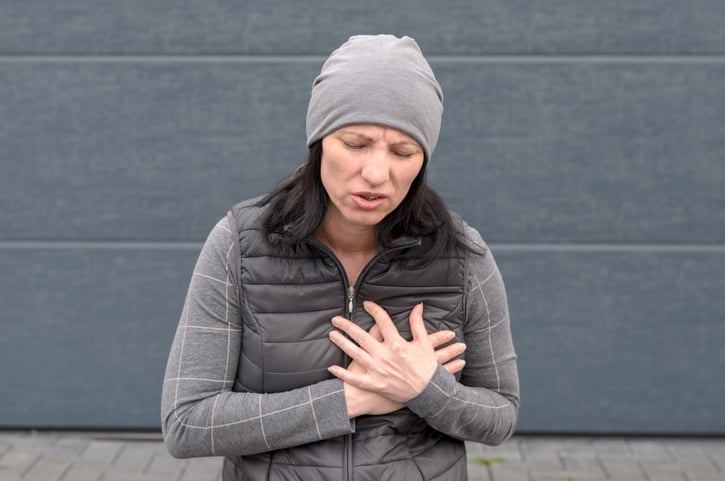
- Know the signs of a heart attack, stop immediately, and call 911 if you’re experiencing any of them; every minute counts
The warning signs of a heart attack include:
-
- Chest discomfort that lasts more than a few minutes or doesn’t go away and returns
- Pain or discomfort in the arms, back, neck, jaw, and stomach
- Shortness of breath
Other signs of a heart attack can include:
-
- Breaking out in a cold sweat
- Nausea
- A rapid or irregular heartbeat
- Unusual tiredness
- Heartburn or indigestion
- Lightheadedness
- Take it slow and stretch before you start shoveling
- Shovel only fresh, powdery snow because it is lighter
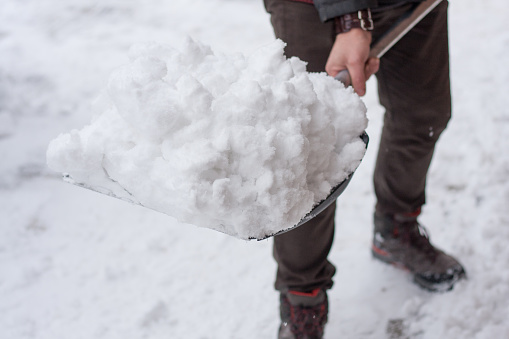
- Push the snow instead of lifting it. If you do lift the snow, use a small shovel or only partially fill the shovel
- Lift with your legs and not your back
- Dress in warm layers
- Do not shovel after eating or while smoking
- Do not work to the point of exhaustion
If you have a history of heart disease, do not pick up a shovel without the permission of your healthcare provider.
If you or a loved one is experiencing symptoms of STEMI, while, during, or after shoveling snow, you can receive treatment from a cardiologist at Flushing Hospital Medical Center’s Ambulatory Care Center. To schedule an appointment, please call (718) 670-5486. If you are experiencing an emergency, please call 911 immediately.
All content of this newsletter is intended for general information purposes only and is not intended or implied to be a substitute for professional medical advice, diagnosis or treatment. Please consult a medical professional before adopting any of the suggestions on this page. You must never disregard professional medical advice or delay seeking medical treatment based upon any content of this newsletter. PROMPTLY CONSULT YOUR PHYSICIAN OR CALL 911 IF YOU BELIEVE YOU HAVE A MEDICAL EMERGENCY.