Staying Safe from the Quad-emic of the flu, RSV, COVID-19, and the Norovirus

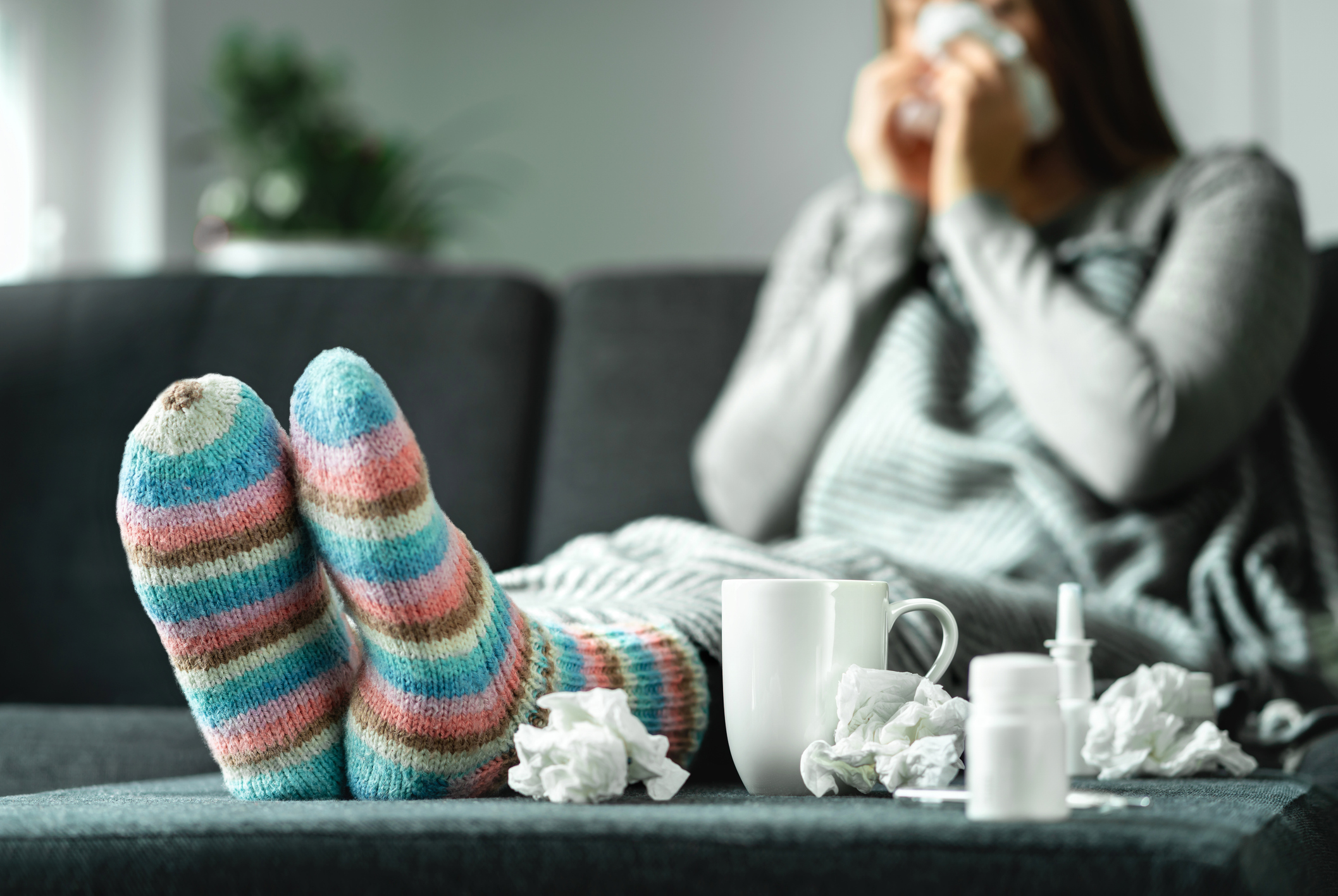
Winter is usually a prime season for flu and RSV cases to rise. However, in recent years, COVID-19 and norovirus infections have been added to the list of winter illnesses creating a “quad-emic”. A quad-emic means these four viral illnesses are spreading simultaneously.

It is important to know when you, a loved one, or a child are showing signs and symptoms of any of the four illnesses to seek immediate care. These contagious viruses can cause health complications and hospitalization, especially for those in high-risk populations if they are left untreated. High-risk people include:

  • Children
  • Elderly people
  • Pregnant women
  • Those with preexisting health conditions such as asthma and heart conditions

Influenza is a highly contagious viral respiratory tract infection that can cause severe illness and life-threatening complications (including pneumonia). Flu cases typically rise in the winter. A flu vaccine reduces the risk of infection, but it is still possible to get the flu if stronger strains form or if you are considered high-risk.

COVID-19 is a respiratory tract infection caused by the SARS-CoV-2 virus. It is highly contagious and symptoms vary from person to person. Even if you are vaccinated or have immunity from a past infection, you may still be at risk as new variants form.

Respiratory syncytial virus or RSV, is a common respiratory virus that infects the nose, throat, and lungs. RSV symptoms are similar to COVID-19 and the flu and are very dangerous for infants, young children, and older adults.

Norovirus, also known as the stomach flu causes vomiting and diarrhea and is extremely contagious.

Symptoms of the quad-emic illnesses include:

  • Fever
  • Coughing
  • Shortness of breath
  • Diarrhea
  • Vomiting
  • Runny nose
  • Body aches
  • Sore throat
  • Headache
  • Loss of taste or smell
  • Fatigue

Treatment will vary by severity of the symptoms and by diagnosis. Some cases can be treated at home with over-the-counter medications, but others may need prescription medication. Your healthcare provider will advise you on the best treatment plan. If you are considered high-risk, they will monitor your symptoms to ensure they aren’t getting worse.

Ways to help to reduce the risk of infection include:

  • Practicing good hygiene such as washing your hands
  • Covering your mouth when coughing or sneezing
  • Staying isolated if you are feeling sick to avoid spreading it to others
  • Getting vaccinated for the flu and COVID-19

If you are experiencing any of these quad-emic illness symptoms, visit Flushing Hospital Medical Center’s Ambulatory Care Center. To schedule an appointment, please call (718) 670-5486. If there is an emergency, please call 911.


All content of this newsletter is intended for general information purposes only and is not intended or implied to be a substitute for professional medical advice, diagnosis or treatment. Please consult a medical professional before adopting any of the suggestions on this page. You must never disregard professional medical advice or delay seeking medical treatment based upon any content of this newsletter. PROMPTLY CONSULT YOUR PHYSICIAN OR CALL 911 IF YOU BELIEVE YOU HAVE A MEDICAL EMERGENCY.
Back-To-School Health Tips

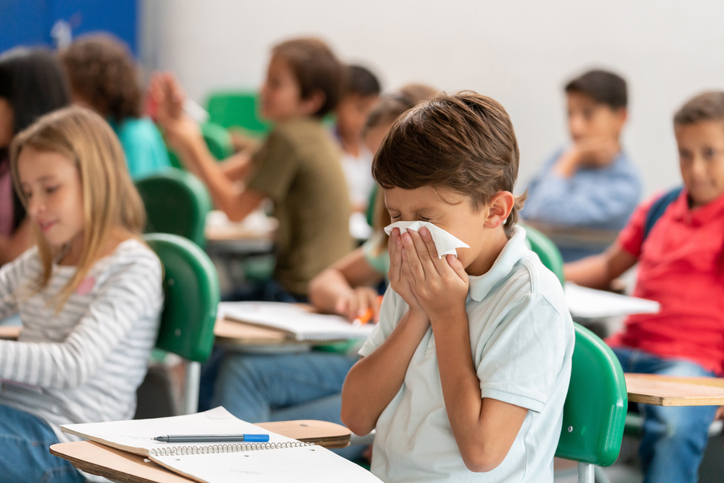
Both the new school year and flu season are approaching, and with other viral illnesses such as respiratory syncytial virus (RSV) and COVID-19 continuing to spread, it’s important to prepare your child with effective habits and strategies for staying healthy. Follow these tips to keep them (and the rest of your family) disease-free this fall:

Get your child vaccinated: Many schools require students to receive the immunizations recommended by the Centers for Disease Control and Prevention (CDC) for their age group. This is a simple, effective method for boosting your child’s natural protection against some of the most common diseases they are likely to be exposed to at school.

Emphasize good hand-washing habits: Your child can come into contact with many different types of germs, bacteria, and viruses while they’re at school or traveling to or from home. Some of these substances, such as cold germs, can live for up to 24 hours on hard surfaces and up to an hour on hands; others, such as the flu, can last much longer, living on hard surfaces for up to 48 hours. Regular, thorough hand-washing is essential for minimizing your child’s contact with these germs and reducing their likelihood of becoming infected.

Take your child to a doctor if they feel sick: If your child starts to feel ill, you can reduce the amount of time they spend feeling sick (and, potentially, the amount of school days they may have to miss) by taking them to a doctor right away. A doctor can prescribe certain medications, such as antivirals or antibiotics (depending on whether your child has a virus or bacterial infection), and recommend other medications and treatments for relieving their symptoms effectively.

If your child has an infection, you can receive specialized treatment at Forest Hills Pediatric Specialists. To schedule an appointment or for more information about the office, please call (718) 704-5020.

All content of this newsletter is intended for general information purposes only and is not intended or implied to be a substitute for professional medical advice, diagnosis or treatment. Please consult a medical professional before adopting any of the suggestions on this page. You must never disregard professional medical advice or delay seeking medical treatment based upon any content of this newsletter. PROMPTLY CONSULT YOUR PHYSICIAN OR CALL 911 IF YOU BELIEVE YOU HAVE A MEDICAL EMERGENCY.

What is RSV?

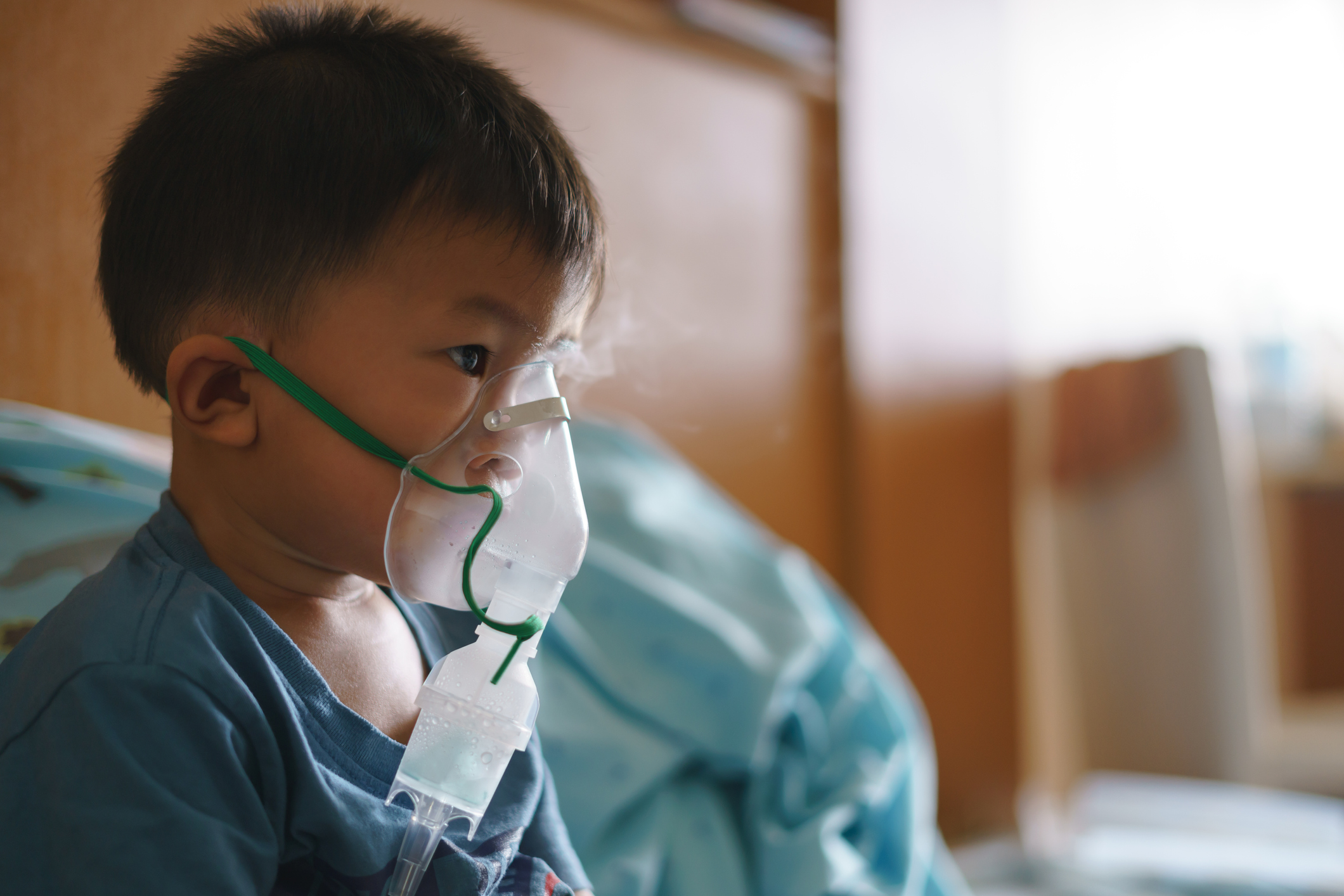
RSV (respiratory syncytial virus) is a respiratory illness that is typically most prevalent during the fall, winter, and early spring seasons. Most children born in the United States will have experienced it at some point before their second birthday.

The virus often presents symptoms similar to those of a cold, including a runny nose, coughing or wheezing, fever, and decreased appetite. These symptoms usually appear approximately four to six days after infection, but may not appear all at once.

While it usually does not lead to hospitalization, RSV can be particularly dangerous to children if it causes bronchiolitis or pneumonia to develop; it’s the most common cause of both of these illnesses in children under the age of one. If an infant develops either of these conditions, becomes dehydrated, or experiences significant difficulty breathing, the situation could become more serious and require hospital care.

RSV can also be especially dangerous for older adults, accounting for approximately 177,000 hospitalizations in adults over the age of 65.

The virus is usually spread through:

  • Bodily fluids such as mucus, saliva, or droplets
  • Surfaces that have the virus on them
  • Direct contact such as kissing an infected person

The best way to decrease the risk of an older adult or infant developing RSV is to prevent as many means of transmission as possible and promptly get them medical care if their symptoms seem to be worsening.

People and children who are at risk of developing severe cases of RSV should:

  • Avoid close contact with infected people and, if possible, close-contact settings such as daycare centers where RSV can more easily spread
  • Frequently wash their hands with soap and water for 20 seconds and refrain from touching their face until after they’ve done so

If you are sick with RSV, you should:

  • Avoid close contact with non-infected people
  • Frequently clean surfaces you’ve touched with disinfectant
  • Wear a mask and/or cover coughs and sneezes with a sleeve or tissue
  • Frequently wash your hands with soap and water for 20 seconds

If you or someone you know has developed RSV symptoms that require medical attention, you can schedule an appointment at Flushing Hospital Medical Center’s Ambulatory Care Center by calling (718) 670-5486 now.

All content of this newsletter is intended for general information purposes only and is not intended or implied to be a substitute for professional medical advice, diagnosis or treatment. Please consult a medical professional before adopting any of the suggestions on this page. You must never disregard professional medical advice or delay seeking medical treatment based upon any content of this newsletter. PROMPTLY CONSULT YOUR PHYSICIAN OR CALL 911 IF YOU BELIEVE YOU HAVE A MEDICAL EMERGENCY.