Wellness Wednesday: The Benefits of Writing In A Gratitude Journal

The hustle of daily life sometimes overshadows the simple joys, but taking time to pause and reflect can highlight the small pleasures and improve your well-being.

A tool that can help you with reflection is writing in a gratitude journal. Writing in a gratitude journal could be beneficial as it can also help to:

  • Boost happiness
  • Reduce stress
  • Improve sleep
  • Enhance self-awareness
  • Cultivate optimism
  • Strengthen relationships
  • Improves physical health
  • Encourage resilience

A gratitude journal is a personal space to record and cherish the good things in your life, big or small. It is also a place to write down everything you feel thankful for. This can be as simple as a sunny day, a good meal, or a smile from a stranger. The key is to focus on the positives and things that bring you joy and comfort.

Taking the time to acknowledge the positives can help change your mindset, shifting your focus from what you don’t have to what you do have.

There is no wrong way to keep a gratitude journal. You can get started by writing down up to five things you feel grateful for. You can use a notebook, your phone’s notes app, your computer, or whatever works best for you.

Here are some important tips for you to consider as you start journaling:

  • Be as specific as possible- being clear is the key to fostering gratitude.
  • Go for depth over breadth- going into detail about a particular person or thing for which you’re grateful, carries more benefits than a surface-level list of many things.
  • Get personal- focusing on people you are grateful for has more of an impact than focusing on things you are grateful for.
  • Try subtraction, not just addition- Be grateful for the negative outcomes you avoided, escaped, prevented, or turned into something positive. Try not to take the good fortune for granted.
  • See the good things as gifts- thinking of the good things as gifts helps you avoid taking them for granted. Try to enjoy and savor the gifts you have received.
  • Savor surprises- try to record unexpected or surprising events, as they can bring up stronger feelings of gratitude.
  • Aim for variety- writing about some of the same people and things is fine, but try to expand on different details each time you write about them.
  • Write regularly- whether you write daily or every other day, commit to a regular time to journal.

Gratitude journaling can be an enjoyable path to a more appreciative and positive life. Take the steps to make it a regular part of your daily routine to soak up the benefits.

All content of this newsletter is intended for general information purposes only and is not intended or implied to be a substitute for professional medical advice, diagnosis or treatment. Please consult a medical professional before adopting any of the suggestions on this page. You must never disregard professional medical advice or delay seeking medical treatment based upon any content of this newsletter. PROMPTLY CONSULT YOUR PHYSICIAN OR CALL 911 IF YOU BELIEVE YOU HAVE A MEDICAL EMERGENCY.
Wellness Wednesday: The Health Benefits of Napping

There are days when you suddenly get tired in the middle of the day and want to nap. But napping at the wrong time of day or for too long can backfire causing sleep inertia and insomnia.

If you are considering taking a nap, make sure that it is at a time when you:

Are experiencing new fatigue or unexpected sleepiness; are about to experience sleep loss like during a long work shift; are eight hours or more before bedtime.

Here are some tips that will help you get the most out of your naptime:

  • Keep naps short- aim to nap for 10 to 20 minutes. The longer you nap the more likely you will feel groggy afterward.
  • Take naps in the early afternoon- napping after 3 pm can interfere with nighttime sleep. Individual factors such as your need for sleep, your sleeping schedule, your age, and your medication use can play a role in determining the best time of day to nap.
  • Create a restful environment- nap in a quiet, dark place with a comfortable room temperature and few distractions.

There are many benefits of napping, including:

  • Relaxation
  • Reduced fatigue
  • Increased alertness
  • Improved mood
  • Improved performance
  • Quicker reaction time
  • Better memory
  • An improved creative mindset

After napping, give yourself time to wake up before you resume activities, especially those requiring a quick or sharp response.

All content of this newsletter is intended for general information purposes only and is not intended or implied to be a substitute for professional medical advice, diagnosis or treatment. Please consult a medical professional before adopting any of the suggestions on this page. You must never disregard professional medical advice or delay seeking medical treatment based upon any content of this newsletter. PROMPTLY CONSULT YOUR PHYSICIAN OR CALL 911 IF YOU BELIEVE YOU HAVE A MEDICAL EMERGENCY.

#WELLNESSWEDNESDAY

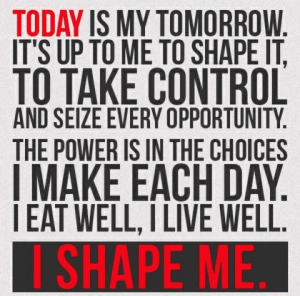
With all the running around we do and the stress we deal with each and every day, try to take a moment to center your mind and bring wellness to your entire being.  Try reciting these and other positive affirmations to help start your day in a positive way.

All content of this newsletter is intended for general information purposes only and is not intended or implied to be a substitute for professional medical advice, diagnosis or treatment. Please consult a medical professional before adopting any of the suggestions on this page. You must never disregard professional medical advice or delay seeking medical treatment based upon any content of this newsletter. PROMPTLY CONSULT YOUR PHYSICIAN OR CALL 911 IF YOU BELIEVE YOU HAVE A MEDICAL EMERGENCY.
How Is Water Good For Your Health?


Drinking water is often touted as a way to clear the body’s system of unnecessary waste, but it actually has many more benefits.

Studies show that water can:

  1. Lubricate the joints of the body
  2. Help form saliva and mucous
  3. Deliver oxygen throughout the body
  4. Boost skin health and beauty
  5. Cushion the brain, spinal cord and other sensitive tissues
  6. Regulate body temperature
  7. Aid the digestive track
  8. Help maintain blood pressure
  9. Help keep  airways open
  10. Makes minerals and nutrients accessible throughout the body
  11. Prevent kidney damage
  12. Boost performance during exercise
  13. Promote weight loss
  14. Helps prevent hangover

According to the Mayo Clinic, an adequate daily fluid intake is about 15.5 cups (3.7 liters) of fluids for men and about 11.5 cups (2.7 liters) of fluids for women.

All content of this newsletter is intended for general information purposes only and is not intended or implied to be a substitute for professional medical advice, diagnosis or treatment. Please consult a medical professional before adopting any of the suggestions on this page. You must never disregard professional medical advice or delay seeking medical treatment based upon any content of this newsletter. PROMPTLY CONSULT YOUR PHYSICIAN OR CALL 911 IF YOU BELIEVE YOU HAVE A MEDICAL EMERGENCY.

#WellnessWednesday

Leonardo da Vinci, although best known as a painter, happend to be fascinated by science. Like any modern day scientist, he used observations, common-sense reasoning and research to find answers to satisfy the many questions he had regarding the health of the human body, mind and soul.

He cataloged his findings in his “Notebooks.”  We are sharing one of his thoughts here and wish you a great #wellnesswednesday

“Vitality and beauty are gifts of Nature for those who live according to its laws.” ~ Leonardo da Vinci

All content of this newsletter is intended for general information purposes only and is not intended or implied to be a substitute for professional medical advice, diagnosis or treatment. Please consult a medical professional before adopting any of the suggestions on this page. You must never disregard professional medical advice or delay seeking medical treatment based upon any content of this newsletter. PROMPTLY CONSULT YOUR PHYSICIAN OR CALL 911 IF YOU BELIEVE YOU HAVE A MEDICAL EMERGENCY.

#Wellness Wednesday

Physical fitness is not only one of the most important keys to a healthy body, it is the basis of dynamic and creative intellectual activity. -John F. Kennedy

All content of this newsletter is intended for general information purposes only and is not intended or implied to be a substitute for professional medical advice, diagnosis or treatment. Please consult a medical professional before adopting any of the suggestions on this page. You must never disregard professional medical advice or delay seeking medical treatment based upon any content of this newsletter. PROMPTLY CONSULT YOUR PHYSICIAN OR CALL 911 IF YOU BELIEVE YOU HAVE A MEDICAL EMERGENCY.

Are You Living Your Best Life?

We are all in search of finding ways to live our best life.  Often times we base our happiness on when we will have enough money or when a great job comes along or when we find our perfect love match.

That statement begs the question, “Why wait?”  Sometimes happiness arrives without any fanfare and we just begin to feel better.   That single emotional change can, often times, bring change in the other areas of your life.

Here are a few tips to get you moving toward your goal:

  • Live a clutter free life at home and in the office.
  • Learn how to say “no” so that we have more time to say “yes.”
  • Create a realistic budget you can live within.
  • Realize the benefits of exercise.
  • Eat healthy.
  • Walk more.
  • Choose friends with a positive outlook.
  • Don’t take life too seriously.

Recognizing when it is your time to “make it happen” is the key to success.  It may be a bit bumpy in the beginning, but everything that is worthwhile is worth working towards.  Good Luck!


All content of this newsletter is intended for general information purposes only and is not intended or implied to be a substitute for professional medical advice, diagnosis or treatment. Please consult a medical professional before adopting any of the suggestions on this page. You must never disregard professional medical advice or delay seeking medical treatment based upon any content of this newsletter. PROMPTLY CONSULT YOUR PHYSICIAN OR CALL 911 IF YOU BELIEVE YOU HAVE A MEDICAL EMERGENCY.

Can Practicing Yoga Help Lower Your Blood Pressure?

Practicing yoga can give your overall health an added boost.  Studies have found that it is also helpful in fighting hypertension when combined with other methods of management such as a healthy diet, medication and aerobic exercise.  Research indicates that on average patients who incorporated yoga into their care management routine saw a notable reduction in their systolic blood pressure (top number) and diastolic blood pressure (bottom number).

It is believed that yoga is an effective complementary treatment for hypertension because it increases and strengthens the body’s ability to take in oxygen.  Additionally it can help improve resiliency to stress; a trigger in elevating blood pressure levels.

If you decide to include yoga as a part of your care, it is important to know that not all yoga poses are created equal in high blood pressure management. There are some poses that are helpful and there are others that can be harmful.

Yoga poses that can be beneficial are:

  • Bridge pose
  • Posterior stretch pose
  • Savasana pose
  • Child pose

Yoga poses that should be avoided or modified include:

  • Bow pose
  • Camel pose
  • Feathered peacock pose
  • Balasana pose

It is important that you speak with your physician before trying yoga.  Your physician will assess your health and advise if you are physically capable.  If your doctor has given you the green light, inform your yoga instructor about your hypertension.  This information will help in the prevention of injuries or the exacerbation of your medical condition.

All content of this newsletter is intended for general information purposes only and is not intended or implied to be a substitute for professional medical advice, diagnosis or treatment. Please consult a medical professional before adopting any of the suggestions on this page. You must never disregard professional medical advice or delay seeking medical treatment based upon any content of this newsletter. PROMPTLY CONSULT YOUR PHYSICIAN OR CALL 911 IF YOU BELIEVE YOU HAVE A MEDICAL EMERGENCY.

Do You Have “White Coat Hypertension?

Does the thought of having a physician take your blood pressure make you nervous? Anxiety over going to the doctor’s office can lead to an elevation in your blood pressure; a condition known as “white coat hypertension.”

White coat hypertension is a real condition that occurs when blood pressure readings at your doctor’s office are higher than they are in other settings, such as your home. The term white coat refers to the traditional white lab coat health care professionals wear in clinical settings.

The underlying cause of white coat hypertension is believed to be tension and stress associated with being examined by a physician. Not much attention was given to this condition since the blood pressure of patients returned to normal levels when taken in the home environment, where they feel more relaxed. Recent studies however have proven that people with white coat hypertension are twice as likely to develop true hypertension within a decade, compared to people with normal blood pressure levels.

How do you know if you have white coat hypertension and what should you do if you have it? The first step is for your doctor to have you monitor your blood pressure at home to see if it returns to normal levels. If it does, together, you and your doctor can decide whether to treat it or not. On one hand, if your blood pressure is normal during the rest of the day, taking blood pressure medications can lead to hypotension (low blood pressure). On the other hand, people with white coat hypertension might have elevated blood pressure during other stressful parts of the day. Many factors, such as age, family history, and the existence of other conditions will help the doctor make the right decision for you.

There are things that you can do to reduce your anxiety and stress before having your blood pressure checked by a health care professional. First, avoid drinking excessive amounts of water before checking your blood pressure because water can increase your reading. Also, do not participate in any physical activity before having your blood pressure taken. Excessive physical exertion will raise blood pressure. Lastly, avoid stressful situations and remain calm leading up to and during your visit to the doctor’s office.

If you think you have hypertension, make an appointment with your doctor immediately. If you do not have a primary care physician, call Flushing Hospital Medical Center’s Ambulatory Care Center at 718-670- 5486 to schedule an appointment.

All content of this newsletter is intended for general information purposes only and is not intended or implied to be a substitute for professional medical advice, diagnosis or treatment. Please consult a medical professional before adopting any of the suggestions on this page. You must never disregard professional medical advice or delay seeking medical treatment based upon any content of this newsletter. PROMPTLY CONSULT YOUR PHYSICIAN OR CALL 911 IF YOU BELIEVE YOU HAVE A MEDICAL EMERGENCY.

Resolve to Eat Right

With the holidays drawing to a close, it will soon be the time for resolutions.  Why not make eating right a part of your resolution.

Eating right doesn’t have to be complicated.  You can begin with a simple shift to lean meats, fruits, vegetables, and complex carbohydrates into your nutritional regimen while lessening your intake of processed foods, white flour and sugar.

For more information on eating right, contact the Flushing Hospital Medical Center’s  Ambulatory Care Center at  718-670-5486 to speak with a nutritionist.

All content of this newsletter is intended for general information purposes only and is not intended or implied to be a substitute for professional medical advice, diagnosis or treatment. Please consult a medical professional before adopting any of the suggestions on this page. You must never disregard professional medical advice or delay seeking medical treatment based upon any content of this newsletter. PROMPTLY CONSULT YOUR PHYSICIAN OR CALL 911 IF YOU BELIEVE YOU HAVE A MEDICAL EMERGENCY.