
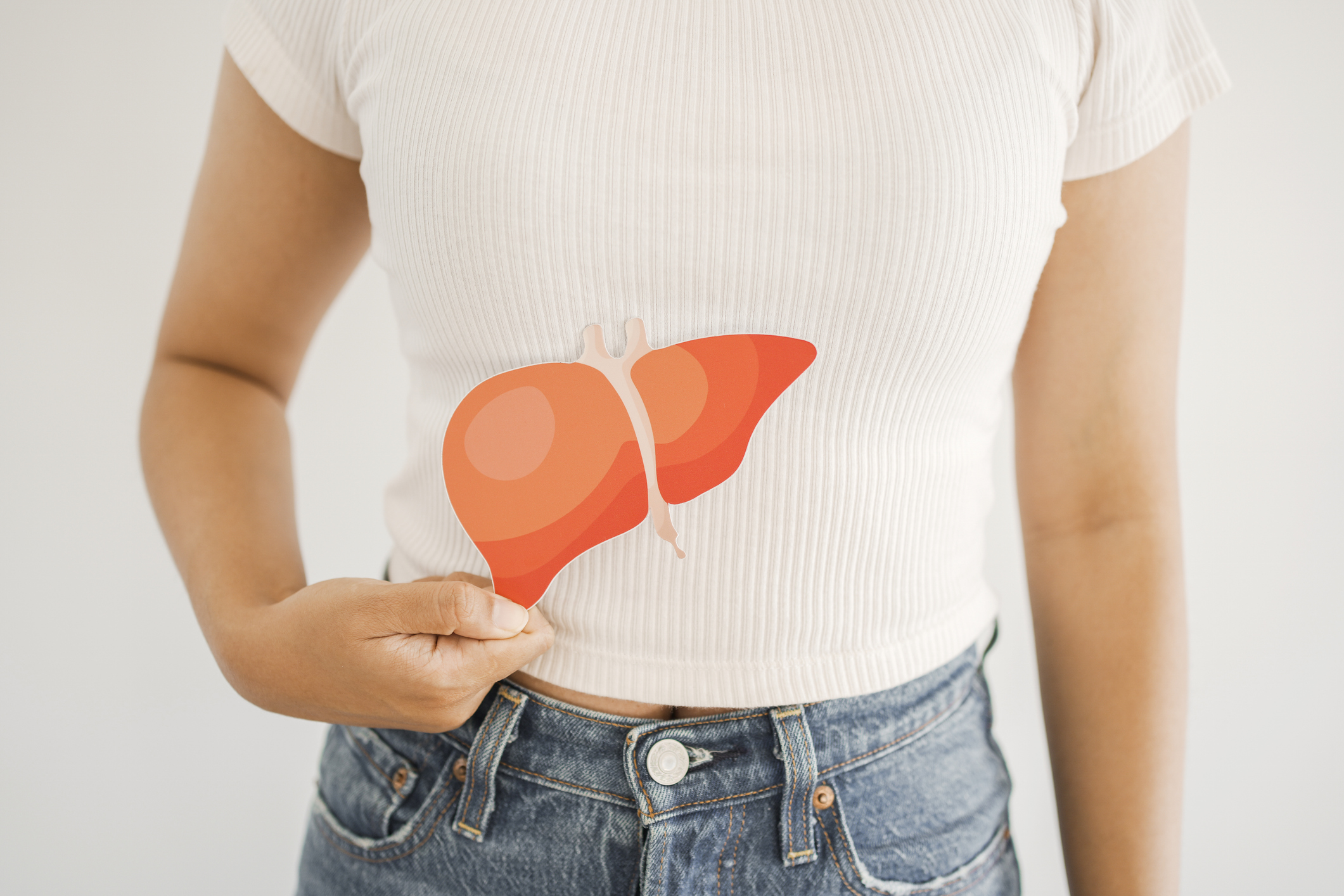
 Fatty liver disease, or steatotic liver disease, occurs when too much fat builds up in the liver. This can interfere with normal liver function or lead to scarring, inflammation, or damage.
Fatty liver disease is divided into two main categories: Metabolic dysfunction-associated steatotic liver disease (MASLD); formerly known as non-alcoholic fatty disease, and alcohol-associated liver disease (ALD); formerly known as alcoholic fatty disease.
MASLD is the most common type; it can progress into a more serious form of fatty liver disease known as metabolic dysfunction-associated steatohepatitis (MASH). MASLD becomes MASH when fatty buildup in the liver leads to cell inflammation and damage.
While the two main types of fatty liver disease are MASLD and ALD, doctors also recognize subtypes, such as metabolic dysfunction and alcohol-associated liver disease (MetALD); which occurs when a person has metabolic risk factors such as diabetes alongside moderate-to-heavy alcohol consumption.
Fatty liver disease can develop for several reasons, depending on the type. Fatty liver disease is linked to:
- Genetics
- Metabolic conditions such as diabetes and obesity
- Heavy alcohol consumption
- Certain prescription medications
- Hyperlipidemia (high levels of fat in the blood)
Some people are at higher risk of developing fatty liver disease than others. Risk factors are:
- Being overweight or obese
- Having high cholesterol or triglycerides
- Having high blood pressure
- Having diabetes
- Heavy and chronic alcohol use
- Living a sedentary lifestyle
- Taking certain medicines, such as corticosteroids
Early-onset fatty liver disease may not present symptoms. However, the following symptoms may occur over time:
- Abdominal swelling
- Shortness of breath
- Itchy skin
- A change in the skin color of the palms
- Persistent fatigue
- Yellowing of the skin and eyes
- Weakness
- Unexplained weight loss
- Confusion or trouble thinking
- Swelling of the legs
Fatty liver disease can get worse if left untreated. It can cause cardiovascular disease, scarring of the liver, liver damage, or liver failure.
Doctors diagnose fatty liver disease using your medical history, blood tests, imaging procedures, or a liver biopsy. Treatment may involve managing underlying medical conditions, losing weight, avoiding or limiting alcohol, increasing physical activity, or eating a healthy diet.
To schedule an appointment with a doctor at Flushing Hospital Medical Center, please call 718-670-5486.
All content of this newsletter is intended for general information purposes only and is not intended or implied to be a substitute for professional medical advice, diagnosis or treatment. Please consult a medical professional before adopting any of the suggestions on this page. You must never disregard professional medical advice or delay seeking medical treatment based upon any content of this newsletter. PROMPTLY CONSULT YOUR PHYSICIAN OR CALL 911 IF YOU BELIEVE YOU HAVE A MEDICAL EMERGENCY.