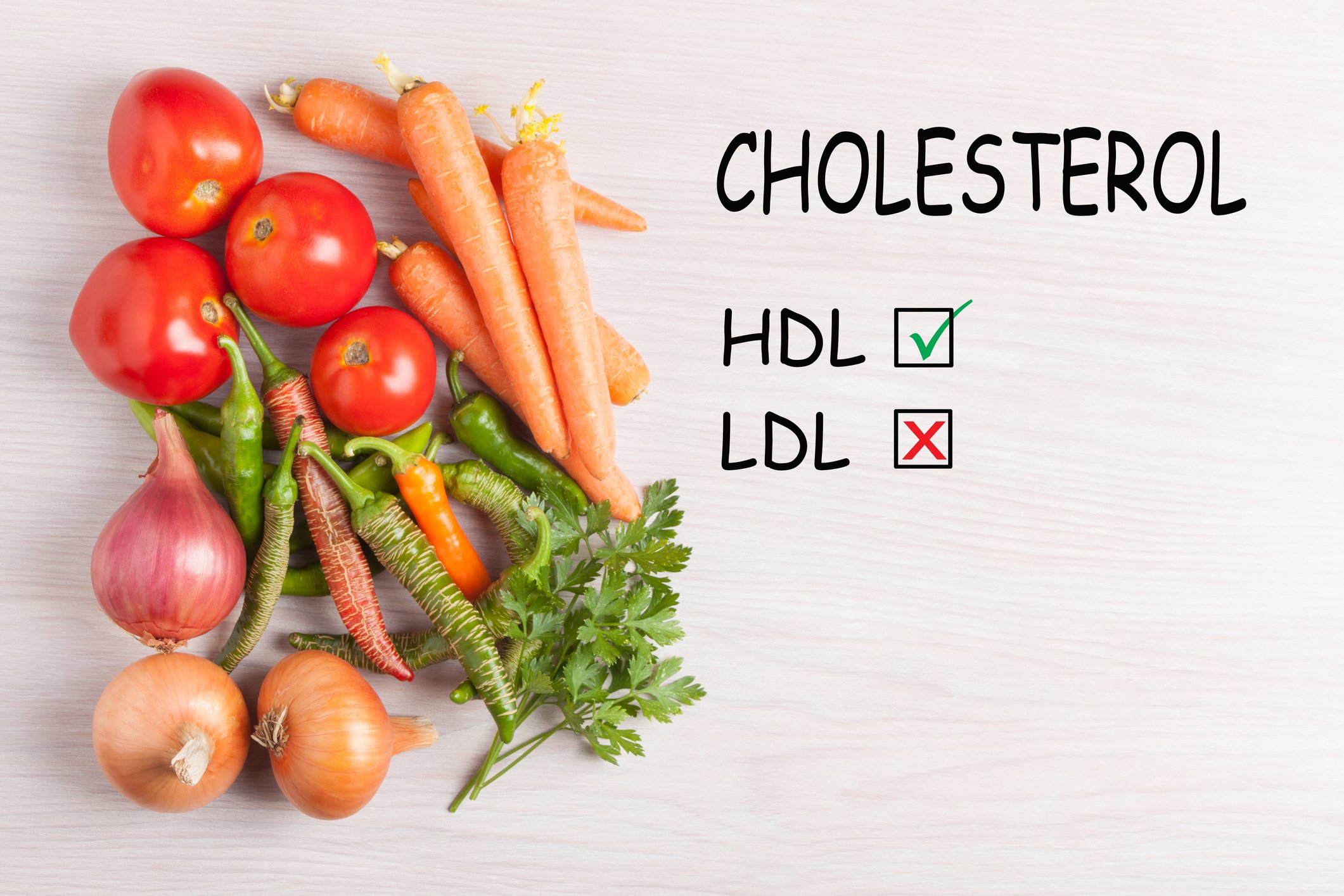
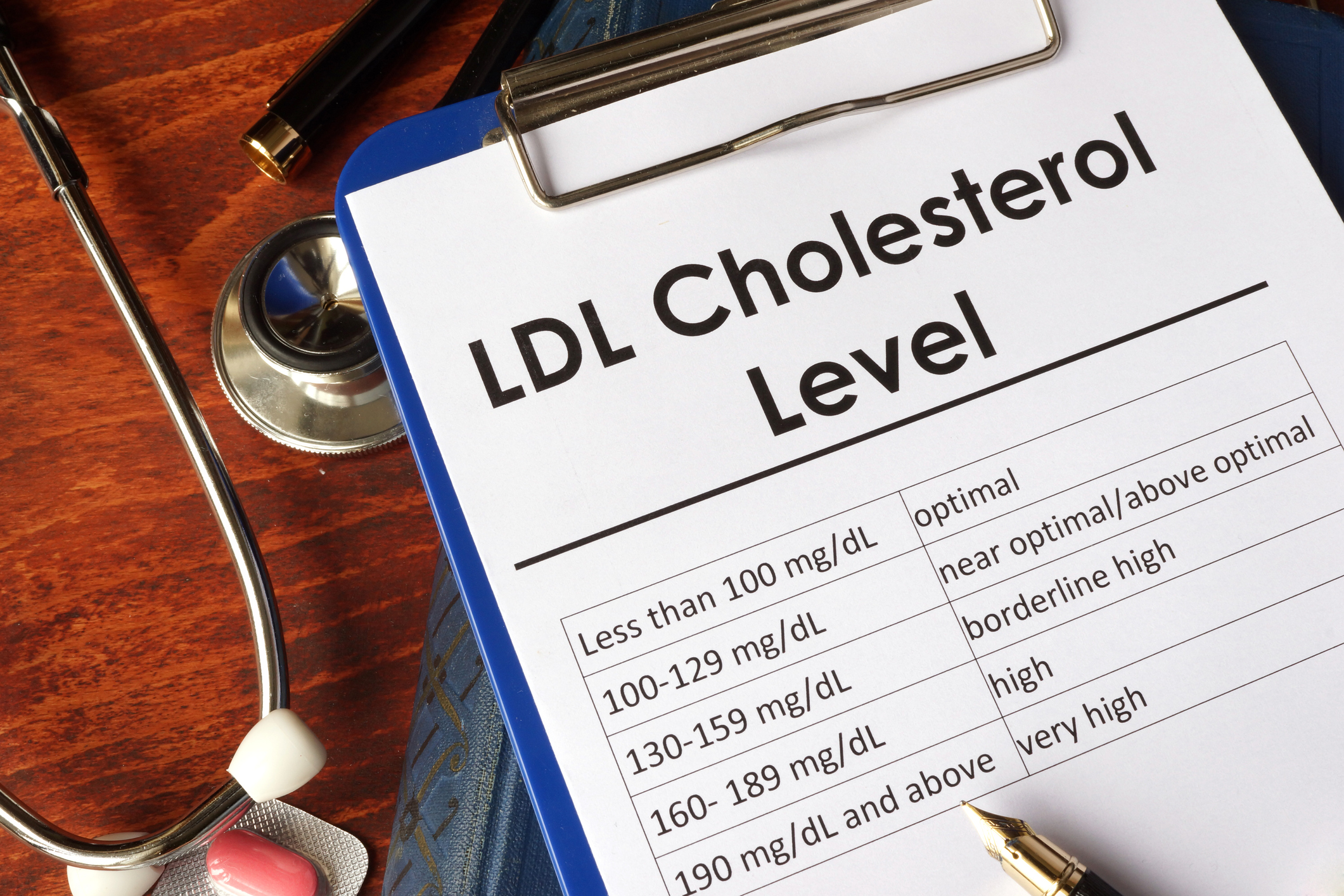
 High levels of low-density lipoprotein (LDL) cholesterol, or “bad cholesterol,” are primarily caused by obesity and unhealthy lifestyle habits, such as a diet rich in saturated and trans fats, smoking, and a lack of physical activity. These are all controllable factors.
High cholesterol can also arise from uncontrollable factors such as genetics.
Some individuals inherit genes from their biological parents that predispose them to high LDL cholesterol levels. This condition is known as familial hypercholesterolemia (FH), a genetic disorder caused by mutations in the LDLR gene located on chromosome 19. This mutation affects the body’s ability to process cholesterol properly.
There are two types of FH:
- Heterozygous familial hypercholesterolemia, which is the most common of the two types, occurs if one parent gives you the FH variant
- Homozygous familial hypercholesterolemia, which is rare and more serious, occurs when both parents give you the FH variant
While the genetic mutations that cause familial hypercholesterolemia are present from birth, symptoms may not appear until adulthood. They may develop earlier in childhood in people who inherit FH from both parents. Symptoms of familial hypercholesterolemia include:
- High levels of LDL cholesterol in the blood
- Corneal arcus- a white or gray ring around the iris of the eye
- Cholesterol deposits in the eyelids (xanthelasmas)
- Chest pain
- Cholesterol or fatty skin deposits that form on the hands, elbows, and knees
- Swollen or painful Achilles tendon
- Cramping of one or both calves when walking
- Sores on the toes that do not heal
Living with familial hypercholesterolemia increases the risk of a heart attack at an early age. The risk is also greater for premature cardiovascular disease and death at an earlier age.
Familial hypercholesterolemia is not preventable; however, it is very treatable. If your healthcare provider suspects that you have FH, they will perform a physical examination and may order a lipid panel or genetic testing to help confirm a diagnosis.
If you have familial hypercholesterolemia, your doctor will prescribe medications such as statins to control cholesterol levels. Practicing healthy lifestyle habits such as exercising regularly, eating a healthy diet, and maintaining a healthy weight may also help reduce the risk of complications.
To schedule an appointment with a doctor at Flushing Hospital Medical Center, please call 718-670-5486.
All content of this newsletter is intended for general information purposes only and is not intended or implied to be a substitute for professional medical advice, diagnosis or treatment. Please consult a medical professional before adopting any of the suggestions on this page. You must never disregard professional medical advice or delay seeking medical treatment based upon any content of this newsletter. PROMPTLY CONSULT YOUR PHYSICIAN OR CALL 911 IF YOU BELIEVE YOU HAVE A MEDICAL EMERGENCY.