What to Know About Protein Intake While on Weight Loss Medication

GLP-1 antagonists are a class of medications that mainly manage blood sugar levels in people with Type 2 diabetes. Some GLP-1 antagonists can also help treat obesity.

When a person starts to lose weight on a GLP-1 weight loss medication, it can happen very fast. However, as they lose fat, they could also be losing essential lean muscle mass, which can harm their metabolism and blood sugar levels. This will ultimately work against weight loss efforts and can even negatively affect bone health.

Protein is the building block of muscle. Getting enough is crucial for preventing muscle loss, especially when consuming fewer calories. When you consume enough protein, you are more likely to retain and even build muscle. However, when you don’t have enough protein, your body will cannibalize some of your muscle mass for energy.

A 2024 review study that made diet recommendations for GLP-1 patients based on the latest research recommends at least 60 grams of protein a day. It is suggested to aim for 20 to 40 grams of protein at every meal.

Most people who are on GLP-1 medications experience at least one side effect. The side effects are worse just after starting and in the days after increasing the dose. Fortunately, there are ways to combat those side effects, including:

  • Make every meal count
  • Schedule your meals
  • Make protein a priority
  • Aim for 64 ounces of fluid a day, plus electrolytes
  • Avoid fatty and greasy foods
  • Steer clear of sugary foods, alcohol, and refined carbs
  • Maintain muscle with resistance training
  • Eat smaller portions more frequently
  • Add fiber to your diet
  • Talk to your doctor if you are having side effects

For more information about the Bariatric Surgery Services at Flushing Hospital or procedures performed by our doctors, please call 718-408-6977 or 718-670-8908.


All content of this newsletter is intended for general information purposes only and is not intended or implied to be a substitute for professional medical advice, diagnosis or treatment. Please consult a medical professional before adopting any of the suggestions on this page. You must never disregard professional medical advice or delay seeking medical treatment based upon any content of this newsletter. PROMPTLY CONSULT YOUR PHYSICIAN OR CALL 911 IF YOU BELIEVE YOU HAVE A MEDICAL EMERGENCY.

Robotics: Gastric Bypass

Gastric bypass or “Roux-en-Y” is a metabolic and weight-loss procedure that works by modifying your digestive system so that you consume and absorb fewer calories. It modifies your stomach and also your small intestines.

Similar to other bariatric surgery operations, gastric bypass is recommended for people who have clinically severe obesity. It has been shown to help relieve a long list of obesity-related health conditions, including:

  • Type 2 diabetes
  • Hypertension
  • Obstructive sleep apnea
  • GERD (chronic acid reflux)
  • Heart disease
  • Hyperglycemia
  • Fatty liver disease
  • Hyperlipidemia
  • Osteoarthrosis

The Roux-en-Y procedure gets its name from how it changes your digestive system. “Roux-en-Y” means “in the shape of a Y”. The procedure divides your stomach and small intestine, connecting each new segment to form a “Y” shape. This procedure reduces the functional part of your stomach to a small pouch, separating it from the rest with surgical staples, and restricting the amount of food your stomach can hold. Then, it connects the new stomach pouch to a lower segment of your small intestine. This means that when food goes through your digestive system, it will now bypass most of your stomach and the first part of your small intestine, causing your digestive system to not absorb all of the nutrients or calories in your food.

Gastric bypass surgery requirements are similar to those of other bariatric procedures. A qualified healthcare provider must recommend you for surgery. You may be a candidate for gastric bypass surgery if you:

  • Have been diagnosed with class III obesity
  • Have a BMI of at least 35 with at least one obesity-related condition
  • Have obesity-related type 2 diabetes

Most Roux-en-Y surgical procedures today are laparoscopic, a minimally invasive surgical technique. However, sometimes they are done with robotic assistance.

There are many potential advantages of robotic-assisted surgery over other types of surgery including:

  • Robot-assisted surgery provides the surgeon with 3D images of inside your abdomen that create a clearer picture for them to reference as they operate compared to the 2D images used during laparoscopic surgery
  • Under the surgeon’s direction, the robot can move more freely and with more versatility than a human hand
  • You’ll have a few tiny scars rather than one large incision scar (as with open surgery)
  • You’re more likely to experience less pain and less bleeding after surgery compared to open surgery
  • You’re more likely to have a quicker recovery time than with open surgery

To learn more about the robotic surgical procedures at Flushing Hospital Medical Center or to schedule an appointment, call (718) 670-5000.


All content of this newsletter is intended for general information purposes only and is not intended or implied to be a substitute for professional medical advice, diagnosis or treatment. Please consult a medical professional before adopting any of the suggestions on this page. You must never disregard professional medical advice or delay seeking medical treatment based upon any content of this newsletter. PROMPTLY CONSULT YOUR PHYSICIAN OR CALL 911 IF YOU BELIEVE YOU HAVE A MEDICAL EMERGENCY.

National Childhood Obesity Awareness Month

The Centers for Disease Control and Prevention (CDC) recognizes September as National Childhood Obesity Awareness Month, a time to raise awareness about preventing childhood obesity.

Childhood obesity is a critical public health challenge that affects one in three children in the United States. Children with obesity face an increased risk of chronic health conditions, such as type 2 diabetes, high blood pressure, asthma, sleep apnea, and bone and joint problems. Obesity can also impact children beyond physical issues. It affects their emotional and social well-being as well, which leads to challenges like bullying and lower self-esteem.

Many factors impact childhood obesity, including eating and physical activity behaviors, genetics, metabolism, family and home environment, and community and social factors. For some children and families, obesity can be influenced by the following:

  • Too much time spent being inactive
  • Lack of sleep
  • Lack of places to go in the community to be physically active
  • Easy access to inexpensive, high-calorie foods and sugary beverages
  • Lack of access to affordable healthier foods

Here are some tips on how parents can help prevent their child from experiencing obesity:

  • Monitor growth
  • Provide nutritious foods
  • Promote drinking water
  • Encourage physical activity
  • Model healthy behaviors
  • Create a healthy sleep environment

Childhood obesity can be prevented by working together to help children achieve and maintain a healthy weight, improve their overall well-being, and build a foundation for a healthier future.

If you would like to speak with a pediatrician about childhood obesity at Flushing Hospital Medical Center, please call 718-670-5440 to schedule an appointment.

All content of this newsletter is intended for general information purposes only and is not intended or implied to be a substitute for professional medical advice, diagnosis or treatment. Please consult a medical professional before adopting any of the suggestions on this page. You must never disregard professional medical advice or delay seeking medical treatment based upon any content of this newsletter. PROMPTLY CONSULT YOUR PHYSICIAN OR CALL 911 IF YOU BELIEVE YOU HAVE A MEDICAL EMERGENCY.

Do Genetics Affect Obesity?

Most people become obese when they habitually consume more calories than the amount needed to maintain their regular bodily functions. However, obesity may occur in some people more easily than in others, partially as a result of their genes.

More than 50 genes are associated with obesity. These genes typically affect the brain signals and subsequent hormonal responses associated with food intake; for example, the fat mass- and obesity-associated gene (FTO) gene promotes food intake.

Most people do not have a single identifiable genetic cause for their obesity, but rarely, monogenic (single-gene) obesity may occur due to inherited changes in specific genes. This most commonly occurs due to the changes in the gene MC4R, which stimulates appetite.  These changes may lead to extreme hunger and increase the risk of developing conditions such as hyperphagia (excessive eating).

Generally, individual genes only lead to small effects on a person’s likelihood of becoming obese. In most cases, obesity is actually the result of many genes and environmental factors interacting with one another.

For many people with an increased genetic likelihood of becoming obese, standard methods of managing weight, such as regular physical exercise and a balanced diet, can be effective. However, other people with these genes may only see minimal results from these methods. In these cases, a medical intervention such as bariatric surgery may be the best path forward.

Bariatric surgery is typically reserved for:

  • People with a body mass index (BMI) of 40 or higher
  • People with a BMI of 35 or higher who have a serious weight-related condition such as type 2 diabetes or high blood pressure

You can schedule an appointment at Flushing Hospital Medical Center’s Bariatric Surgery Center to determine whether this type of procedure is right for you by calling (718) 670-8908 or (718) 408-6977.

All content of this newsletter is intended for general information purposes only and is not intended or implied to be a substitute for professional medical advice, diagnosis or treatment. Please consult a medical professional before adopting any of the suggestions on this page. You must never disregard professional medical advice or delay seeking medical treatment based upon any content of this newsletter. PROMPTLY CONSULT YOUR PHYSICIAN OR CALL 911 IF YOU BELIEVE YOU HAVE A MEDICAL EMERGENCY.

Weight Loss Solutions for the New Year

One of the most common resolutions people make at the beginning of each year is to lose weight. However, many people may have a hard time sticking to this goal if they cannot find a weight loss method that offers long-term results and maintains a balanced, healthy quality of life.

The right approach to weight loss may be different for everyone, but a natural approach that emphasizes consistency and moderation when it comes to your diet and exercise may offer the results you’re looking for. When you attempt to lose weight through this method, you should:

  • Incorporate single-ingredient and high-protein foods into your diet
  • Cut back on fried food, fast food, and other processed foods
  • Drink more water (about 15.5 cups per day for men and 11.5 cups per day for women)
  • Reduce your intake of liquid calories through soda, sugary drinks, alcohol, and other beverages
  • Perform at least 150 minutes of moderate aerobic exercise (about 22 minutes each day if you exercise throughout the entire week) and at least one set of resistance exercises that target all major muscle groups

While most people may achieve their weight loss goals by following these guidelines throughout the year, they may not be sufficient for people with extreme obesity or those who suffer from chronic conditions related to obesity. Certain prescription medications recommended by a doctor can often help, but for some people, bariatric surgery may be the right path forward.

Bariatric surgery is performed on the stomach and intestines to reduce food absorption. It includes several different types of procedures, such as:

  • Sleeve gastrectomy
  • Gastric bypass
  • Gastric revision
  • Lap band
  • Duodenal switch
  • Obalon balloon

Bariatric surgery is best suited for people who are:

  • Over a body mass index (BMI) of 40
  • Over 100 lbs. above their ideal weight
  • Experiencing severe pain in weight-bearing joints
  • Suffer from obesity-related chronic conditions such as high blood pressure, diabetes, sleep apnea, or degenerative joint disease

At Flushing Hospital Medical Center’s Bariatric Surgery Center, procedures are performed using the da Vinci robotic surgical platform. This technology allows for a minimally invasive approach and reduces scarring, pain, and recovery time. To schedule an appointment and learn more about our approach to bariatric surgery, please call us at 718-408-6977 or 718-670-8908.

All content of this newsletter is intended for general information purposes only and is not intended or implied to be a substitute for professional medical advice, diagnosis or treatment. Please consult a medical professional before adopting any of the suggestions on this page. You must never disregard professional medical advice or delay seeking medical treatment based upon any content of this newsletter. PROMPTLY CONSULT YOUR PHYSICIAN OR CALL 911 IF YOU BELIEVE YOU HAVE A MEDICAL EMERGENCY.

Which Drug-Free Dieting Strategy is Right for You?

Rapid weight loss, though not typically recommended as a healthy method of slimming down and keeping weight off, is sometimes necessary for severely obese people. In many cases, this kind of weight loss is overseen by a doctor and aided by prescription medications such as Ozempic, a drug primarily intended to treat diabetes.

However, recent shortages in this drug and others that are typically used to medically assist rapid weight loss may restrict availability for people trying to reach a healthy weight, making it necessary to consider other potential options.

Two particular dieting strategies, with the assistance of a doctor, can offer a safe means of rapidly losing weight when necessary and preserving your health. These include:

Intermittent Fasting: This strategy involves alternating between eating on a regular schedule and severely restricting calories. One popular example, the 16:8 approach, involves eating within an eight-hour window each day and fasting for the remaining 16. Another, the 5:2 approach, involves eating only one 500-600 calorie meal for two days of the week, eating normally for the remaining five days.

Low-Calorie Dieting: A low-calorie diet involves restricting daily calories to between 1000-1200 for women and 1200-1600 for men. An even stricter version of this approach can restrict calories to as little as 800 per day and is often used before weight loss surgery and can result in as much five pounds of weight loss per week.

Consult your doctor to determine whether these approaches are safe for you. They should be performed in conjunction with a regular exercise routine and a healthy, balanced diet. If you’re considering including herbal remedies or other types of supplements into your diet, talk to your doctor to determine whether these may cause complications with any foods you typically eat or medications you take.

If diet and exercise aren’t enough to help you adequately lose weight, other options are also available. Flushing Hospital Medical Center offers a non-invasive FDA-approved weight loss procedure that can help patients who are not candidates for bariatric surgery. For more information, please call (718) 670-8909. If you are a candidate for bariatric surgery, you can receive more information by calling (718) 670-6977.

All content of this newsletter is intended for general information purposes only and is not intended or implied to be a substitute for professional medical advice, diagnosis or treatment. Please consult a medical professional before adopting any of the suggestions on this page. You must never disregard professional medical advice or delay seeking medical treatment based upon any content of this newsletter. PROMPTLY CONSULT YOUR PHYSICIAN OR CALL 911 IF YOU BELIEVE YOU HAVE A MEDICAL EMERGENCY.

Three Tips for Encouraging Exercise in Kids

Over one-fifth of children throughout the United States experience obesity, putting them at risk for serious chronic conditions such as high blood pressure and cholesterol, joint and breathing problems, and type two diabetes. This is partially due to the fact that less than a quarter of children between the ages of six and 17 engage in at least an hour of physical activity each day.

Regular physical activity is one of the most effective tools for preventing childhood obesity. It also offers additional benefits such as improved cognitive performance and classroom behavior.

There are many recreational options for children to choose from. Unfortunately, non-physical activities such as video games and social media compete for their attention and are more easily accessible than physical activities. Therefore, it’s important that parents make physical activities as equally appealing and engaging as possible. Here are a few effective ways this can be achieved:

  • Focus on fun: Kids are much more likely to stick with something that they find enjoyable. The desire to become more skilled, play with friends, or feel a greater sense of self-confidence may all factor into this enjoyment. If they’d like to explore an activity that they believe may be fun or are already enjoying something they’re starting to participate in, encourage them to keep it up and do what you can to facilitate it.


  • Try different activities with your child: Kids may not have much interest in sports or other activities that have no previous positive connotations in their minds. Trying out a few different activities with them yourself not only provides a reference point, but allows for bonding opportunities with you and all who participate.


  • Make exercise rewarding: Even if you succeed in getting your child interested in a particular activity, they may devote too much time to it at the expense of other obligations such as academics. Emphasize that recreational activity, while important, is a reward for keeping up with prioritized obligations.

If your child is experiencing medical problems preventing them from participating in physical activities, you can schedule an appointment at Flushing Hospital Medical Center’s Pediatric Ambulatory Care Center by calling (718) 670-3007.

All content of this newsletter is intended for general information purposes only and is not intended or implied to be a substitute for professional medical advice, diagnosis or treatment. Please consult a medical professional before adopting any of the suggestions on this page. You must never disregard professional medical advice or delay seeking medical treatment based upon any content of this newsletter. PROMPTLY CONSULT YOUR PHYSICIAN OR CALL 911 IF YOU BELIEVE YOU HAVE A MEDICAL EMERGENCY.

Healthy School Lunch Tips

As parents, we do our best to make sure that our children eat healthy when they are with us. This includes preparing well-balanced meals for them and saying “no” when they want to overindulge on junk food.

Keeping an eye on what our kids eat can be a difficult enough task when they are in our presence, but the task is even harder when they aren’t – like when they are in school.

Most children spend an average of six hours a day in school. It is estimated that they consume half of their daily caloric intake while at school, therefore it is important to make that they receive proper nutrition during this time.

Data from the Centers for Disease Control (CDC) indicates that childhood obesity is a growing problem in the United States. The number of children and teens classified as obese has tripled since the 1970s and it is now estimated that one out of every five school-age children in the U.S. fits this criteria.

September is National Childhood Obesity Awareness Month and Jamaica Hospital wants to raise awareness about this growing problem and the serious consequences associated with it. Obesity puts children at greater risk of developing many other chronic health conditions and diseases, such as asthma, sleep apnea, bone and joint problems, and type 2 diabetes. They also have more risk factors for heart disease, high blood pressure and high cholesterol. Children with obesity can be bullied and teased more than their normal-weight peers and they are also more likely to suffer from social isolation, depression, and lower self-esteem.

The good news is the childhood obesity is preventable. One way to reduce your child’s chances of becoming obese is to make sure they eat healthy at school. So, whether your child packs lunch or their school provides lunch for them, there are a few things you can do to make sure they are eating healthy during the school day.

SCHOOL LUNCH TIPS
If your child opts to receive the school provided lunch, do your homework and make sure their school is offering a healthy menu.  Many school districts across the country have changed their lunch menu to meet the United States Department of Agriculture’s (USDA) standards. This includes providing children with the appropriate food portions with a concentration on more fruits and vegetables, increased whole grains and fat-free or low-fat options.

Also, check your school’s website as it often lists the menu for the month. If your child is a picky eater or has food allergies, knowing in advance what days he or she may not eat school lunch will help you prepare an alternate plan.  If getting out the door in the morning is a problem, consider signing your child up for school breakfast too as starting the day off with a good breakfast has many benefits.

PACKING LUNCH TIPS
If your child prefers to bring lunch from home make sure to have a variety of healthy options at home for them to bring to school. This includes fresh fruits and vegetables, lean proteins, and snacks with reduced saturated fat, trans fat and sodium.  Sometimes coming up with healthy options can be a challenge; if so, there are many websites that offer a variety of ideas for parents of even the most finicky eaters.

To help ensure that you plan wisely, avoid packing lunches in the morning when you might be in a rush. Instead, try preparing them the night before when you have more time to select the healthiest options. It is also important to make sure to have foods packed at appropriate temperatures. This may include inserting ice packs for yogurt or other dairy items or a thermos for chicken soup or other hot lunch options.

It is important to remember that whether parents choose to have their children buy school lunch or pack a lunch for them, they need to set a good example in the home by eating healthy themselves. Parents should also take the time to teach their children about what foods are healthy and why it is important to maintain a well-balanced diet.

Working together with your school system, you can ensure that your child will receive the proper nutrition this school year, which will benefit both their body and their mind.

All content of this newsletter is intended for general information purposes only and is not intended or implied to be a substitute for professional medical advice, diagnosis or treatment. Please consult a medical professional before adopting any of the suggestions on this page. You must never disregard professional medical advice or delay seeking medical treatment based upon any content of this newsletter. PROMPTLY CONSULT YOUR PHYSICIAN OR CALL 911 IF YOU BELIEVE YOU HAVE A MEDICAL EMERGENCY.
Tips to Navigate the Holiday Season And Keeping Your Waistline Intact

Getting through the holidays without putting on extra pounds can be a real challenge. There are many opportunities to go overboard. However, just because the temptations are greater, doesn’t mean you have to fall victim to the traps of holiday weight gain

Here are some tips to help you navigate the holiday season while keeping your waistline intact:

  • Control portions.Research has shown that the more food we’re served, the more we will eat even if we don’t particularly like what we’re eating. Try to minimize the size of your portions, especially with calorie-heavy foods like gravy, eggnog, and desserts.
  • Keep moving. Exercise has proven to be important for weight loss.  Exercise is also essential in helping you cope with stress and increases your level of energy, giving you a boost when trying to tackle that long holiday “to-do” list. Even if you don’t have time to get to the gym, try to squeeze in 10-minute intervals of activity throughout the day.
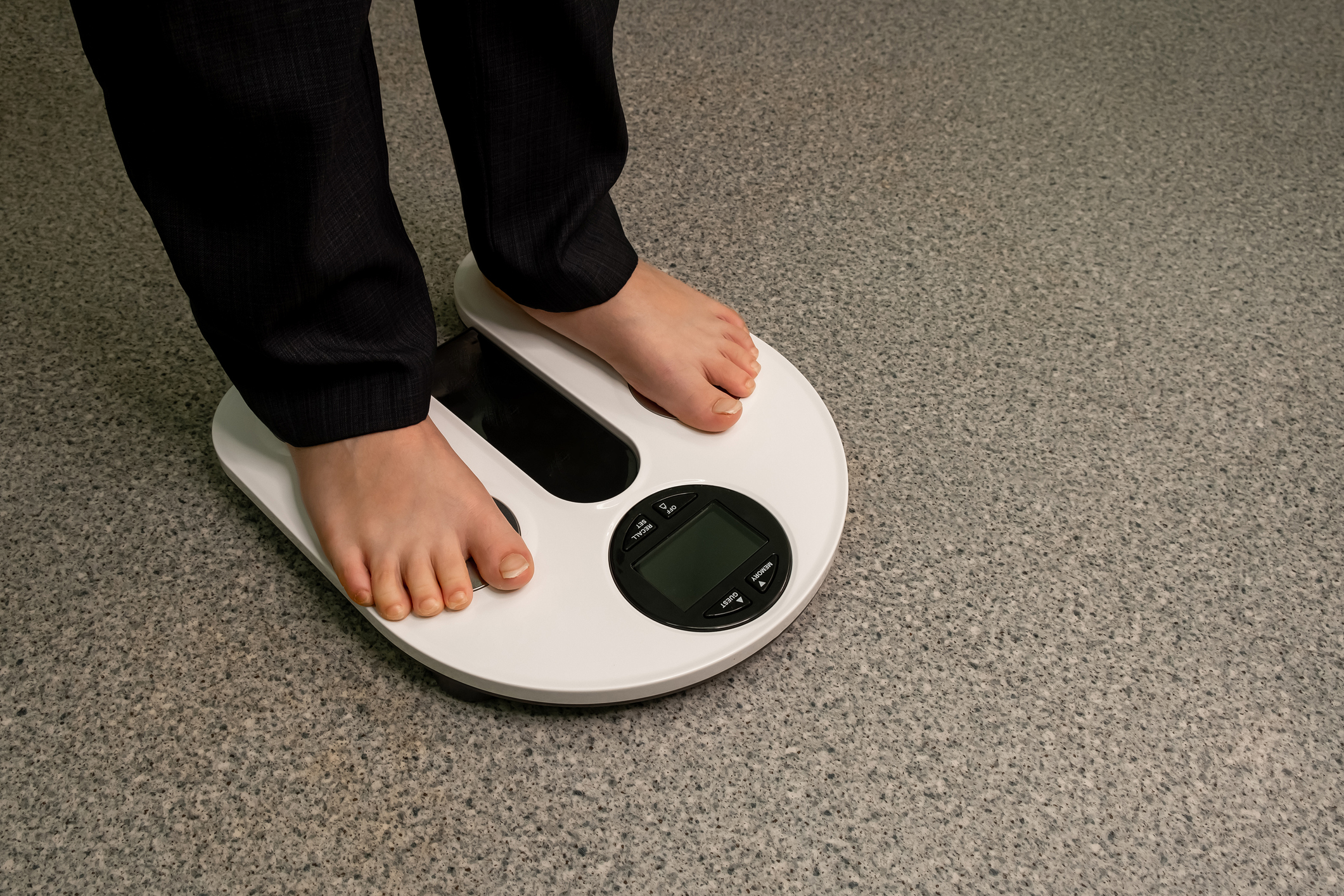
  • Weigh in regularly.Checking the scale at least once a week is a true test for maintenance. Remember to do this first thing in the morning, in your nightclothes, and after emptying your bladder.
  • Have a healthy breakfast.Numerous studies confirm that those who have breakfast eat fewer calories throughout the day. Eating breakfast also powers up the brain and boosts metabolism.
  • Put it on a plate.It’s hard to keep track of how much food you’re eating when you nibble without using a plate. Serving meals and snacks on a plate will help you avoid munching and consuming extra calories.
  • If you don’t love it, don’t eat it. Trying new foods is always exciting but why waste calories if you don’t love what you are eating? One bite is usually enough to tell whether you love it or not. If something is not for you, just leave it on your plate and use the extra calories for something you love.
  • Take a few bites. A piece of pecan pie or glass of eggnog can set you back by more than 400 calories. To avoid gaining weight, enjoy just a few bites or sips of these rich treats.
  • Savor every bite.Sit down, relax, and take your time to experience the flavors, textures, and aroma of each food. Eating slowly will help you enjoy the meal and will give your brain time to signal to your stomach that you’re

By following these tips you can enjoy all the delicious joys that are associated with the holiday seasons and not suffer the usual consequences.

All content of this newsletter is intended for general information purposes only and is not intended or implied to be a substitute for professional medical advice, diagnosis or treatment. Please consult a medical professional before adopting any of the suggestions on this page. You must never disregard professional medical advice or delay seeking medical treatment based upon any content of this newsletter. PROMPTLY CONSULT YOUR PHYSICIAN OR CALL 911 IF YOU BELIEVE YOU HAVE A MEDICAL EMERGENCY.

Summer Weight Loss Tips For Kids

Is your child at risk of gaining weight this summer?

We consider summer to be a time when kids run around, go swimming and generally remain active. With all this physical activity, it is a common belief that children keep weight off or maybe even lose a few pounds in the summer, but that is not the case. There are many reasons why parents are now noticing that their children are actually gaining weight during the summer.

The rate of childhood obesity has tripled in America in recent decades. Now, one out of three children in this country is considered overweight or obese. When are children gaining the most weight?  Recent studies have revealed that during the summer, the rate of weight gain in children is double that of the rest of the year. Why?

One of the biggest contributing factors is that children today live a more sedentary lifestyle. During the school year, children participate in fitness programs, both during recess and in physical education classes. Without a regimented exercise program, children opt to spend their free time playing video games or watching television.

Another factor in summer weight gain is the foods children have access to in their home. In an effort to fight obesity and promote healthy eating habits, many schools provide healthy alternatives for lunches and snacks during the year. During the summer, however, kids have access to whatever snacks are in the home. Kids will often choose unhealthy snacks, such as cookies, chips, and soda, if they are available to them.

In an effort to reverse this trend, Jamaica Hospital offers the following summer healthy living tips for your kids:

• Stock your home with healthy food options like yogurt, carrots, or summer fruits like peaches, berries, or melons.

• Make water the beverage of choice. Juices and sodas are high in calories and low in nutrients. To make water more flavorful, consider adding fruit slices or berries.

• Limit TV and video game usage. It will force kids to become more physically active and prevent them from enticing junk food commercials..

• Walk more. Everyone can do it. Incorporate regular family walks to the park or around the neighborhood.

• Be inventive. Not every child is interested in formal team sports, but every kid loves to run around. Encourage activities like hopscotch, jump rope or a simple game of “tag.”

• Be a role mode. Children often take cues from their parent’s eating habits so if you want your kids to eat healthier, you should eat healthier

All content of this newsletter is intended for general information purposes only and is not intended or implied to be a substitute for professional medical advice, diagnosis or treatment. Please consult a medical professional before adopting any of the suggestions on this page. You must never disregard professional medical advice or delay seeking medical treatment based upon any content of this newsletter. PROMPTLY CONSULT YOUR PHYSICIAN OR CALL 911 IF YOU BELIEVE YOU HAVE A MEDICAL EMERGENCY.