
What Is A Stress Test?

A stress or stress exercise test shows how the heart works during physical activity. Exercise makes the heart pump harder and faster. A stress test can determine how well your heart responds when working its hardest.

Your healthcare provider may recommend a stress test if you have symptoms of coronary artery disease, congenital heart disease, congestive heart failure, heart valve disease, hypertrophic cardiomyopathy, or an irregular heart rhythm.

A stress test typically involves walking on a treadmill or pedaling on a stationary bike while hooked up to an EKG to monitor your heart’s activity. Healthcare providers assess your response to the increased workload by measuring:

  • Blood pressure
  • Heart rate
  • Oxygen levels
  • Electrical activity in your heart

A stress test can also be used to learn:

  • How well your heart pumps blood
  • Whether your heart is receiving an adequate supply of blood
  • How you perform during physical activity compared with other people your age and sex
  • If your symptoms (chest discomfort, shortness of breath, feeling like your heart is racing, or dizziness) can be reproduced while performing physical activity

Having a stress test makes it easier to identify and evaluate certain heart issues, such as:

  • Issues with your heart muscle and valves
  • Electric stability of your heart at rest and during exercise

The stress test results help your healthcare provider plan or change your treatment. If the test shows that your heart is working well, you may not need more tests. If the test suggests you might have coronary artery disease, you may need a coronary angiogram, which helps see blockages in the heart arteries.

If the results are satisfactory, but your symptoms worsen, your healthcare provider might recommend more testing.

To schedule an appointment with a Flushing Hospital Medical Center healthcare provider, please call 718-670-5486.

All content of this newsletter is intended for general information purposes only and is not intended or implied to be a substitute for professional medical advice, diagnosis or treatment. Please consult a medical professional before adopting any of the suggestions on this page. You must never disregard professional medical advice or delay seeking medical treatment based upon any content of this newsletter. PROMPTLY CONSULT YOUR PHYSICIAN OR CALL 911 IF YOU BELIEVE YOU HAVE A MEDICAL EMERGENCY.


Wellness Wednesday: The Health Benefits of Napping

There are days when you suddenly get tired in the middle of the day and want to nap. But napping at the wrong time of day or for too long can backfire causing sleep inertia and insomnia.

If you are considering taking a nap, make sure that it is at a time when you:

Are experiencing new fatigue or unexpected sleepiness; are about to experience sleep loss like during a long work shift; are eight hours or more before bedtime.

Here are some tips that will help you get the most out of your naptime:

  • Keep naps short- aim to nap for 10 to 20 minutes. The longer you nap the more likely you will feel groggy afterward.
  • Take naps in the early afternoon- napping after 3 pm can interfere with nighttime sleep. Individual factors such as your need for sleep, your sleeping schedule, your age, and your medication use can play a role in determining the best time of day to nap.
  • Create a restful environment- nap in a quiet, dark place with a comfortable room temperature and few distractions.

There are many benefits of napping, including:

  • Relaxation
  • Reduced fatigue
  • Increased alertness
  • Improved mood
  • Improved performance
  • Quicker reaction time
  • Better memory
  • An improved creative mindset

After napping, give yourself time to wake up before you resume activities, especially those requiring a quick or sharp response.

All content of this newsletter is intended for general information purposes only and is not intended or implied to be a substitute for professional medical advice, diagnosis or treatment. Please consult a medical professional before adopting any of the suggestions on this page. You must never disregard professional medical advice or delay seeking medical treatment based upon any content of this newsletter. PROMPTLY CONSULT YOUR PHYSICIAN OR CALL 911 IF YOU BELIEVE YOU HAVE A MEDICAL EMERGENCY.

How to Cool Hot Flashes

A hot flash is a sudden warm feeling in the upper body, usually the most intense over the face, neck, and chest. Hot flashes are most commonly caused by menopause. Menopause is when the menstrual period stops for good. It is diagnosed after 12 months without having a menstrual period, vaginal bleeding, or spotting.

Here are some strategies and tips that can help you manage your hot flashes:

  • Keep your core body temperature as cool as possible
  • Keep cool at night
  • Watch what you eat and drink
  • Refrain from smoking
  • Maintain a healthy weight
  • Reduce your stress
  • Exercise regularly
  • When you feel a hot flash coming on, take several slow, deep breaths and try to relax
  • Drink a glass of cold water and sit calmly until it passes
  • Wear layers you can easily take off when you feel yourself getting hot

Once a hot flash is starting, there is no instant cure. Talk with your healthcare professional about medications and complementary therapies that make the most sense for you and your symptoms.

If you are experiencing hot flashes due to menopause, the most effective way to relieve the discomfort from them is to take estrogen, but taking it carries risks.

Other treatments for hot flashes can include:

  • Medications
    • Antidepressants, anti-seizure drugs, and other medications
  • Hormone therapy
  • Mind and body approaches
    • Cognitive behavioral therapy (CBT)
    • Hypnosis
    • Mindful meditation
    • Acupuncture
  • Dietary supplements

If you are experiencing hot flash symptoms, you can visit Flushing Hospital Medical Center’s Ambulatory Care Center. To schedule an appointment, please call (718) 670-5486.


All content of this newsletter is intended for general information purposes only and is not intended or implied to be a substitute for professional medical advice, diagnosis or treatment. Please consult a medical professional before adopting any of the suggestions on this page. You must never disregard professional medical advice or delay seeking medical treatment based upon any content of this newsletter. PROMPTLY CONSULT YOUR PHYSICIAN OR CALL 911 IF YOU BELIEVE YOU HAVE A MEDICAL EMERGENCY.
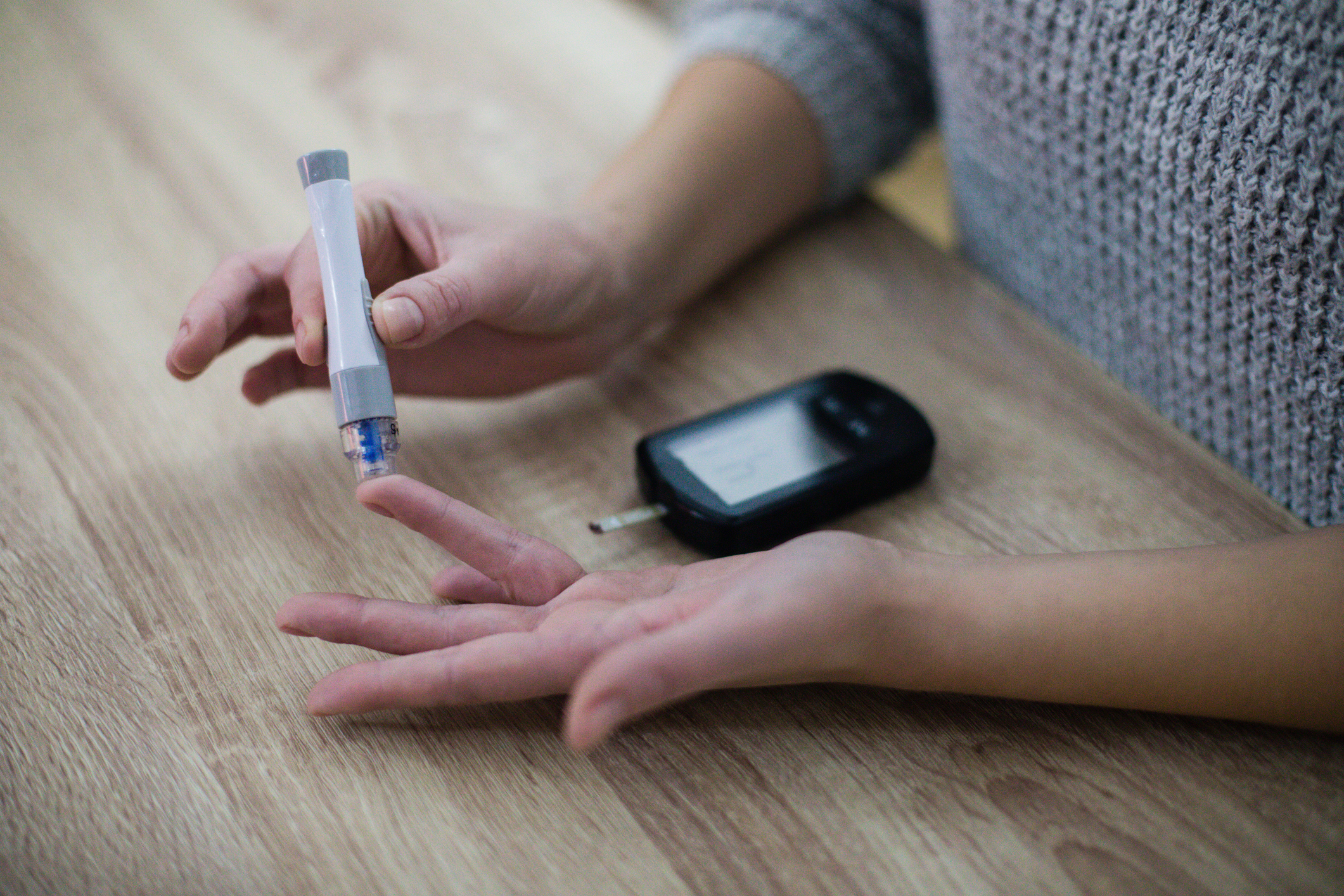
Night Sweats

Night sweats are repeated episodes of very heavy sweating during sleep. Sweating is common during sleep, especially if you’re sleeping in a hot bedroom. However, unlike regular sweating, night sweats can be identified by the symptom of excessive sweating that soaks through your clothes and bedsheets.

Even though excessive sweating is a symptom of night sweats, night sweats can be a symptom of an underlying illness or medical condition. These illnesses and conditions can include:

  • Menopause
  • Infections
  • Cancer
  • Anxiety disorders
  • Hyperthyroidism
  • Medications
  • Autoimmune disorders
  • HIV/AIDS
  • Stroke
  • Diabetes

Some other causes of night sweats can include:

  • Low blood sugar
  • Obesity
  • Sleep disorders
  • Gastroesophageal reflux disease
  • Panic disorder
  • Pregnancy
  • Lifestyle behaviors, such as smoking and drinking alcohol

Night sweats aren’t usually a cause for concern. However, you should speak with a healthcare professional if you develop night sweats that happen frequently, disturb your sleep, or are accompanied by other symptoms like a high fever, a cough, or unexplained weight loss.

Regardless of what is causing your night sweats, you can take preventative steps to help improve the quality of your sleep, including:

  • Limiting your consumption of alcohol and caffeine
  • Avoiding the use of tobacco and illegal drugs
  • Sleeping in a cooler environment
  • Considering the use of cooling products, such as a cooling mattress, pillow, or duvet
  • Maintaining a healthy weight
  • Avoiding spicy foods, especially if you have menopause

If you are experiencing night sweats, visit Flushing Hospital Medical Center’s Ambulatory Care Center. To schedule an appointment, please call (718) 670-5486.


All content of this newsletter is intended for general information purposes only and is not intended or implied to be a substitute for professional medical advice, diagnosis or treatment. Please consult a medical professional before adopting any of the suggestions on this page. You must never disregard professional medical advice or delay seeking medical treatment based upon any content of this newsletter. PROMPTLY CONSULT YOUR PHYSICIAN OR CALL 911 IF YOU BELIEVE YOU HAVE A MEDICAL EMERGENCY.

National Childhood Obesity Awareness Month

The Centers for Disease Control and Prevention (CDC) recognizes September as National Childhood Obesity Awareness Month, a time to raise awareness about preventing childhood obesity.

Childhood obesity is a critical public health challenge that affects one in three children in the United States. Children with obesity face an increased risk of chronic health conditions, such as type 2 diabetes, high blood pressure, asthma, sleep apnea, and bone and joint problems. Obesity can also impact children beyond physical issues. It affects their emotional and social well-being as well, which leads to challenges like bullying and lower self-esteem.

Many factors impact childhood obesity, including eating and physical activity behaviors, genetics, metabolism, family and home environment, and community and social factors. For some children and families, obesity can be influenced by the following:

  • Too much time spent being inactive
  • Lack of sleep
  • Lack of places to go in the community to be physically active
  • Easy access to inexpensive, high-calorie foods and sugary beverages
  • Lack of access to affordable healthier foods

Here are some tips on how parents can help prevent their child from experiencing obesity:

  • Monitor growth
  • Provide nutritious foods
  • Promote drinking water
  • Encourage physical activity
  • Model healthy behaviors
  • Create a healthy sleep environment

Childhood obesity can be prevented by working together to help children achieve and maintain a healthy weight, improve their overall well-being, and build a foundation for a healthier future.

If you would like to speak with a pediatrician about childhood obesity at Flushing Hospital Medical Center, please call 718-670-5440 to schedule an appointment.

All content of this newsletter is intended for general information purposes only and is not intended or implied to be a substitute for professional medical advice, diagnosis or treatment. Please consult a medical professional before adopting any of the suggestions on this page. You must never disregard professional medical advice or delay seeking medical treatment based upon any content of this newsletter. PROMPTLY CONSULT YOUR PHYSICIAN OR CALL 911 IF YOU BELIEVE YOU HAVE A MEDICAL EMERGENCY.

Healthy Aging Month

September is recognized as healthy aging month. The observation was created to encourage people to focus on their health and take steps to help them face the challenges that come with aging.

As we age, we become aware of changes in our mental and physical health, and changes in our social needs. You can take charge of your well-being by taking steps to age with a healthy mind and body. Flushing Hospital Medical Center would like to offer these tips to help boost your health as you age:

  • Get moving
    • It is important to consult your doctor before exercising. Start slow, know your limitations, and modify activities if needed
    • Aim for at least 150 minutes of moderate-intensity physical activities each week
  • Maintain a healthy diet
  • Eat proper portion sizes
  • Avoid excess processed foods
  • Stay hydrated
  • Stay socially active
    • Stay in touch with friends and family
    • Try doing something new that interests you
  • Balance your body and mind
    • Keep a positive attitude
    • Keep your mind active by reading or doing puzzles
    • Keep your body active with yoga and stretches
  • Be proactive
    • Receive regular checkups, physicals, and medical tests when needed
    • Take vitamins, supplements, and medications as prescribed or needed

Healthy aging month is a time to celebrate life and the positive aspects of growing older. Healthy living is healthy aging. Developing and maintaining healthy aging practices throughout your life contributes to greater resilience and opportunities to thrive as we age. Making small changes in your daily life can help you live longer and better.

If you have questions about any medical issues that may arise as you age, you can schedule an appointment with a doctor at Flushing Hospital’s Ambulatory Care Center by calling (718) 670-5486.

All content of this newsletter is intended for general information purposes only and is not intended or implied to be a substitute for professional medical advice, diagnosis or treatment. Please consult a medical professional before adopting any of the suggestions on this page. You must never disregard professional medical advice or delay seeking medical treatment based upon any content of this newsletter. PROMPTLY CONSULT YOUR PHYSICIAN OR CALL 911 IF YOU BELIEVE YOU HAVE A MEDICAL EMERGENCY.
National Senior Citizens Day

August 21st, 2024 is National Senior Citizens Day. It’s a day that recognizes seniors who have contributed to society and impacted everyone’s lives for the better.

In 1988, President Ronald Reagan honored senior citizens by signing Proclamation 5847, establishing August 21st as National Senior Citizens Day.

A senior citizen is anyone 60 years of age and older. They are pioneers of science, medicine, psychology, civil rights, and more. Their valuable contributions to our communities have made them better places to live. The day honors their achievements and encourages us to support them in living their lives to the fullest and as independently as possible.

In honor of National Senior Citizens Day, Flushing Hospital Medical Center is offering these health tips for older adults:

  • Stay physically active for a healthy body and mind
  • Stay socially active with friends and family
  • Follow a healthy, well-balanced diet
  • Don’t neglect yourself, schedule checkups and stick to them
  • Take all medications as directed by your doctor

There are many ways that you and your loved ones can observe National Senior Citizens Day, including:

  1. Donate to a nursing/retirement home- one of the kindest and most rewarding things you can do is to donate essential goods or gifts to a nursing/retirement home.
  2. Reach out to a senior family member- visit and spend time with a family member who is a senior citizen. If you can’t see them, call them.
  3. Have fun- if you are a senior citizen, the day is about you. Spend time with your favorite people, and do something fun and exciting. Live it up and treat yourself.
  4. Take the time to recreate your family’s traditions. Be sure to include your grandparents and other elderly people in your family.

National Senior Citizen Day is a day to acknowledge and celebrate the seniors in our lives. Let’s make them know how much we care about and appreciate them.


All content of this newsletter is intended for general information purposes only and is not intended or implied to be a substitute for professional medical advice, diagnosis or treatment. Please consult a medical professional before adopting any of the suggestions on this page. You must never disregard professional medical advice or delay seeking medical treatment based upon any content of this newsletter. PROMPTLY CONSULT YOUR PHYSICIAN OR CALL 911 IF YOU BELIEVE YOU HAVE A MEDICAL EMERGENCY.
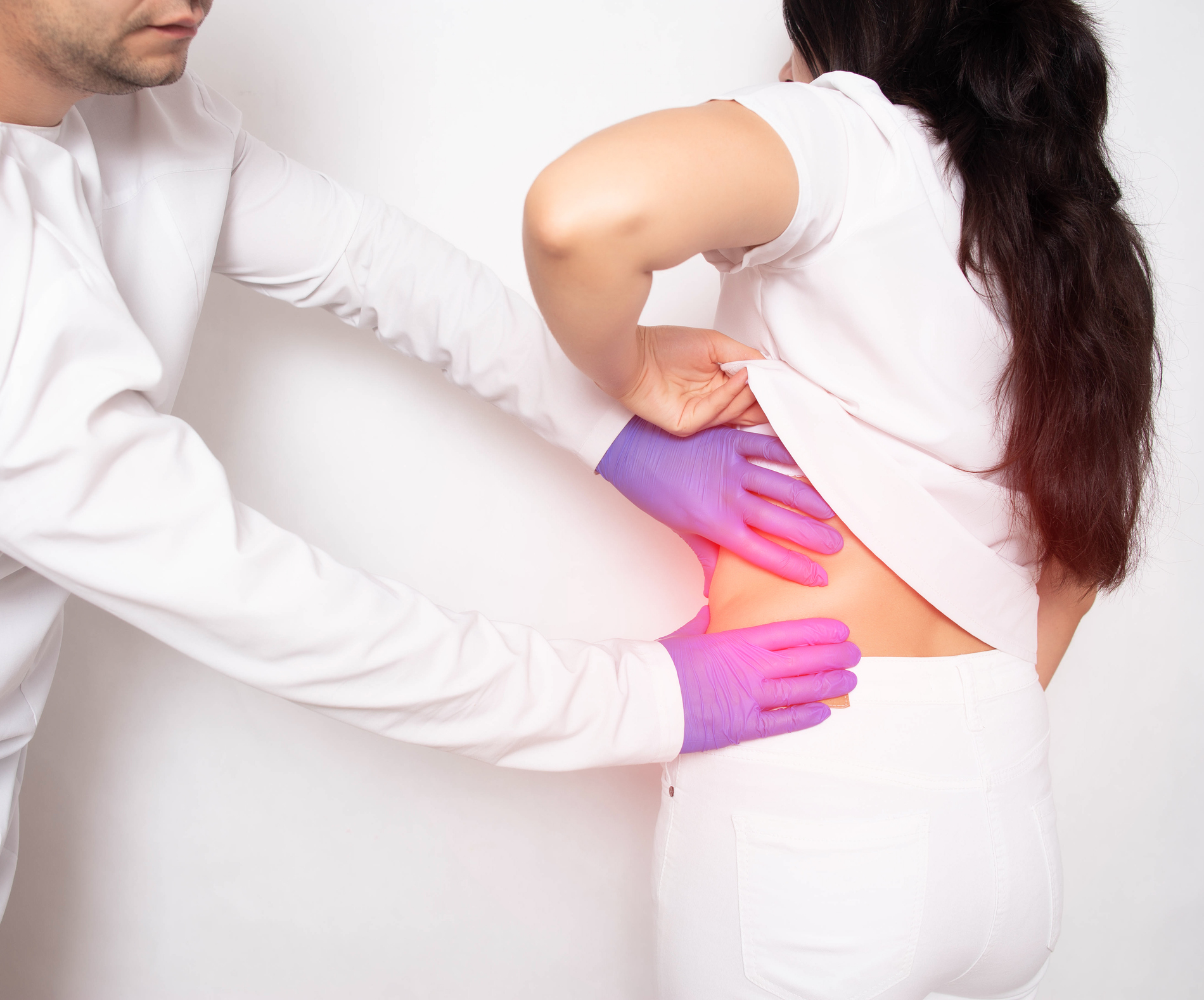
Dementia

Dementia is a general term that represents a group of diseases and illnesses that cause the loss of cognitive functioning to the point that it interferes with a person’s daily life and activities.

Cognitive changes they may experience include:

  • Memory loss, usually noticed by someone else
  • Problems communicating or finding words
  • Trouble with visual and spatial abilities, such as getting lost while driving
  • Problems with reasoning or problem-solving
  • Trouble performing complex tasks
  • Trouble with planning and organizing
  • Poor coordination and control of movements
  • Confusion and disorientation

Some people with dementia can’t control their emotions, and they may also have psychological changes, such as:

  • Personality changes
  • Depression
  • Anxiety
  • Agitation
  • Inappropriate behavior
  • Hallucinations

Dementia is caused by damage to your brain, affecting its nerve cells and destroying the brain’s ability to communicate with its various areas. Dementia can also result from blocked blood flow to your brain, depriving it of oxygen and nutrients. Without oxygen and nutrients, brain tissue dies.

Progressive dementias get worse over time. Types of dementias that worsen and aren’t reversible include:

  • Alzheimer’s disease (the most common cause of dementia)
  • Vascular dementia
  • Lewy body dementia
  • Frontotemporal dementia
  • Mixed dementia

Other disorders linked to dementia include:

  • Huntington’s disease
  • Traumatic brain injury (TBI)
  • Creutzfeldt-Jakob disease
  • Parkinson’s disease

Some causes of dementia-like symptoms can be reversed with treatment including:

  • Infections and immune disorders
  • Metabolic or endocrine problems
  • Low levels of certain nutrients
  • Medicine side effects
  • Subdural bleeding
  • Brain tumors
  • Normal-pressure hydrocephalus

Many risk factors can contribute to dementia, including:

  • Age
  • Family history

A healthcare provider must recognize the pattern of loss of skills and function to be able to diagnose the cause of dementia. No single test can diagnose dementia, therefore, a series of tests may be conducted to determine a diagnosis. These tests include:

  • Cognitive and neuropsychological tests
  • Neurological evaluation
  • Brain scans
    • CT or MRI
    • PET scans
  • Laboratory tests
  • Psychiatric evaluation

Most types of dementia can’t be cured, but there are ways to manage your symptoms including:

  • Medications
  • Therapies

If you or a loved one is experiencing symptoms associated with dementia, you can receive treatment from a neurologist at Flushing Hospital Medical Center’s Ambulatory Care Center. To schedule an appointment, please call (718) 670-5486.


All content of this newsletter is intended for general information purposes only and is not intended or implied to be a substitute for professional medical advice, diagnosis or treatment. Please consult a medical professional before adopting any of the suggestions on this page. You must never disregard professional medical advice or delay seeking medical treatment based upon any content of this newsletter. PROMPTLY CONSULT YOUR PHYSICIAN OR CALL 911 IF YOU BELIEVE YOU HAVE A MEDICAL EMERGENCY.

National Immunization Awareness Month

August is National Immunization Awareness Month or NIAM. It is an annual observance highlighting the importance of getting routine vaccinations for people of all ages. 

Vaccines work by stimulating the immune system to protect our bodies against viruses or bacteria that cause infection. After vaccination, the immune system is better prepared to respond quickly when the body encounters disease-causing organisms.

Vaccinations are important at every stage of life. They are one of the safest preventative care measures available and help play a vital role in keeping you healthy. When you skip vaccines, you leave yourself vulnerable to illnesses such as shingles, influenza (flu), and both HPV and hepatitis B which are leading causes of cancer. 

Getting vaccinated also helps keep your family and community healthy, as vaccinations can help lessen the severity of illness and keep diseases from spreading. Additionally, vaccinations help protect those most vulnerable to illness, such as infants, elders, and people with weakened immune systems. 

If you or a loved one would like to get vaccinated, schedule an appointment with a physician at Flushing Hospital’s Department of Internal Medicine or your primary care physician as soon as possible.

To schedule an appointment for you or a loved one to get up to date on vaccinations, you can call Flushing Hospital Medical Center’s Ambulatory Care Center at (718) 670-5486.

All content of this newsletter is intended for general information purposes only and is not intended or implied to be a substitute for professional medical advice, diagnosis or treatment. Please consult a medical professional before adopting any of the suggestions on this page. You must never disregard professional medical advice or delay seeking medical treatment based upon any content of this newsletter. PROMPTLY CONSULT YOUR PHYSICIAN OR CALL 911 IF YOU BELIEVE YOU HAVE A MEDICAL EMERGENCY.

Juvenile Arthritis Awareness Month

July is Juvenile Arthritis Awareness Month. Arthritis isn’t just an older person’s disease. Children can suffer from it as well.

Juvenile arthritis or pediatric rheumatic disease is an umbrella term that describes the inflammatory and rheumatic diseases that develop in children 16 years and under.

Juvenile idiopathic arthritis (JIA) is an autoimmune disease where the immune system attacks the joints instead of fighting viruses and germs. It is the most common type of arthritis in children.

Other types of juvenile arthritis include:

  1. Juvenile myositis- is an inflammatory disease that causes muscle weakness. There are two types:
  • Juvenile polymyositis
  • Juvenile dermatomyositis
  1. Juvenile lupus- is an autoimmune disease that affects the joints, skin, internal organs, and other areas. The most common form is systemic lupus erythematosus (SLE).
  2. Juvenile scleroderma- describes a group of conditions that cause the skin to tighten and harden.
  3. Vasculitis- is a disease that causes inflammation of the blood vessels that can lead to heart complications. According to the Arthritis Foundation, Kawasaki disease and Henoch-Schonlein purpura (HCP) are the most common vasculitis in kids and teens.
  4. Fibromyalgia- is a chronic pain syndrome that causes widespread muscle pain and stiffness. It also causes fatigue, disrupted sleep, and other symptoms. It is more common in girls and rarely diagnosed before puberty.

The symptoms of juvenile arthritis can vary depending on the type. The most common symptoms include:

  • Joint pain
  • Joint swelling
  • Joint stiffness
  • Fever, swollen lymph nodes, and rash

It can be difficult to diagnose juvenile arthritis in children because joint pain can be caused by many different problems. Here are some ways it is diagnosed:

  • Physical exams
  • Blood tests
  • Imaging scans

There is no cure for arthritis. However, it can be treated. Treatments include:

  • Medications
  • Physical or occupational therapies
  • Surgery
  • Self-care

If you believe your child is experiencing arthritis symptoms, visiting a pediatrician as soon as possible is important. You can schedule an appointment at Forest Hills Pediatric Specialists by calling (718) 704-5020

All content of this newsletter is intended for general information purposes only and is not intended or implied to be a substitute for professional medical advice, diagnosis or treatment. Please consult a medical professional before adopting any of the suggestions on this page. You must never disregard professional medical advice or delay seeking medical treatment based upon any content of this newsletter. PROMPTLY CONSULT YOUR PHYSICIAN OR CALL 911 IF YOU BELIEVE YOU HAVE A MEDICAL EMERGENCY.