
Bleeding Disorders

Bleeding disorders are a group of conditions that affect the way the body controls blood clotting. The clotting process, known as coagulation, changes blood from a liquid to a solid.

When you’re injured, your blood normally begins to clot to prevent a massive blood loss. However, these conditions prevent blood from clotting properly, which results in heavy or prolonged bleeding.

Bleeding disorders can cause abnormal bleeding outside and inside the body. Some disorders can drastically increase the amount of blood leaving the body, while others cause bleeding under the skin or in vital organs, such as the brain.

There are numerous bleeding disorders. The most common include:

  • Hemophilia A and B- are conditions that occur when there are low levels of clotting factors in your blood. It causes heavy or unusual bleeding in the joints. Although hemophilia is rare, it can have life-threatening complications
  • Factor II, V, VII, X, or XII deficiencies- are bleeding disorders related to blood clotting problems or abnormal bleeding problems
  • Von Willebrand’s disease- is the most common inherited bleeding disorder. It develops when the blood lacks the von Willebrand factor, which helps the blood clot

For blood to clot, the body needs blood proteins called clotting factors and blood cells called platelets. Normally, platelets clump together to form a plug at the site of a damaged or injured blood vessel. The clotting factors then combine to form a fibrin clot, keeping the platelets in place and preventing blood from flowing out of the blood vessel.

For people with bleeding disorders, however, the clotting factors or platelets don’t work the way they should or are in short supply. When the blood doesn’t clot, excessive or prolonged bleeding can occur. It can also lead to spontaneous or sudden bleeding in the muscles, joints, and other body parts.

Some bleeding disorders are present at birth and are passed down or inherited through families. However, other bleeding disorders can be caused by:

  • Medical conditions, such as liver disease
  • A low red blood cell count
  • A vitamin K deficiency
  • Side effects from certain medications

Symptoms of bleeding disorders can include:

  • Bruising easily
  • Heavy bleeding
  • Heavy menstrual bleeding
  • Nosebleeds that do not stop easily
  • Excessive bleeding due to surgical procedures
  • Umbilical cord bleeding after birth

A doctor will diagnose a bleeding disorder by asking about your symptoms and medical history. They will also perform a physical exam and run blood tests to make a proper diagnosis. These tests can include:

  • A complete blood count
  • A platelet aggregation test
  • A bleeding time test

Treatment options for bleeding disorders vary depending on the type of bleeding disorder and its severity. Although treatments can’t cure bleeding disorders, they can help relieve the symptoms associated with certain disorders. Treatment options include:

  • Iron supplementation
  • Blood transfusion

If you experience symptoms of a bleeding disorder, it’s important to get diagnosed as soon as possible; even if your symptoms are mild, talking to a doctor can help you avoid potential risk factors that may worsen them. You can schedule an appointment with a doctor at Flushing Hospital Medical Center’s Ambulatory Care Center by calling (718) 670-5486.

All content of this newsletter is intended for general information purposes only and is not intended or implied to be a substitute for professional medical advice, diagnosis or treatment. Please consult a medical professional before adopting any of the suggestions on this page. You must never disregard professional medical advice or delay seeking medical treatment based upon any content of this newsletter. PROMPTLY CONSULT YOUR PHYSICIAN OR CALL 911 IF YOU BELIEVE YOU HAVE A MEDICAL EMERGENCY.
Bleeding Disorders Awareness Month

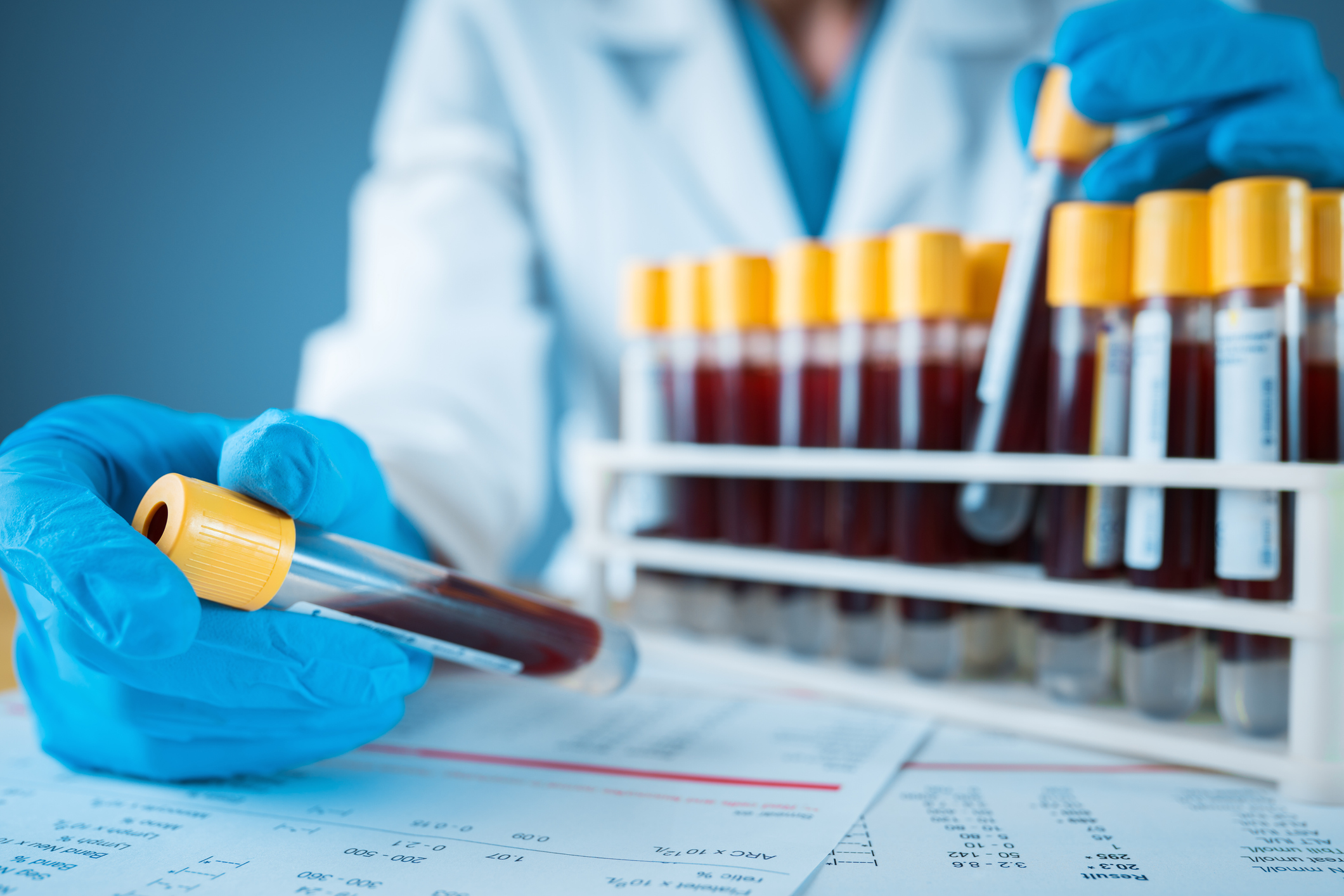
A doctor examining vials of blood that are being used to test for bleeding disorders.March is Bleeding Disorders Awareness Month. A bleeding disorder is a condition in which blood cannot clot properly. This can lead to either too much clotting, significantly increasing your risk of experiencing conditions such as heart attack or stroke, or too little clotting, which can lead to excessive bleeding.

The two most common bleeding disorders are hemophilia and von Willebrand disease. Hemophilia slows the blood clotting process. It is inherited genetically and more commonly affects people assigned male at birth than people assigned female at birth, occurring in one in every 5,000 male births in the United States.  The disorder very rarely develops in women.

Von Willebrand disease is a much more common bleeding disorder than hemophilia. Similarly, it is an inherited condition, but generally causes milder symptoms. It can also affect both men and women. People with this disease lack a functioning von Willebrand factor, which helps the blood form clots; as a result, they are unable to form blood clots as easily as other people.

In the case of both hemophilia and von Willebrand disease, early diagnosis is best for effective treatment outcomes. For people with hemophilia, a common treatment is to replace the missing blood clotting factor. People with von Willebrand disease may not require treatment at all if their symptoms are mild; however, if treatment is needed, common options include medications that increase the amount of von Willebrand factor in the blood or infusions of blood factor concentrates.

If you experience symptoms of a bleeding disorder, it’s important to get diagnosed as soon as possible; even if your symptoms are mild, talking to a doctor can help you avoid potential risk factors that may worsen them. You can schedule an appointment with a doctor at Flushing Hospital Medical Center’s Ambulatory Care Center by calling (718) 670-5486.

All content of this newsletter is intended for general information purposes only and is not intended or implied to be a substitute for professional medical advice, diagnosis or treatment. Please consult a medical professional before adopting any of the suggestions on this page. You must never disregard professional medical advice or delay seeking medical treatment based upon any content of this newsletter. PROMPTLY CONSULT YOUR PHYSICIAN OR CALL 911 IF YOU BELIEVE YOU HAVE A MEDICAL EMERGENCY.

Bleeding Disorders Awareness Month-Hemophilia

March is recognized as Bleeding Disorders Awareness Month. This observance raises awareness for bleeding disorders such as hemophilia.

Hemophilia is a genetic disorder which slows the blood clotting process. It is estimated that hemophilia occurs in 1 in every 5,000 male births in the United States.  The disorder very rarely develops in girls.

According to the Centers for Disease Control and Prevention, “Hemophilia is caused by a mutation or change, in one of the genes, that provides instructions for making the clotting factor proteins needed to form a blood clot. This change or mutation can prevent the clotting protein from working properly or to be missing altogether.”

Because people with hemophilia lack sufficient blood clotting proteins, this causes them to bleed longer than they normally should.  Bleeding can occur spontaneously or following an injury. Other common signs and symptoms that they may experience include:

  • Bleeding into the joints which can lead to swelling, tightness or pain (This most commonly affects the ankles, knees and elbows)
  • Bleeding from the mouth and gums
  • Bleeding after receiving vaccinations or injections
  • Blood in the urine or stool
  • Frequent and hard to stop nosebleeds
  • Bleeding into the skin (bruises)
  • Bleeding into soft tissue and muscle (hematomas)

A diagnosis of hemophilia is determined after blood has been tested to reveal a clotting-factor deficiency.  If it is found that the blood is not clotting as it should, tests known as factor assays are required to explore the cause.  In severe cases, the disorder can be diagnosed within the first year of a child’s life. People with a family history of hemophilia are encouraged to have their baby boys tested soon after birth.

One of the most common approaches for treating hemophilia is to replace the missing blood clotting factor. This treatment is administered through a tube placed in the vein. Other forms of treatment can include taking clot preserving medications, injecting the hormone Desmopressin (DDAVP), applying fibrin sealants and participating in physical therapy.

There are several measures that a person living with hemophilia can take to reduce the chances of injury or excessive bleeding.  The following are recommended: avoid taking blood-thinning medications, exercise regularly (contact sports should be avoided), practice good dental hygiene and avoid certain pain medications that can aggravate bleeding such as aspirin.

All content of this newsletter is intended for general information purposes only and is not intended or implied to be a substitute for professional medical advice, diagnosis or treatment. Please consult a medical professional before adopting any of the suggestions on this page. You must never disregard professional medical advice or delay seeking medical treatment based upon any content of this newsletter. PROMPTLY CONSULT YOUR PHYSICIAN OR CALL 911 IF YOU BELIEVE YOU HAVE A MEDICAL EMERGENCY.