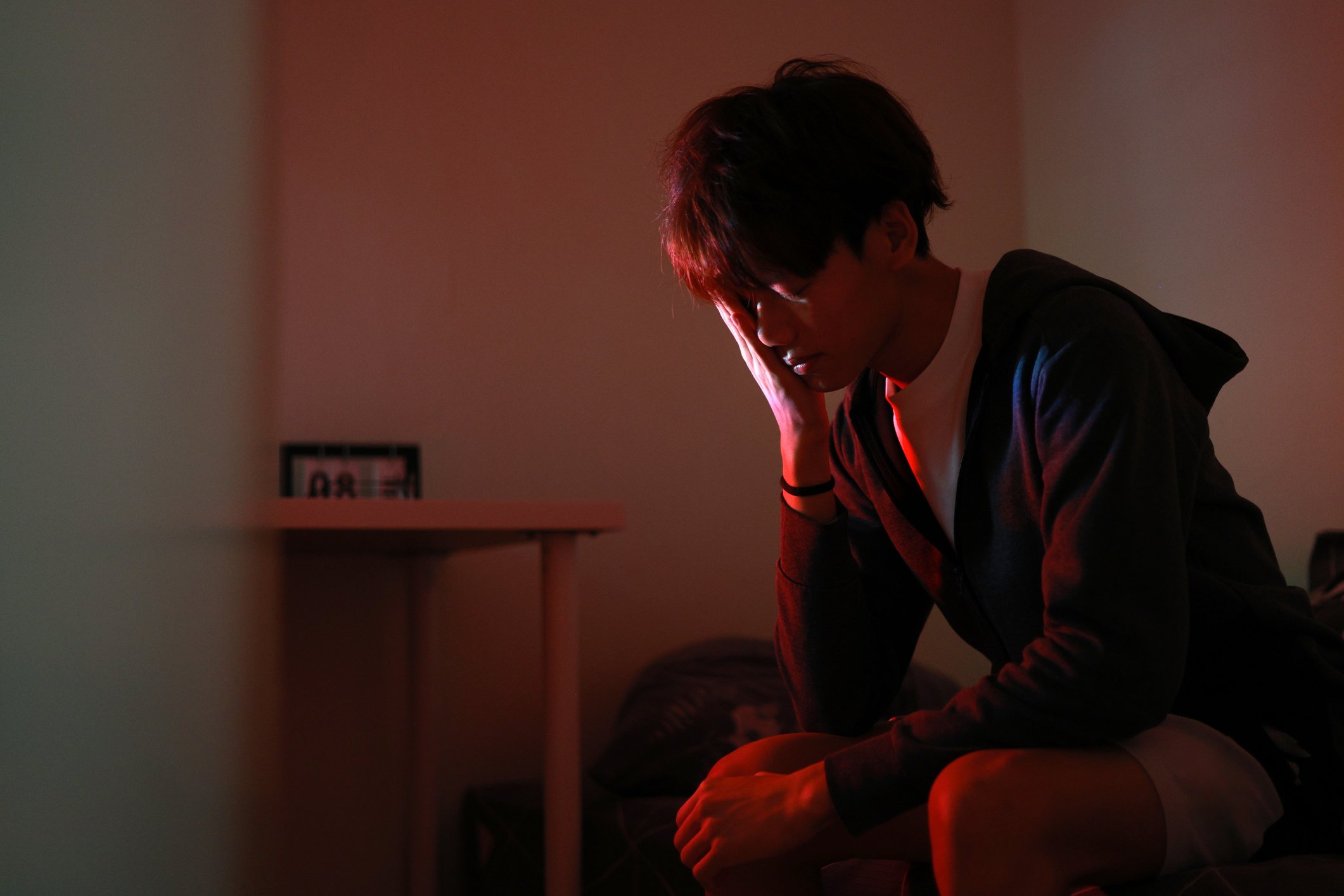
The Loneliness Epidemic

In May 2023, former U.S. Surgeon General Dr. Vivek Murthy issued a report that drew attention to an epidemic that affects half of American adults: loneliness and social isolation.

Dr. Murthy said that loneliness and social isolation are “urgent public health concerns, more widespread than smoking, diabetes, or anxiety”.

Loneliness is feeling lonely or disconnected from others and not having meaningful or close relationships or a sense of belonging. It also describes the negative feelings that can occur when your needs for social connection aren’t met.

Social isolation is when a person doesn’t have relationships or contact with others and has little to no social support. It can pose a health risk to people, even if they don’t feel lonely.

Certain conditions or experiences may increase a person’s risk of social isolation and loneliness, including:

  • Having a mental or physical challenge, such as:
    • Chronic disease or condition
    • Psychiatric or depressive condition
    • Long-term disability
  • Being marginalized or discriminated against
  • Having limited or no access to resources, which may result in:
    • Living in rural areas
    • Limited transportation
    • Language barriers
    • Being a victim of violence or abuse
  • Facing a divorce, unemployment, or the loss of a loved one

Loneliness may impact some groups more than others, including:

  • Low-income adults
  • Young adults
  • Older adults
  • Adults living alone
  • Immigrants
  • People who identify as LGBTQ+

Social isolation and loneliness can increase a person’s risk for:

  • Heart disease and stroke
  • Type 2 diabetes
  • Depression, anxiety, suicide, and self-harm
  • Dementia
  • Earlier death

It is important to make meaningful social connections, as those who do experience benefits, including:

  • Less stress
  • Better sleep
  • A longer, healthier life

Making social connections can be hard, especially if you are in poor health, have money problems, or live alone. However, a few small acts of connection can build supportive and meaningful relationships.

You can take various steps to fight against loneliness, including the following:

  • Talking to family, friends, neighbors, and co-workers
  • Connecting with others on social media
  • Volunteering in your community
  • Being kind to yourself
  • Learning more about ways to improve social connectedness
  • Getting help from a professional

To find out more about Flushing Hospital Medical Center’s outpatient mental health services or to schedule a virtual appointment, please call (718) 670-5316 to speak with our intake coordinator or (718) 670-5562 to reach the clinic.


All content of this newsletter is intended for general information purposes only and is not intended or implied to be a substitute for professional medical advice, diagnosis or treatment. Please consult a medical professional before adopting any of the suggestions on this page. You must never disregard professional medical advice or delay seeking medical treatment based upon any content of this newsletter. PROMPTLY CONSULT YOUR PHYSICIAN OR CALL 911 IF YOU BELIEVE YOU HAVE A MEDICAL EMERGENCY.

Loneliness

Loneliness is feeling lonely or disconnected from others and feeling like you don’t have meaningful or close relationships or a sense of belonging. It also describes the negative feelings that can occur when your needs for social connection aren’t met.

Social isolation is when a person doesn’t have relationships or contact with others and has little to no social support. It can pose a health risk to people, even if they don’t feel lonely.

Certain conditions or experiences may increase a person’s risk of social isolation and loneliness, including:

  • Having a mental or physical challenge, such as:
    • Chronic disease or condition
    • Psychiatric or depressive condition
    • Long-term disability
  • Being marginalized or discriminated against
  • Having limited or no access to resources may result in:
    • Living in rural areas
    • Limited transportation
    • Language barriers
    • Being a victim of violence or abuse
  • Facing a divorce, unemployment, or the loss of a loved one

Loneliness may impact some groups more than others, including:

  • Low-income adults
  • Young adults
  • Older adults
  • Adults living alone
  • Immigrants
  • People who identify as LGBTQ+

Social isolation and loneliness can increase a person’s risk for:

  • Heart disease and stroke
  • Type 2 diabetes
  • Depression, anxiety, suicide, and self-harm
  • Dementia
  • Earlier death

It is important to make meaningful social connections, as those who do experience benefits, including:

  • Less stress
  • Better sleep
  • A longer, healthier life

Making social connections can be hard, especially if you are in poor health, have money problems, or live alone. But a few small acts of connection can build supportive and meaningful relationships.

You can take various steps to fight against loneliness, including:

  • Talking to family, friends, neighbors, and co-workers
  • Connecting with others on social media
  • Volunteering in your community
  • Being kind to yourself
  • Learning more about ways to improve social connectedness
  • Getting help from a professional

To find out more about Flushing Hospital Medical Center’s outpatient mental health services or to schedule a virtual appointment, please call (718) 670-5316 to speak with our intake coordinator or call (718) 670-5562 to reach the clinic.


All content of this newsletter is intended for general information purposes only and is not intended or implied to be a substitute for professional medical advice, diagnosis or treatment. Please consult a medical professional before adopting any of the suggestions on this page. You must never disregard professional medical advice or delay seeking medical treatment based upon any content of this newsletter. PROMPTLY CONSULT YOUR PHYSICIAN OR CALL 911 IF YOU BELIEVE YOU HAVE A MEDICAL EMERGENCY.

Older Americans Month 2024

An image for Older Americans Month, which shows a side profile silhouette of a man against the American flag.

May is Older Americans Month. During this time, Flushing Hospital Medical Center would like to spotlight the importance of meaningful social connections for the health and well-being of aging members of our community. 

Socialization is beneficial for people of any age when it comes to mental and physical health. However, it becomes even more important as we age as a way of managing a wide range of increasing health risks. 

According to the National Academies of Science, Engineering, and Medicine (NASEM), approximately one third of adults aged 45 or older feel socially isolated. Several factors, such as the loss of loved ones or other significant life events, can contribute to this feeling. It is important that we pay attention to the effects of social isolation as they have been linked to a significantly increased risk of experiencing a variety of medical problems, including mental health conditions, such as depression, as well as chronic physical problems, such as heart disease.

The negative mental and physical impacts of social isolation on older adults are intertwined. Social isolation has specifically been linked to a 50% increase in the risk of developing dementia, as well as a significantly increased risk of developing heart disease or experiencing a stroke. These medical problems, in turn, increase the risk of developing mental health problems such as depression, which is more likely to occur in people with a chronic or disabling medical problem.

Older adults who feel socially isolated have a variety of options for seeking out opportunities for social interaction. A few of these include:

  • Calling or visiting family members or friends regularly
  • Joining a local community group or attending local events
  • Joining a gym or exercise class
  • Going out for a walk each day and visiting a specific location, such as a cafe or shop

Taking these steps may not immediately make you feel better or lead you to instantly develop close, high-quality relationships. However, making a point to interact with people regularly allows you to cultivate these relationships gradually over time and develop a healthier, more active social life. 

If you feel socially isolated and start to experience symptoms of a medical problem, such as depression, dementia, or heart disease, it is important that you see a doctor as soon as possible. You can schedule an appointment at Flushing Hospital Medical Center’s Ambulatory Care Center by calling (718) 670-5486.

All content of this newsletter is intended for general information purposes only and is not intended or implied to be a substitute for professional medical advice, diagnosis or treatment. Please consult a medical professional before adopting any of the suggestions on this page. You must never disregard professional medical advice or delay seeking medical treatment based upon any content of this newsletter. PROMPTLY CONSULT YOUR PHYSICIAN OR CALL 911 IF YOU BELIEVE YOU HAVE A MEDICAL EMERGENCY.