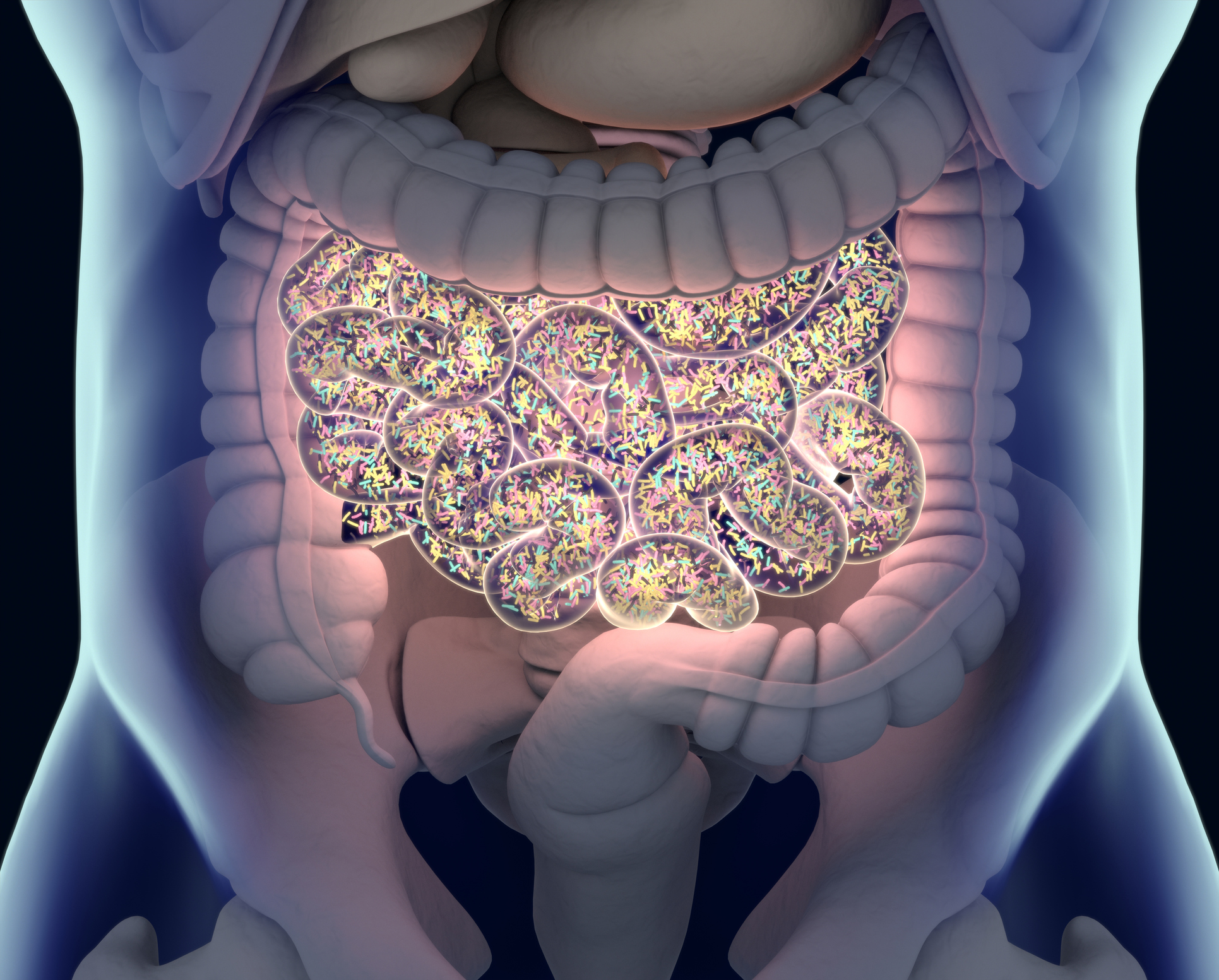
 Bloating describes a feeling of fullness or tightness in the abdomen. It may or may not be accompanied by a visibly distended or swollen abdomen. The feeling can range from mildly uncomfortable to intensely painful. It usually goes away after a while, but it can be a recurring problem for some people.
The most common cause of stomach pain and bloating is excess intestinal gas. Another cause may be a digestive issue after eating. It could be as simple as eating too much too fast, a food intolerance, or another condition that can cause gas and digestive contents to build up. Digestive issues and hormone fluctuations can cause cyclical bloating. Menstrual cycles are another common cause of temporary bloating.
Between 10% and 25% of otherwise healthy people complain of occasional abdominal bloating. As many as 75% describe their symptoms as moderate to severe. About 10% say they experience it regularly. Among those diagnosed with irritable bowel syndrome (IBS), it may be as much as 90%. Up to 75% of women experience bloating before and during their period. Only 50% of people who experience bloating also report a distended abdomen.
If your bloating is due to something you ate or drank, or hormone fluctuations, it should begin to ease within a few hours or days. If you are constipated, bloat won’t go down until you start pooping. Water, exercise, and herbal teas may help. If bloating doesn’t go away or gets worse, seek medical attention.
If bloating is caused by diet or alcohol consumption, it can be prevented by making certain lifestyle choices such as:
- Eating enough fiber
- Drinking enough water
- Getting exercise
- Avoiding processed foods
- Practicing mindful eating
- Notice stomach sensitivities
What can help relieve bloating depends on the cause. A professional diagnosis may be needed to get to the bottom of it. However, if you are looking to combat bloating in the interim, some home remedies can include:
- Peppermint oil capsules
- Antacids
- Magnesium supplements
- Probiotics
- Fiber supplements
- Regular exercise
To schedule an appointment with a gastroenterologist or dietitian at Flushing Hospital Medical Center, please call 718-670-5486.
All content of this newsletter is intended for general information purposes only and is not intended or implied to be a substitute for professional medical advice, diagnosis or treatment. Please consult a medical professional before adopting any of the suggestions on this page. You must never disregard professional medical advice or delay seeking medical treatment based upon any content of this newsletter. PROMPTLY CONSULT YOUR PHYSICIAN OR CALL 911 IF YOU BELIEVE YOU HAVE A MEDICAL EMERGENCY.