
Winter Skin Care

Winter can be difficult to deal with when temperatures drop to bone-chilling levels and are accompanied by frigid winds. The temperatures and wind can also be difficult on our skin due to low humidity, causing it to become cracked and dry. Even the heat in our homes and cars makes skin dryness worse because it removes moisture from the air.  

According to the Columbia University Irving Medical Center, the outermost layer of the skin, called the stratum corneum, acts as a protective barrier that helps retain water. As the stratum corneum loses moisture, the skin can become red, irritated, and cracked. This especially affects older adults as their aging skin is thinner and produces fewer natural oils, which makes it more prone to losing moisture.  

Here are some dermatologist-recommended tips to help prevent any further loss of water and restore moisture to your skin barrier: 

  • Using a humidifier at night to help prevent your skin from drying out 
  • Wearing gloves while cleaning or washing dishes to prevent hot water and detergents from stripping away the skin’s natural oils 
  • Using a cream instead of a lotion to moisturize your skin 
  • Using moisturizers containing hydrating ingredients such as hyaluronic acid, ceramides, and cholesterol 
  • Applying moisturizer after showering to help lock in moisture while your skin is still damp 
  • Using a petroleum- or lanolin-based ointment and apply at night to the hands and feet, and covering them with cotton gloves or socks 
  • Drinking water helps you stay hydrated from the inside out 

Here are some tips on what to avoid as you try to care for your skin this winter: 

  • Scented products and some anti-aging ingredients, as fragrances, can draw moisture from the skin and cause irritation 
  • Long showers using hot water can worsen dryness. Dermatologists recommend using lukewarm water and avoiding prolonged baths or showers 
  • Wool fabrics can cause itching and irritation when it rubs against the skin. The National Eczema Association recommends wearing layers that are cotton-based in the winter and removing any damp clothing immediately 

If you are having issues with your skin, you can receive treatment at Flushing Hospital Medical Center’s Ambulatory Care Center. To schedule an appointment, please call (718) 670-5486. 


All content of this newsletter is intended for general information purposes only and is not intended or implied to be a substitute for professional medical advice, diagnosis or treatment. Please consult a medical professional before adopting any of the suggestions on this page. You must never disregard professional medical advice or delay seeking medical treatment based upon any content of this newsletter. PROMPTLY CONSULT YOUR PHYSICIAN OR CALL 911 IF YOU BELIEVE YOU HAVE A MEDICAL EMERGENCY.
Folliculitis

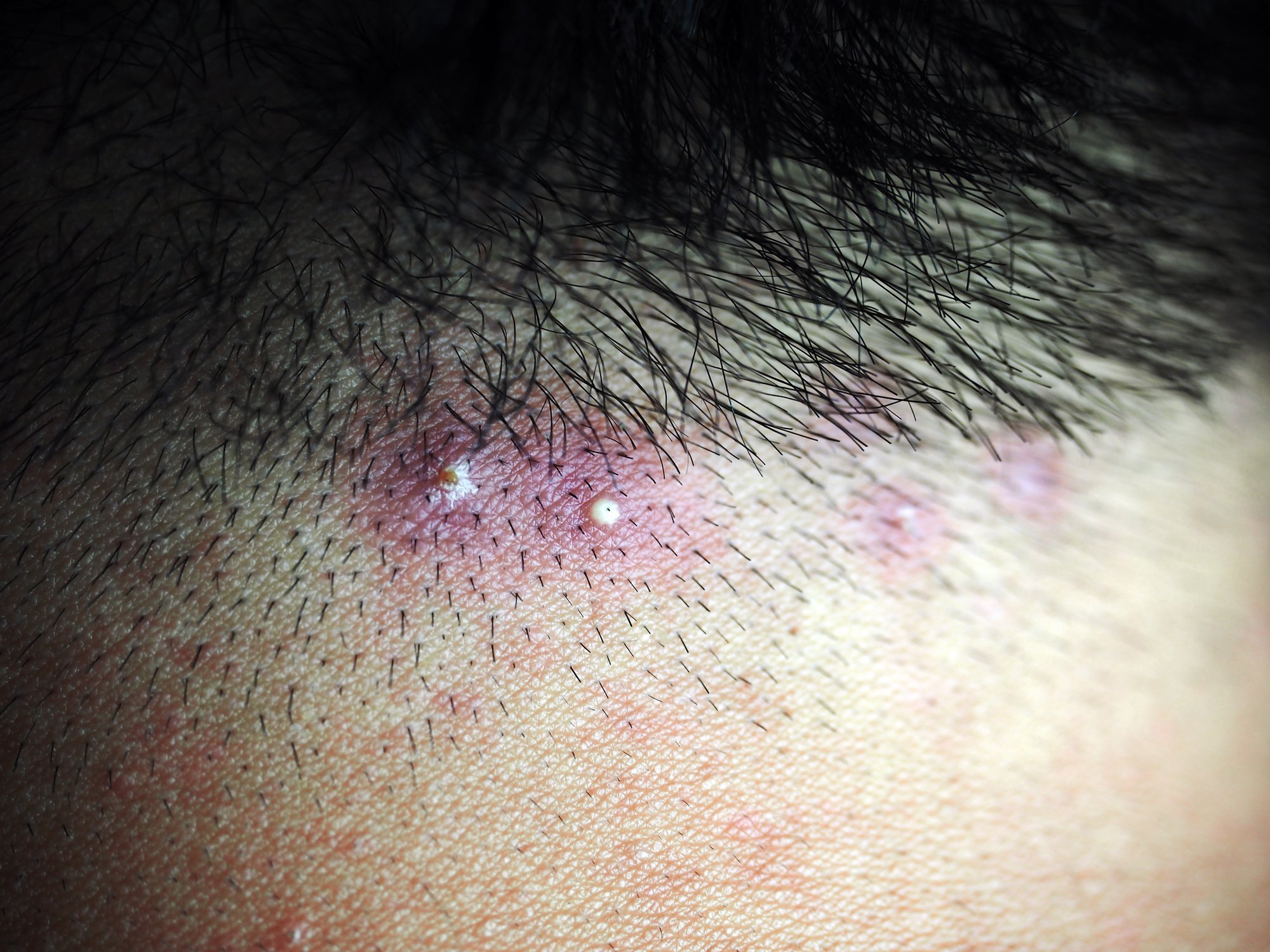
Folliculitis is a common skin condition in which hair follicles become infected or inflamed.

Folliculitis can look similar to acne and be uncomfortable or itchy, and because of its appearance, it can often have a psychosocial impact.

The two main forms of folliculitis are superficial and deep. The superficial form involves part of the follicle, while the deep form involves the entire follicle and is usually more severe.

There are many different types of folliculitis. Each type is unique based on the cause, the infectious organism, and its impact on the skin. The different types of folliculitis include:

  • Bacterial folliculitis
  • Hot tub rash
  • Malassezia folliculitis
  • Razor bumps
  • Sycosis barbae
  • Gram-negative folliculitis
  • Boils
  • Carbuncles
  • Eosinophilic folliculitis

Folliculitis appears anywhere on the body that has hair, such as the face, arms, upper back, and lower legs. Hair follicles can gather bacteria and other materials from the outside world that could cause inflammation or infection. When something is inflamed, it is swollen. A swollen hair follicle will bulge up and make a bump on the skin. If you have an infected hair follicle, you may experience:

  • Redness
  • Irritation
  • Itching
  • Bumps on the skin

Folliculitis is caused when a hair follicle is inflamed or infected with bacteria, commonly Staphylococcus aureus. This causes the follicle to swell under the skin, creating uncomfortable bumps on the surface. For many specific types of folliculitis, the cause isn’t always known. However, certain factors can increase the risk of developing this condition, including:

  • If you shave often
  • If you have been using an oral antibiotic for a long time
  • If you are overweight or obese
  • If you do activities that make you sweat a lot and don’t fully clean off afterward
  • If you spend time in a hot tub or sauna that isn’t properly cleaned

Signs and symptoms of folliculitis include:

  • Clusters of small bumps of pimples around hair follicles
  • Pus-filled blisters that break open and crust over
  • Itchy, burning skin
  • Painful, tender skin
  • An inflamed bump

To diagnose folliculitis, a healthcare provider will examine your skin and ask about your medical history. If early treatments don’t clear up the infection, the healthcare provider will run tests, including:

  • Scraping the skin to look for yeast under the microscope
  • They may take a swab for culture to determine the cause of the infection
  • In rare cases, they may do a skin biopsy to rule out other conditions

Treatment for folliculitis depends on the type and severity of the condition, what self-care measures were tried, and how you would like to proceed.

If you have tried nonprescription products for a few weeks and they haven’t helped, ask a healthcare provider about prescription-strength medications. A dermatologist can help you:

  • Control your folliculitis
  • Figure out whether a drug you take might be causing your symptoms and whether you can stop taking it
  • Avoid scarring or other damage to the skin
  • Make scars less noticeable

There are many ways that you can prevent folliculitis, including the following:

  • Washing your skin regularly
  • Doing laundry regularly
  • Avoiding friction or pressure on your skin
  • Avoiding shaving, if possible
  • Shaving with care
  • Trying hair-removing products or other methods of hair removal
  • Treating related conditions
  • Using only clean hot tubs and heated pools

Sometimes, folliculitis goes away without medical treatment. Self-care measures such as applying a warm, moist washcloth to the affected skin followed by an anti-itch cream may help relieve your symptoms.

If you have symptoms of folliculitis, you can receive treatment at Flushing Hospital Medical Center’s Ambulatory Care Center. To schedule an appointment, please call (718) 670-5486.


All content of this newsletter is intended for general information purposes only and is not intended or implied to be a substitute for professional medical advice, diagnosis or treatment. Please consult a medical professional before adopting any of the suggestions on this page. You must never disregard professional medical advice or delay seeking medical treatment based upon any content of this newsletter. PROMPTLY CONSULT YOUR PHYSICIAN OR CALL 911 IF YOU BELIEVE YOU HAVE A MEDICAL EMERGENCY.

Psoriasis Awareness Month

Psoriasis is a chronic skin condition that causes the formation of thick, scaly patches of discolored skin, also known as plaques. These rashes occur due to inflammation and can appear anywhere on the body, but typically develop on the elbows, knees, scalp, fingernails, toenails, palms, feet, lower back, genitals, face, and mouth. Over 3% of Americans have been diagnosed with psoriasis.

There are many types of psoriasis, including:

  • Plaque psoriasis (the most common form of psoriasis)
  • Inverse psoriasis (which causes plaques to form without a scaly texture)
  • Guttate psoriasis (which can appear after a case of strep throat)
  • Pustular psoriasis (characterized by pus-filled bumps that appear on plaques)
  • Erythrodermic psoriasis (covering over 90% of your skin)
  • Sebopsoriasis (appearing on your face and scalp with a yellow coloration and scaly texture)
  • Nail psoriasis (which causes discoloration and pitting in your fingernails and toenails)

Psoriasis is an autoimmune condition, meaning that it is caused by your immune system functioning abnormally and attacking healthy cells; this results in the inflammation that causes plaques on the skin. Psoriasis also significantly speeds up the production of new skin cells, causing scales and frequent shedding. Approximately one in three people diagnosed with this disorder may also be diagnosed with psoriatic arthritis, another autoimmune condition that causes swelling and pain in your joints.

Symptoms of psoriasis are not necessarily constant. They typically occur during periodic flare-ups, which may develop in response to certain factors or elements of the environment. Some common triggers for psoriasis include stress, infections such as strep throat, skin injuries, medications such as lithium and beta-blockers, and body temperature shifts in response to weather conditions.

Many cases of psoriasis may respond well to treatment options such as steroid creams, moisturizers, medical lotions or shampoos, vitamin D3 ointment, vitamin A or retinoid creams, and medications such as anthralin which slow down the production of new skin cells. If these options do not treat your symptoms effectively, your doctor may recommend light therapy, immunosuppressant drugs, and other, stronger medications.

If you are experiencing symptoms of psoriasis, you can receive specialized treatment from a dermatologist at Flushing Hospital Medical Center. To schedule an appointment, please call (718) 670-5486.

All content of this newsletter is intended for general information purposes only and is not intended or implied to be a substitute for professional medical advice, diagnosis or treatment. Please consult a medical professional before adopting any of the suggestions on this page. You must never disregard professional medical advice or delay seeking medical treatment based upon any content of this newsletter. PROMPTLY CONSULT YOUR PHYSICIAN OR CALL 911 IF YOU BELIEVE YOU HAVE A MEDICAL EMERGENCY.

What is Winter Itch?

During the winter, cold temperatures, low humidity, and high winds wear away at the natural oils and dead skin cells in the outer layer of your skin that preserves moisture content. This, combined with other potential factors such as a sensitivity to soaps and detergents, pre-existing skin conditions, infections, allergies to materials such as latex, sunburns, and stress or fatigue, may cause you to develop a rash sometimes referred to as “winter itch.”

Winter itch may cause similar symptoms to other types of rashes, such as redness, swelling, flaking, blisters, and itchiness. It most often occurs on the arms, legs, or hands, as these are most often exposed to cold air, but it can also develop anywhere on your body.

Certain soaps and moisturizing products may be helpful for treating winter itch. These include:

  • Skin cream or lotion
  • Petroleum jelly
  • Natural oils
  • Oatmeal soap or baths
  • Topical cortisone cream

Developing winter itch may indicate the need to make certain lifestyle changes during periods of cold weather to protect your skin. A few steps you can take to prevent the occurrence of a rash during the winter include:

Choosing clothes with less irritating materials: Clothes made from natural breathable fibers such as cotton and hemp may reduce skin irritation and overheating, both of which may contribute to an increased risk of developing a rash.

Wear appropriate protective clothing: Gloves, scarves, hats, and long socks can all go a long way to protecting skin that may be vulnerable to cold air and preventing rashes from developing in these areas.

Bathing less often: During the winter, overly frequent bathing can wear away at your skin’s natural outer layer of oils and dead skin cells, which build up more slowly during the winter due to decreased sweating. You may find it helpful to shower or bathe every other day, lathering up as little as possible and reducing the amount of hot water you use.

If you’re looking for the right treatment for a rash, you can schedule an appointment with a dermatologist at Flushing Hospital Medical Center’s Ambulatory Care Center by calling (718) 670-5486.

All content of this newsletter is intended for general information purposes only and is not intended or implied to be a substitute for professional medical advice, diagnosis or treatment. Please consult a medical professional before adopting any of the suggestions on this page. You must never disregard professional medical advice or delay seeking medical treatment based upon any content of this newsletter. PROMPTLY CONSULT YOUR PHYSICIAN OR CALL 911 IF YOU BELIEVE YOU HAVE A MEDICAL EMERGENCY.
Anti-Itch Ingredients to Look for (and Avoid) for Eczema

Eczema is a common skin condition characterized by patches of itchy, dry, blistering skin. It affects approximately 31 million Americans and up to 20% of all infants. The symptoms of eczema can range from mild to severe, often occurring in periodic “flare-ups” that cause them to temporarily worsen before subsiding.

While effective treatments for eczema such as steroid injections, oral medications, and even light therapy are available, many cases are treated through over-the-counter topical skin care products such as lotions, moisturizers, antihistamines, pain relievers, topical hydrocortisone, and shampoo.

These types of products can help prevent flare-ups of eczema by hydrating the affected areas of your skin and reducing inflammation. They often include ingredients such as:

  • Aloe
  • Glycerin
  • Hyaluronic acid
  • Vitamin E
  • Petrolatum
  • Humectants
  • Niacinamide

However, not all lotions, moisturizers, fragrances, or other skin care products may be beneficial for eczema-affected skin, as certain common ingredients can cause or worsen flare-ups, even if they’re beneficial for other types of skin conditions. These include:

  • Ethanol and alcohol
  • Lanolin
  • Propylene glycol
  • Retinoids
  • Essential oils
  • Urea

If you’re suffering from eczema, it’s best to work with a dermatologist that can help you find the most effective treatment options for your condition. You can schedule an appointment with a dermatologist at Flushing Hospital Medical Center’s Ambulatory Care Center now by calling (718) 670-5486.

All content of this newsletter is intended for general information purposes only and is not intended or implied to be a substitute for professional medical advice, diagnosis or treatment. Please consult a medical professional before adopting any of the suggestions on this page. You must never disregard professional medical advice or delay seeking medical treatment based upon any content of this newsletter. PROMPTLY CONSULT YOUR PHYSICIAN OR CALL 911 IF YOU BELIEVE YOU HAVE A MEDICAL EMERGENCY.

What Happens During a Skin Cancer Screening?

Skin cancer is the most common form of cancer in the United States, and approximately one in five Americans will develop skin cancer during their lifetime. Rates of skin cancers have also risen sharply over the past several decades. However, you can give yourself the best chance of an early diagnosis and successful treatment through a skin cancer screening.

Over 9,500 cases of skin cancer are diagnosed every day through physical screenings. If a form of skin cancer such as melanoma is caught early, the five-year survival rate is 99%, making successful treatment extremely likely.  This rate may fall dramatically as the disease progresses, however, reaching 68% when it reaches the lymph nodes and 30% once it metastasizes to other organs.

In many cases, symptoms of skin cancer may occur in seemingly normal skin, with only a low percentage developing from existing moles. In other cases, symptoms may not present at all. This can make it difficult for you to spot signs of skin cancer on your own, and even more important to get screened by a dermatologist on a regular basis.

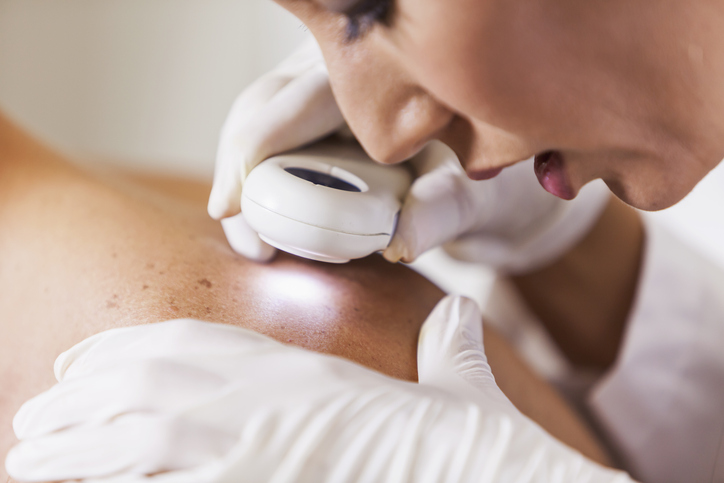
During a skin cancer screening, a dermatologist fully examines your skin from head to toe, checking for lesions or areas that appear abnormal. Irregular borders, multiple colors, and a size greater than six millimeters in diameter are a few of the indicators your doctor may look for, though these factors alone may not provide a sufficient basis for a diagnosis.

Your doctor may request a skin sample for a biopsy during your screening to examine certain skin cells more closely. Once your test results arrive, your doctor can provide a more definitive diagnosis.

It’s recommended that you get screened for skin cancer annually, or potentially more often if you’re at a high risk of developing it. You should also regularly check your own skin and take note of any marks or spots that appear different from their surrounding areas or cause sensations such as itching or pain. These spots should be pointed out to your doctor during a screening.

You can get a skin cancer screening at Flushing Hospital Medical Center’s Ambulatory Care Center. To schedule an appointment, please call 718-670-5486.

All content of this newsletter is intended for general information purposes only and is not intended or implied to be a substitute for professional medical advice, diagnosis or treatment. Please consult a medical professional before adopting any of the suggestions on this page. You must never disregard professional medical advice or delay seeking medical treatment based upon any content of this newsletter. PROMPTLY CONSULT YOUR PHYSICIAN OR CALL 911 IF YOU BELIEVE YOU HAVE A MEDICAL EMERGENCY.

August is Psoriasis Awareness Month


August is Psoriasis Awareness Month. It is a condition that is characterized by raised, red scaly patches. It is  often found on the scalp, knees and elbows, but can show up on other parts of the body as well of people who have the disease. The exact cause is not known but there is a correlation between genetics and also the body’s immune system. Psoriasis is a condition where the skin cells multiply at a faster rate than normal cells. This causes a buildup up skin lesions and the area of the body also feels warmer because it contains more blood vessels.

Psoriasis is not contagious so it does not get passed by coming in to contact with a person who has it. It is a condition that affects men and women equally and it can develop at any age, most commonly between the ages of 15 and 35.

Common signs of psoriasis include:
• red patches of skin with thick silvery scales
• cracked and dry skin that may bleed
• stiff joints that may be swollen
• itching, burning and soreness
• nails that are pitted, thick and ridged

There are certain risk factors for developing psoriasis.  This includes stress, smoking, obesity, alcoholism, skin infections, a vitamin D deficiency, and a family history. Psoriasis is diagnosed by examining the skin and making a diagnosis. A dermatologist will be able to determine if it is psoriasis by the amount of thickness and redness it has. There are different types of psoriasis and they are classified by how they show up on the skin.

There are three ways that treatment for psoriasis can be approached. They can be used by themselves or together, depending on the severity. Topical creams and ointments that contain corticosteroids are usually the most commonly prescribed medications for mild to moderate conditions. Light therapy that is either natural or artificial ultraviolet light  can be used and it is directed at the area of the body that is affected. In severe cases, medications that are either injected or taken orally may be required. There are also alternative treatments that are being used and this includes Aloe vera which comes from a plant and   omega-3 fatty acids that comes from fish oils.

Depending on the severity of the disease, it may have an impact on a person’s quality of life. If you would like to schedule an appointment with a dermatologist at Flushing Hospital Hospital for any type of skin condition, please call 718-670-5486.

All content of this newsletter is intended for general information purposes only and is not intended or implied to be a substitute for professional medical advice, diagnosis or treatment. Please consult a medical professional before adopting any of the suggestions on this page. You must never disregard professional medical advice or delay seeking medical treatment based upon any content of this newsletter. PROMPTLY CONSULT YOUR PHYSICIAN OR CALL 911 IF YOU BELIEVE YOU HAVE A MEDICAL EMERGENCY.