
National Childhood Obesity Awareness Month

The Centers for Disease Control and Prevention (CDC) recognizes September as National Childhood Obesity Awareness Month, a time to raise awareness about preventing childhood obesity.

Childhood obesity is a critical public health challenge that affects one in three children in the United States. Children with obesity face an increased risk of chronic health conditions, such as type 2 diabetes, high blood pressure, asthma, sleep apnea, and bone and joint problems. Obesity can also impact children beyond physical issues. It affects their emotional and social well-being as well, which leads to challenges like bullying and lower self-esteem.

Many factors impact childhood obesity, including eating and physical activity behaviors, genetics, metabolism, family and home environment, and community and social factors. For some children and families, obesity can be influenced by the following:

  • Too much time spent being inactive
  • Lack of sleep
  • Lack of places to go in the community to be physically active
  • Easy access to inexpensive, high-calorie foods and sugary beverages
  • Lack of access to affordable healthier foods

Here are some tips on how parents can help prevent their child from experiencing obesity:

  • Monitor growth
  • Provide nutritious foods
  • Promote drinking water
  • Encourage physical activity
  • Model healthy behaviors
  • Create a healthy sleep environment

Childhood obesity can be prevented by working together to help children achieve and maintain a healthy weight, improve their overall well-being, and build a foundation for a healthier future.

If you would like to speak with a pediatrician about childhood obesity at Flushing Hospital Medical Center, please call 718-670-5440 to schedule an appointment.

All content of this newsletter is intended for general information purposes only and is not intended or implied to be a substitute for professional medical advice, diagnosis or treatment. Please consult a medical professional before adopting any of the suggestions on this page. You must never disregard professional medical advice or delay seeking medical treatment based upon any content of this newsletter. PROMPTLY CONSULT YOUR PHYSICIAN OR CALL 911 IF YOU BELIEVE YOU HAVE A MEDICAL EMERGENCY.
Healthy Aging Month

September is recognized as healthy aging month. The observation was created to encourage people to focus on their health and take steps to help them face the challenges that come with aging.

As we age, we become aware of changes in our mental and physical health, and changes in our social needs. You can take charge of your well-being by taking steps to age with a healthy mind and body. Flushing Hospital Medical Center would like to offer these tips to help boost your health as you age:

  • Get moving
    • It is important to consult your doctor before exercising. Start slow, know your limitations, and modify activities if needed
    • Aim for at least 150 minutes of moderate-intensity physical activities each week
  • Maintain a healthy diet
  • Eat proper portion sizes
  • Avoid excess processed foods
  • Stay hydrated
  • Stay socially active
    • Stay in touch with friends and family
    • Try doing something new that interests you
  • Balance your body and mind
    • Keep a positive attitude
    • Keep your mind active by reading or doing puzzles
    • Keep your body active with yoga and stretches
  • Be proactive
    • Receive regular checkups, physicals, and medical tests when needed
    • Take vitamins, supplements, and medications as prescribed or needed

Healthy aging month is a time to celebrate life and the positive aspects of growing older. Healthy living is healthy aging. Developing and maintaining healthy aging practices throughout your life contributes to greater resilience and opportunities to thrive as we age. Making small changes in your daily life can help you live longer and better.

If you have questions about any medical issues that may arise as you age, you can schedule an appointment with a doctor at Flushing Hospital’s Ambulatory Care Center by calling (718) 670-5486.

All content of this newsletter is intended for general information purposes only and is not intended or implied to be a substitute for professional medical advice, diagnosis or treatment. Please consult a medical professional before adopting any of the suggestions on this page. You must never disregard professional medical advice or delay seeking medical treatment based upon any content of this newsletter. PROMPTLY CONSULT YOUR PHYSICIAN OR CALL 911 IF YOU BELIEVE YOU HAVE A MEDICAL EMERGENCY.

National Senior Citizens Day

August 21st, 2024 is National Senior Citizens Day. It’s a day that recognizes seniors who have contributed to society and impacted everyone’s lives for the better.

In 1988, President Ronald Reagan honored senior citizens by signing Proclamation 5847, establishing August 21st as National Senior Citizens Day.

A senior citizen is anyone 60 years of age and older. They are pioneers of science, medicine, psychology, civil rights, and more. Their valuable contributions to our communities have made them better places to live. The day honors their achievements and encourages us to support them in living their lives to the fullest and as independently as possible.

In honor of National Senior Citizens Day, Flushing Hospital Medical Center is offering these health tips for older adults:

  • Stay physically active for a healthy body and mind
  • Stay socially active with friends and family
  • Follow a healthy, well-balanced diet
  • Don’t neglect yourself, schedule checkups and stick to them
  • Take all medications as directed by your doctor

There are many ways that you and your loved ones can observe National Senior Citizens Day, including:

  1. Donate to a nursing/retirement home- one of the kindest and most rewarding things you can do is to donate essential goods or gifts to a nursing/retirement home.
  2. Reach out to a senior family member- visit and spend time with a family member who is a senior citizen. If you can’t see them, call them.
  3. Have fun- if you are a senior citizen, the day is about you. Spend time with your favorite people, and do something fun and exciting. Live it up and treat yourself.
  4. Take the time to recreate your family’s traditions. Be sure to include your grandparents and other elderly people in your family.

National Senior Citizen Day is a day to acknowledge and celebrate the seniors in our lives. Let’s make them know how much we care about and appreciate them.


All content of this newsletter is intended for general information purposes only and is not intended or implied to be a substitute for professional medical advice, diagnosis or treatment. Please consult a medical professional before adopting any of the suggestions on this page. You must never disregard professional medical advice or delay seeking medical treatment based upon any content of this newsletter. PROMPTLY CONSULT YOUR PHYSICIAN OR CALL 911 IF YOU BELIEVE YOU HAVE A MEDICAL EMERGENCY.

Dementia

Dementia is a general term that represents a group of diseases and illnesses that cause the loss of cognitive functioning to the point that it interferes with a person’s daily life and activities.

Cognitive changes they may experience include:

  • Memory loss, usually noticed by someone else
  • Problems communicating or finding words
  • Trouble with visual and spatial abilities, such as getting lost while driving
  • Problems with reasoning or problem-solving
  • Trouble performing complex tasks
  • Trouble with planning and organizing
  • Poor coordination and control of movements
  • Confusion and disorientation

Some people with dementia can’t control their emotions, and they may also have psychological changes, such as:

  • Personality changes
  • Depression
  • Anxiety
  • Agitation
  • Inappropriate behavior
  • Hallucinations

Dementia is caused by damage to your brain, affecting its nerve cells and destroying the brain’s ability to communicate with its various areas. Dementia can also result from blocked blood flow to your brain, depriving it of oxygen and nutrients. Without oxygen and nutrients, brain tissue dies.

Progressive dementias get worse over time. Types of dementias that worsen and aren’t reversible include:

  • Alzheimer’s disease (the most common cause of dementia)
  • Vascular dementia
  • Lewy body dementia
  • Frontotemporal dementia
  • Mixed dementia

Other disorders linked to dementia include:

  • Huntington’s disease
  • Traumatic brain injury (TBI)
  • Creutzfeldt-Jakob disease
  • Parkinson’s disease

Some causes of dementia-like symptoms can be reversed with treatment including:

  • Infections and immune disorders
  • Metabolic or endocrine problems
  • Low levels of certain nutrients
  • Medicine side effects
  • Subdural bleeding
  • Brain tumors
  • Normal-pressure hydrocephalus

Many risk factors can contribute to dementia, including:

  • Age
  • Family history

A healthcare provider must recognize the pattern of loss of skills and function to be able to diagnose the cause of dementia. No single test can diagnose dementia, therefore, a series of tests may be conducted to determine a diagnosis. These tests include:

  • Cognitive and neuropsychological tests
  • Neurological evaluation
  • Brain scans
    • CT or MRI
    • PET scans
  • Laboratory tests
  • Psychiatric evaluation

Most types of dementia can’t be cured, but there are ways to manage your symptoms including:

  • Medications
  • Therapies

If you or a loved one is experiencing symptoms associated with dementia, you can receive treatment from a neurologist at Flushing Hospital Medical Center’s Ambulatory Care Center. To schedule an appointment, please call (718) 670-5486.


All content of this newsletter is intended for general information purposes only and is not intended or implied to be a substitute for professional medical advice, diagnosis or treatment. Please consult a medical professional before adopting any of the suggestions on this page. You must never disregard professional medical advice or delay seeking medical treatment based upon any content of this newsletter. PROMPTLY CONSULT YOUR PHYSICIAN OR CALL 911 IF YOU BELIEVE YOU HAVE A MEDICAL EMERGENCY.

National Immunization Awareness Month

August is National Immunization Awareness Month or NIAM. It is an annual observance highlighting the importance of getting routine vaccinations for people of all ages. 

Vaccines work by stimulating the immune system to protect our bodies against viruses or bacteria that cause infection. After vaccination, the immune system is better prepared to respond quickly when the body encounters disease-causing organisms.

Vaccinations are important at every stage of life. They are one of the safest preventative care measures available and help play a vital role in keeping you healthy. When you skip vaccines, you leave yourself vulnerable to illnesses such as shingles, influenza (flu), and both HPV and hepatitis B which are leading causes of cancer. 

Getting vaccinated also helps keep your family and community healthy, as vaccinations can help lessen the severity of illness and keep diseases from spreading. Additionally, vaccinations help protect those most vulnerable to illness, such as infants, elders, and people with weakened immune systems. 

If you or a loved one would like to get vaccinated, schedule an appointment with a physician at Flushing Hospital’s Department of Internal Medicine or your primary care physician as soon as possible.

To schedule an appointment for you or a loved one to get up to date on vaccinations, you can call Flushing Hospital Medical Center’s Ambulatory Care Center at (718) 670-5486.

All content of this newsletter is intended for general information purposes only and is not intended or implied to be a substitute for professional medical advice, diagnosis or treatment. Please consult a medical professional before adopting any of the suggestions on this page. You must never disregard professional medical advice or delay seeking medical treatment based upon any content of this newsletter. PROMPTLY CONSULT YOUR PHYSICIAN OR CALL 911 IF YOU BELIEVE YOU HAVE A MEDICAL EMERGENCY.
Juvenile Arthritis Awareness Month

July is Juvenile Arthritis Awareness Month. Arthritis isn’t just an older person’s disease. Children can suffer from it as well.

Juvenile arthritis or pediatric rheumatic disease is an umbrella term that describes the inflammatory and rheumatic diseases that develop in children 16 years and under.

Juvenile idiopathic arthritis (JIA) is an autoimmune disease where the immune system attacks the joints instead of fighting viruses and germs. It is the most common type of arthritis in children.

Other types of juvenile arthritis include:

  1. Juvenile myositis- is an inflammatory disease that causes muscle weakness. There are two types:
  • Juvenile polymyositis
  • Juvenile dermatomyositis
  1. Juvenile lupus- is an autoimmune disease that affects the joints, skin, internal organs, and other areas. The most common form is systemic lupus erythematosus (SLE).
  2. Juvenile scleroderma- describes a group of conditions that cause the skin to tighten and harden.
  3. Vasculitis- is a disease that causes inflammation of the blood vessels that can lead to heart complications. According to the Arthritis Foundation, Kawasaki disease and Henoch-Schonlein purpura (HCP) are the most common vasculitis in kids and teens.
  4. Fibromyalgia- is a chronic pain syndrome that causes widespread muscle pain and stiffness. It also causes fatigue, disrupted sleep, and other symptoms. It is more common in girls and rarely diagnosed before puberty.

The symptoms of juvenile arthritis can vary depending on the type. The most common symptoms include:

  • Joint pain
  • Joint swelling
  • Joint stiffness
  • Fever, swollen lymph nodes, and rash

It can be difficult to diagnose juvenile arthritis in children because joint pain can be caused by many different problems. Here are some ways it is diagnosed:

  • Physical exams
  • Blood tests
  • Imaging scans

There is no cure for arthritis. However, it can be treated. Treatments include:

  • Medications
  • Physical or occupational therapies
  • Surgery
  • Self-care

If you believe your child is experiencing arthritis symptoms, visiting a pediatrician as soon as possible is important. You can schedule an appointment at Forest Hills Pediatric Specialists by calling (718) 704-5020

All content of this newsletter is intended for general information purposes only and is not intended or implied to be a substitute for professional medical advice, diagnosis or treatment. Please consult a medical professional before adopting any of the suggestions on this page. You must never disregard professional medical advice or delay seeking medical treatment based upon any content of this newsletter. PROMPTLY CONSULT YOUR PHYSICIAN OR CALL 911 IF YOU BELIEVE YOU HAVE A MEDICAL EMERGENCY.

Grilling Safety Tips

Let the summer cookouts begin!

We all enjoy delicious food fresh off the grill. Whether you’re using a charcoal or a gas grill, here are some tips to help you grill safely:

  • Grill in well-ventilated areas. Never use an outdoor grill indoors.
  • Open your gas grill before lighting to make sure gas doesn’t build up under the top.
  • Wear proper clothing.
    • Don’t wear any loose clothing.
    • Roll up your sleeves.
    • Pull your hair back.
    • Tie and secure apron strings.
  • Keep a fire extinguisher within reach.
  • Keep combustibles like lighter fluid and cooking sprays at a safe distance away from the grill.
    • Never add lighter fluid to hot coals.
    • Never use gasoline or kerosene as a starter fluid.
  • Create a safe zone around the grill.
    • Keep children, pets, and play areas away from the grill.
    • Mark a three-foot “No Kids Zone” around your grill.
  • Keep the grill at least 10 feet away from buildings.
  • Check the grill for leaks if you are using a gas grill.
  • Make sure the grill is on a flat and level surface.
  • Always clean the grill after use to remove grease that can start a fire.
  • Keep a spray bottle full of water next to the grill to extinguish any small flames before they spread.
  • Never leave the grill unattended.
  • Never use the grill while intoxicated.
  • Place used coals from the grill in a metal can with a lid once they have cooled off.

If you or someone you are with are experiencing an emergency, call 911 immediately.


All content of this newsletter is intended for general information purposes only and is not intended or implied to be a substitute for professional medical advice, diagnosis or treatment. Please consult a medical professional before adopting any of the suggestions on this page. You must never disregard professional medical advice or delay seeking medical treatment based upon any content of this newsletter. PROMPTLY CONSULT YOUR PHYSICIAN OR CALL 911 IF YOU BELIEVE YOU HAVE A MEDICAL EMERGENCY.
Top Summer Health Concerns and How to Prevent Them

Summer is in full swing, so most of our time will be spent outside doing various activities. However, there are many health concerns to consider.

Here are some summer health concerns and how to prevent them:

  1. Dehydration

Up to 78% of the human body is made of water, when it doesn’t get enough of it, it can’t function properly. In high heat, dehydration can become severe and fatal.

To prevent dehydration, it is important to stay hydrated. You can do this by drinking water and eating water-rich foods. Staying properly hydrated can also prevent kidney stones.

  1. Sunburns

A sunburn is when UV or ultraviolet rays from the sun cause a radiation burn on the skin. Sunburns can contribute to premature aging of skin and skin cancer. It can also lead to dehydration, sun poisoning, and infection from severe burns.

To prevent sunburn, wear sunscreen containing titanium oxide or zinc oxide every day, even on overcast days. Make sure to cover your entire body, including your ears, eyelids, lips, scalp, and if exposed, the top of your feet.

  1. Heat illnesses

Spending time in the sun doesn’t only bring the risks of sunburn and dehydration. It also brings the risk of heat illnesses which include:

  • Heat rash- a red stinging rash that develops when sweat gets trapped in your glands.
  • Heat cramps- are painful muscle cramps that occur when you sweat so much that your body loses salts and fluids.
  • Heat exhaustion- is when your body can’t cool itself through sweating. If it’s not treated, it can quickly turn into heatstroke.
  • Heatstroke- or sunstroke, is when your body temperature climbs to dangerous levels. It’s the most severe heat-related illness and can be fatal.

To prevent heat illnesses, limit the time you spend outdoors. Also, take any symptoms you observe in yourself and others seriously.

  1. Bee stings and insect bites

Since insects are more active during the summer, there’s a higher risk of encountering them. Especially for:

  • Bee stings
  • Mosquito bites
  • Tick bites
  • Ant bites

To prevent bugs from stinging or biting you, wear an insect repellent with the active ingredients DEET or picaridin. Other ways to prevent stings and bites include:

  • Avoid using scented products.
  • Drain any standing water.
  • Put on protective clothing.
  • Don’t leave any food uncovered outside.
  1. Drowning

We want to spend more time near water to cool off as temperatures rise. However, it is important to follow proper safety precautions to avoid drowning risks.

Here are some ways to prevent drowning risks:

  • Learn CPR
  • Use drain covers on pool drains.
  • Wear life jackets
  • Sign up for swimming lessons.
  1. Unsafe summer foods

Everybody loves a good summer barbecue or cookout, but sometimes the food we eat doesn’t always love us back.

The smoking process that gives smoked meats their flavor also creates harmful substances called polycyclic aromatic hydrocarbons or PAHs and heterocyclic amines or HCAs. The National Cancer Institute warns that PAHs and HCAs are mutagenic, meaning they can cause changes to your DNA that put you at risk for certain types of cancer.

You can prevent ingesting these harmful substances by using liquid smoke as an alternative marinade for your meats.

Foodborne illness can be a concern for cookout food as well. This is the case for food left out or leftover sitting in the “temperature danger zone” of 40 to 140 degrees Fahrenheit. These temperatures allow bacteria to grow that can make you sick.

You can prevent foodborne illness by cooking meats to a safe temperature and throwing any food that has sat out too long in the trash.

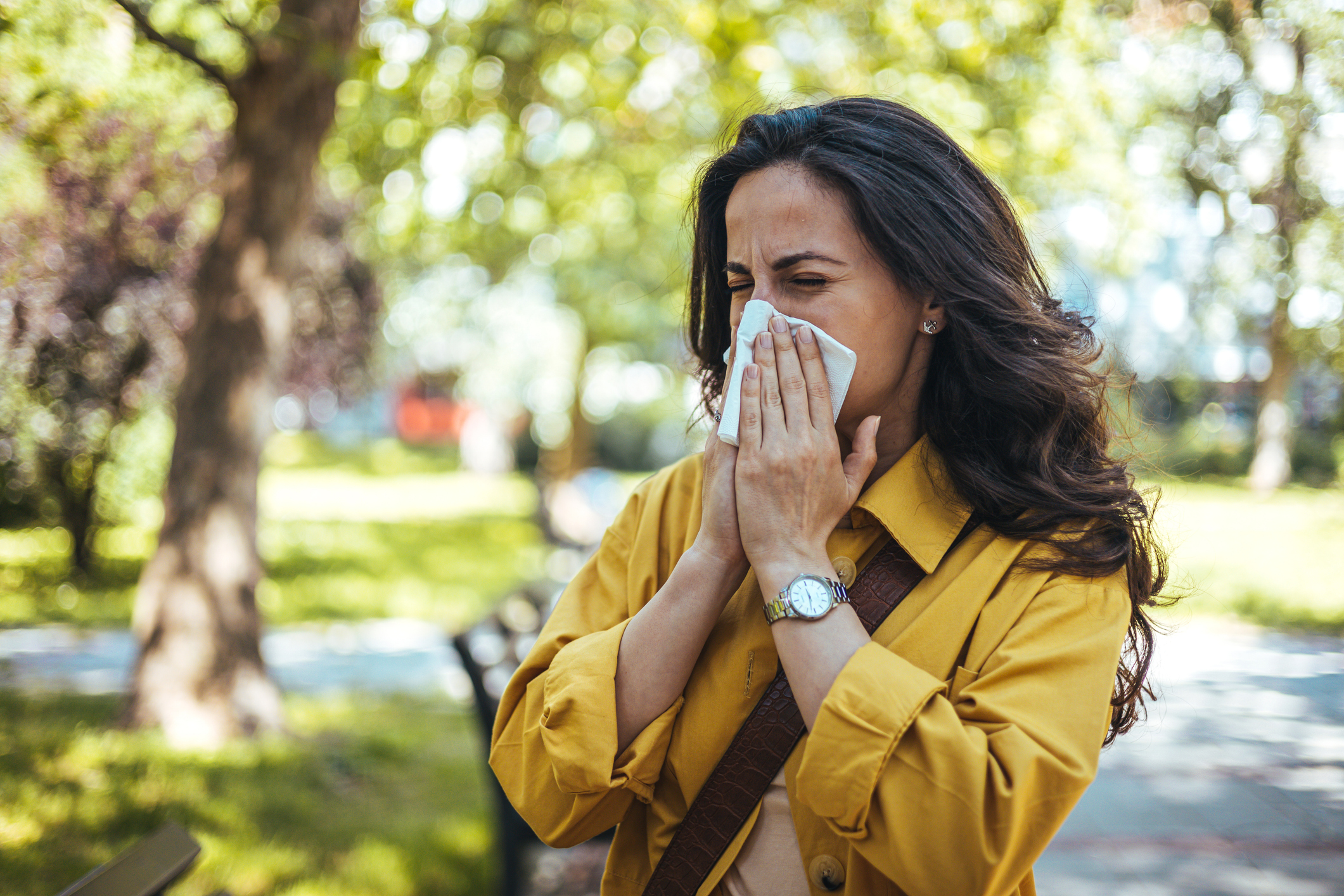
  1. Seasonal allergies

Pollen is a huge problem in the summer as the weather gets warmer and trees, grass, and flowers pollinate.

To prevent seasonal allergies, try taking allergy medications before the season starts so your body can build its defense.

These preventative measures can help you enjoy your summer and keep you safe.

If you or someone you are with are experiencing an emergency, call 911 immediately.


All content of this newsletter is intended for general information purposes only and is not intended or implied to be a substitute for professional medical advice, diagnosis or treatment. Please consult a medical professional before adopting any of the suggestions on this page. You must never disregard professional medical advice or delay seeking medical treatment based upon any content of this newsletter. PROMPTLY CONSULT YOUR PHYSICIAN OR CALL 911 IF YOU BELIEVE YOU HAVE A MEDICAL EMERGENCY.
Tips to Prevent Exercise Injuries

A runner holding their leg due to pain from an exercise-related injury.Exercise is generally good for your health; in fact, adults are recommended to get 150 minutes of moderate-intensity physical activity and two days of muscle-strengthening activity each week, according to the Centers for Disease Control and Prevention (CDC). However, it’s also important to keep in mind that there is always a risk of physical injury while exercising. Some of the most common exercise-related injuries include:

  • Injuries to your shoulders, knees, elbows, legs, or ankles
  • Bone fractures
  • Dislocation
  • Sprains
  • Strains
  • Tendinitis
  • Bursitis

Several factors affect your risk of experiencing an injury while exercising. One of these is the exercise itself; certain exercises are more challenging than others and, as a result, may be more likely to cause an injury if you are not able to perform them properly. Another factor is frequency; a moderate amount of exercise is healthy, but working out excessively can put too much stress on your body. You may also be more likely to experience an injury if you have a medical condition or disability that makes an exercise more difficult to perform.

You can off-set these risk factors by taking certain steps to keep yourself safe. When you exercise, you should:

  • Learning the correct form for each exercise you plan to do
  • Warm up before performing an exercise (for example, by performing the exercise at a very light weight)
  • Cool down after performing an exercise (you can repeat your warm-up exercise or do a different, slow-paced activity for this)
  • Using safety equipment (talk to your doctor about what would be most appropriate for the exercises you plan to do)
  • Talking to your doctor about the types of exercises you plan to perform to make sure that they are safe for you
  • Varying your exercises throughout the week, focusing on different muscles each day you work out

It’s also important to recognize when you’re experiencing pain (as opposed to soreness) while working out. Sore muscles are normal, both during and after exercise, and you will need to push yourself to a reasonable extent. However, if you feel pain, stop exercising right away. Additionally, if you feel that you physically cannot finish an exercise, don’t try to force yourself to do so; this can lead to overuse injuries.

If you’ve injured yourself while exercising, you can receive a diagnosis and treatment from a physiatrist at Flushing Hospital Medical Center’s Department of Rehabilitation. To schedule an appointment, please call (718) 670-5515.

All content of this newsletter is intended for general information purposes only and is not intended or implied to be a substitute for professional medical advice, diagnosis or treatment. Please consult a medical professional before adopting any of the suggestions on this page. You must never disregard professional medical advice or delay seeking medical treatment based upon any content of this newsletter. PROMPTLY CONSULT YOUR PHYSICIAN OR CALL 911 IF YOU BELIEVE YOU HAVE A MEDICAL EMERGENCY.

Outdoor Exercises For Winter Weather

Young male runner preparing his sneakers for running. Tying shoelaces on a snowy road.It can be easy to use the cold winter weather as an excuse to stay inside and avoid outdoor physical activities. However, many forms of outdoor exercise are actually well-suited to lower temperatures and can even offer some added benefits, assuming that you take the appropriate precautions to protect your health. A few of these recommended outdoor exercises include:

Running: Winter is a great time to go out for a run. Running is a simple way to incorporate moderately intense aerobic exercise into each week; the Centers for Disease Control and Prevention (CDC) recommends an average of 150 minutes of this type of exercise each week. Running in cold temperatures may also increase your metabolism, making it easier to burn excess calories. Make sure to wear two layers (including a jacket) and appropriately-fitting running shoes.

Ice Skating: Another popular outdoor winter activity that can double as a great form of exercise is ice skating. It’s a low-impact type of aerobic exercise, meaning that it puts minimal stress on your joints. It can also be helpful for improving your balance and strengthening your leg muscles. In order to avoid injury or medical problems due to the cold weather, make sure to wear appropriately-fitting skates and additional layers of clothing.

Snow Shoveling: While shoveling snow is typically more of a chore than a popular exercise choice, it does offer a few benefits for your physical health. Snow shoveling requires effort from your legs and arms to lift and move snow, strengthening muscles in these parts of your body. As with other outdoor exercises, make sure to wear an appropriate number of layers of clothing. Additionally, make sure to lift from your legs to avoid injuries to your back, and take frequent rests as needed to avoid over-stressing your heart. 

If you experience medical problems while exercising, you can schedule an appointment with a doctor at Flushing Hospital Medical Center’s Ambulatory Care Center. To schedule an appointment, please call (718) 670-5486.


All content of this newsletter is intended for general information purposes only and is not intended or implied to be a substitute for professional medical advice, diagnosis or treatment. Please consult a medical professional before adopting any of the suggestions on this page. You must never disregard professional medical advice or delay seeking medical treatment based upon any content of this newsletter. PROMPTLY CONSULT YOUR PHYSICIAN OR CALL 911 IF YOU BELIEVE YOU HAVE A MEDICAL EMERGENCY.