Appendicitis

Appendicitis occurs when the appendix becomes clogged, infected, and inflamed. It can cause acute pain in your lower abdomen, however, for most people, pain begins around the belly button and then moves. As inflammation worsens, appendicitis pain typically increases and eventually becomes serious.

Symptoms of appendicitis include:

  • Sudden pain that begins on the right side of the lower belly
  • Sudden pain that begins around the belly button and often shifts to the lower right belly
  • Pain that worsens with coughing, walking, or making other jarring movements
  • Nausea and vomiting
  • Loss of appetite
  • Low-grade fever that may rise as the illness worsens
  • Constipation or diarrhea
  • Belly bloating
  • Gas

Additional symptoms that may develop later in some people can include:

  • Malaise
  • Urinary symptoms- needing to go more frequently or more urgently
  • Bowel paralysis

The size and location of the appendix make it easy for it to become clogged and infected. Your large intestine is home to many bacteria. If they become trapped in your appendix, they overgrow and cause an infection. The bacteria then multiplies quickly causing the appendix to become inflamed and filled with pus. If it is not treated right away, the appendix may burst or break open.

Some common causes of inflammation, swelling, obstruction, and infection in your appendix include:

  • Hardened poop (appendix stones)
  • Lymphoid hyperplasia
  • Colitis

Other factors that could block the opening of your appendix can include:

  • Tumors
  • Parasites
  • Cystic fibrosis

Risk factors for appendicitis include:

  • Age – anyone can develop appendicitis, but it most often happens in people between the ages of 10 and 30
  • Your sex – men have a slightly higher risk of appendicitis than women

To help diagnose appendicitis, a healthcare provider will likely take a history of symptoms and examine the abdomen. Tests used to diagnose appendicitis can include:

  • A physical exam
  • Blood tests
  • Urine tests
  • Imaging tests

Appendicitis may spontaneously resolve if the cause suddenly goes away on its own. This might happen if an obstruction in your appendix gets unblocked and passes through the intestines, or if an infection causing lymphoid hyperplasia in your appendix suddenly improves. However, you shouldn’t assume this will happen or that it has happened, even if your pain has reduced.

The standard treatment includes medicine such as antibiotics and surgery to remove the appendix. Appendicitis is considered an emergency, so it is treated in the emergency room.

If you are experiencing symptoms of appendicitis, visit Flushing Hospital Medical Center’s Ambulatory Care Center. To schedule an appointment, please call (718) 670-5486. If there is an emergency, please call 911.


All content of this newsletter is intended for general information purposes only and is not intended or implied to be a substitute for professional medical advice, diagnosis or treatment. Please consult a medical professional before adopting any of the suggestions on this page. You must never disregard professional medical advice or delay seeking medical treatment based upon any content of this newsletter. PROMPTLY CONSULT YOUR PHYSICIAN OR CALL 911 IF YOU BELIEVE YOU HAVE A MEDICAL EMERGENCY.
Tips for Strength Training as You Age

As we age, concerns about strength, balance, and mobility arise. Age-related mobility limitations are a fact of life for many older adults. Studies have shown that about 30% of adults over 70 years of age have trouble walking, getting up out of a chair, or climbing stairs. In addition to making everyday tasks difficult, mobility limitations are also linked to higher rates of falls, chronic disease, nursing home admission, and mortality.

Weight lifting and stretching are useful at any age, but there are specific benefits for older adults such as preventing or delaying the onset of many age-related ailments. Integrating resistance training and stretching into your routine can keep you feeling healthy and strong.

Committing to and maintaining a strength training program, whether it is at the gym or at home can improve your strength, balance, and mobility.

Your strength training program should include:

  • Three weekly sessions
  • Work out your whole body
  • Consistency

Here are six strength exercises for an effective and comprehensive full-body workout:

  • One-leg balance
  • Squat
  • Wall pushup
  • Resistance band row
  • Bird dog
  • Glute bridge

Unless otherwise noted, do three sets of 10-12 reps of each exercise.

Here are five stretches to include in your fitness routine to hit all of the major body parts and help improve your flexibility and mobility:

  • Hamstring stretch
  • Seated hip stretch
  • Chest opener
  • Side-lying thoracic rotation
  • Side-to-side reach

If not indicated, hold each stretch for about 30 seconds total. As you focus on breathing, deep inhale, deep exhale, and try to go deeper into the stretch.

Please note that when beginning strength training, your healthcare provider must clear you before starting. Start slowly and gradually increase your physical activity level over time.

If you experience medical problems while exercising, you can schedule an appointment with a doctor at Flushing Hospital Medical Center’s Ambulatory Care Center. To schedule an appointment, please call (718) 670-5486.

All content of this newsletter is intended for general information purposes only and is not intended or implied to be a substitute for professional medical advice, diagnosis or treatment. Please consult a medical professional before adopting any of the suggestions on this page. You must never disregard professional medical advice or delay seeking medical treatment based upon any content of this newsletter. PROMPTLY CONSULT YOUR PHYSICIAN OR CALL 911 IF YOU BELIEVE YOU HAVE A MEDICAL EMERGENCY.

What is Smoker’s Flu?

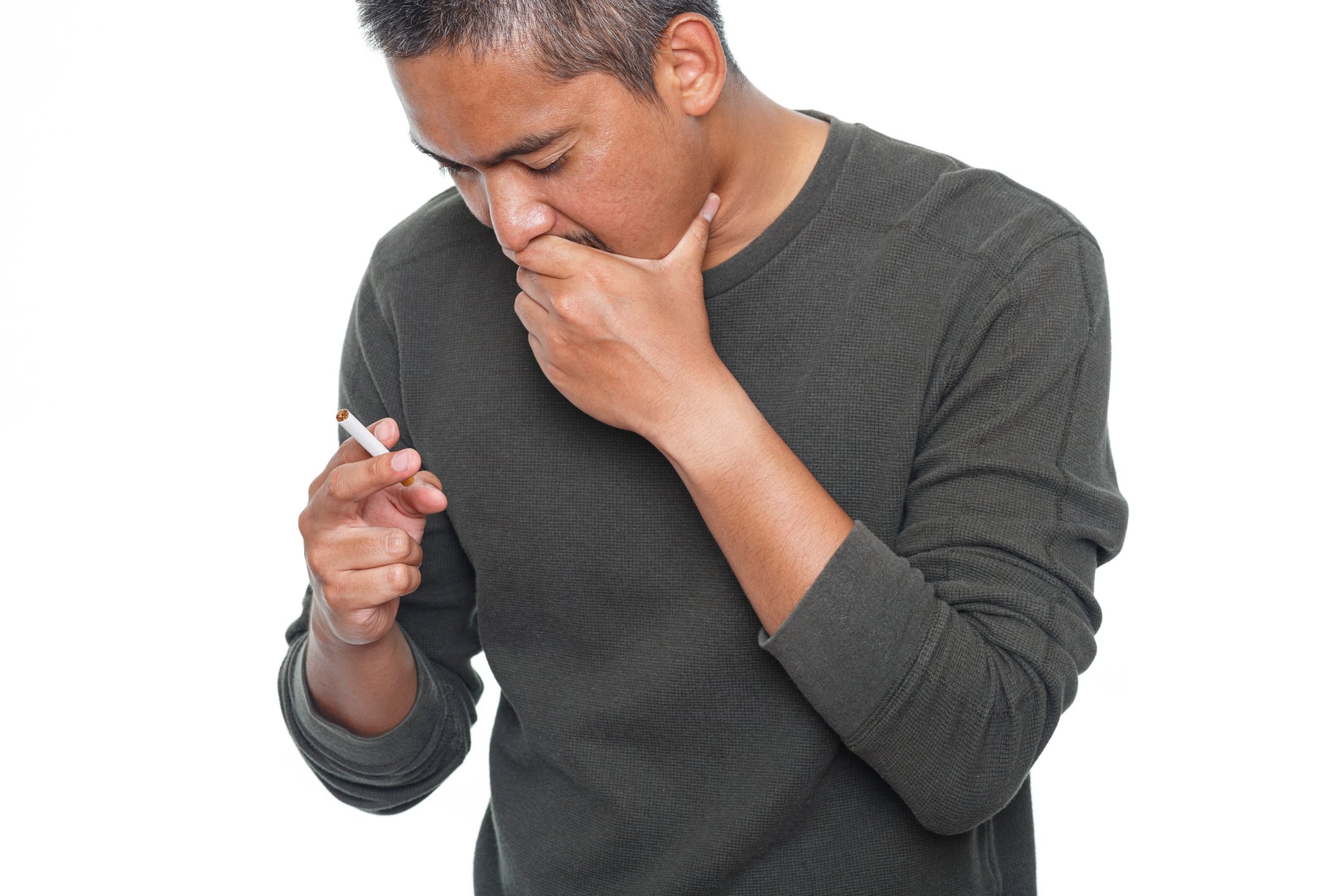
Smoker’s flu is a term used to describe the set of symptoms people can develop when they stop smoking tobacco. It is the direct result of nicotine withdrawal, which causes cold and flu-like symptoms.

About 80-90% of people who smoke have a nicotine addiction and may experience some form of withdrawal after they quit. Symptoms are worse if the person quits cold turkey, however, most symptoms tend to subside within two weeks. Symptoms of smoker’s flu include:

  • Coughing
  • Sore throat
  • Sneezing
  • Chest tightness
  • Body aches
  • Headache
  • Fatigue

Smoker’s flu can occur on its own, but it is more likely to accompany classic physical and mental symptoms of nicotine withdrawal, including:

  • Slowed heart rate
  • Upset stomach
  • Constipation
  • Gas and bloating
  • Diarrhea
  • Increased hunger
  • Anxiety
  • Depression
  • Apathy or general unhappiness
  • Irritability
  • Difficulty concentrating
  • Nicotine craving

One study showed that 61.1% of smokers who quit experience symptoms of nicotine withdrawal when they stop. Some symptoms, especially affective ones like anxiety, can start as early as four hours after their last cigarette. Smoker’s flu can be unpleasant, but it isn’t dangerous. Unlike withdrawal from alcohol or opioid drugs, nicotine withdrawal won’t cause harm to your health.

Smoker’s flu is not a diagnosis and there are no specific guidelines on treatment, however, its symptoms will resolve over time. Until they do, several things can help manage the symptoms of smoker’s flu, including:

  • Treating the cough
  • Using over-the-counter pain relievers
  • Exercising
  • Practicing mind-body therapies

Nicotine replacement therapy can also help ease or prevent nicotine withdrawal symptoms.

Flushing Hospital Medical Center provides extensive assistance for people who want to quit smoking. It offers a free smoking cessation support group and one-on-one sessions, both in person and by phone. For more information, please call 718-206-8494.

All content of this newsletter is intended for general information purposes only and is not intended or implied to be a substitute for professional medical advice, diagnosis or treatment. Please consult a medical professional before adopting any of the suggestions on this page. You must never disregard professional medical advice or delay seeking medical treatment based upon any content of this newsletter. PROMPTLY CONSULT YOUR PHYSICIAN OR CALL 911 IF YOU BELIEVE YOU HAVE A MEDICAL EMERGENCY.

How to Prepare for an MRI

MRI, or magnetic resonance imaging, is a medical technique that uses a magnetic field and computer-generated radio waves to create detailed images of the body’s organs and tissues.

MRI is a noninvasive way for a medical professional to examine your organs, tissues, and skeletal system, producing high-resolution images of the inside of the body that help diagnose several conditions. The MRI machine also produces 3D images that can be viewed from different angles. Parts of the body that MRI takes images of include:

  • Brain and spinal cord
  • Heart and blood vessels
  • Internal organs
  • Bones and joints
  • Breasts

Before an MRI exam, eat as you normally would, and continue to take your usual medicines, unless you are told otherwise. You will typically be asked to change into a gown and to remove things that might affect the magnetic imaging, such as:

  • Jewelry
  • Hairpins
  • Eyeglasses
  • Watches
  • Wigs
  • Dentures
  • Hearing aids
  • Underwire bras
  • Cosmetics that contain metal particles

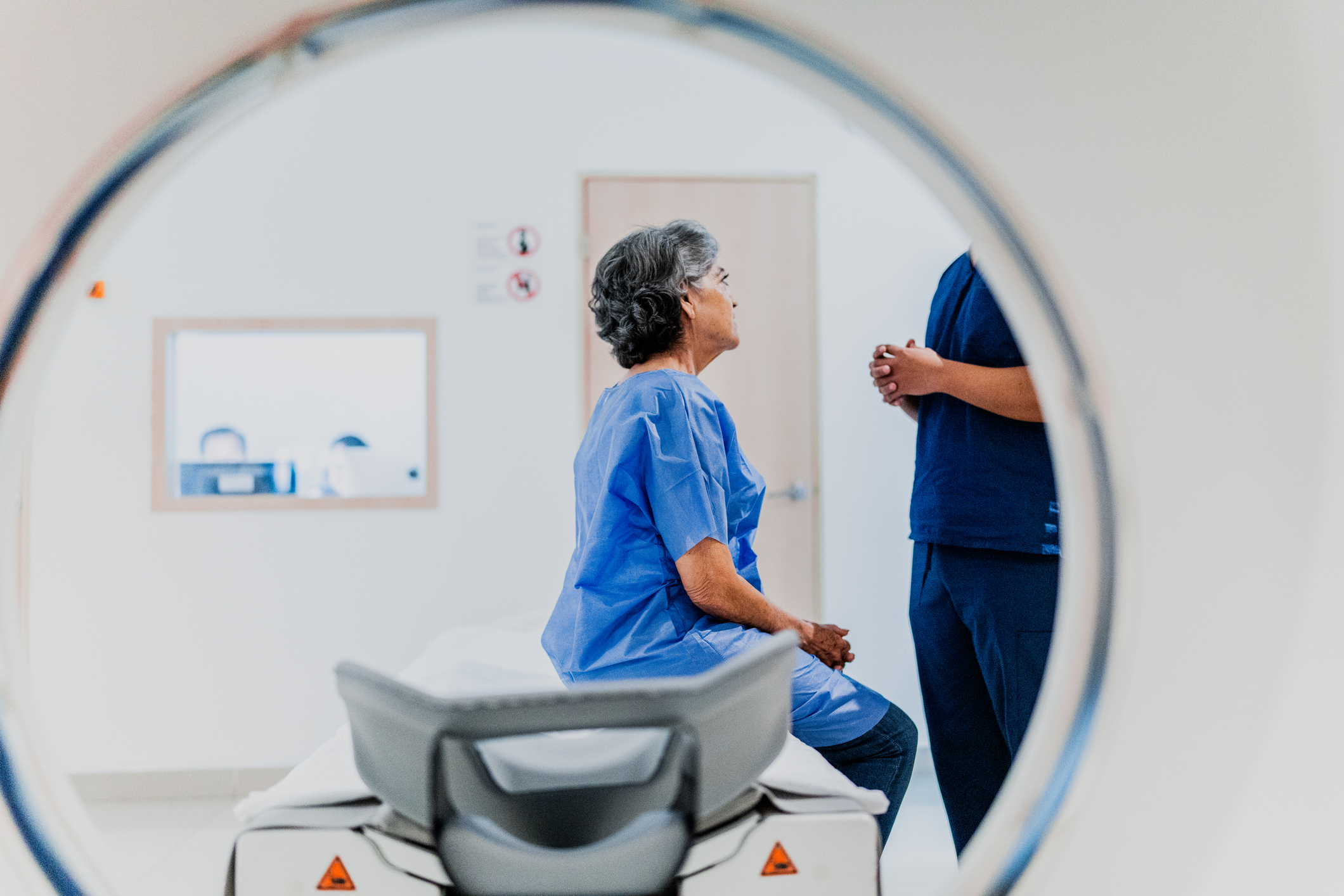
Most MRI machines are large, tube-shaped magnets. When you lie inside an MRI machine, its magnetic field works with radio waves and hydrogen atoms in your body to create cross-sectional images.

If you have a fear of enclosed spaces, also known as claustrophobia, you might receive a drug to help you feel sleepy and less anxious. An MRI exam can last anywhere from 15 minutes to more than an hour. You must hold still because movement can blur the images. Most people get through the exam without difficulty.

If you haven’t been sedated, you can resume your usual activities immediately after the scan.

For the results, a radiologist will look over the images from your scan and report the findings to your doctor. Your doctor will then discuss important findings and next steps with you.

To schedule an appointment with the Flushing radiology department, call 718- 670-5458. To schedule an appointment for an MRI or for more information about the MRI, please call 718-670-8851.


All content of this newsletter is intended for general information purposes only and is not intended or implied to be a substitute for professional medical advice, diagnosis or treatment. Please consult a medical professional before adopting any of the suggestions on this page. You must never disregard professional medical advice or delay seeking medical treatment based upon any content of this newsletter. PROMPTLY CONSULT YOUR PHYSICIAN OR CALL 911 IF YOU BELIEVE YOU HAVE A MEDICAL EMERGENCY.

Addison’s Disease

Addison’s disease is a rare chronic condition that occurs when the adrenal glands don’t produce enough of the hormones cortisol and aldosterone. Another name for Addison’s disease is primary adrenal insufficiency.

With Addison’s disease, the damage to your adrenal glands happens slowly over time, so symptoms occur gradually and vary from person to person. Symptoms of Addison’s disease include:

  • Steadily worsening fatigue
  • Patches of dark skin, especially around scars and skin creases and on your gums
  • Abdominal pain
  • Nausea and vomiting
  • Diarrhea
  • Loss of appetite and unintentional weight loss
  • Muscle pain, muscle spasms, and/or joint pain
  • Dehydration
  • Low blood pressure, which can cause lightheadedness or dizziness upon standing
  • Changes in mood and behavior, such as irritability, depression, and poor concentration
  • A craving for salty food
  • Low blood sugar

People assigned female at birth with Addison’s disease may also have abnormal periods, lose body hair, and have a decreased sex drive. In some cases, such as after an injury, severe illness, or time of intense stress, symptoms can come on quickly and cause a life-threatening event called an addisonian crisis or acute adrenal failure.

An addisonian crisis is a medical emergency. If it is not treated, it can lead to shock and death. Symptoms of an addisonian crisis include:

  • Extreme weakness
  • Sudden, severe pain in your lower back, belly, or legs
  • Feeling restless, confused, afraid, or other mental changes
  • Severe vomiting and diarrhea, possibly leading to dehydration
  • Low blood pressure
  • Loss of consciousness

The most common cause of Addison’s disease is an autoimmune response, which occurs when the immune system attacks healthy tissues for an unknown reason. With Addison’s disease, the immune system attacks the outer portion of the adrenal glands, the adrenal cortex, where cortisol and aldosterone are made. Symptoms don’t usually develop until 90% of the adrenal cortex has been damaged which can take several months to years.

Other causes of Addison’s disease can include:

  • Tuberculosis
  • Other infections of the adrenal glands
  • The spread of cancer to the adrenal glands
  • Bleeding into the adrenal glands
  • Congenital adrenal hyperplasia
  • Medicines that block the body’s ability to make glucocorticoid or medicines that block the action of glucocorticoid in the body
  • Treatment for cancer with medicines called checkpoint inhibitors
  • The surgical removal of the adrenal glands

Since symptoms of Addison’s disease usually develop slowly over time and can be vague and common to many different conditions, it often leads to a delay in the proper diagnosis. Healthcare providers often “accidentally” discover Addison’s disease when a routine blood test, such as a basic metabolic panel shows low levels of sodium or high levels of potassium. Another common symptom that signals healthcare providers to test for Addison’s disease is dark patches on the skin.

Other tests a healthcare provider may use to diagnose Addison’s disease include:

  • Blood tests
  • ACTH stimulation test
  • Insulin-induced hypoglycemia test
  • Imaging tests

Treatment for Addison’s disease involves taking medicines that correct the levels of steroid hormones that the body isn’t making enough of. Some treatments include corticosteroid medicines taken by mouth.

If you’re experiencing symptoms of Addison’s disease, you can receive treatment from an endocrinologist at Flushing Hospital Medical Center’s Ambulatory Care Center. To schedule an appointment, please call (718) 670-5486.


All content of this newsletter is intended for general information purposes only and is not intended or implied to be a substitute for professional medical advice, diagnosis or treatment. Please consult a medical professional before adopting any of the suggestions on this page. You must never disregard professional medical advice or delay seeking medical treatment based upon any content of this newsletter. PROMPTLY CONSULT YOUR PHYSICIAN OR CALL 911 IF YOU BELIEVE YOU HAVE A MEDICAL EMERGENCY.

Employee Spotlight Shines on Sandra Rodriguez, LMSW

This month, we are proud to shine our Employee Spotlight on Sandra Rodrigues, LMSW, a social worker at Flushing Hospital Medical Center where she has been employed for the past 11 years.

Sandra grew up in Corona and currently lives in College Point. She attended elementary school at Our Lady of Sorrows then went on to John Bowne High School. Sandra obtained her Master’s degree from Hunter College.

Sandra has three children, a son who is 26 years old, one daughter who is 33 and another daughter who is 18. She also has two dogs whose names are Boe and Bailey.

In her free time, Sandra enjoys reading all types of books. Going to Broadway shows and to the movies are also her favorite  things to do.  She enjoys traveling and has been to the Dominican Republic and Jamaica. She hopes to travel soon to Israel and Greece. Her favorite types of food to eat are Italian and Spanish. Sandra’s faith is very important to her, it inspires her to do volunteer work and do community outreach.  She also likes to listen to  Christian music. She is a huge basketball fan, the team she follows closely  are the Golden State Warriors.

Sandra likes working at Flushing Hospital because it affords her the opportunity to give back to the people in the neighborhood where she spent her early years. She feels fortunate to work with wonderful people on a daily basis who do their best to give our patients a pleasant experience. We look forward to having Sandra work with us for many more years.

All content of this newsletter is intended for general information purposes only and is not intended or implied to be a substitute for professional medical advice, diagnosis or treatment. Please consult a medical professional before adopting any of the suggestions on this page. You must never disregard professional medical advice or delay seeking medical treatment based upon any content of this newsletter. PROMPTLY CONSULT YOUR PHYSICIAN OR CALL 911 IF YOU BELIEVE YOU HAVE A MEDICAL EMERGENCY.
Meet Our New Beginnings Team Member Ingrid DeFreitas, RPA-C

This month, we are proud to recognize our New Beginnings Team member, Ingrid DeFreitas RPA-C, Director of OB/GYN Physician Assistant Education at Flushing Hospital Medical Center. Ingrid joined the staff at the hospital in February 2024. She graduated Magna Cum Laude from St. John’s University in 2004 with a Bachelor’s of Science and Certificate for Physicians Assistant Studies.

Ingrid feels that working at  Flushing Hospital has been an ultimate rewarding experience. She has never felt so engaged with the community as she does now. The energy in Flushing Hospital is palpable with the nurses,  attendings, and all staff are always ready. The staff is exemplary.  Flushing Hospital allows Ingrid autonomy in providing efficient quality care to her own panel of OB/GYN patients.  As a native speaker of Spanish, she has been able to establish a closer connection to our patients. Screening the community for housing, utility difficulties, food insecurities, transportation needs, and financial strains definitely allows her to provide a collaborated approach to overall improve the quality of life for our patients. She is grateful to work for a hospital that embraces her culture and background.

Ingrid was initially afraid to start in a new facility,  but she was fortunate to be given an opportunity to build something better. She is able to mentor incoming new OB/GYN PAs and teach them safe effective ways in handling a strenuous labor and delivery. Throughout her life she was always told to remember be humble, respectful and compassionate, it goes a long way.   Ingrid truly feels with commitment, hard work and dedication, success is obtainable. She disciplined herself through education to become a master of her craft and will continue her best to lead by example and uphold all values she learned throughout her career to strengthen others.

All content of this newsletter is intended for general information purposes only and is not intended or implied to be a substitute for professional medical advice, diagnosis or treatment. Please consult a medical professional before adopting any of the suggestions on this page. You must never disregard professional medical advice or delay seeking medical treatment based upon any content of this newsletter. PROMPTLY CONSULT YOUR PHYSICIAN OR CALL 911 IF YOU BELIEVE YOU HAVE A MEDICAL EMERGENCY.
Why Are More Kids Getting Kidney Stones?

Kidney stones are deposits of different minerals that can accumulate in the urinary tract. They typically occur in adults but can affect children and babies as well.

There are many types of kidney stones, including:

  • Calcium stones are the most common type usually caused by a high intake of certain substances such as salt
  • Cysteine stones can form in people who have cystinuria, an inherited disorder, marked by increased formation of stones in the bladder, kidneys, and ureter
  • Struvite stones, most often occur in women who have urinary tract infections
  • Uric acid stones can occur with gout or after chemotherapy

Kidney stones don’t cause symptoms until they move around in the kidney or pass into the ureter. Small stones can pass out of the body with little or no pain. However, larger stones in the urinary system can get stuck and cause many symptoms, including:

  • Intense pain in the lower back and/or in the sides
  • Frequent, urgent, and painful urination
  • Nausea and vomiting
  • Blood in the urine and/or cloudy urine
  • Urinary tract infections secondary to kidney stones accompanied by a fever

Kidney stones have several causes, but two of the most common causes in children are not drinking enough water and having a diet containing too much salt and ultra-processed foods. Most children with underlying conditions are more at risk for kidney stones. These conditions include:

  • Diabetes
  • Obesity
  • Problems with how the urinary tract is formed
  • Metabolic disorders
  • Gout
  • Other kidney conditions
  • Conditions that affect the thyroid or parathyroid gland
  • Some urinary tract infections

Other reasons that make a kidney stone more likely are:

  • Not having enough citric acid in the urine
  • Having too much calcium in the urine
  • Some medicines
  • Special diets, such as a ketogenic diet that is sometimes used to prevent seizures

Kidney stones are diagnosed when a healthcare provider asks about the symptoms and how long they have been going on, about the child’s diet, whether the child is dehydrated, and if there is a family history of kidney stones, or urinary or kidney problems.

The healthcare provider will also perform exams to diagnose kidney stones, including:

  • Blood tests
  • Urine tests
  • Kidney function tests
  • Imaging tests, which can show the exact size and location of the kidney stones, helping the doctor decide on the best treatment

Treatment for kidney stones depends on the type of kidney stone and its size. Some children will only need to drink a lot of water and take pain medications to pass the stone. Those with larger stones may need surgery or other treatments to help remove the stones.

It is not always possible to prevent some types of kidney stones. However, all children who have had kidney stones should drink a lot of liquids, water being the best, throughout the day while avoiding dark sodas, soft drinks, and sports drinks. They should also limit the amount of salt and protein in their diet.

If your child is experiencing kidney stone symptoms, you can talk with a doctor at the Pediatric Ambulatory Care Center. To make an appointment, please call 718-670-3007.

All content of this newsletter is intended for general information purposes only and is not intended or implied to be a substitute for professional medical advice, diagnosis or treatment. Please consult a medical professional before adopting any of the suggestions on this page. You must never disregard professional medical advice or delay seeking medical treatment based upon any content of this newsletter. PROMPTLY CONSULT YOUR PHYSICIAN OR CALL 911 IF YOU BELIEVE YOU HAVE A MEDICAL EMERGENCY.
Staying Safe from the Quad-emic of the flu, RSV, COVID-19, and the Norovirus

Winter is usually a prime season for flu and RSV cases to rise. However, in recent years, COVID-19 and norovirus infections have been added to the list of winter illnesses creating a “quad-emic”. A quad-emic means these four viral illnesses are spreading simultaneously.

It is important to know when you, a loved one, or a child are showing signs and symptoms of any of the four illnesses to seek immediate care. These contagious viruses can cause health complications and hospitalization, especially for those in high-risk populations if they are left untreated. High-risk people include:

  • Children
  • Elderly people
  • Pregnant women
  • Those with preexisting health conditions such as asthma and heart conditions

Influenza is a highly contagious viral respiratory tract infection that can cause severe illness and life-threatening complications (including pneumonia). Flu cases typically rise in the winter. A flu vaccine reduces the risk of infection, but it is still possible to get the flu if stronger strains form or if you are considered high-risk.

COVID-19 is a respiratory tract infection caused by the SARS-CoV-2 virus. It is highly contagious and symptoms vary from person to person. Even if you are vaccinated or have immunity from a past infection, you may still be at risk as new variants form.

Respiratory syncytial virus or RSV, is a common respiratory virus that infects the nose, throat, and lungs. RSV symptoms are similar to COVID-19 and the flu and are very dangerous for infants, young children, and older adults.

Norovirus, also known as the stomach flu causes vomiting and diarrhea and is extremely contagious.

Symptoms of the quad-emic illnesses include:

  • Fever
  • Coughing
  • Shortness of breath
  • Diarrhea
  • Vomiting
  • Runny nose
  • Body aches
  • Sore throat
  • Headache
  • Loss of taste or smell
  • Fatigue

Treatment will vary by severity of the symptoms and by diagnosis. Some cases can be treated at home with over-the-counter medications, but others may need prescription medication. Your healthcare provider will advise you on the best treatment plan. If you are considered high-risk, they will monitor your symptoms to ensure they aren’t getting worse.

Ways to help to reduce the risk of infection include:

  • Practicing good hygiene such as washing your hands
  • Covering your mouth when coughing or sneezing
  • Staying isolated if you are feeling sick to avoid spreading it to others
  • Getting vaccinated for the flu and COVID-19

If you are experiencing any of these quad-emic illness symptoms, visit Flushing Hospital Medical Center’s Ambulatory Care Center. To schedule an appointment, please call (718) 670-5486. If there is an emergency, please call 911.


All content of this newsletter is intended for general information purposes only and is not intended or implied to be a substitute for professional medical advice, diagnosis or treatment. Please consult a medical professional before adopting any of the suggestions on this page. You must never disregard professional medical advice or delay seeking medical treatment based upon any content of this newsletter. PROMPTLY CONSULT YOUR PHYSICIAN OR CALL 911 IF YOU BELIEVE YOU HAVE A MEDICAL EMERGENCY.

Glaucoma Awareness Month

January is Glaucoma Awareness Month. Glaucoma is a group of eye diseases and the leading cause of vision loss and blindness in the U.S., as it affects more than 3 million people in the country. The National Eye Institute projects that this number will reach 4.2 million by 2030, a 58% increase.

Anyone can get glaucoma, but some people are at a higher risk than others, including:

  • People who are over 60 years of age
  • People who are Black/African American and over 40 years of age
  • People who are Asian American
  • People who are Hispanic/Latino
  • People who have a family history of glaucoma

Glaucoma has no early symptoms. Vision loss begins with peripheral or side vision, so you may not notice anything until significant vision is lost. The best way to prevent vision loss is with a comprehensive dilated eye exam. There is no cure for glaucoma, but starting treatment as early as possible can help prevent vision loss.

To schedule an appointment with an eye doctor at Flushing Hospital Medical Center, please call 718- 670-5486.

All content of this newsletter is intended for general information purposes only and is not intended or implied to be a substitute for professional medical advice, diagnosis or treatment. Please consult a medical professional before adopting any of the suggestions on this page. You must never disregard professional medical advice or delay seeking medical treatment based upon any content of this newsletter. PROMPTLY CONSULT YOUR PHYSICIAN OR CALL 911 IF YOU BELIEVE YOU HAVE A MEDICAL EMERGENCY.