What to Expect During a CT Scan

A computerized tomography scan, or CT scan, is a type of imaging procedure that uses X-ray and computer technology to create cross-sectional images, also called slices, of the bones, blood vessels, and soft tissues inside the body. CT scan images show more detail than plain X-rays do.

CT scans help healthcare providers detect diseases and injuries and plan medical, surgical, or radiation treatment.

A healthcare professional may suggest a CT scan for many reasons. A CT scan can help:

  • Diagnose muscle and bone conditions, such as bone tumors and fractures
  • Show where a tumor, infection, or blood clot is
  • Guide procedures such as surgery, biopsy, and radiation therapy
  • Find and watch the progress of diseases and conditions such as cancer, heart disease, lung nodules, and liver masses.
  • Watch how well certain treatments, such as cancer treatment, work
  • Find injuries and bleeding inside the body that can happen after trauma

Your healthcare provider will tell you everything you need to know about CT scan preparation. Some general guidelines include:

  • Plan to arrive early. Your provider will tell you when to come to your appointment
  • Don’t eat for four hours before your CT scan
  • Drink only clear liquids in the two hours leading up to your appointment
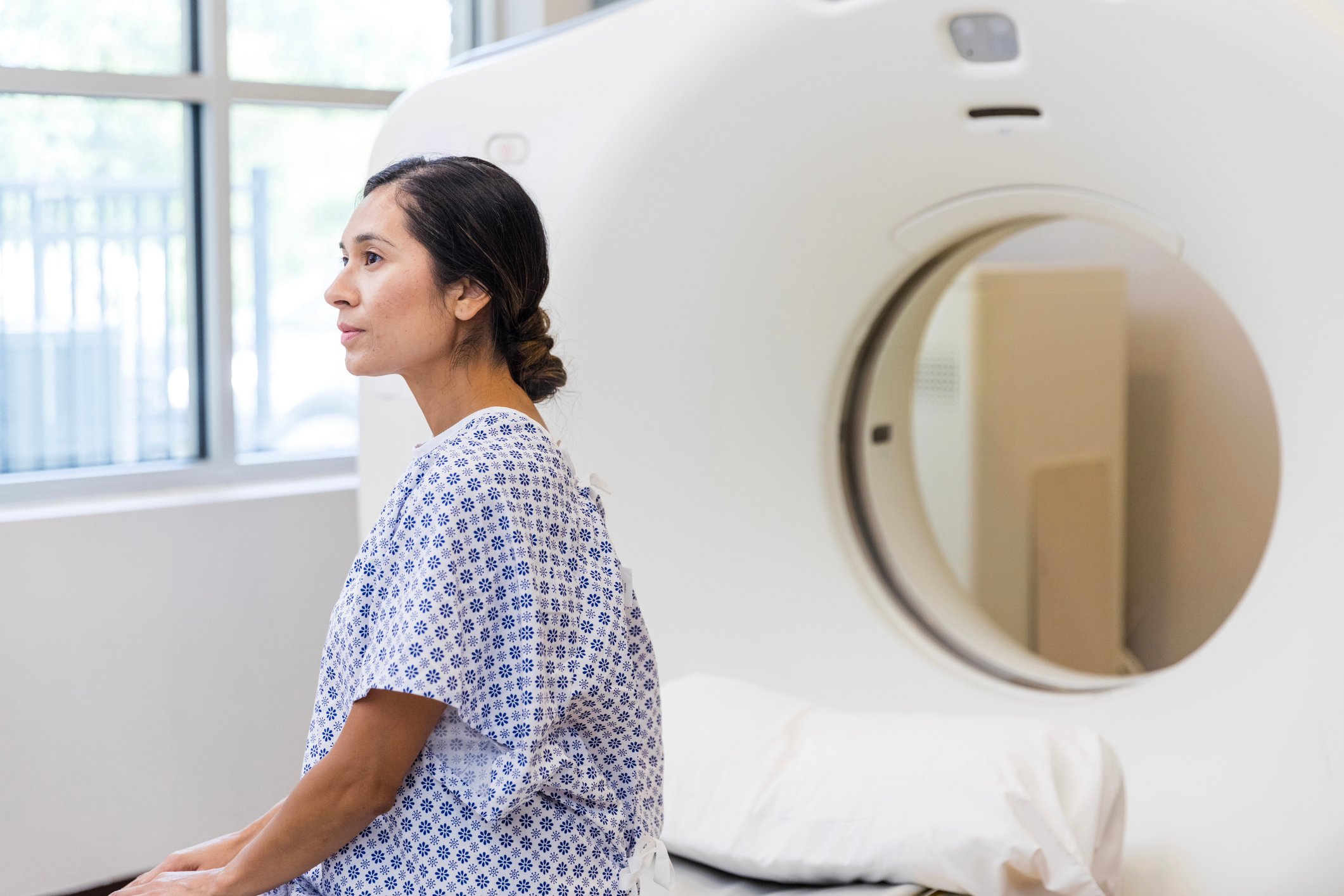
  • Wear comfortable clothes and remove any metal jewelry or clothing. Your provider may give you a hospital gown to wear

During the test, you will lie on your back on a table. If your test requires it, a healthcare provider may inject contrast dye intravenously. This dye can make you feel flushed or give you a metallic taste in your mouth. When the scan begins:

  • The bed will slowly move in the doughnut-shaped scanner. At this point, you will need to stay as still as possible because movement can blur the images
  • You may also be asked to hold your breath for a short period, usually fewer than 15 to 20 seconds
  • The scanner takes pictures of the area your healthcare provider needs to see. Unlike an MRI scan, a CT scan is silent
  • When the exam is over, the table moves back out of the scanner

You can have a CT scan in a hospital or an outpatient facility. CT scans usually take about an hour. However, with newer machines, scans can take only a few minutes. The whole process can take about 30 minutes.

After the exam, you can return to your normal routine. If you were given contrast dye, you may be asked to wait a short time before leaving to ensure that you feel okay after the exam. You might be told to drink lots of fluids to help your kidneys remove the dye from your body.

CT images are stored as electronic data files. They’re most often reviewed on a computer screen. A radiologist looks at the images and creates a report that is kept in your medical records. It usually takes about 24 to 48 hours to get the results of your CT scan. Your healthcare professional talks with you about the results.

To schedule an appointment with the Flushing Hospital Medical Center’s Radiology Department, call 718- 670-5458. To schedule an appointment for a CT scan or for more information about CT scans, please call 718-670-8851.


All content of this newsletter is intended for general information purposes only and is not intended or implied to be a substitute for professional medical advice, diagnosis or treatment. Please consult a medical professional before adopting any of the suggestions on this page. You must never disregard professional medical advice or delay seeking medical treatment based upon any content of this newsletter. PROMPTLY CONSULT YOUR PHYSICIAN OR CALL 911 IF YOU BELIEVE YOU HAVE A MEDICAL EMERGENCY.
How Should You Prepare for an X-Ray?

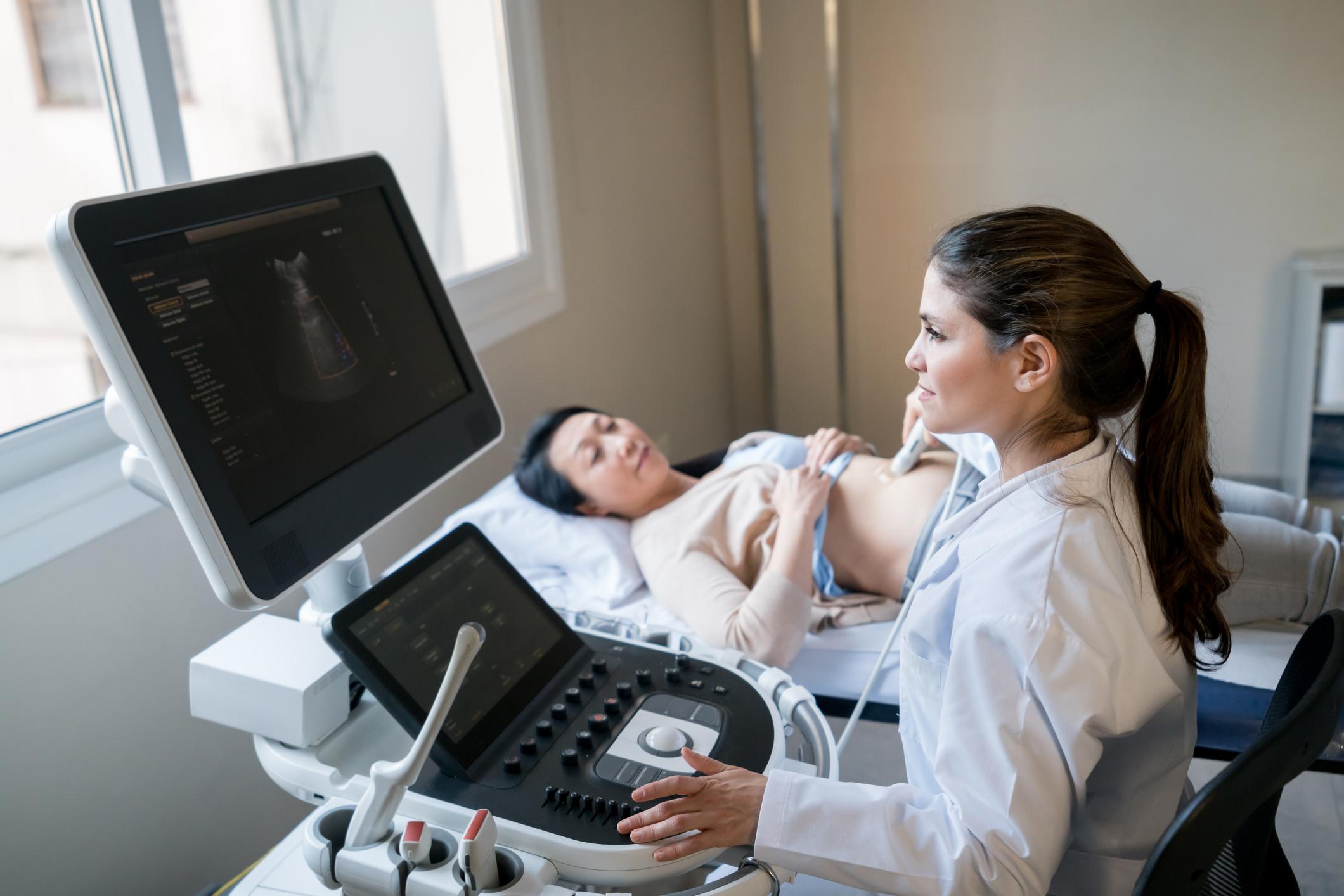
X-rays are typically used to created detailed images of your bones and soft tissues. These images help to diagnose medical problems such as bone fractures, structural issues, or foreign objects in your body, all of which can cause symptoms such as pain, swelling, or impaired physical functionality. An x-ray creates these images using a small amount of ionizing radiation.

The minimal amount of radiation exposure that occurs during an x-ray poses few health risks for people of any age. However, depending on your medical circumstances or the type of x-ray you’re receiving, there may be certain steps you should take to further minimize any potential risks from this test. Before getting an x-ray, you should:

Ask your doctor about specific steps to prepare for your x-ray: Certain types of x-rays may require you to take specific steps before your procedure. If you’re receiving an x-ray for your upper gastrointestinal tract, for example, you should typically avoid eating or drinking for several hours ahead of time. For other types of x-rays, you may need to remove metal objects (such as jewelry) or avoid applying topical substances (such as lotions or creams.)

Wear comfortable clothing: When you receive an x-ray, you’ll usually need to change out of your clothes and into a medical gown, so it may be best to wear comfortable clothing that’s easy to remove and put back on once the procedure is completed.

You can receive an x-ray at Flushing Hospital Medical Center’s Department of Radiology. To get more information or to schedule an appointment, please call (718) 670-5458.

All content of this newsletter is intended for general information purposes only and is not intended or implied to be a substitute for professional medical advice, diagnosis or treatment. Please consult a medical professional before adopting any of the suggestions on this page. You must never disregard professional medical advice or delay seeking medical treatment based upon any content of this newsletter. PROMPTLY CONSULT YOUR PHYSICIAN OR CALL 911 IF YOU BELIEVE YOU HAVE A MEDICAL EMERGENCY.
#TBT — The History of Magnetic Resonance Imaging or MRI

Physicians often send patients for Magnetic Resonance Imaging or MRI’s to help them diagnose certain medical conditions, but do you know what an MRI is?

mri-300x200In 1977 the first human scan was performed in a prototype MRI machine. An MRI is a computerized map of harmless radio signals emitted by the human body. MRI works by creating a strong magnetic field where protons in the nucleus of the hydrogen atoms are magnetized. It is excellent for viewing soft tissue and seeing any defects that may be present.

The rotating magnetic field was discovered by Nikola Tesla in 1882. This eventually led to the definition of the Tesla Unit which describes the strength of a magnetic field. MRI machines, which were developed almost a century later, are calibrated in Tesla Units. The stronger the magnetic field, the stronger the amount of radio signals that are given off by the body’s atoms. The stronger the radio signal will lead to a better quality of the MRI image.

Flushing Hospital Medical Center’s Department of Radiology offers a wide variety of state-of-the-art diagnostic and specialty services performed by Board Certified, Fellowship trained, Radiologists, and highly trained licensed and registered Technologists.To schedule an appointment for a MRI test or for more information about the MRI, please call 718-670-8851.


All content of this newsletter is intended for general information purposes only and is not intended or implied to be a substitute for professional medical advice, diagnosis or treatment. Please consult a medical professional before adopting any of the suggestions on this page. You must never disregard professional medical advice or delay seeking medical treatment based upon any content of this newsletter. PROMPTLY CONSULT YOUR PHYSICIAN OR CALL 911 IF YOU BELIEVE YOU HAVE A MEDICAL EMERGENCY.