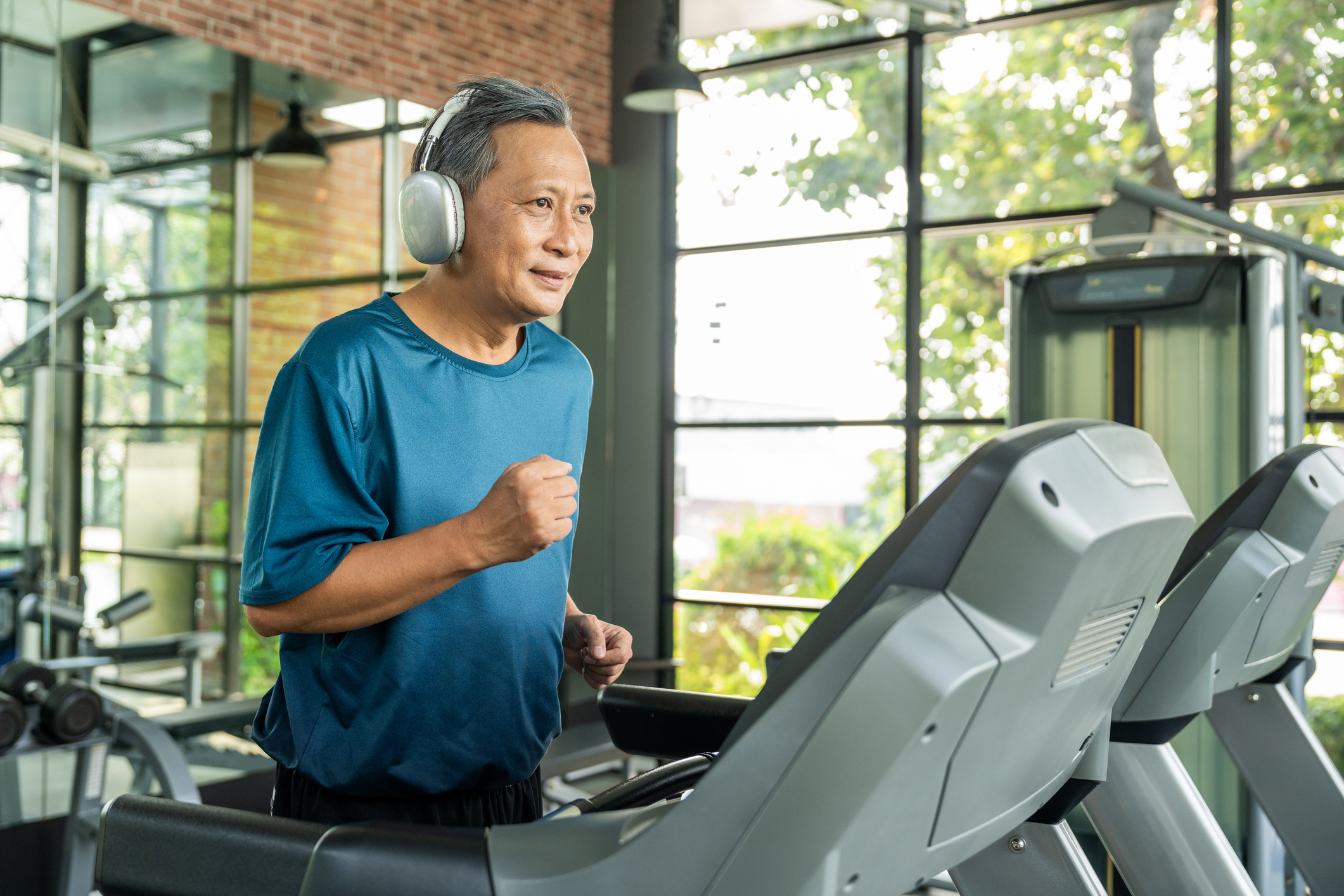
What Is A Stress Test?

A stress or stress exercise test shows how the heart works during physical activity. Exercise makes the heart pump harder and faster. A stress test can determine how well your heart responds when working its hardest.

Your healthcare provider may recommend a stress test if you have symptoms of coronary artery disease, congenital heart disease, congestive heart failure, heart valve disease, hypertrophic cardiomyopathy, or an irregular heart rhythm.

A stress test typically involves walking on a treadmill or pedaling on a stationary bike while hooked up to an EKG to monitor your heart’s activity. Healthcare providers assess your response to the increased workload by measuring:

  • Blood pressure
  • Heart rate
  • Oxygen levels
  • Electrical activity in your heart

A stress test can also be used to learn:

  • How well your heart pumps blood
  • Whether your heart is receiving an adequate supply of blood
  • How you perform during physical activity compared with other people your age and sex
  • If your symptoms (chest discomfort, shortness of breath, feeling like your heart is racing, or dizziness) can be reproduced while performing physical activity

Having a stress test makes it easier to identify and evaluate certain heart issues, such as:

  • Issues with your heart muscle and valves
  • Electric stability of your heart at rest and during exercise

The stress test results help your healthcare provider plan or change your treatment. If the test shows that your heart is working well, you may not need more tests. If the test suggests you might have coronary artery disease, you may need a coronary angiogram, which helps see blockages in the heart arteries.

If the results are satisfactory, but your symptoms worsen, your healthcare provider might recommend more testing.

To schedule an appointment with a Flushing Hospital Medical Center healthcare provider, please call 718-670-5486.

All content of this newsletter is intended for general information purposes only and is not intended or implied to be a substitute for professional medical advice, diagnosis or treatment. Please consult a medical professional before adopting any of the suggestions on this page. You must never disregard professional medical advice or delay seeking medical treatment based upon any content of this newsletter. PROMPTLY CONSULT YOUR PHYSICIAN OR CALL 911 IF YOU BELIEVE YOU HAVE A MEDICAL EMERGENCY.

Healthy Aging Month

September is recognized as healthy aging month. The observation was created to encourage people to focus on their health and take steps to help them face the challenges that come with aging.

As we age, we become aware of changes in our mental and physical health, and changes in our social needs. You can take charge of your well-being by taking steps to age with a healthy mind and body. Flushing Hospital Medical Center would like to offer these tips to help boost your health as you age:

  • Get moving
    • It is important to consult your doctor before exercising. Start slow, know your limitations, and modify activities if needed
    • Aim for at least 150 minutes of moderate-intensity physical activities each week
  • Maintain a healthy diet
  • Eat proper portion sizes
  • Avoid excess processed foods
  • Stay hydrated
  • Stay socially active
    • Stay in touch with friends and family
    • Try doing something new that interests you
  • Balance your body and mind
    • Keep a positive attitude
    • Keep your mind active by reading or doing puzzles
    • Keep your body active with yoga and stretches
  • Be proactive
    • Receive regular checkups, physicals, and medical tests when needed
    • Take vitamins, supplements, and medications as prescribed or needed

Healthy aging month is a time to celebrate life and the positive aspects of growing older. Healthy living is healthy aging. Developing and maintaining healthy aging practices throughout your life contributes to greater resilience and opportunities to thrive as we age. Making small changes in your daily life can help you live longer and better.

If you have questions about any medical issues that may arise as you age, you can schedule an appointment with a doctor at Flushing Hospital’s Ambulatory Care Center by calling (718) 670-5486.

All content of this newsletter is intended for general information purposes only and is not intended or implied to be a substitute for professional medical advice, diagnosis or treatment. Please consult a medical professional before adopting any of the suggestions on this page. You must never disregard professional medical advice or delay seeking medical treatment based upon any content of this newsletter. PROMPTLY CONSULT YOUR PHYSICIAN OR CALL 911 IF YOU BELIEVE YOU HAVE A MEDICAL EMERGENCY.

Anaerobic Exercise

Anaerobic exercise is any short, fast high-intensity exercise that uses stored energy to supply working muscles instead of oxygen.

Some types of anaerobic exercises include:

  • High-intensity interval training (HIIT)
  • Heavy weightlifting
  • Sprinting
  • Plyometrics: jumping, hopping, skipping, jumping squats, and jumping lunges
  • Calisthenics: bodyweight exercises like push-ups, pull-ups, and dips

Anaerobic exercise benefits the cardiovascular system, muscles, and joints. These benefits include:

  • An increase in muscle strength and power.
  • An increase in fat loss and muscle mass.
  • An improvement in bone mineral density.
  • A decrease in joint stiffness.
  • Corrected muscle imbalances and improved posture.
  • An improvement in circulation and heart and lung function.
  • A decrease in high blood pressure.
  • A decrease in inflammation throughout the body.
  • An improvement in mood and energy.
  • A decreased risk of developing conditions like diabetes, heart disease, and stroke.
  • Lowered blood sugar, high cholesterol, and triglycerides.

Anaerobic exercise isn’t easy, it may be helpful to find a certified fitness trainer to help you create a program based on your medical history.

If you want to create a program on your own, here are some basic weightlifting tips to consider:

  • Warm up for at least five minutes.
  • Start with large muscle groups first.
  • Do one to three sets of eight to 15 reps.
  • Complete eight to 10 exercises following the proper technique.

Please note that when beginning or increasing the amount of anaerobic exercise, get cleared to do so by your healthcare provider. Start slowly and gradually increase your physical activity level over time.

If you experience medical problems while exercising, you can schedule an appointment with a doctor at Flushing Hospital Medical Center’s Ambulatory Care Center. To schedule an appointment, please call (718) 670-5486.

All content of this newsletter is intended for general information purposes only and is not intended or implied to be a substitute for professional medical advice, diagnosis or treatment. Please consult a medical professional before adopting any of the suggestions on this page. You must never disregard professional medical advice or delay seeking medical treatment based upon any content of this newsletter. PROMPTLY CONSULT YOUR PHYSICIAN OR CALL 911 IF YOU BELIEVE YOU HAVE A MEDICAL EMERGENCY.

Tips to Prevent Exercise Injuries

A runner holding their leg due to pain from an exercise-related injury.Exercise is generally good for your health; in fact, adults are recommended to get 150 minutes of moderate-intensity physical activity and two days of muscle-strengthening activity each week, according to the Centers for Disease Control and Prevention (CDC). However, it’s also important to keep in mind that there is always a risk of physical injury while exercising. Some of the most common exercise-related injuries include:

  • Injuries to your shoulders, knees, elbows, legs, or ankles
  • Bone fractures
  • Dislocation
  • Sprains
  • Strains
  • Tendinitis
  • Bursitis

Several factors affect your risk of experiencing an injury while exercising. One of these is the exercise itself; certain exercises are more challenging than others and, as a result, may be more likely to cause an injury if you are not able to perform them properly. Another factor is frequency; a moderate amount of exercise is healthy, but working out excessively can put too much stress on your body. You may also be more likely to experience an injury if you have a medical condition or disability that makes an exercise more difficult to perform.

You can off-set these risk factors by taking certain steps to keep yourself safe. When you exercise, you should:

  • Learning the correct form for each exercise you plan to do
  • Warm up before performing an exercise (for example, by performing the exercise at a very light weight)
  • Cool down after performing an exercise (you can repeat your warm-up exercise or do a different, slow-paced activity for this)
  • Using safety equipment (talk to your doctor about what would be most appropriate for the exercises you plan to do)
  • Talking to your doctor about the types of exercises you plan to perform to make sure that they are safe for you
  • Varying your exercises throughout the week, focusing on different muscles each day you work out

It’s also important to recognize when you’re experiencing pain (as opposed to soreness) while working out. Sore muscles are normal, both during and after exercise, and you will need to push yourself to a reasonable extent. However, if you feel pain, stop exercising right away. Additionally, if you feel that you physically cannot finish an exercise, don’t try to force yourself to do so; this can lead to overuse injuries.

If you’ve injured yourself while exercising, you can receive a diagnosis and treatment from a physiatrist at Flushing Hospital Medical Center’s Department of Rehabilitation. To schedule an appointment, please call (718) 670-5515.

All content of this newsletter is intended for general information purposes only and is not intended or implied to be a substitute for professional medical advice, diagnosis or treatment. Please consult a medical professional before adopting any of the suggestions on this page. You must never disregard professional medical advice or delay seeking medical treatment based upon any content of this newsletter. PROMPTLY CONSULT YOUR PHYSICIAN OR CALL 911 IF YOU BELIEVE YOU HAVE A MEDICAL EMERGENCY.

Three Tips for Encouraging Exercise in Kids

Over one-fifth of children throughout the United States experience obesity, putting them at risk for serious chronic conditions such as high blood pressure and cholesterol, joint and breathing problems, and type two diabetes. This is partially due to the fact that less than a quarter of children between the ages of six and 17 engage in at least an hour of physical activity each day.

Regular physical activity is one of the most effective tools for preventing childhood obesity. It also offers additional benefits such as improved cognitive performance and classroom behavior.

There are many recreational options for children to choose from. Unfortunately, non-physical activities such as video games and social media compete for their attention and are more easily accessible than physical activities. Therefore, it’s important that parents make physical activities as equally appealing and engaging as possible. Here are a few effective ways this can be achieved:

  • Focus on fun: Kids are much more likely to stick with something that they find enjoyable. The desire to become more skilled, play with friends, or feel a greater sense of self-confidence may all factor into this enjoyment. If they’d like to explore an activity that they believe may be fun or are already enjoying something they’re starting to participate in, encourage them to keep it up and do what you can to facilitate it.


  • Try different activities with your child: Kids may not have much interest in sports or other activities that have no previous positive connotations in their minds. Trying out a few different activities with them yourself not only provides a reference point, but allows for bonding opportunities with you and all who participate.


  • Make exercise rewarding: Even if you succeed in getting your child interested in a particular activity, they may devote too much time to it at the expense of other obligations such as academics. Emphasize that recreational activity, while important, is a reward for keeping up with prioritized obligations.

If your child is experiencing medical problems preventing them from participating in physical activities, you can schedule an appointment at Flushing Hospital Medical Center’s Pediatric Ambulatory Care Center by calling (718) 670-3007.

All content of this newsletter is intended for general information purposes only and is not intended or implied to be a substitute for professional medical advice, diagnosis or treatment. Please consult a medical professional before adopting any of the suggestions on this page. You must never disregard professional medical advice or delay seeking medical treatment based upon any content of this newsletter. PROMPTLY CONSULT YOUR PHYSICIAN OR CALL 911 IF YOU BELIEVE YOU HAVE A MEDICAL EMERGENCY.

Exercise and Aging

It is never too late to begin a regular fitness routine.  In fact; the United States Department of Health and Human Services’ National Institute on Aging promotes exercise and physical activity as an important factor in healthy aging.

Older adults are encouraged to incorporate the following four main types of exercise into their routine:

  1. Strength Exercise
  2. Endurance Exercise
  3. Balance Exercise
  4. Flexibility Exercise

Each type of exercise offers several benefits when performed on an ongoing basis. These benefits can be achieved by doing a variety of physical activities.

  • Strength Exercise- Helps to build muscle and makes them stronger.  Building stronger muscles can be achieved by participating in activities such as lifting weights or resistance training.
  • Endurance Exercise-Helps to promote a healthy heart rate and improve breathing. This type of exercise focuses on overall fitness as well as keeping the cardiovascular and respiratory systems healthy. Activities such as aerobics, swimming, walking, dancing, or jogging are considered endurance exercises.
  • Balance Exercise-Helps to reduce falls, a problem that is common in older adults. This type of exercise focuses on building lower body strength. Activities such as Tai Chi, walking heel to toe, and standing on one foot are considered balance exercises.
  • Flexibility Exercise- Helps to stretch muscles, promotes freedom of movement, and in some instances improves balance. Examples of flexibility exercises include yoga, Pilates, bending to touch your toes, or stretching your arms across your chest.

Before beginning a fitness routine, it is recommended that you speak with your doctor first.  You can work with your physician to create a routine that is compatible with your lifestyle and health. To receive more information about exercise and aging, please visit the National Institute on Aging website https://www.nia.nih.gov/

All content of this newsletter is intended for general information purposes only and is not intended or implied to be a substitute for professional medical advice, diagnosis or treatment. Please consult a medical professional before adopting any of the suggestions on this page. You must never disregard professional medical advice or delay seeking medical treatment based upon any content of this newsletter. PROMPTLY CONSULT YOUR PHYSICIAN OR CALL 911 IF YOU BELIEVE YOU HAVE A MEDICAL EMERGENCY.

Stress Awareness Month

In 1992, the month of April was designated as Stress Awareness Month.  During this time, health professionals join together to increase the public’s awareness about what causes stress and what can help cure the growing stress epidemic.

Flushing Hospital Medical Center is participating by reaching out to our social media community and sharing some helpful techniques that can assist you in managing your daily stress, such as:

  • Meditation – is helpful to the brain’s neural pathways, making you more resilient to stress
  • Breathing Deeply – triggers our parasympathetic nervous system, neutralizes stress and elicits a calming feeling
  • Exercise – all forms of exercise can ease depression and anxiety by helping the brain releasing feel-good chemicals giving your body a chance to practice dealing with stress
  • Eating Healthy – choosing a diet rich in vegetables, fruits, and fiber may reduce the chance that stress can boost the body’s natural defense system

Prolonged, excessive periods of stress is unhealthy for any individual. A change of mindset can bring about a healthier lifestyle.  That positive change can help you manage stress and bring far-reaching improvement to your health and well being.

For more information and to find out ways you can make a difference visit – http://stressawarenessmonth.com/

All content of this newsletter is intended for general information purposes only and is not intended or implied to be a substitute for professional medical advice, diagnosis or treatment. Please consult a medical professional before adopting any of the suggestions on this page. You must never disregard professional medical advice or delay seeking medical treatment based upon any content of this newsletter. PROMPTLY CONSULT YOUR PHYSICIAN OR CALL 911 IF YOU BELIEVE YOU HAVE A MEDICAL EMERGENCY.

#WorkoutWednesday – Exercises That Work The Entire Body

It is recommended by the U.S. Department of Health that adults get 75 to 150 minutes of exercise each week; however, many do not have the luxury of time to work out frequently and some are confined to the office for eight hours or more each day.   Despite the limitations of a busy schedule, there are ways to fit exercise into your daily routine. Keep in mind that some exercise is better than none and that squeezing in a few minutes each day can be beneficial to your health.

Practical steps you can take in fitting daily exercise are to:

  • Wake up fifteen minutes earlier each day to work out.
  • Take 10 to 15 minutes away from time spent on the internet, connecting on social media or texting.
  • Work out while watching TV- you can simply jog or run in place.
  • Take the stairs at work instead of the elevator.
  • Sit up straight at your desk then contract and release your stomach muscles. This will give you a quick abdominal work out.
  • You can work your legs muscles by squeezing your thighs together or extending each leg in front of you for a few seconds on each side.
  • Go for a walk during your lunch break
  • Have fun. Dance to your favorite songs or play a fitness video game.

Exercise is essential to your health. Although your schedule may be hectic, try to find the time for a few minutes of physical activity into your daily routine.

All content of this newsletter is intended for general information purposes only and is not intended or implied to be a substitute for professional medical advice, diagnosis or treatment. Please consult a medical professional before adopting any of the suggestions on this page. You must never disregard professional medical advice or delay seeking medical treatment based upon any content of this newsletter. PROMPTLY CONSULT YOUR PHYSICIAN OR CALL 911 IF YOU BELIEVE YOU HAVE A MEDICAL EMERGENCY.

Healthy Fall Activities

With temperatures dropping and crisp air abounding; the fall season is a great time to begin a fitness regime.

Some tips for how to start your fall fitness routine are:

Change it up – The fall season is a great season to spend time with family and friends while taking part in physical activities such as walking through apple and pumpkin patches, corn mazes or trails.

Appreciate fall foliage – The fall season brings with it lots of colored leaves.  Local parks usually have trails to walk, run or ride a bike on.

Go to a farmer’s market – Fall brings lots of root vegetables into season.  Take a bike ride and stop at local farmer’s markets to pick up some healthy, tasty fruits and veggies.

Rake the lawn – In the fall season, even chores can be a really good workout. Activities such as raking the leaves can provide great cardio exercise.

As you can see, fall offers several opportunities to stay active and create good habits that will last with you throughout the upcoming holiday season and winter months.

All content of this newsletter is intended for general information purposes only and is not intended or implied to be a substitute for professional medical advice, diagnosis or treatment. Please consult a medical professional before adopting any of the suggestions on this page. You must never disregard professional medical advice or delay seeking medical treatment based upon any content of this newsletter. PROMPTLY CONSULT YOUR PHYSICIAN OR CALL 911 IF YOU BELIEVE YOU HAVE A MEDICAL EMERGENCY.

Is There a Sale on Your Health? Try Walking the Mall for Exercise

We all know that regular physical activity is important to our overall health, especially for seniors.

Did you know walking is a great way for older adults to remain active?

Seniors who commit to taking a brisk walk each day may be at a lower risk of:

  • Heart Disease
  • Stroke
  • Type 2 diabetes
  • Breast and colon cancers
  • Depression
  • Anxiety
  • Insomnia

With the onset of colder months upon us, how can older adults continue their walking routine and remain active?

The Centers for Disease Control and Prevention (CDC) suggests that in the colder months, you can utilize indoor malls for your brisk walk.  Malls can be pedestrian friendly, they are climate-controlled, are well lit, have benches for resting, fountains for hydrating, restrooms, as well as security guards and cameras for safety.

For more information on mall walking programs and for other walking resources visit the CDC’s Mall Walking: A program Resource Guide at –

So get yourself a comfortable pair of walking shoes, hit the mall and improve your health!

All content of this newsletter is intended for general information purposes only and is not intended or implied to be a substitute for professional medical advice, diagnosis or treatment. Please consult a medical professional before adopting any of the suggestions on this page. You must never disregard professional medical advice or delay seeking medical treatment based upon any content of this newsletter. PROMPTLY CONSULT YOUR PHYSICIAN OR CALL 911 IF YOU BELIEVE YOU HAVE A MEDICAL EMERGENCY.