Back to School Sleep Tips

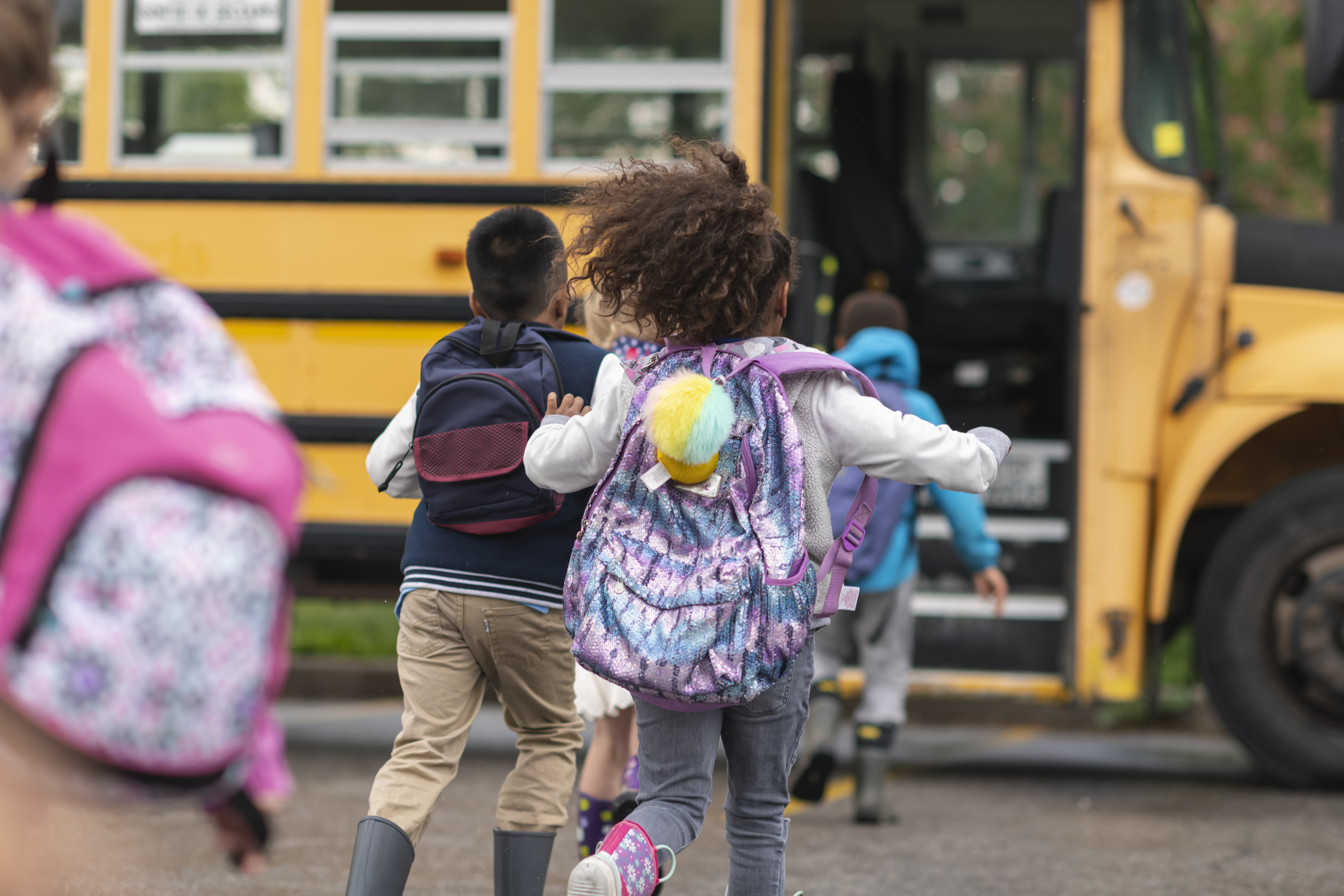
As summer winds down, parents are preparing their children to go back to school. One important thing to achieve is to start getting them back to a sleep routine before the new school year starts.

Getting children back into a healthy sleep pattern is necessary for them to have the right amount of energy and focus while in the classroom.

Children need more sleep than adults do. The National Sleep Foundation and American Academy of Sleep Medicine suggest the following:

  • Preschoolers (ages 3-5) require 10-13 hours of sleep
  • School-age children (ages 6-12) require 9-12 hours of sleep
  • Teenagers (ages 13-18) require 8-10 hours of sleep

A Centers for Disease Control (CDC) study found that most American children and teenagers don’t get enough sleep. Nearly six in 10 middle schoolers and at least seven in 10 high schoolers don’t get enough sleep on school nights. Of the high school students that were surveyed, almost two-thirds of them sleep less than eight hours a night.

The best way for parents to get their children back on a sleep schedule is to do it one day at a time. The process of adjusting a sleep schedule should be incremental. In the weeks leading up to going back to school, have your child wake up 15 minutes earlier and go to sleep 15 minutes earlier than they did during summer break. Continue to adjust their bed and wake times in 15-minute increments every few days until your child is sleeping and waking up at the desired times for school. By the first day back to school, they should be adjusted to the new sleep schedule.

Winding down at the end of the day can help children sleep well and prepare them for the next school day. A good bedtime routine includes relaxing activities, such as:

  • Taking a warm bath or shower
  • Brushing teeth and washing up
  • Cuddling with a parent
  • Singing lullabies
  • Reading with a parent or individually
  • Journaling
  • Meditating

Children look to their parents for guidance on healthy habits. Getting adequate sleep is an important healthy habit, as it helps prevent fatigue, exhaustion, and daytime drowsiness.


All content of this newsletter is intended for general information purposes only and is not intended or implied to be a substitute for professional medical advice, diagnosis or treatment. Please consult a medical professional before adopting any of the suggestions on this page. You must never disregard professional medical advice or delay seeking medical treatment based upon any content of this newsletter. PROMPTLY CONSULT YOUR PHYSICIAN OR CALL 911 IF YOU BELIEVE YOU HAVE A MEDICAL EMERGENCY.
Back to School Anxiety

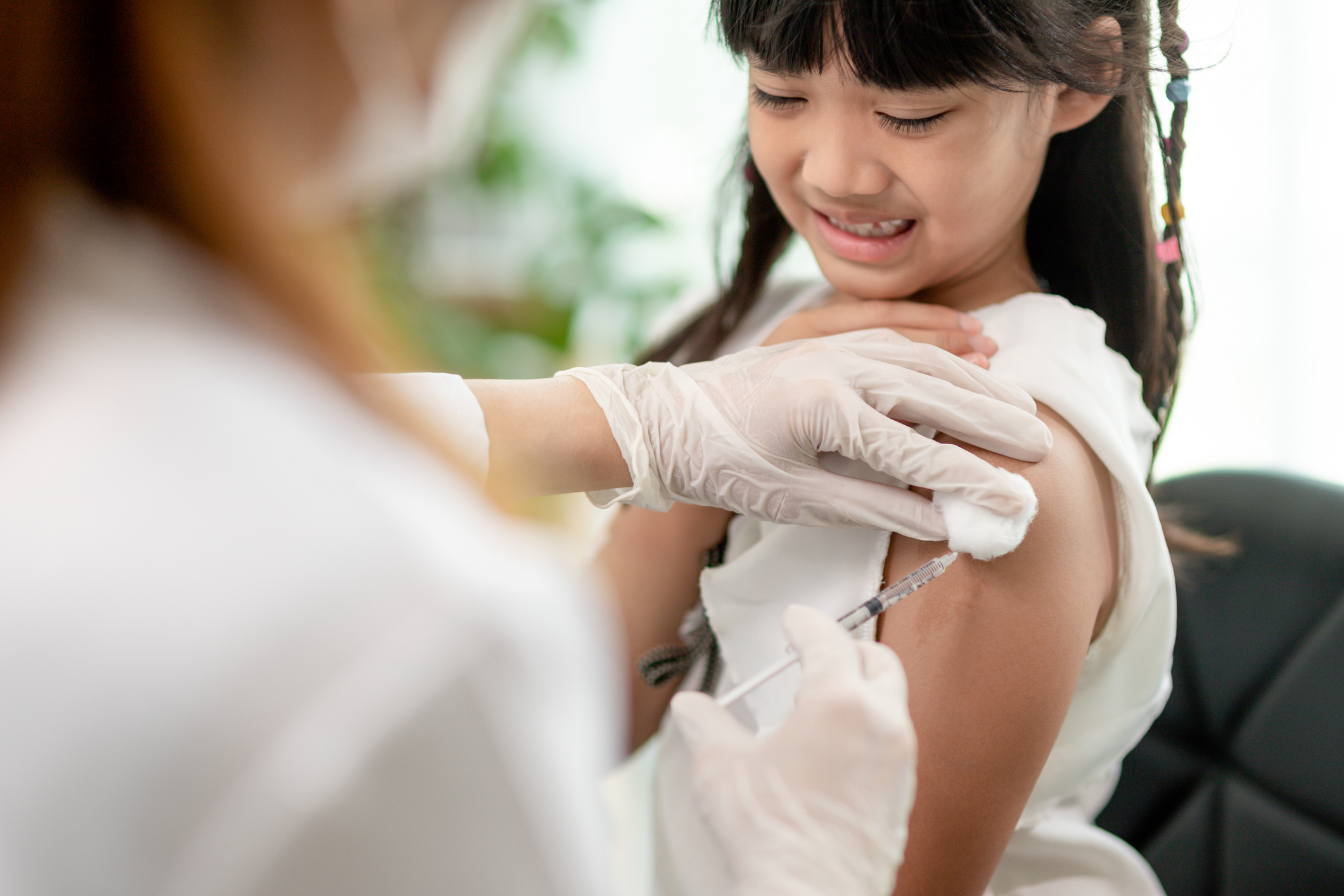
August is coming to an end, and a new school year is fast approaching. And with it comes lots of anxiety for children.

Starting a new school or being away from parents can cause much anxiety in children. That anxiety fades for most children as the year progresses. But for others, it doesn’t. Here are some examples of behaviors that may indicate your child is continuing to struggle with anxiety:

  • Continually seeking reassurance or asking repeated, worried questions despite receiving an answer
  • Tantrums when separating from parents or caregivers before going to school
  • Increased complaints of experiencing headaches, stomachaches, and fatigue in the absence of an illness
  • A significant change in their sleep pattern, such as taking an hour to fall asleep, or waking up with worries during the night when they might typically sleep well
  • Difficulty getting along with family members or friends
  • Avoidance of normal activities in and outside of school

There could be many reasons why a child may have anxiety about going back to school. Some reasons can include:

  • A child with obsessive-compulsive disorder (OCD) may avoid going to school because it is hard for them to manage their anxiety there
  • A child who has been bullied may be afraid to go to school because their bully or bullies are there
  • A child with separation anxiety may be fearful that something terrible will happen to their parents if they are apart
  • A child with an undiagnosed learning disorder may be avoiding shame and embarrassment

Here are some tips to help ease back-to-school anxiety:

  • Approach anxiety instead of avoiding it
  • Practice school routines
  • Model behavior you’d like to see
  • Ensure they are getting enough sleep
  • Check in with stress levels
  • Talk to school mental health professionals
  • Blend back to school with fun activities, so the transition is less sudden
  • Arrange for a hand-off with someone the child knows and trusts
  • Listen to their worries

To learn more about our outpatient mental health services or to schedule a virtual appointment, please call (718) 670-5316 to speak with our intake coordinator or (718) 670-5562 to reach the clinic.

All content of this newsletter is intended for general information purposes only and is not intended or implied to be a substitute for professional medical advice, diagnosis or treatment. Please consult a medical professional before adopting any of the suggestions on this page. You must never disregard professional medical advice or delay seeking medical treatment based upon any content of this newsletter. PROMPTLY CONSULT YOUR PHYSICIAN OR CALL 911 IF YOU BELIEVE YOU HAVE A MEDICAL EMERGENCY.

Back to School Anxiety

A new school year is fast approaching. And with it comes lots of excitement, but it can also cause anxiety for children.

Starting a new school or being away from parents can cause much anxiety in children. That anxiety fades for most children as the year progresses. But for others, it doesn’t. Here are some examples of behaviors that may indicate your child is continuing to struggle with anxiety:

Continually seeking reassurance or asking repeated, worried questions despite receiving an answer

  • Tantrums when separating from parents or caregivers before going to school
  • Increased complaints of experiencing headaches, stomachaches, and fatigue in the absence of an illness
  • A significant change in their sleep pattern, such as taking an hour to fall asleep, or waking you up with worries during the night when they might typically sleep well
  • Difficulty getting along with family members or friends
  • Avoidance of normal activities in and outside of school

Here are some tips to help ease back-to-school anxiety:

  • Approach anxiety instead of avoiding it
  • Practice school routines
  • Model behavior you’d like to see
  • Ensure they are getting enough sleep
  • Check-in with stress levels
  • Talk to school mental health professionals
  • Blend back to school with fun activities so the transition is less sudden

To learn more about our outpatient mental health services or to schedule a virtual appointment, please call (718) 670-5316 to speak with our intake coordinator or (718) 670-5562 to reach the clinic.

All content of this newsletter is intended for general information purposes only and is not intended or implied to be a substitute for professional medical advice, diagnosis or treatment. Please consult a medical professional before adopting any of the suggestions on this page. You must never disregard professional medical advice or delay seeking medical treatment based upon any content of this newsletter. PROMPTLY CONSULT YOUR PHYSICIAN OR CALL 911 IF YOU BELIEVE YOU HAVE A MEDICAL EMERGENCY.
Children’s Eye Health and Safety Month

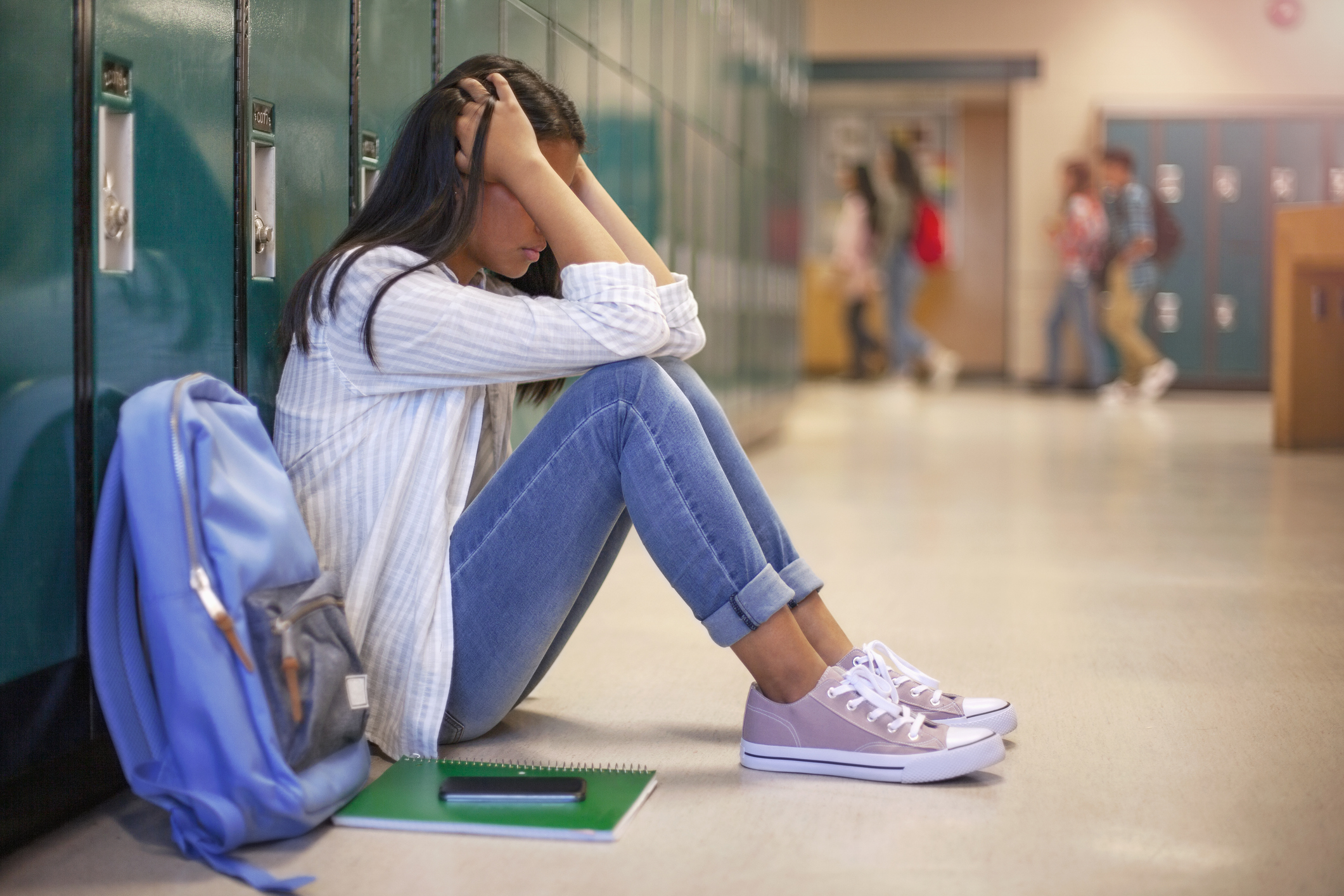
August is Children’s Eye Health and Safety Month. With children going back to school, it is important to get their eyes checked.

Vision is a vital part of a child’s development. It is how they learn, play, and interact with the world around them.

Unfortunately, many eye problems in children go undetected, which can lead to long-term issues. Regular eye exams are critical in identifying problems early which ensures your child has the best chance for healthy vision. Good vision is essential for their performance in school, in sports, and their overall well-being.

Children are vulnerable to many eye problems, including:

  • Injuries
  • Infections
  • Nearsightedness

There are many things to be aware of that may indicate a problem with your child’s eyes. They include:

  • Their eyes do not line up or appear crossed
  • Their eyelids are red-rimmed, crusted, or swollen
  • Their eyes are watery or inflamed
  • They rub their eyes a lot
  • They close or cover one eye
  • They tilt their head forward
  • They have trouble reading or doing other close-up work
  • They hold objects close to their eyes to see
  • They blink more than usual or seem cranky when doing close-up work
  • Things are blurry or hard to see for them

There are many ways to protect your child’s eye health, including:

  • Getting regular eye exams
  • Wearing protective eyewear during sports and other activities
  • Limiting screen time
  • Practicing healthy nutrition

If you would like to schedule an eye exam for your child, you can visit an ophthalmologist at Flushing Hospital Medical Center. To schedule an appointment, please call (718) 670-5486.

All content of this newsletter is intended for general information purposes only and is not intended or implied to be a substitute for professional medical advice, diagnosis or treatment. Please consult a medical professional before adopting any of the suggestions on this page. You must never disregard professional medical advice or delay seeking medical treatment based upon any content of this newsletter. PROMPTLY CONSULT YOUR PHYSICIAN OR CALL 911 IF YOU BELIEVE YOU HAVE A MEDICAL EMERGENCY.

Backpack Awareness Dayy

Backpacks are essential back-to- school items for kids.  They come in different colors, sizes and shapes and most importantly they help children to carry their belongings.  Backpacks are preferred by many in comparison to shoulder bags because when worn correctly, they evenly distribute weight across the body.  However, if worn incorrectly they can cause back pain or injuries and eventually lead to poor posture.

To prevent problems associated with improper backpack use, parents should first purchase a backpack that has the following features:

  • Lightweight
  • Wide and padded straps
  • Multiple compartments
  • Padded back
  • Waist belt
  • Correct size (A backpack should never be wider or longer than your child’s torso).

Practicing these safety tips will further reduce the chance of back pain or injuries caused by backpacks:

  • When packing, heavier items should be placed to the back and center of the backpack. Lighter items should be in front. Sharp objects such as scissors or pencils should be kept away from your child’s back.  Utilizing different compartments can help in distributing weight.
  • Do not over pack. Doctors recommend that children should not carry backpacks that weigh more than 10-15% of their body weight.
  • Ensure that children use both straps. Using a single strap can cause muscle strain.
  • Adjust the straps so that the backpack fits closely to your child’s back and sits two inches above the waist. This ensures comfort and proper weight distribution.
  • Encourage children to use their lockers or desks throughout the day to drop off heavy books.

The Pediatric Orthopedic Society of North America recommends that parents should always look for warning signs that indicate backpacks may be too heavy. If your child struggles to put on and take off the backpack, they are complaining of numbness or tingling or if there are red strap marks on their shoulders -It may be time for you to lighten their load.

All content of this newsletter is intended for general information purposes only and is not intended or implied to be a substitute for professional medical advice, diagnosis or treatment. Please consult a medical professional before adopting any of the suggestions on this page. You must never disregard professional medical advice or delay seeking medical treatment based upon any content of this newsletter. PROMPTLY CONSULT YOUR PHYSICIAN OR CALL 911 IF YOU BELIEVE YOU HAVE A MEDICAL EMERGENCY.

Remote Learning Tips

With the lazy days of summer coming to an end, it’s time to start the frenzy called “Back to School!”

Each year parents, guardians and students visit their local stores frantically purchasing supplies, clothing and all things school related.  However, the 2020-2021 school terms will be like no other.

For this school year, different models for learning are being offered. One of the models offered is Full Remote Learning.

If you have chosen this model for your student, Flushing Hospital Medical Center would like to share some helpful tips on how to help your student succeed:

  1. Utilize the internet for live video lessons and record lessons. It will be helpful for your student to be able to review the video to reinforce the lesson.
  2. Be sure your student has the tools they need to succeed. Both electronically and physically (such as, computer, scientific calculator, folders, paper, pads, pens, pencils, etc.)
  3. Provide a supportive, quiet and private space for learning where there are little to know distractions.
  4. Remain consistent in your methods and keep to a schedule, otherwise things could become disorganized.
  5. Be supportive of your student. Let them know you are there to help them navigate the unknown.
  6. Stay in touch with your students educators. Keep the lines of communication open between yourself and the educators so that you can be made aware of any assignments that may or may not have been submitted.
  7. Be supportive of your student. Remember, this is new territory for your student.  Try to remain understanding, patient and offer to help as much as you are able to.
  8. Create a cohort of support. Encourage your student to speak regularly with other students from their class, virtually or on the phone, to discuss, collaborate and communicate in real time. They will need to know that their problems are shared and can help each other by exchanging ideas.

Keep in mind that no matter what method or tip you follow, adapting to remote learning is going to be challenging.  We hope these tips will help reduce some of the stress and confusion

All content of this newsletter is intended for general information purposes only and is not intended or implied to be a substitute for professional medical advice, diagnosis or treatment. Please consult a medical professional before adopting any of the suggestions on this page. You must never disregard professional medical advice or delay seeking medical treatment based upon any content of this newsletter. PROMPTLY CONSULT YOUR PHYSICIAN OR CALL 911 IF YOU BELIEVE YOU HAVE A MEDICAL EMERGENCY.

National School Backpack Awareness Day

Backpacks are essential back-to- school items for kids.  They come in different colors, sizes and shapes and most importantly they help children to carry their belongings.  Backpacks are preferred by many in comparison to shoulder bags because when worn correctly, they evenly distribute weight across the body.  However, if worn incorrectly they can cause back pain or injuries and eventually lead to poor posture.

To prevent problems associated with improper backpack use, parents should first purchase a backpack that has the following features:

  • Lightweight
  • Wide and padded straps
  • Multiple compartments
  • Padded back
  • Waist belt
  • Correct size (A backpack should never be wider or longer than your child’s torso).

Practicing these safety tips will further reduce the chance of back pain or injuries caused by backpacks:

  • When packing, heavier items should be placed to the back and center of the backpack. Lighter items should be in front. Sharp objects such as scissors or pencils should be kept away from your child’s back.  Utilizing different compartments can help in distributing weight.
  • Do not over pack. Doctors recommend that children should not carry backpacks that weigh more than 10-15% of their body weight.
  • Ensure that children use both straps. Using a single strap can cause muscle strain.
  • Adjust the straps so that the backpack fits closely to your child’s back and sits two inches above the waist. This ensures comfort and proper weight distribution.
  • Encourage children to use their lockers or desks throughout the day to drop off heavy books.

The Pediatric Orthopedic Society of North America recommends that parents should always look for warning signs that indicate backpacks may be too heavy. If your child struggles to put on and take off the backpack, they are complaining of numbness or tingling or if there are red strap marks on their shoulders -It may be time for you to lighten their load.

All content of this newsletter is intended for general information purposes only and is not intended or implied to be a substitute for professional medical advice, diagnosis or treatment. Please consult a medical professional before adopting any of the suggestions on this page. You must never disregard professional medical advice or delay seeking medical treatment based upon any content of this newsletter. PROMPTLY CONSULT YOUR PHYSICIAN OR CALL 911 IF YOU BELIEVE YOU HAVE A MEDICAL EMERGENCY.

BACKPACK = BACKPAIN

With school in full swing, you may have noticed that your children are carrying, in some cases, more than their body weight in books and supplies affiliated with their school work.  Below is a link with some tips on how to save your childs back from their heavy backpack-

All content of this newsletter is intended for general information purposes only and is not intended or implied to be a substitute for professional medical advice, diagnosis or treatment. Please consult a medical professional before adopting any of the suggestions on this page. You must never disregard professional medical advice or delay seeking medical treatment based upon any content of this newsletter. PROMPTLY CONSULT YOUR PHYSICIAN OR CALL 911 IF YOU BELIEVE YOU HAVE A MEDICAL EMERGENCY.

Backpack Comfort and Safety Tips for Parents

Backpacks are essential back-to-school items for kids. Available in all different colors, sizes and shapes, they are the preferred way for most children to carry their belongings.

Backpacks are preferred by many in comparison to shoulder bags because when worn correctly, they evenly distribute weight across the body.  However, if worn incorrectly they can cause back pain or injuries and eventually lead to poor posture.

To prevent problems associated with improper backpack use, parents should first purchase a backpack that is lightweight and has the following features:

  • Wide and padded straps
  • Multiple compartments
  • Padded back
  • Waist belt

A backpack should also be the correct size for your child, it should never be wider or longer than your child’s torso. Practicing these safety tips will further reduce the chance of back pain or injuries caused by backpacks:

  • When packing, heavier items should be placed to the back and center of the backpack. Lighter items should be in front. Sharp objects such as scissors or pencils should be kept away from your child’s back.  Utilizing different compartments can help in distributing weight.
  • Do not over pack. Doctors recommend that children should not carry backpacks that weigh more than 10-15% of their body weight.
  • Ensure that children use both straps. Using a single strap can cause muscle strain.
  • Adjust the straps so that the backpack fits closely to your child’s back and sits two inches above the waist. This ensures comfort and proper weight distribution.
  • Encourage children to use their lockers or desks throughout the day to drop off heavy books.

The Pediatric Orthopedic Society of North America recommends that parents should always look for warning signs that indicate backpacks may be too heavy. If your child struggles to put on and take off the backpack, they are complaining of numbness or tingling or if there are red strap marks on their shoulders -It may be time for you to lighten their load.

Back-safety-513203503-247x300

All content of this newsletter is intended for general information purposes only and is not intended or implied to be a substitute for professional medical advice, diagnosis or treatment. Please consult a medical professional before adopting any of the suggestions on this page. You must never disregard professional medical advice or delay seeking medical treatment based upon any content of this newsletter. PROMPTLY CONSULT YOUR PHYSICIAN OR CALL 911 IF YOU BELIEVE YOU HAVE A MEDICAL EMERGENCY.

Tips for College Health and Safety

Starting freshman year of college is one of the most exciting times in a young person’s life. In addition to an increased study schedule, new environments, routines and friends can be very overwhelming.

ThinkstockPhotos-481482970

Here are a few tips from the Center for Disease Control (CDC) to help keep your kids on the right track their freshman year:

. Maintain a Healthy Lifestyle – Follow a healthy eating and exercise plan. Limiting soda and caffeine intake, as well as increasing exercise like walking across campus instead of driving, taking the stairs instead of the elevator, and working out with a friend will help combat the dreaded “Freshman Fifteen.”  Many colleges also offer a wide variety of sports and classes from crewing to modern dance.

. Manage Stress — Getting enough sleep, avoiding drugs and alcohol, making friends and taking personal time are all important ways to avoid stress.  If your child is feeling depressed or experiencing distress, encourage them to seek help from a medical professional. Suicide is the 3rd leading cause of death among persons aged 15 to 24 years. If you or someone you know is thinking about suicide contact the National Suicide Prevention Lifeline at 1-800-273-8255.

. Safety First — Sexually transmitted infections are preventable.  Half of all new sexually transmitted diseases (STDs) occur among young people under the age of 25. College students who are sexually active should get tested for STDs and HIV to know their status and to protect themselves and their sexual partners.

. Be Aware — One in five women have been sexually assaulted while in college. Students should know their rights, and seek help immediately if they or someone they know is the victim of violence.

. Drink Responsibly – Binge drinking accounts for 90% of the alcohol consumed by youth. Binge drinking is defined as having four or more drinks for women or five or more drinks for men over a short period of time. Binge drinking increases the chances for risky sexual behavior, unintended pregnancy, HIV and other sexually transmitted diseases, motor vehicle accidents, violence, and alcohol poisoning.

. Just Say No — Substance abuse and smoking are problems among young people. In 2013, around 21% of those aged 18 to 25 years reported use of illicit drugs in the past month. Among cigarette smokers, 99% first tried smoking by the age of 26. Call 1-800-662-HELP to get help for substance abuse problems.

An open line of communication is the best way to keep your child happy, healthy and thriving while in school. Let them know you support them no matter what!

All content of this newsletter is intended for general information purposes only and is not intended or implied to be a substitute for professional medical advice, diagnosis or treatment. Please consult a medical professional before adopting any of the suggestions on this page. You must never disregard professional medical advice or delay seeking medical treatment based upon any content of this newsletter. PROMPTLY CONSULT YOUR PHYSICIAN OR CALL 911 IF YOU BELIEVE YOU HAVE A MEDICAL EMERGENCY.