Effective Exercises You Can Do At Work

Fitting a long workout into your already packed work schedule can be difficult. If you’re struggling to find time to stay active, you may want to try doing short workouts throughout the day instead. Even spending five to 10 minutes exercising at your desk can stimulate midday blood flow and help push through your mid-afternoon slump. Here are some effective exercises you can do at work:

  • Desk pushups
  • Chair dips
  • Oblique twists
  • Calf raises
  • Seated back extensions
  • Triceps stretches
  • Overhead reaches
  • Shoulder shrugs
  • Neck stretches
  • Squats
  • Desk planks
  • Static lunges
  • Side lunges
  • Wall sits
  • Jumping jacks
  • Marching
  • Seated bicycles
  • Leg lifts
  • Seated leg extensions
  • Seated knee-to-chest
  • Seated flutter kicks

All of these exercises are productive. The goal is to move to a new position throughout the day to avoid repetitive stretch injuries. According to The Harvard School of Public Health, even short periods of physical activity can improve your mood. You may experience other benefits including:

  • Relief of body discomfort
  • Increased attention and productivity

It is recommended that you consult your doctor before starting a new exercise routine, you can schedule an appointment with a doctor at Flushing Hospital’s Ambulatory Care Center by calling (718) 670-5486.

All content of this newsletter is intended for general information purposes only and is not intended or implied to be a substitute for professional medical advice, diagnosis or treatment. Please consult a medical professional before adopting any of the suggestions on this page. You must never disregard professional medical advice or delay seeking medical treatment based upon any content of this newsletter. PROMPTLY CONSULT YOUR PHYSICIAN OR CALL 911 IF YOU BELIEVE YOU HAVE A MEDICAL EMERGENCY.

Hashimoto’s Disease

Hashimoto’s disease is a chronic autoimmune disorder that affects the thyroid gland. The immune system attacks the thyroid resulting in hypothyroidism.

Anyone can develop Hashimoto’s disease, but it is most common in middle-aged women.

Hashimoto’s disease progresses slowly over the years and you may not notice any signs or symptoms. The decline in thyroid hormone production can result in the following symptoms:

  • Fatigue and sluggishness
  • Increased sensitivity to cold
  • Increased sleepiness
  • Dry skin
  • Constipation
  • Muscle weakness
  • Muscle aches, tenderness, and stiffness
  • Joint pain and stiffness
  • Irregular or excessive menstrual bleeding
  • Depression
  • Problems with memory or concentration
  • Swelling of the thyroid
  • Puffy eyes and face
  • Brittle nails
  • Hair loss, dry, brittle hair, and slow hair growth
  • Enlargement of the tongue

The causes of Hashimoto’s disease are unclear, but the onset of the disease may be related to:

  • Genetic factors
  • Environmental triggers, such as infection, stress, or radiation exposure
  • Interactions between environmental and genetic factors

Many factors are associated with an increased risk of Hashimoto’s disease, including:

  • Sex
  • Age
  • Other autoimmune diseases
  • Genetics and family history
  • Pregnancy
  • Excessive iodine intake

Several conditions may lead to the signs and symptoms of Hashimoto’s disease. If you are experiencing any of these symptoms, your healthcare provider will conduct a thorough physical exam, review your medical history, and ask questions about your symptoms. After this assessment, they will order blood tests to confirm the diagnosis, including:

  • Thyroid-stimulating hormone test
  • Free T4 test
  • Anti-thyroid antibody test

In some cases, your healthcare provider may recommend a thyroid ultrasound to check the size of your thyroid and ensure no nodules are present.

Most people with Hashimoto’s disease take medication to treat hypothyroidism. If you have mild hypothyroidism, you may not receive treatment but will get regular TSH tests to monitor thyroid hormone levels.

If you’re experiencing symptoms of any thyroid disease, you can receive treatment from an endocrinologist at Flushing Hospital Medical Center’s Ambulatory Care Center. To schedule an appointment, please call (718) 670-5486.

All content of this newsletter is intended for general information purposes only and is not intended or implied to be a substitute for professional medical advice, diagnosis or treatment. Please consult a medical professional before adopting any of the suggestions on this page. You must never disregard professional medical advice or delay seeking medical treatment based upon any content of this newsletter. PROMPTLY CONSULT YOUR PHYSICIAN OR CALL 911 IF YOU BELIEVE YOU HAVE A MEDICAL EMERGENCY.

What Is A Stress Test?

A stress or stress exercise test shows how the heart works during physical activity. Exercise makes the heart pump harder and faster. A stress test can determine how well your heart responds when working its hardest.

Your healthcare provider may recommend a stress test if you have symptoms of coronary artery disease, congenital heart disease, congestive heart failure, heart valve disease, hypertrophic cardiomyopathy, or an irregular heart rhythm.

A stress test typically involves walking on a treadmill or pedaling on a stationary bike while hooked up to an EKG to monitor your heart’s activity. Healthcare providers assess your response to the increased workload by measuring:

  • Blood pressure
  • Heart rate
  • Oxygen levels
  • Electrical activity in your heart

A stress test can also be used to learn:

  • How well your heart pumps blood
  • Whether your heart is receiving an adequate supply of blood
  • How you perform during physical activity compared with other people your age and sex
  • If your symptoms (chest discomfort, shortness of breath, feeling like your heart is racing, or dizziness) can be reproduced while performing physical activity

Having a stress test makes it easier to identify and evaluate certain heart issues, such as:

  • Issues with your heart muscle and valves
  • Electric stability of your heart at rest and during exercise

The stress test results help your healthcare provider plan or change your treatment. If the test shows that your heart is working well, you may not need more tests. If the test suggests you might have coronary artery disease, you may need a coronary angiogram, which helps see blockages in the heart arteries.

If the results are satisfactory, but your symptoms worsen, your healthcare provider might recommend more testing.

To schedule an appointment with a Flushing Hospital Medical Center healthcare provider, please call 718-670-5486.

All content of this newsletter is intended for general information purposes only and is not intended or implied to be a substitute for professional medical advice, diagnosis or treatment. Please consult a medical professional before adopting any of the suggestions on this page. You must never disregard professional medical advice or delay seeking medical treatment based upon any content of this newsletter. PROMPTLY CONSULT YOUR PHYSICIAN OR CALL 911 IF YOU BELIEVE YOU HAVE A MEDICAL EMERGENCY.

The MIND Diet

The “MIND” diet or Mediterranean-DASH Diet Intervention for Neurodegenerative Delay diet combines the Mediterranean and the DASH diets to create a dietary pattern focusing specifically on brain health. It targets the health of the aging brain. The MIND diet aims at reducing dementia, which is the sixth leading cause of death in the United States, by targeting the health of the aging brain and helping to prevent cognitive decline.

Many experts regard the Mediterranean and DASH diets as the healthiest. Research has shown they can lower blood pressure and reduce the risk of heart disease and other diseases.

The Mediterranean and DASH diets recommend eating a lot of fruit as they have been linked with improved brain function, particularly berries.

Here are 10 other foods you are encouraged to eat on the MIND diet:

  • Green, leafy vegetables- aim to eat six or more servings per week. This includes kale, spinach, cooked greens, and salads.
  • All other vegetables- eat another non-starchy vegetable in addition to green leafy vegetables at least once per day because they provide a lot of nutrients for a low number of calories.
  • Nuts- try to eat five or more servings of nuts each week.
  • Olive oil- use olive oil as your main cooking oil.
  • Whole grains- aim for at least three daily servings of oatmeal, quinoa, brown rice, whole wheat pasta, or 100% whole wheat bread.
  • Fish- eat fatty fish such as salmon, sardines, trout, tuna, or mackerel because they are high in omega-3 fatty acids at least once weekly.
  • Beans- include beans, lentils, and soybeans in at least four weekly meals.
  • Poultry- try to eat chicken or turkey at least twice weekly.
  • Wine- aim for no more than one glass daily. Both read and white wine may benefit your brain

The MIND diet recommends limiting the following five foods:

  • Butter and margarine
  • Cheese
  • Red meat
  • Fried food
  • Pastries and sweets

Researchers encourage limiting your consumption of these foods because they contain saturated and trans fats. Studies have found that trans fats are associated with various diseases, including heart disease and Alzheimer’s.

If you are looking for a diet that focuses on maintaining brain health as you age, the MIND diet is one to consider, however, it is important to note that you should first speak with your doctor about making any changes to your diet. To consult a physician about whether the MIND diet is best for you, you can visit Flushing Hospital Medical Center’s Ambulatory Care Center. To schedule an appointment, please call (718) 670-5486.


All content of this newsletter is intended for general information purposes only and is not intended or implied to be a substitute for professional medical advice, diagnosis or treatment. Please consult a medical professional before adopting any of the suggestions on this page. You must never disregard professional medical advice or delay seeking medical treatment based upon any content of this newsletter. PROMPTLY CONSULT YOUR PHYSICIAN OR CALL 911 IF YOU BELIEVE YOU HAVE A MEDICAL EMERGENCY.

Pancreatitis

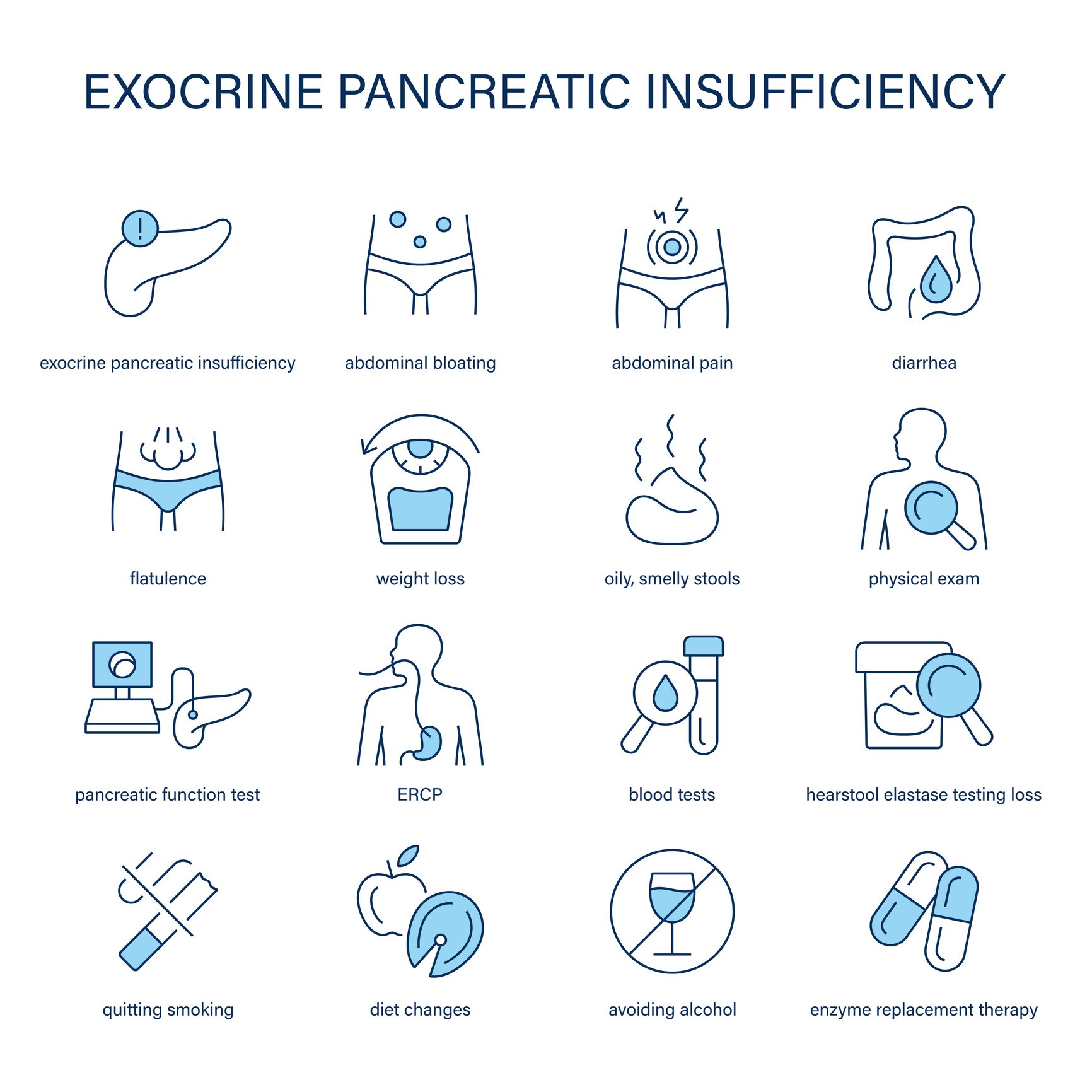
Pancreatitis is the inflammation or swelling of the pancreas. This may happen when digestive juices or enzymes attack the pancreas. The pancreas is a gland on the left side of your belly that lies behind your stomach. The pancreas’ two main functions are:

  • To make enzymes to send to your small intestines. These enzymes help break down food.
  • To make hormones insulin and glucagon, sending them into your bloodstream. These hormones control your body’s blood sugar level.

Pancreatitis can be either acute or chronic. Signs and symptoms of acute pancreatitis include:

  • Pain in the upper belly
  • Pain in the upper belly that radiates to the back
  • Tenderness when touching the belly
  • Fever
  • Rapid pulse
  • Upset stomach
  • Vomiting

Signs and symptoms of chronic pancreatitis include:

  • Pain in the upper belly
  • Belly pain that feels worse after eating
  • Losing weight without trying
  • Oily, smelly stools

Several conditions can lead to acute pancreatitis, including:

  • Blockage in the bile duct caused by gallstones
  • Heavy alcohol use
  • Certain medicines
  • High triglyceride levels in the blood
  • High calcium levels in the blood
  • Pancreatic cancer
  • Injuries from trauma or surgery

Conditions that can lead to chronic pancreatitis include:

  • Damage from repeated acute pancreatitis
  • Heavy alcohol use
  • Inherited genes linked to pancreatitis
  • High triglyceride levels in the blood
  • High calcium levels in the blood

Sometimes a cause for pancreatitis is never found. This is called idiopathic pancreatitis.

Many factors can increase your risk of pancreatitis, including:

  • Excessive alcohol use
  • Cigarette smoking
  • Obesity
  • Diabetes
  • Family history of pancreatitis

Pancreatitis can cause several serious complications that include:

  • Kidney failure
  • Breathing problems
  • Infection
  • Pseudocyst
  • Malnutrition
  • Diabetes
  • Pancreatic cancer

When diagnosing pancreatitis, your healthcare provider will ask questions about your health history and symptoms, give you a general physical, and check for pain or tenderness in your belly. They may also administer tests and procedures including:

  • Blood tests
  • Ultrasounds
  • CT scans
  • MRIs
  • Endoscopic ultrasound
  • Stool tests

There is no specific medicine to treat pancreatitis. Treatment will begin with a hospital stay to manage any symptoms and complications. Treatment can include:

  • Pain medicines
  • Intravenous fluids
  • Nutrition plans

When the symptoms and complications are under control, other treatments are used to treat any underlying causes, including:

  • Procedures to open bile ducts
  • Gallbladder surgery
  • Pancreas procedures
  • Treatment for alcohol dependence
  • Changes in medicine

If you or anyone you know is experiencing signs or symptoms of pancreatitis, you can schedule an appointment with a gastroenterologist at Flushing Hospital’s Ambulatory Care Center, by calling 718-670-5486.

All content of this newsletter is intended for general information purposes only and is not intended or implied to be a substitute for professional medical advice, diagnosis or treatment. Please consult a medical professional before adopting any of the suggestions on this page. You must never disregard professional medical advice or delay seeking medical treatment based upon any content of this newsletter. PROMPTLY CONSULT YOUR PHYSICIAN OR CALL 911 IF YOU BELIEVE YOU HAVE A MEDICAL EMERGENCY.

13 Essential Foods That Benefit Kidney Health

The kidneys are bean-shaped organs located just below the rib cage, on each side of your spine. Kidneys play an important role in the body as they filter the blood and remove waste from the body through urine. As they filter the blood, they remove acid creating a healthy pH and balancing the amount of water and minerals (sodium, phosphorus, potassium, calcium) in it.

Because our kidneys are essential in keeping our bodies healthy, we must ensure they work correctly. One of the ways to do this is by eating foods that support the health of our kidneys. Eating certain kidney-friendly foods can be beneficial to helping the kidneys to function properly. Here is a list of foods that benefit kidney health:

  1. Bell peppers
  2. Red grapes
  3. Cauliflower
  4. Garlic
  5. Onions
  6. Apples
  7. Berries
  8. Egg whites
  9. Omega 3 oil-rich, fatty fish
  10. Whole grains
  11. Leafy greens
  12. Olive oil
  13. Pineapples

A balanced diet can support kidney health. This means drinking sufficient amounts of water and eating whole foods such as vegetables, fruits, grains, and fish.

If you or someone you know are experiencing kidney problems, you can schedule an appointment with a physician at Flushing Hospital Medical Center by calling 718-670-5486.


All content of this newsletter is intended for general information purposes only and is not intended or implied to be a substitute for professional medical advice, diagnosis or treatment. Please consult a medical professional before adopting any of the suggestions on this page. You must never disregard professional medical advice or delay seeking medical treatment based upon any content of this newsletter. PROMPTLY CONSULT YOUR PHYSICIAN OR CALL 911 IF YOU BELIEVE YOU HAVE A MEDICAL EMERGENCY.

Patient Testimonial: Michael Gringas Tells the Flushing Hospital Medical Center Staff, “Of All the Experiences, It Was the Best Experience.”

“Of all the experiences, it was the best experience”, is what Michael Gringas said after having a rare surgery performed on him at Flushing Hospital Medical Center in July. Mr. Gringas was exiting the shower in his home when he passed out, hitting his face on the bathroom wall. “I knew I was going to pass out”, he said. This was due to a combination of dehydration, not eating, and Crohn’s disease which he suffers from. Unfortunately for Mr. Gringas, he was home alone at the time. When he eventually came to, he immediately called his sister’s house. Thankfully, his nephew answered and rushed to take him to the emergency room, where he received amazing and attentive care from the staff at the hospital. “I was impressed by the ER response time from start to finish. Very happy. I was treated very well by everyone in the ER”, he said.

This isn’t the first time Mr. Gringas had to be admitted to Flushing Hospital Medical Center due to his Crohn’s disease. He’s previously had surgeries performed to treat complications associated with the illness. This time, the surgery was an open surgery which hasn’t been done in 15-20 years at the hospital because it has since been performed endoscopically. The operation although rare and complex, was successful. “The whole process was beyond great”, said Mr. Gringas.

Additionally, Mr. Gringas has been a patient of Flushing Hospital for 33 years, since he was diagnosed with Crohn’s disease in 1991. He is known as a “celebrity patient” at the hospital. Mr. Gringas, a native of Bayside, Queens, says he is a “very fortunate Crohn’s patient”. So he uses his experiences during his 33-year battle with the illness to counsel patients diagnosed with it. He wants to help others navigate their experience with Crohn’s. Reflecting on the last 33 years he says, “It’s been quite a ride over the years.” “There are a lot of great people at Flushing Hospital”, Mr. Gringas said and he would like to thank each doctor, nurse, and hospital staff member whom he has met over the past 33 years.

All content of this newsletter is intended for general information purposes only and is not intended or implied to be a substitute for professional medical advice, diagnosis or treatment. Please consult a medical professional before adopting any of the suggestions on this page. You must never disregard professional medical advice or delay seeking medical treatment based upon any content of this newsletter. PROMPTLY CONSULT YOUR PHYSICIAN OR CALL 911 IF YOU BELIEVE YOU HAVE A MEDICAL EMERGENCY.

Wellness Wednesday: The Health Benefits of Napping

There are days when you suddenly get tired in the middle of the day and want to nap. But napping at the wrong time of day or for too long can backfire causing sleep inertia and insomnia.

If you are considering taking a nap, make sure that it is at a time when you:

Are experiencing new fatigue or unexpected sleepiness; are about to experience sleep loss like during a long work shift; are eight hours or more before bedtime.

Here are some tips that will help you get the most out of your naptime:

  • Keep naps short- aim to nap for 10 to 20 minutes. The longer you nap the more likely you will feel groggy afterward.
  • Take naps in the early afternoon- napping after 3 pm can interfere with nighttime sleep. Individual factors such as your need for sleep, your sleeping schedule, your age, and your medication use can play a role in determining the best time of day to nap.
  • Create a restful environment- nap in a quiet, dark place with a comfortable room temperature and few distractions.

There are many benefits of napping, including:

  • Relaxation
  • Reduced fatigue
  • Increased alertness
  • Improved mood
  • Improved performance
  • Quicker reaction time
  • Better memory
  • An improved creative mindset

After napping, give yourself time to wake up before you resume activities, especially those requiring a quick or sharp response.

All content of this newsletter is intended for general information purposes only and is not intended or implied to be a substitute for professional medical advice, diagnosis or treatment. Please consult a medical professional before adopting any of the suggestions on this page. You must never disregard professional medical advice or delay seeking medical treatment based upon any content of this newsletter. PROMPTLY CONSULT YOUR PHYSICIAN OR CALL 911 IF YOU BELIEVE YOU HAVE A MEDICAL EMERGENCY.

Measles

Measles is a highly contagious disease that is caused by a virus. It can affect anyone but is most common in children.

Some risk factors for measles include:

  • Being unvaccinated
  • Traveling internationally
  • Having a vitamin A deficiency

Measles infects the respiratory tract and then spreads throughout the body. Signs and symptoms of measles appear around 10 to 14 days after exposure to the virus, they include:

  • Fever
  • Dry cough
  • Runny nose
  • Sore throat
  • Inflamed eyes
  • Koplik’s spots (tiny white spots with bluish-white centers on a red background, which form on the inner lining of the cheek)
  • A skin rash made up of large, flat blotches that often flow into one another

The infection occurs in stages that span over two to three weeks. These stages include:

  • Infection and incubation- the measles virus spreads in the body for 10 to 14 days after infection. During that time, there are no signs or symptoms.
  • Nonspecific signs and symptoms- measles typically begins with a mild to moderate fever, a persistent cough, a runny nose, inflamed eyes, and a sore throat. This mild illness can last two to three days.
  • Acute illness and rash- a rash consisting of small red spots, some may be slightly raised. Spots and bumps in tight clusters give the skin a splotchy red appearance. The face is usually the first place it appears. The rash spreads down the arms, chest, and back, then over the thighs, lower legs, and feet over the next few days. At the same time, the fever rises to temperatures as high as 104 to 105.8.
  • Recovery- the measles rash can last for about seven days. The rash fades gradually from the face and lastly the thighs and feet. As other symptoms go away, coughing and the darkening or peeling of the skin where the rash was, lasts about 10 days.

A person with measles can spread the virus to others for about eight days. Starting four days before the rash appears and ends when the rash has been present for four days.

When an infected person coughs, sneezes, or talks, infectious droplets spray into the air where others can breathe them in. Infectious droplets can stay in the air for about an hour and on a surface for several hours.

Many complications can arise from measles, including:

  • Diarrhea and vomiting
  • Ear infection
  • Bronchitis, laryngitis, or croup
  • Pneumonia
  • Encephalitis
  • Pregnancy problems

The U.S. Centers for Disease Control and Prevention (CDC) recommends that children and adults receive the measles vaccine to prevent infection.

Your healthcare provider can usually diagnose measles based on the disease’s characteristic rash and the Koplik’s spot on the inner lining of the cheek. Your healthcare provider may ask whether you or your child received measles vaccines, whether you traveled outside of the U.S. recently, and if you had contact with anyone who has a rash or fever.

The rash can be confused with many other illnesses, however, a blood test can be done to confirm whether the rash is measles. A test using a throat swab or urine sample can also be used.

There is no specific treatment for a measles infection once it occurs. Treatment can include providing comfort measures to relieve symptoms such as rest and treating or preventing complications.

Some measures can be taken to protect individuals who don’t have immunity to measles after they have been exposed to the virus, they include:

  • Post-exposure vaccination
  • Immune serum globulin
  • Medications
    • Fever reducers
    • Antibiotics
    • Vitamin A

If you become sick with severe symptoms, particularly after potential exposure to the measles virus, you must receive treatment from a doctor as soon as possible. You can schedule an appointment at Flushing Hospital Medical Center’s Ambulatory Care Center by calling (718) 670-5486.


All content of this newsletter is intended for general information purposes only and is not intended or implied to be a substitute for professional medical advice, diagnosis or treatment. Please consult a medical professional before adopting any of the suggestions on this page. You must never disregard professional medical advice or delay seeking medical treatment based upon any content of this newsletter. PROMPTLY CONSULT YOUR PHYSICIAN OR CALL 911 IF YOU BELIEVE YOU HAVE A MEDICAL EMERGENCY.

High-Functioning Anxiety Disorder

High-functioning anxiety is a subset of generalized anxiety disorder that often goes unnoticed or undiagnosed. It occurs when a person has anxiety symptoms, but rather than retreating from situations or interactions, they work hard to face their fears and are skilled at covering up symptoms.

There are many emotional and physical symptoms of high-functioning anxiety disorder, including:

  • Emotional symptoms
    • Fear of criticism or significant self-criticism
    • Fear of looking inadequate or foolish to others
    • Feeling on the edge or on the verge of losing control
    • Feeling a sense of impending doom
    • Experiencing significant stress
  • Physical symptoms
    • Excessive sweating
    • Feeling off-balance or lightheaded
    • Headaches or migraines
    • Intestinal discomforts, such as diarrhea or ulcers
    • Muscle tension
    • Racing heart rate
    • Tired, jelly-like legs
    • Sleep disturbances
    • Tingling or numbness in toes or fingers

The intensity of these symptoms varies depending on a person’s level of functioning. People with high-functioning anxiety can appear to be:

  • Perfectionists
  • Punctual, or always early
  • Highly organized
  • Overachievers
  • Detail-oriented
  • Proactive

However, they often internally struggle with:

  • Overthinking/overanalyzing
  • The fear of disappointing or angering others
  • Self-doubt
  • Obsessively double-checking details
  • Racing thoughts
  • The inability to relax

There are many treatments available for high-functioning anxiety, including:

  • Cognitive behavioral therapy (CBT)
  • Solutions-focused brief therapy (SFBT)
  • Deep-breathing exercises
  • Medication

To learn more about our outpatient mental health services at Flushing Hospital Medical Center or to schedule a virtual appointment, please call (718) 670-5316 to speak with our intake coordinator or (718) 670-5562 to reach the clinic.

All content of this newsletter is intended for general information purposes only and is not intended or implied to be a substitute for professional medical advice, diagnosis or treatment. Please consult a medical professional before adopting any of the suggestions on this page. You must never disregard professional medical advice or delay seeking medical treatment based upon any content of this newsletter. PROMPTLY CONSULT YOUR PHYSICIAN OR CALL 911 IF YOU BELIEVE YOU HAVE A MEDICAL EMERGENCY.