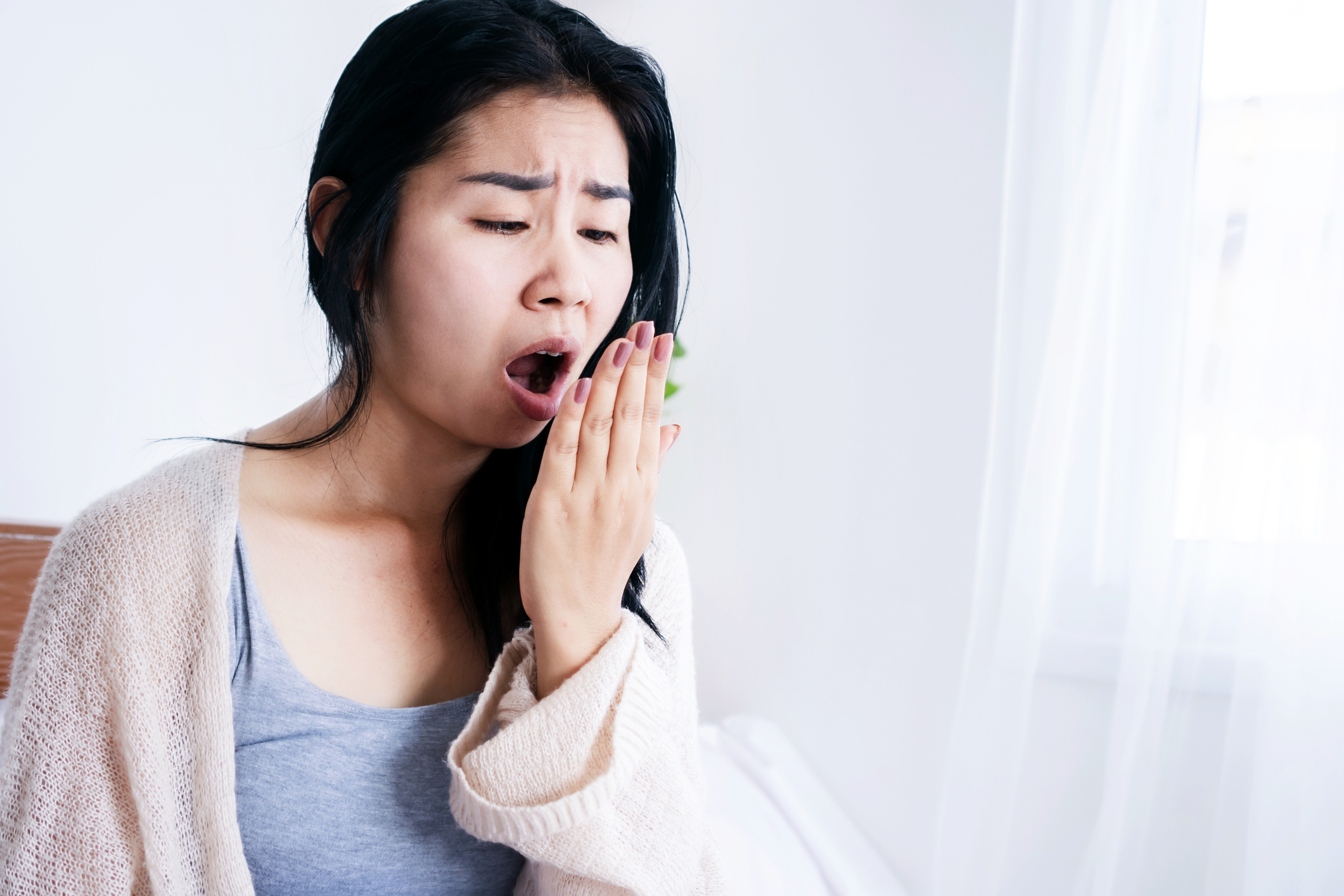
Wellness Wednesday: The Health Benefits of Napping

There are days when you suddenly get tired in the middle of the day and want to nap. But napping at the wrong time of day or for too long can backfire causing sleep inertia and insomnia.

If you are considering taking a nap, make sure that it is at a time when you:

Are experiencing new fatigue or unexpected sleepiness; are about to experience sleep loss like during a long work shift; are eight hours or more before bedtime.

Here are some tips that will help you get the most out of your naptime:

  • Keep naps short- aim to nap for 10 to 20 minutes. The longer you nap the more likely you will feel groggy afterward.
  • Take naps in the early afternoon- napping after 3 pm can interfere with nighttime sleep. Individual factors such as your need for sleep, your sleeping schedule, your age, and your medication use can play a role in determining the best time of day to nap.
  • Create a restful environment- nap in a quiet, dark place with a comfortable room temperature and few distractions.

There are many benefits of napping, including:

  • Relaxation
  • Reduced fatigue
  • Increased alertness
  • Improved mood
  • Improved performance
  • Quicker reaction time
  • Better memory
  • An improved creative mindset

After napping, give yourself time to wake up before you resume activities, especially those requiring a quick or sharp response.

All content of this newsletter is intended for general information purposes only and is not intended or implied to be a substitute for professional medical advice, diagnosis or treatment. Please consult a medical professional before adopting any of the suggestions on this page. You must never disregard professional medical advice or delay seeking medical treatment based upon any content of this newsletter. PROMPTLY CONSULT YOUR PHYSICIAN OR CALL 911 IF YOU BELIEVE YOU HAVE A MEDICAL EMERGENCY.
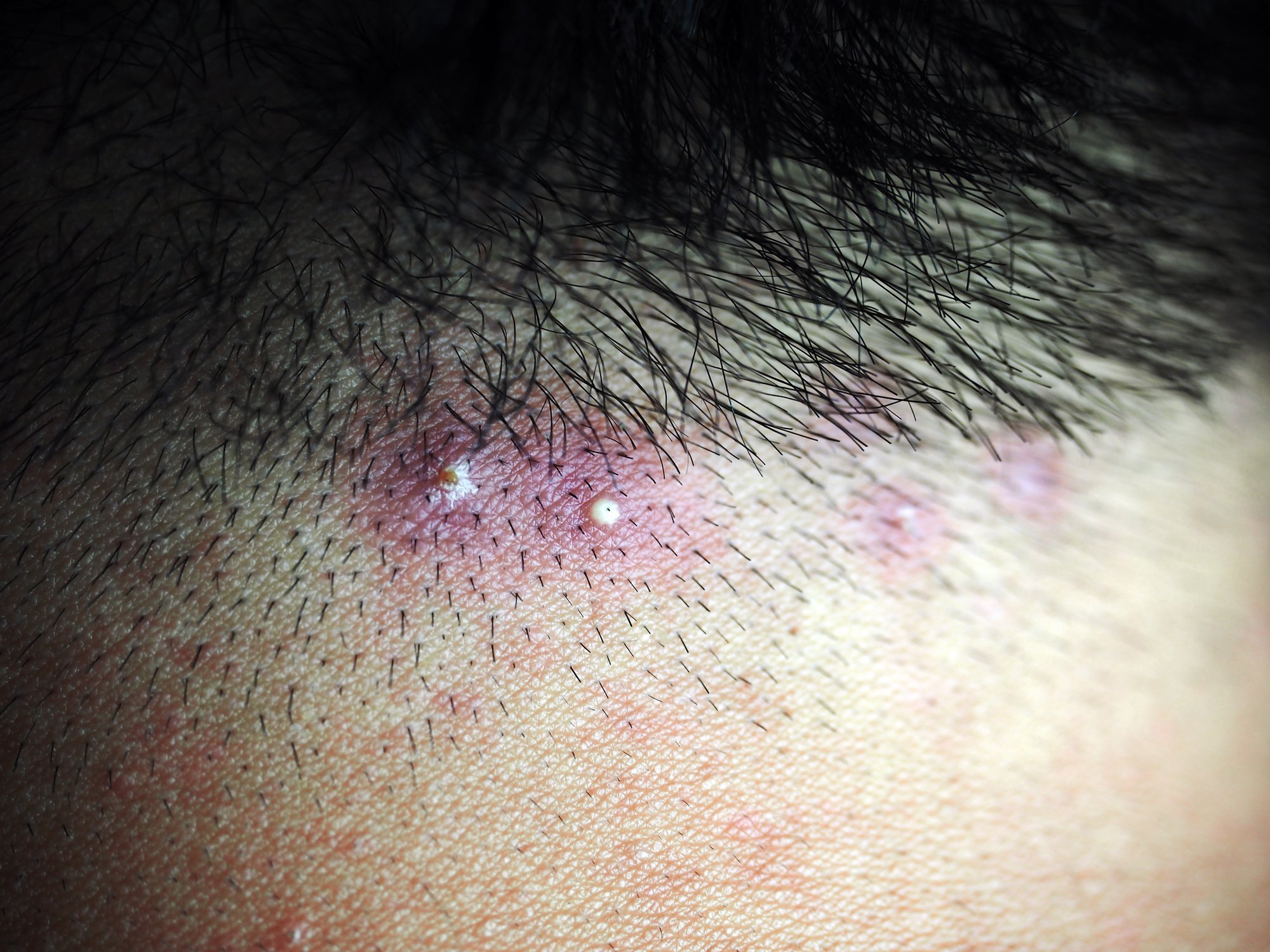

Measles

Measles is a highly contagious disease that is caused by a virus. It can affect anyone but is most common in children.

Some risk factors for measles include:

  • Being unvaccinated
  • Traveling internationally
  • Having a vitamin A deficiency

Measles infects the respiratory tract and then spreads throughout the body. Signs and symptoms of measles appear around 10 to 14 days after exposure to the virus, they include:

  • Fever
  • Dry cough
  • Runny nose
  • Sore throat
  • Inflamed eyes
  • Koplik’s spots (tiny white spots with bluish-white centers on a red background, which form on the inner lining of the cheek)
  • A skin rash made up of large, flat blotches that often flow into one another

The infection occurs in stages that span over two to three weeks. These stages include:

  • Infection and incubation- the measles virus spreads in the body for 10 to 14 days after infection. During that time, there are no signs or symptoms.
  • Nonspecific signs and symptoms- measles typically begins with a mild to moderate fever, a persistent cough, a runny nose, inflamed eyes, and a sore throat. This mild illness can last two to three days.
  • Acute illness and rash- a rash consisting of small red spots, some may be slightly raised. Spots and bumps in tight clusters give the skin a splotchy red appearance. The face is usually the first place it appears. The rash spreads down the arms, chest, and back, then over the thighs, lower legs, and feet over the next few days. At the same time, the fever rises to temperatures as high as 104 to 105.8.
  • Recovery- the measles rash can last for about seven days. The rash fades gradually from the face and lastly the thighs and feet. As other symptoms go away, coughing and the darkening or peeling of the skin where the rash was, lasts about 10 days.

A person with measles can spread the virus to others for about eight days. Starting four days before the rash appears and ends when the rash has been present for four days.

When an infected person coughs, sneezes, or talks, infectious droplets spray into the air where others can breathe them in. Infectious droplets can stay in the air for about an hour and on a surface for several hours.

Many complications can arise from measles, including:

  • Diarrhea and vomiting
  • Ear infection
  • Bronchitis, laryngitis, or croup
  • Pneumonia
  • Encephalitis
  • Pregnancy problems

The U.S. Centers for Disease Control and Prevention (CDC) recommends that children and adults receive the measles vaccine to prevent infection.

Your healthcare provider can usually diagnose measles based on the disease’s characteristic rash and the Koplik’s spot on the inner lining of the cheek. Your healthcare provider may ask whether you or your child received measles vaccines, whether you traveled outside of the U.S. recently, and if you had contact with anyone who has a rash or fever.

The rash can be confused with many other illnesses, however, a blood test can be done to confirm whether the rash is measles. A test using a throat swab or urine sample can also be used.

There is no specific treatment for a measles infection once it occurs. Treatment can include providing comfort measures to relieve symptoms such as rest and treating or preventing complications.

Some measures can be taken to protect individuals who don’t have immunity to measles after they have been exposed to the virus, they include:

  • Post-exposure vaccination
  • Immune serum globulin
  • Medications
    • Fever reducers
    • Antibiotics
    • Vitamin A

If you become sick with severe symptoms, particularly after potential exposure to the measles virus, you must receive treatment from a doctor as soon as possible. You can schedule an appointment at Flushing Hospital Medical Center’s Ambulatory Care Center by calling (718) 670-5486.


All content of this newsletter is intended for general information purposes only and is not intended or implied to be a substitute for professional medical advice, diagnosis or treatment. Please consult a medical professional before adopting any of the suggestions on this page. You must never disregard professional medical advice or delay seeking medical treatment based upon any content of this newsletter. PROMPTLY CONSULT YOUR PHYSICIAN OR CALL 911 IF YOU BELIEVE YOU HAVE A MEDICAL EMERGENCY.
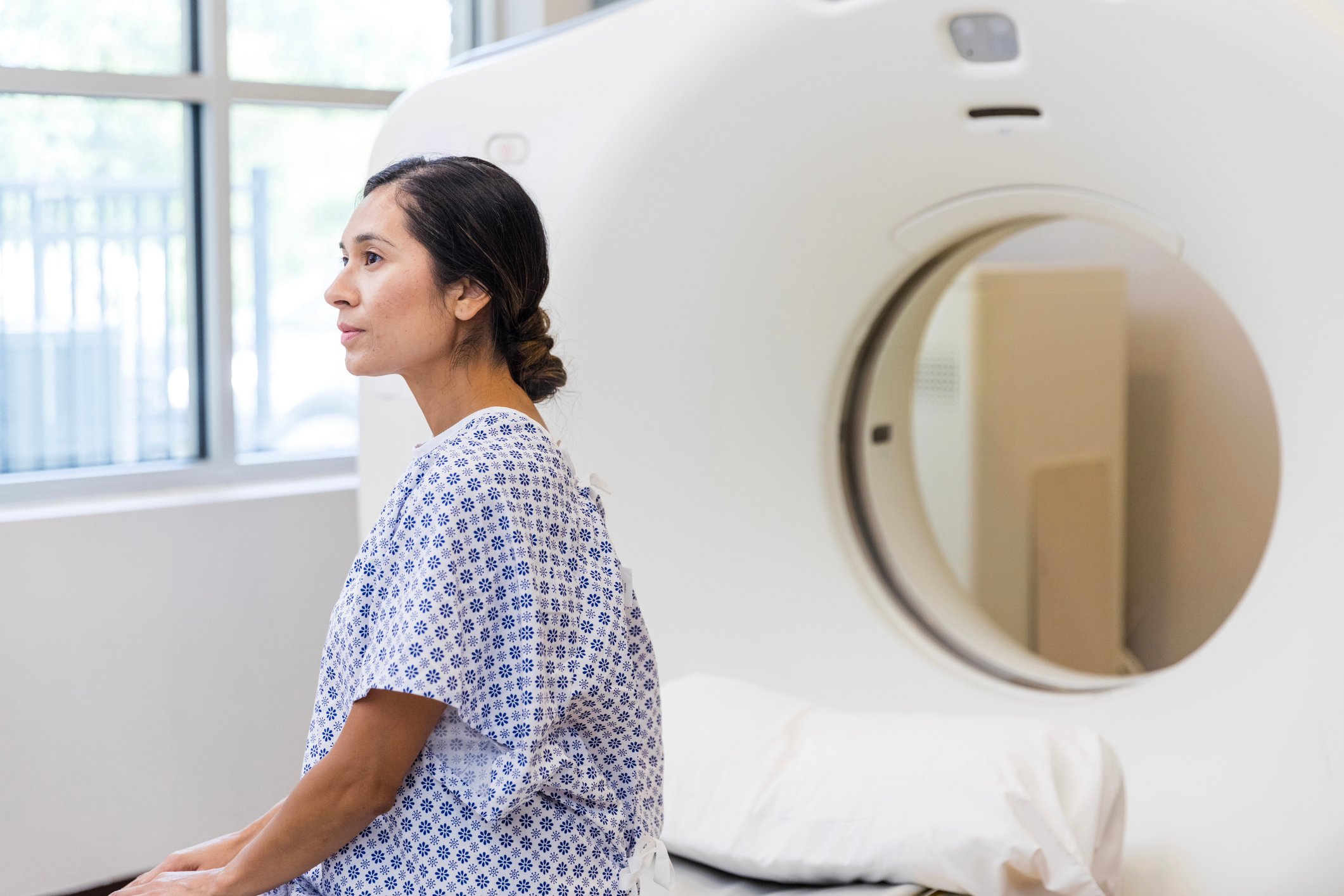
High-Functioning Anxiety Disorder

High-functioning anxiety is a subset of generalized anxiety disorder that often goes unnoticed or undiagnosed. It occurs when a person has anxiety symptoms, but rather than retreating from situations or interactions, they work hard to face their fears and are skilled at covering up symptoms.

There are many emotional and physical symptoms of high-functioning anxiety disorder, including:

  • Emotional symptoms
    • Fear of criticism or significant self-criticism
    • Fear of looking inadequate or foolish to others
    • Feeling on the edge or on the verge of losing control
    • Feeling a sense of impending doom
    • Experiencing significant stress
  • Physical symptoms
    • Excessive sweating
    • Feeling off-balance or lightheaded
    • Headaches or migraines
    • Intestinal discomforts, such as diarrhea or ulcers
    • Muscle tension
    • Racing heart rate
    • Tired, jelly-like legs
    • Sleep disturbances
    • Tingling or numbness in toes or fingers

The intensity of these symptoms varies depending on a person’s level of functioning. People with high-functioning anxiety can appear to be:

  • Perfectionists
  • Punctual, or always early
  • Highly organized
  • Overachievers
  • Detail-oriented
  • Proactive

However, they often internally struggle with:

  • Overthinking/overanalyzing
  • The fear of disappointing or angering others
  • Self-doubt
  • Obsessively double-checking details
  • Racing thoughts
  • The inability to relax

There are many treatments available for high-functioning anxiety, including:

  • Cognitive behavioral therapy (CBT)
  • Solutions-focused brief therapy (SFBT)
  • Deep-breathing exercises
  • Medication

To learn more about our outpatient mental health services at Flushing Hospital Medical Center or to schedule a virtual appointment, please call (718) 670-5316 to speak with our intake coordinator or (718) 670-5562 to reach the clinic.

All content of this newsletter is intended for general information purposes only and is not intended or implied to be a substitute for professional medical advice, diagnosis or treatment. Please consult a medical professional before adopting any of the suggestions on this page. You must never disregard professional medical advice or delay seeking medical treatment based upon any content of this newsletter. PROMPTLY CONSULT YOUR PHYSICIAN OR CALL 911 IF YOU BELIEVE YOU HAVE A MEDICAL EMERGENCY.

Night Sweats

Night sweats are repeated episodes of very heavy sweating during sleep. Sweating is common during sleep, especially if you’re sleeping in a hot bedroom. However, unlike regular sweating, night sweats can be identified by the symptom of excessive sweating that soaks through your clothes and bedsheets.

Even though excessive sweating is a symptom of night sweats, night sweats can be a symptom of an underlying illness or medical condition. These illnesses and conditions can include:

  • Menopause
  • Infections
  • Cancer
  • Anxiety disorders
  • Hyperthyroidism
  • Medications
  • Autoimmune disorders
  • HIV/AIDS
  • Stroke
  • Diabetes

Some other causes of night sweats can include:

  • Low blood sugar
  • Obesity
  • Sleep disorders
  • Gastroesophageal reflux disease
  • Panic disorder
  • Pregnancy
  • Lifestyle behaviors, such as smoking and drinking alcohol

Night sweats aren’t usually a cause for concern. However, you should speak with a healthcare professional if you develop night sweats that happen frequently, disturb your sleep, or are accompanied by other symptoms like a high fever, a cough, or unexplained weight loss.

Regardless of what is causing your night sweats, you can take preventative steps to help improve the quality of your sleep, including:

  • Limiting your consumption of alcohol and caffeine
  • Avoiding the use of tobacco and illegal drugs
  • Sleeping in a cooler environment
  • Considering the use of cooling products, such as a cooling mattress, pillow, or duvet
  • Maintaining a healthy weight
  • Avoiding spicy foods, especially if you have menopause

If you are experiencing night sweats, visit Flushing Hospital Medical Center’s Ambulatory Care Center. To schedule an appointment, please call (718) 670-5486.


All content of this newsletter is intended for general information purposes only and is not intended or implied to be a substitute for professional medical advice, diagnosis or treatment. Please consult a medical professional before adopting any of the suggestions on this page. You must never disregard professional medical advice or delay seeking medical treatment based upon any content of this newsletter. PROMPTLY CONSULT YOUR PHYSICIAN OR CALL 911 IF YOU BELIEVE YOU HAVE A MEDICAL EMERGENCY.

MPox

Mpox previously known as monkeypox, is a viral illness caused by the monkeypox virus. The virus usually affects rats, mice, or monkeys. But it can occur in people as well.

Mpox usually occurs in Central and West Africa. Cases outside of Africa are due to international travel, imported animals, and close contact with an animal or person infected with mpox.

Mpox symptoms may start three to 17 days after exposure. Symptoms last two to four weeks and may include:

  • Fever
  • Skin rash
  • Swollen lymph nodes
  • Headache
  • Muscle aches and backaches
  • Chills
  • Fatigue

A skin rash starts about one to four days after a fever. It first appears on the face, hands, or feet and then spreads to other body parts. You can spread mpox while you have symptoms.

There are many ways that mpox can spread, including:

  • Person to person
    • Direct contact with rashes, scabs, or bodily fluids of a person with mpox
    • Extended close contact with respiratory droplets from an infected person, including sexual contact
    • Clothes, sheets, blankets, or other materials that have been in contact with rashes or bodily fluids of an infected person
    • An infected pregnant person can spread the mpox virus to a fetus
  • Animal to person
    • Animal bites or scratches
    • Wild game that is cooked for food
    • Products, such as skins or furs made from infected animals
    • Direct contact with bodily fluids or rashes of animals with mpox

There are many steps you can take to prevent infection or the spread of the mpox virus, including:

  • Avoiding close contact with people who have a rash that looks like mpox
  • Avoiding the handling of clothes, sheets, blankets, or other materials that have been in close contact with an infected animal or person
  • Quarantining people who have mpox from healthy people
  • Washing your hands well with soap and water after contact with an infected person or animal. If soap and water aren’t available, use an alcohol-based hand sanitizer
  • Avoiding animals that may carry the virus

The treatment for most people with mpox is aimed at relieving symptoms. Care may include managing skin damage from the mpox rash, drinking enough fluids to help keep stool soft, and pain management. There is no specific treatment approved for mpox. Healthcare professionals may treat mpox with antiviral drugs used to treat smallpox. If you have mpox, quarantine at home in a room separate from family and pets until your rash and scabs heal.

You can make an appointment for mpox treatment and prevention at Flushing Hospital Medical Center’s on-site ambulatory care center by calling (718) 670-5486.

All content of this newsletter is intended for general information purposes only and is not intended or implied to be a substitute for professional medical advice, diagnosis or treatment. Please consult a medical professional before adopting any of the suggestions on this page. You must never disregard professional medical advice or delay seeking medical treatment based upon any content of this newsletter. PROMPTLY CONSULT YOUR PHYSICIAN OR CALL 911 IF YOU BELIEVE YOU HAVE A MEDICAL EMERGENCY.
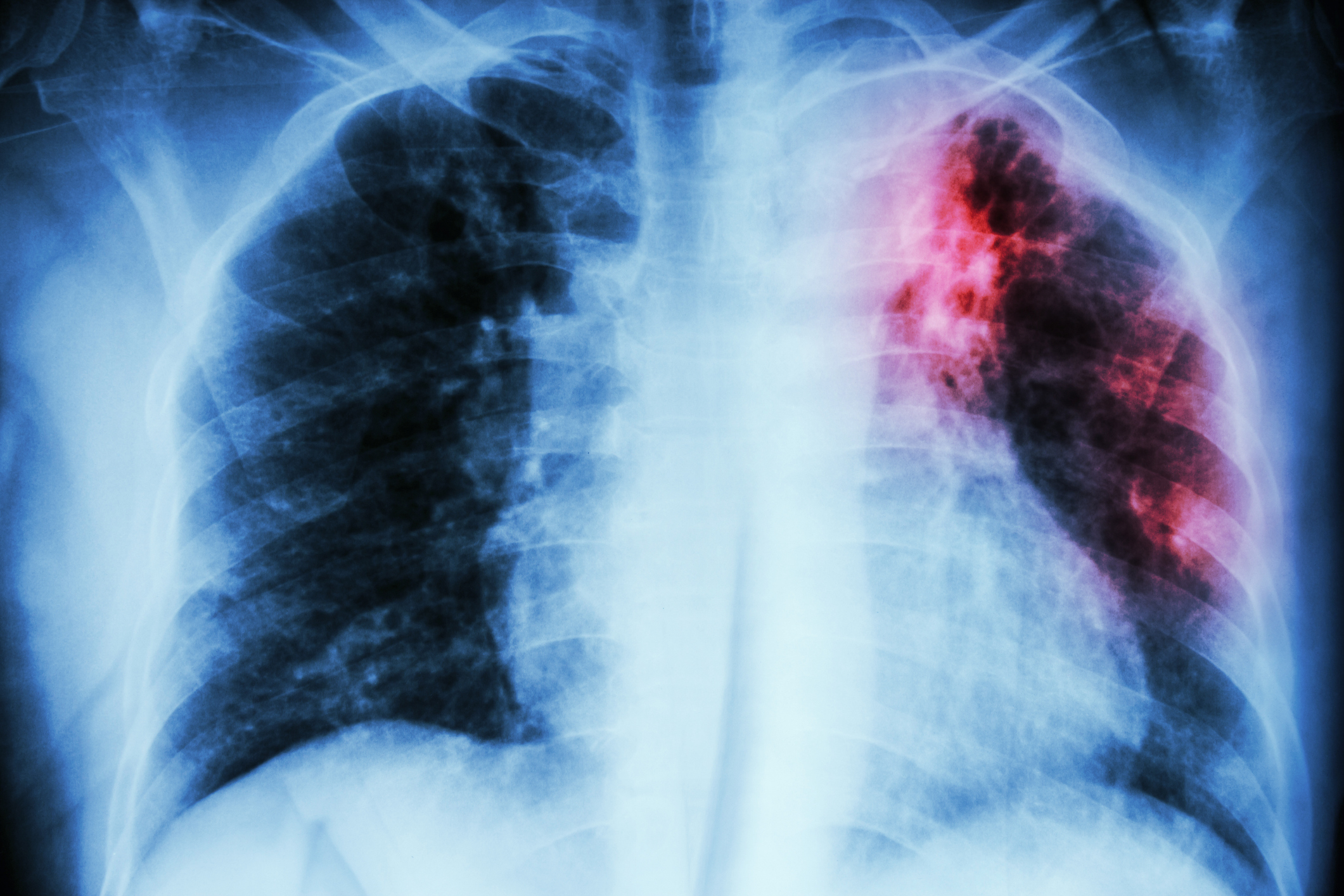
Healthy Aging Month

September is recognized as healthy aging month. The observation was created to encourage people to focus on their health and take steps to help them face the challenges that come with aging.

As we age, we become aware of changes in our mental and physical health, and changes in our social needs. You can take charge of your well-being by taking steps to age with a healthy mind and body. Flushing Hospital Medical Center would like to offer these tips to help boost your health as you age:

  • Get moving
    • It is important to consult your doctor before exercising. Start slow, know your limitations, and modify activities if needed
    • Aim for at least 150 minutes of moderate-intensity physical activities each week
  • Maintain a healthy diet
  • Eat proper portion sizes
  • Avoid excess processed foods
  • Stay hydrated
  • Stay socially active
    • Stay in touch with friends and family
    • Try doing something new that interests you
  • Balance your body and mind
    • Keep a positive attitude
    • Keep your mind active by reading or doing puzzles
    • Keep your body active with yoga and stretches
  • Be proactive
    • Receive regular checkups, physicals, and medical tests when needed
    • Take vitamins, supplements, and medications as prescribed or needed

Healthy aging month is a time to celebrate life and the positive aspects of growing older. Healthy living is healthy aging. Developing and maintaining healthy aging practices throughout your life contributes to greater resilience and opportunities to thrive as we age. Making small changes in your daily life can help you live longer and better.

If you have questions about any medical issues that may arise as you age, you can schedule an appointment with a doctor at Flushing Hospital’s Ambulatory Care Center by calling (718) 670-5486.

All content of this newsletter is intended for general information purposes only and is not intended or implied to be a substitute for professional medical advice, diagnosis or treatment. Please consult a medical professional before adopting any of the suggestions on this page. You must never disregard professional medical advice or delay seeking medical treatment based upon any content of this newsletter. PROMPTLY CONSULT YOUR PHYSICIAN OR CALL 911 IF YOU BELIEVE YOU HAVE A MEDICAL EMERGENCY.

National Senior Citizens Day

August 21st, 2024 is National Senior Citizens Day. It’s a day that recognizes seniors who have contributed to society and impacted everyone’s lives for the better.

In 1988, President Ronald Reagan honored senior citizens by signing Proclamation 5847, establishing August 21st as National Senior Citizens Day.

A senior citizen is anyone 60 years of age and older. They are pioneers of science, medicine, psychology, civil rights, and more. Their valuable contributions to our communities have made them better places to live. The day honors their achievements and encourages us to support them in living their lives to the fullest and as independently as possible.

In honor of National Senior Citizens Day, Flushing Hospital Medical Center is offering these health tips for older adults:

  • Stay physically active for a healthy body and mind
  • Stay socially active with friends and family
  • Follow a healthy, well-balanced diet
  • Don’t neglect yourself, schedule checkups and stick to them
  • Take all medications as directed by your doctor

There are many ways that you and your loved ones can observe National Senior Citizens Day, including:

  1. Donate to a nursing/retirement home- one of the kindest and most rewarding things you can do is to donate essential goods or gifts to a nursing/retirement home.
  2. Reach out to a senior family member- visit and spend time with a family member who is a senior citizen. If you can’t see them, call them.
  3. Have fun- if you are a senior citizen, the day is about you. Spend time with your favorite people, and do something fun and exciting. Live it up and treat yourself.
  4. Take the time to recreate your family’s traditions. Be sure to include your grandparents and other elderly people in your family.

National Senior Citizen Day is a day to acknowledge and celebrate the seniors in our lives. Let’s make them know how much we care about and appreciate them.


All content of this newsletter is intended for general information purposes only and is not intended or implied to be a substitute for professional medical advice, diagnosis or treatment. Please consult a medical professional before adopting any of the suggestions on this page. You must never disregard professional medical advice or delay seeking medical treatment based upon any content of this newsletter. PROMPTLY CONSULT YOUR PHYSICIAN OR CALL 911 IF YOU BELIEVE YOU HAVE A MEDICAL EMERGENCY.
Dementia

Dementia is a general term that represents a group of diseases and illnesses that cause the loss of cognitive functioning to the point that it interferes with a person’s daily life and activities.

Cognitive changes they may experience include:

  • Memory loss, usually noticed by someone else
  • Problems communicating or finding words
  • Trouble with visual and spatial abilities, such as getting lost while driving
  • Problems with reasoning or problem-solving
  • Trouble performing complex tasks
  • Trouble with planning and organizing
  • Poor coordination and control of movements
  • Confusion and disorientation

Some people with dementia can’t control their emotions, and they may also have psychological changes, such as:

  • Personality changes
  • Depression
  • Anxiety
  • Agitation
  • Inappropriate behavior
  • Hallucinations

Dementia is caused by damage to your brain, affecting its nerve cells and destroying the brain’s ability to communicate with its various areas. Dementia can also result from blocked blood flow to your brain, depriving it of oxygen and nutrients. Without oxygen and nutrients, brain tissue dies.

Progressive dementias get worse over time. Types of dementias that worsen and aren’t reversible include:

  • Alzheimer’s disease (the most common cause of dementia)
  • Vascular dementia
  • Lewy body dementia
  • Frontotemporal dementia
  • Mixed dementia

Other disorders linked to dementia include:

  • Huntington’s disease
  • Traumatic brain injury (TBI)
  • Creutzfeldt-Jakob disease
  • Parkinson’s disease

Some causes of dementia-like symptoms can be reversed with treatment including:

  • Infections and immune disorders
  • Metabolic or endocrine problems
  • Low levels of certain nutrients
  • Medicine side effects
  • Subdural bleeding
  • Brain tumors
  • Normal-pressure hydrocephalus

Many risk factors can contribute to dementia, including:

  • Age
  • Family history

A healthcare provider must recognize the pattern of loss of skills and function to be able to diagnose the cause of dementia. No single test can diagnose dementia, therefore, a series of tests may be conducted to determine a diagnosis. These tests include:

  • Cognitive and neuropsychological tests
  • Neurological evaluation
  • Brain scans
    • CT or MRI
    • PET scans
  • Laboratory tests
  • Psychiatric evaluation

Most types of dementia can’t be cured, but there are ways to manage your symptoms including:

  • Medications
  • Therapies

If you or a loved one is experiencing symptoms associated with dementia, you can receive treatment from a neurologist at Flushing Hospital Medical Center’s Ambulatory Care Center. To schedule an appointment, please call (718) 670-5486.


All content of this newsletter is intended for general information purposes only and is not intended or implied to be a substitute for professional medical advice, diagnosis or treatment. Please consult a medical professional before adopting any of the suggestions on this page. You must never disregard professional medical advice or delay seeking medical treatment based upon any content of this newsletter. PROMPTLY CONSULT YOUR PHYSICIAN OR CALL 911 IF YOU BELIEVE YOU HAVE A MEDICAL EMERGENCY.

Cellulitis

Cellulitis is a common, potentially serious bacterial infection of the skin and tissue beneath the skin. The affected area is typically swollen, inflamed, painful, and warm to the touch.

Cellulitis commonly affects the lower part of your body, including your legs, feet, and toes. However, it can occur in any part of your body like your face, arms, hands, and fingers.

Some symptoms of cellulitis include:

  • An irritated area of skin that tends to expand
  • Swelling
  • Tenderness
  • Pain
  • Warmth
  • Fever
  • Chills
  • Spots
  • Blisters
  • Skin dimpling
  • Headache
  • Weakness
  • Red streaks from the original site of the cellulitis

When you first get cellulitis, your skin looks slightly discolored. It may feel slightly warm to the touch. As the infection spreads, the discoloration gets darker and your skin swells and becomes tender.

Some severe symptoms that will need immediate emergency care include:

  • If you have a large area of red inflamed skin
  • Fever
  • If the affected area is causing numbness, tingling, or other changes in a hand, arm, leg, or foot
  • If the skin appears black
  • If the area that is red and swollen is around your eyes or behind the ears
  • If you have diabetes or a weakened immune system

Cellulitis is caused when bacteria, most commonly streptococcus and staphylococcus enter through a crack or break in the skin. Bacteria are more likely to enter broken, dry, flaky, or swollen skin such as a recent surgical site, cuts, puncture wounds, ulcers, athlete’s foot, or dermatitis. If the wound isn’t treated properly, there is potential to encounter a more severe staphylococcus infection called methicillin-resistant Staphylococcus aureus (MRSA).

Another cause of cellulitis occurs due to poor hygiene. Ways to maintain good hygiene include:

  • Washing your hands regularly with soap and warm water
  • Cleaning and trimming your fingernails and toenails
  • Regularly showering and thoroughly drying your skin afterward
  • Wearing clean clothes
  • Keeping small wounds clean

To diagnose cellulitis, your healthcare provider will ask about your symptoms and examine the affected area. If you have a severe case of cellulitis, your physician may recommend tests to ensure the infection hasn’t spread to other parts of your body. These tests include:

  • Blood test
  • Skin test
  • Bacterial culture

Cellulitis is usually treated with oral antibiotics. However, severe cases of cellulitis may not respond to oral antibiotics. You may require hospitalization and intravenous antibiotics.

The fastest way to get rid of cellulitis is to take the full course of antibiotics. Some home treatments that can help the healing process include:

  • A warm compress
  • Elevation
  • Compression wraps or stockings

Some ways you can reduce your risk of cellulitis include:

  • Cleaning your wounds or sores with antibacterial soap and water
  • Applying an antibiotic ointment on your wounds or sores
  • Covering your wounds or sores with bandages to prevent dirt or bacteria from entering the area
  • Refraining from touching or rubbing your affected areas
  • Getting medical attention right away for any deep cuts or puncture wounds

If you are experiencing symptoms of cellulitis, you can make an appointment with a qualified physician at Flushing Hospital Medical Center by calling 718-670-5486.


All content of this newsletter is intended for general information purposes only and is not intended or implied to be a substitute for professional medical advice, diagnosis or treatment. Please consult a medical professional before adopting any of the suggestions on this page. You must never disregard professional medical advice or delay seeking medical treatment based upon any content of this newsletter. PROMPTLY CONSULT YOUR PHYSICIAN OR CALL 911 IF YOU BELIEVE YOU HAVE A MEDICAL EMERGENCY.

National Immunization Awareness Month

August is National Immunization Awareness Month or NIAM. It is an annual observance highlighting the importance of getting routine vaccinations for people of all ages. 

Vaccines work by stimulating the immune system to protect our bodies against viruses or bacteria that cause infection. After vaccination, the immune system is better prepared to respond quickly when the body encounters disease-causing organisms.

Vaccinations are important at every stage of life. They are one of the safest preventative care measures available and help play a vital role in keeping you healthy. When you skip vaccines, you leave yourself vulnerable to illnesses such as shingles, influenza (flu), and both HPV and hepatitis B which are leading causes of cancer. 

Getting vaccinated also helps keep your family and community healthy, as vaccinations can help lessen the severity of illness and keep diseases from spreading. Additionally, vaccinations help protect those most vulnerable to illness, such as infants, elders, and people with weakened immune systems. 

If you or a loved one would like to get vaccinated, schedule an appointment with a physician at Flushing Hospital’s Department of Internal Medicine or your primary care physician as soon as possible.

To schedule an appointment for you or a loved one to get up to date on vaccinations, you can call Flushing Hospital Medical Center’s Ambulatory Care Center at (718) 670-5486.

All content of this newsletter is intended for general information purposes only and is not intended or implied to be a substitute for professional medical advice, diagnosis or treatment. Please consult a medical professional before adopting any of the suggestions on this page. You must never disregard professional medical advice or delay seeking medical treatment based upon any content of this newsletter. PROMPTLY CONSULT YOUR PHYSICIAN OR CALL 911 IF YOU BELIEVE YOU HAVE A MEDICAL EMERGENCY.