Hashimoto’s Disease

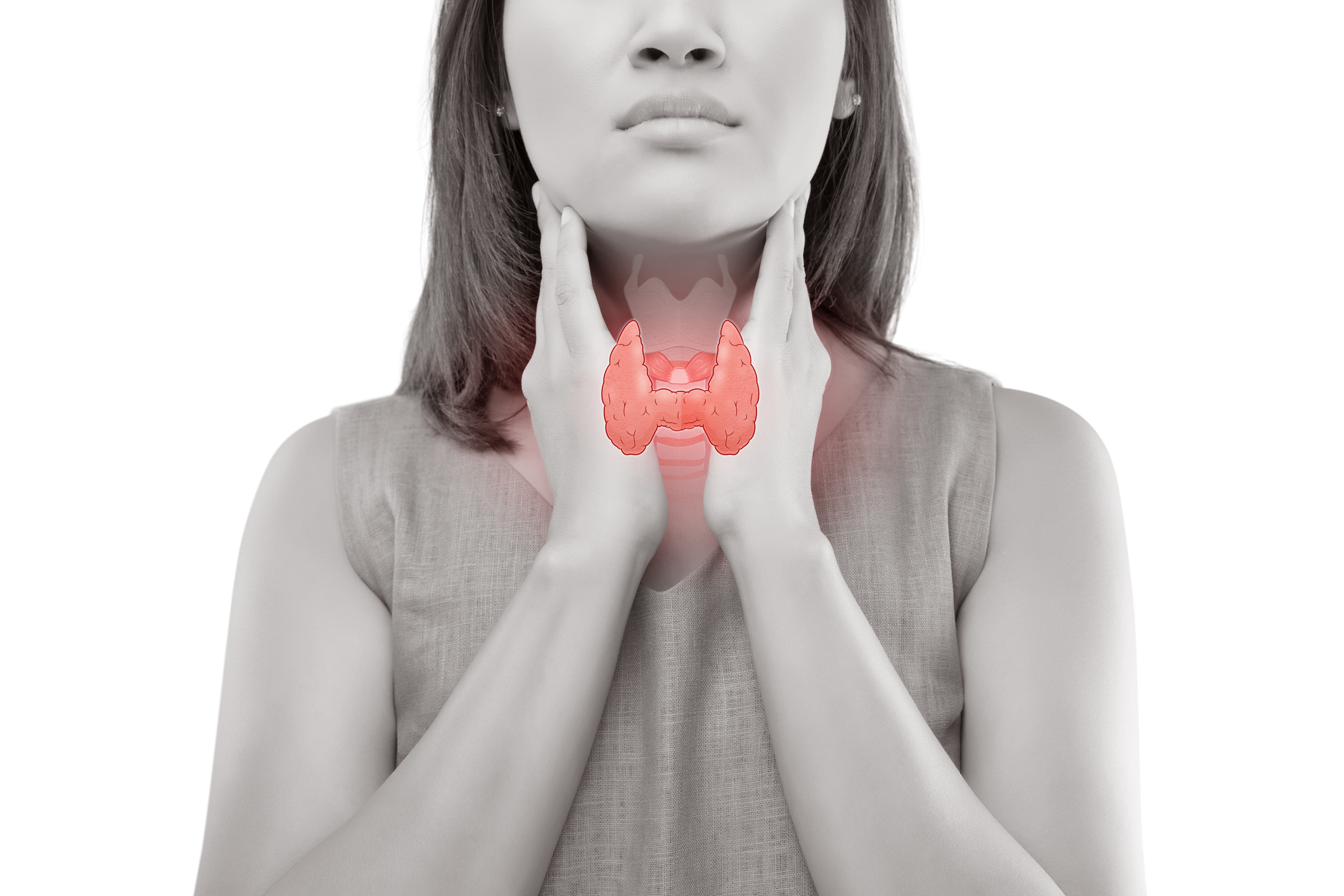
Hashimoto’s disease is a chronic autoimmune disorder that affects the thyroid gland. The immune system attacks the thyroid resulting in hypothyroidism.

Anyone can develop Hashimoto’s disease, but it is most common in middle-aged women.

Hashimoto’s disease progresses slowly over the years and you may not notice any signs or symptoms. The decline in thyroid hormone production can result in the following symptoms:

  • Fatigue and sluggishness
  • Increased sensitivity to cold
  • Increased sleepiness
  • Dry skin
  • Constipation
  • Muscle weakness
  • Muscle aches, tenderness, and stiffness
  • Joint pain and stiffness
  • Irregular or excessive menstrual bleeding
  • Depression
  • Problems with memory or concentration
  • Swelling of the thyroid
  • Puffy eyes and face
  • Brittle nails
  • Hair loss, dry, brittle hair, and slow hair growth
  • Enlargement of the tongue

The causes of Hashimoto’s disease are unclear, but the onset of the disease may be related to:

  • Genetic factors
  • Environmental triggers, such as infection, stress, or radiation exposure
  • Interactions between environmental and genetic factors

Many factors are associated with an increased risk of Hashimoto’s disease, including:

  • Sex
  • Age
  • Other autoimmune diseases
  • Genetics and family history
  • Pregnancy
  • Excessive iodine intake

Several conditions may lead to the signs and symptoms of Hashimoto’s disease. If you are experiencing any of these symptoms, your healthcare provider will conduct a thorough physical exam, review your medical history, and ask questions about your symptoms. After this assessment, they will order blood tests to confirm the diagnosis, including:

  • Thyroid-stimulating hormone test
  • Free T4 test
  • Anti-thyroid antibody test

In some cases, your healthcare provider may recommend a thyroid ultrasound to check the size of your thyroid and ensure no nodules are present.

Most people with Hashimoto’s disease take medication to treat hypothyroidism. If you have mild hypothyroidism, you may not receive treatment but will get regular TSH tests to monitor thyroid hormone levels.

If you’re experiencing symptoms of any thyroid disease, you can receive treatment from an endocrinologist at Flushing Hospital Medical Center’s Ambulatory Care Center. To schedule an appointment, please call (718) 670-5486.

All content of this newsletter is intended for general information purposes only and is not intended or implied to be a substitute for professional medical advice, diagnosis or treatment. Please consult a medical professional before adopting any of the suggestions on this page. You must never disregard professional medical advice or delay seeking medical treatment based upon any content of this newsletter. PROMPTLY CONSULT YOUR PHYSICIAN OR CALL 911 IF YOU BELIEVE YOU HAVE A MEDICAL EMERGENCY.
Thyroid Eye Disease

Thyroid eye disease (or TED) is a condition that causes the immune system to attack the muscles and other tissues around the eyes. The condition is most commonly associated with Graves’ disease, which is an autoimmune disorder that attacks the thyroid gland, causing it to produce more thyroid hormone than the body needs.

In most cases people who develop TED are already diagnosed with Graves’ disease, but for some, it is the first indicator of thyroid problem.  Approximately one half of all people diagnosed with Graves disease develop eye symptoms. In most cases the symptoms are mild, but for some, it can have more serious consequences.

The most common symptoms of TED include:

  • Pain and pressure
  • Dry, itchy, or watery eyes
  • Difficulty wearing contact lenses
  • Inflammation and swelling of the eye and its surrounding tissues
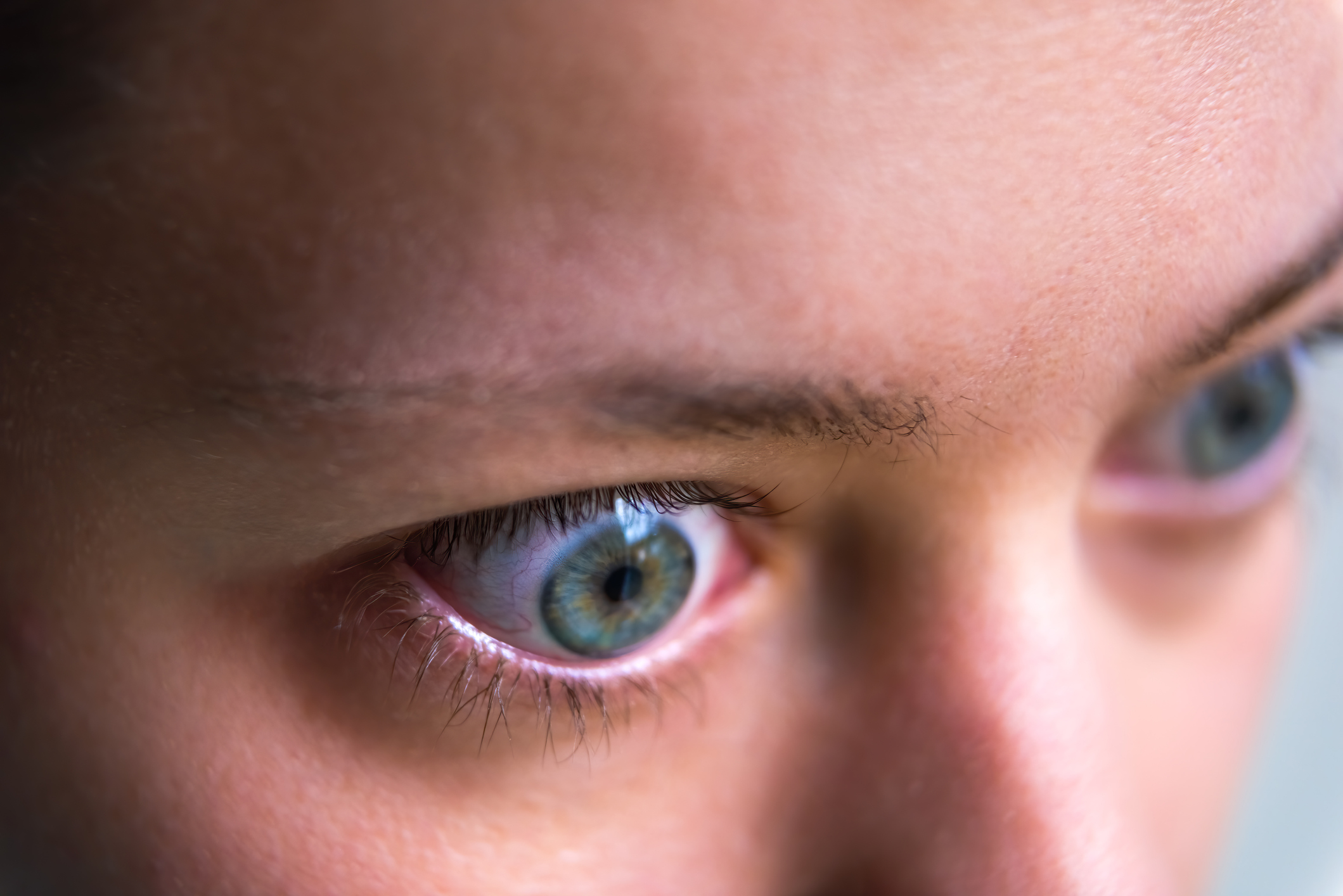
  • Bulging or wide-eyed stare caused by swelling in the orbital tissues
  • Red or bloodshot eyes
  • Double vision
  • Light sensitivity
  • Impaired vision
  • Difficulty moving the eyes

Thyroid eye disease can affect people differently. Symptoms can last from 6 months to 2 years. For some, symptoms may go away on their own, but others may experience lasting effects. To best treat the condition, it is best to work with a team of doctors, including a primary care physician, an ophthalmologist, and an endocrinologist.

For milder cases, applying lubricating eye drops and artificial tears a few times during the day can help be helpful.  It is also recommended to avoid conditions that can worsen the condition, such as wind and bright light (or try to wear sunglasses in these elements to protect your eyes). Other tips include applying cool compresses to provide relief and elevating your head while you sleep to relieve pressure on the eyes.

If you have severe symptoms, a doctor may prescribe corticosteroids, such as prednisone to reduce the swelling in and around your eyes.  In a very small percentage of patients, orbital decompression surgery may be recommended if your vision becomes impaired.

To schedule an appointment at Flushing Hospital’s Ambulatory Care Center, please call 718-670-5486.

All content of this newsletter is intended for general information purposes only and is not intended or implied to be a substitute for professional medical advice, diagnosis or treatment. Please consult a medical professional before adopting any of the suggestions on this page. You must never disregard professional medical advice or delay seeking medical treatment based upon any content of this newsletter. PROMPTLY CONSULT YOUR PHYSICIAN OR CALL 911 IF YOU BELIEVE YOU HAVE A MEDICAL EMERGENCY.

Learn the Facts About Addison’s Disease

Just above each of our kidneys lie our adrenal glands. These glands are part of our endocrine system and are responsible for producing the hormones Cortisol and Aldosterone which help us to convert food into energy, maintain our immune system, and regulate our potassium and blood pressure levels.

When the adrenal glands become damaged they can affect our ability to generate a sufficient amount of these hormones, which could lead to a rare auto-immune disorder called Addison’s disease. This condition affects one in 100,000 people and can occur in all age groups and  both sexes.

While damage to your adrenal glands is the cause of over 70% of the diagnosed cases of Addison’s disease, long lasting infections, such as tuberculosis, HIV, or fungal infections can also lead to its onset. Addison’s disease may also develop after cancer cells spread from other parts of the body to the adrenal glands.

Addison’s disease symptoms usually develop slowly, often over several months, and may include:

  • Extreme fatigue
  • Weight loss and decreased appetite
  • Darkening of your skin (hyperpigmentation)
  • Low blood pressure, even fainting
  • Salt craving
  • Low blood sugar (hypoglycemia)
  • Nausea, diarrhea or vomiting
  • Abdominal pain
  • Muscle or joint pains
  • Irritability
  • Depression
  • Body hair loss or sexual dysfunction in women

Because symptoms of Addison’s disease progress slowly, they may go unrecognized until a physically stressful event, such as another illness, surgery, or an accident, worsens symptoms quickly. When this happens, it’s called an Addisonian crisis. For one in four people with Addison’s disease, this is the first time they realize they are ill. An Addisonian crisis is considered a medical emergency because it can be fatal.

While damage to your adrenal glands is the cause of over 70% of the diagnosed cases of Addison’s disease, long lasting infections, such as tuberculosis, HIV, or fungal infections can also lead to its onset. Addison’s disease may also develop after cancer cells spread from other parts of the body to the adrenal glands.

While Addison’s disease can be life threatening if not treated, those with it can live normal lives if they comply with a treatment plan that includes strict medication management.

All content of this newsletter is intended for general information purposes only and is not intended or implied to be a substitute for professional medical advice, diagnosis or treatment. Please consult a medical professional before adopting any of the suggestions on this page. You must never disregard professional medical advice or delay seeking medical treatment based upon any content of this newsletter. PROMPTLY CONSULT YOUR PHYSICIAN OR CALL 911 IF YOU BELIEVE YOU HAVE A MEDICAL EMERGENCY.