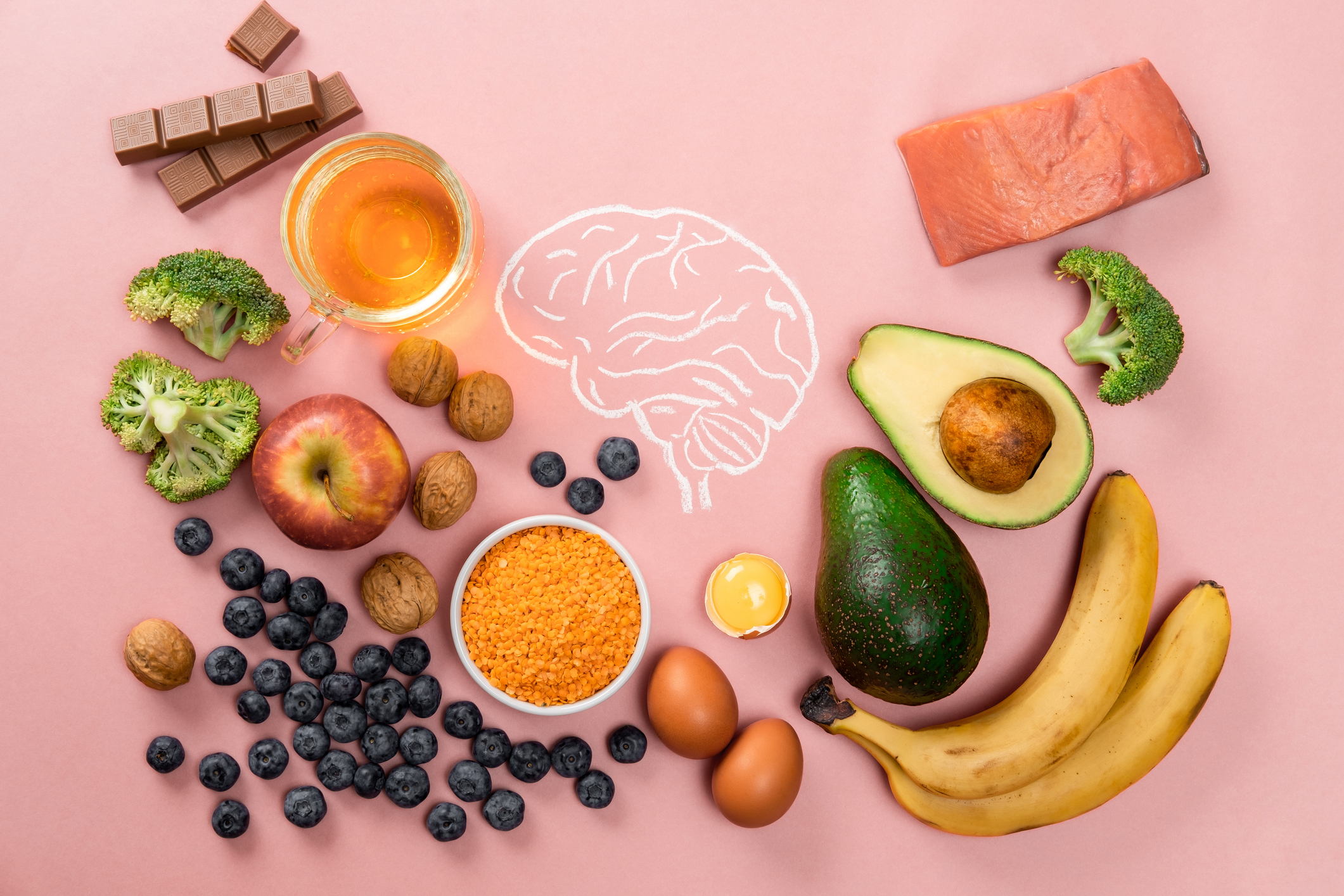
Foods That Can Support Brain Health

The brain is the body’s command center. It processes information and sends messages that control everything your body does, from thoughts and emotions to memory and motor skills. 

As we age, the brain experiences physiological changes that affect memory, focus, and word recall. Fortunately, we can combat some of these changes with our diet, which plays a major role in keeping our minds sharp and maintaining our mental function. 

Brain foods are foods that can benefit brain health. They contain various nutrients that keep the brain functioning well. They include: 

  • Omega-3 fatty acids 
  • B vitamins 
  • Vitamin E 
  • Vitamin C 
  • Vitamin K 
  • Selenium 
  • Iron 
  • Choline 

Eating a diet rich in these nutrients can help fight off common brain-related conditions and symptoms often associated with age. These nutrients may help with: 

  • Brain development 
  • Proper signaling of neurotransmitters 
  • Processing and understanding new information 
  • Memory 
  • Protein balance 
  • Reducing the risk of brain-related conditions linked to inflammation, such as depression and dementia 

There are several nutrient-rich foods to add to your diet, including: 

  • Eggs 
  • Fatty fish 
  • Berries such as blueberries, raspberries, and strawberries 
  • Broccoli 
  • Mushrooms 
  • Walnuts 
  • Turmeric 
  • Coffee 
  • Leafy greens 
  • Green tea 
  • Dark chocolate 
  • Fermented dairy 
  • Avocados 
  • Certain fruit juices such as pomegranate, grape, and cherry juice 
  • Whole grains 

It is important to remember that no food on its own will magically transform your brain. However, eating these brain foods regularly can keep it sharp and help maintain your cognitive ability as you age. Maintaining an overall healthy eating pattern is important to receive the health benefits of these nutrient-rich foods. 

All content of this newsletter is intended for general information purposes only and is not intended or implied to be a substitute for professional medical advice, diagnosis or treatment. Please consult a medical professional before adopting any of the suggestions on this page. You must never disregard professional medical advice or delay seeking medical treatment based upon any content of this newsletter. PROMPTLY CONSULT YOUR PHYSICIAN OR CALL 911 IF YOU BELIEVE YOU HAVE A MEDICAL EMERGENCY.

The MIND Diet

The “MIND” diet or Mediterranean-DASH Diet Intervention for Neurodegenerative Delay diet combines the Mediterranean and the DASH diets to create a dietary pattern focusing specifically on brain health. It targets the health of the aging brain. The MIND diet aims at reducing dementia, which is the sixth leading cause of death in the United States, by targeting the health of the aging brain and helping to prevent cognitive decline.

Many experts regard the Mediterranean and DASH diets as the healthiest. Research has shown they can lower blood pressure and reduce the risk of heart disease and other diseases.

The Mediterranean and DASH diets recommend eating a lot of fruit as they have been linked with improved brain function, particularly berries.

Here are 10 other foods you are encouraged to eat on the MIND diet:

  • Green, leafy vegetables- aim to eat six or more servings per week. This includes kale, spinach, cooked greens, and salads.
  • All other vegetables- eat another non-starchy vegetable in addition to green leafy vegetables at least once per day because they provide a lot of nutrients for a low number of calories.
  • Nuts- try to eat five or more servings of nuts each week.
  • Olive oil- use olive oil as your main cooking oil.
  • Whole grains- aim for at least three daily servings of oatmeal, quinoa, brown rice, whole wheat pasta, or 100% whole wheat bread.
  • Fish- eat fatty fish such as salmon, sardines, trout, tuna, or mackerel because they are high in omega-3 fatty acids at least once weekly.
  • Beans- include beans, lentils, and soybeans in at least four weekly meals.
  • Poultry- try to eat chicken or turkey at least twice weekly.
  • Wine- aim for no more than one glass daily. Both read and white wine may benefit your brain

The MIND diet recommends limiting the following five foods:

  • Butter and margarine
  • Cheese
  • Red meat
  • Fried food
  • Pastries and sweets

Researchers encourage limiting your consumption of these foods because they contain saturated and trans fats. Studies have found that trans fats are associated with various diseases, including heart disease and Alzheimer’s.

If you are looking for a diet that focuses on maintaining brain health as you age, the MIND diet is one to consider, however, it is important to note that you should first speak with your doctor about making any changes to your diet. To consult a physician about whether the MIND diet is best for you, you can visit Flushing Hospital Medical Center’s Ambulatory Care Center. To schedule an appointment, please call (718) 670-5486.


All content of this newsletter is intended for general information purposes only and is not intended or implied to be a substitute for professional medical advice, diagnosis or treatment. Please consult a medical professional before adopting any of the suggestions on this page. You must never disregard professional medical advice or delay seeking medical treatment based upon any content of this newsletter. PROMPTLY CONSULT YOUR PHYSICIAN OR CALL 911 IF YOU BELIEVE YOU HAVE A MEDICAL EMERGENCY.