Thyroiditis

Thyroiditis represents a group of conditions that cause the inflammation of the thyroid gland. Hashimoto’s thyroiditis is the most common type of thyroiditis and affects approximately 1% to 2% of people in the United States.

Other types of thyroiditis include:

  • Silent or painless thyroiditis
  • Postpartum thyroiditis
  • Radiation-induced thyroiditis
  • Subacute thyroiditis or de Quervain’s thyroiditis
  • Acute infectious thyroiditis
  • Drug-induced thyroiditis
  • Riedel thyroiditis

Thyroiditis can affect anyone, but it is more commonly seen in women. Hashimoto’s thyroiditis is four to 10 times more common in women and most often develops between the ages of 30 to 50. Silent or painless thyroiditis is also common in women and is the next most common cause of thyroiditis after Hashimoto’s thyroiditis. The other types are rarer.

Thyroiditis can lead to over- or underproduction of thyroid hormone. In most types of thyroiditis, there are three phases. They include:

  1. Thyrotoxic phase: during this phase, your thyroid is inflamed and releases too many hormones, causing temporary thyrotoxicosis.
  2. Hypothyroid phase: following the excessive release of thyroid hormones for a few weeks or months, your thyroid won’t have enough thyroid hormones to release. This leads to a lack of thyroid hormones or hypothyroidism. Hashimoto’s thyroiditis and radiation-induced thyroiditis usually permanently stay in the hypothyroid phase.
  3. Euthyroid phase: During this phase, your thyroid hormone levels are normal. This phase may come temporarily after the thyrotoxic phase, before going to the hypothyroid phase, or it may come at the end, after your thyroid gland has recovered from the inflammation and can maintain a normal hormone level.

The symptoms of thyroiditis depend on the type of thyroiditis and its phase. Most types of thyroiditis cause thyrotoxicosis symptoms followed by hypothyroid symptoms. Subacute thyroiditis and acute infectious thyroiditis usually also cause pain in your thyroid area, with some people having an enlarged thyroid gland called a goiter.

The thyrotoxic phase of thyroiditis is usually short, lasting one to three months. If the cells of your thyroid are damaged quickly and there is a leak of excess thyroid hormone, you might experience symptoms of an overactive thyroid or hyperthyroidism. Symptoms include:

  • A fast heart rate
  • An increased appetite
  • Unexplained weight loss
  • Anxiety and nervousness
  • Irritability
  • Trouble sleeping
  • Increased sweating and sensitivity to heat
  • Tremors

The hypothyroid phase of thyroiditis can be long-lasting and may become permanent. If your thyroid cells are damaged and thyroid levels fall, you may experience symptoms of hypothyroidism. They include:

  • Fatigue
  • Unexplained weight gain
  • Constipation
  • Depression
  • Dry skin
  • Increased sensitivity to cold
  • Muscle weakness
  • Decreased ability to concentrate and focus

To diagnose thyroiditis, a healthcare provider may perform a physical exam, assess your thyroid, and ask you questions about your symptoms and medical history. If thyroiditis is suspected, they will order a combination of tests to diagnose it, including:

  • Thyroid function tests
  • An ultrasound of your thyroid
  • Thyroid antibody tests
  • An erythrocyte sedimentation rate blood test
  • C-reactive protein (CRP)
  • Radioactive iodine uptake (RAIU) test

The treatment for thyroiditis depends on the type and its symptoms. The thyrotoxic phase of thyroiditis is treated with beta-blockers. Hashimoto’s thyroiditis is treated with thyroid hormone replacement medication due to it being a permanent condition. Acute infectious thyroiditis is treated with antibiotics because the infection of your thyroid needs to be treated.

If you’re experiencing symptoms of thyroiditis, you can receive treatment from an endocrinologist at Flushing Hospital Medical Center’s Ambulatory Care Center. To schedule an appointment, please call (718) 670-5486.

All content of this newsletter is intended for general information purposes only and is not intended or implied to be a substitute for professional medical advice, diagnosis or treatment. Please consult a medical professional before adopting any of the suggestions on this page. You must never disregard professional medical advice or delay seeking medical treatment based upon any content of this newsletter. PROMPTLY CONSULT YOUR PHYSICIAN OR CALL 911 IF YOU BELIEVE YOU HAVE A MEDICAL EMERGENCY.
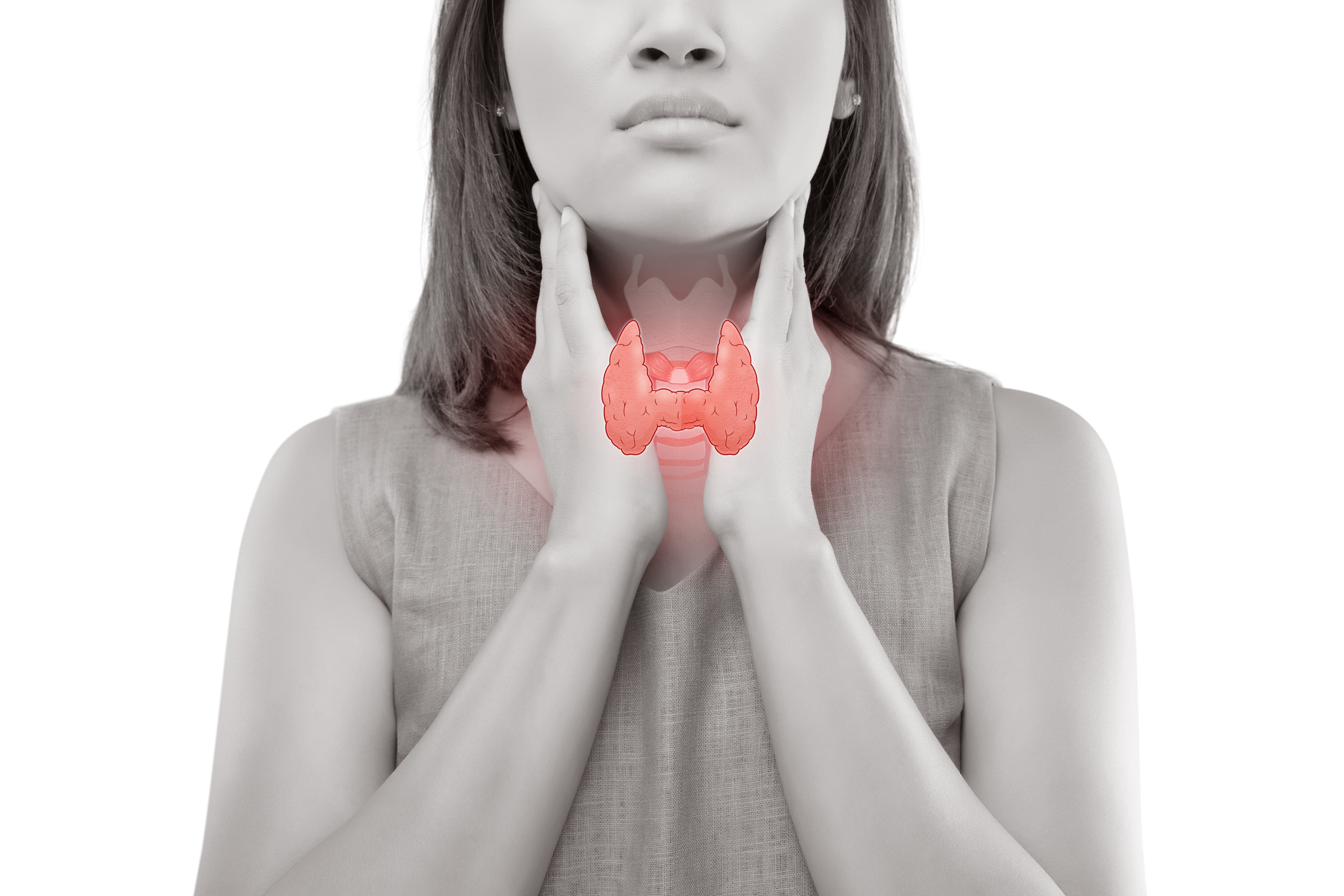
Hashimoto’s Disease

Hashimoto’s disease is a chronic autoimmune disorder that affects the thyroid gland. The immune system attacks the thyroid resulting in hypothyroidism.

Anyone can develop Hashimoto’s disease, but it is most common in middle-aged women.

Hashimoto’s disease progresses slowly over the years and you may not notice any signs or symptoms. The decline in thyroid hormone production can result in the following symptoms:

  • Fatigue and sluggishness
  • Increased sensitivity to cold
  • Increased sleepiness
  • Dry skin
  • Constipation
  • Muscle weakness
  • Muscle aches, tenderness, and stiffness
  • Joint pain and stiffness
  • Irregular or excessive menstrual bleeding
  • Depression
  • Problems with memory or concentration
  • Swelling of the thyroid
  • Puffy eyes and face
  • Brittle nails
  • Hair loss, dry, brittle hair, and slow hair growth
  • Enlargement of the tongue

The causes of Hashimoto’s disease are unclear, but the onset of the disease may be related to:

  • Genetic factors
  • Environmental triggers, such as infection, stress, or radiation exposure
  • Interactions between environmental and genetic factors

Many factors are associated with an increased risk of Hashimoto’s disease, including:

  • Sex
  • Age
  • Other autoimmune diseases
  • Genetics and family history
  • Pregnancy
  • Excessive iodine intake

Several conditions may lead to the signs and symptoms of Hashimoto’s disease. If you are experiencing any of these symptoms, your healthcare provider will conduct a thorough physical exam, review your medical history, and ask questions about your symptoms. After this assessment, they will order blood tests to confirm the diagnosis, including:

  • Thyroid-stimulating hormone test
  • Free T4 test
  • Anti-thyroid antibody test

In some cases, your healthcare provider may recommend a thyroid ultrasound to check the size of your thyroid and ensure no nodules are present.

Most people with Hashimoto’s disease take medication to treat hypothyroidism. If you have mild hypothyroidism, you may not receive treatment but will get regular TSH tests to monitor thyroid hormone levels.

If you’re experiencing symptoms of any thyroid disease, you can receive treatment from an endocrinologist at Flushing Hospital Medical Center’s Ambulatory Care Center. To schedule an appointment, please call (718) 670-5486.

All content of this newsletter is intended for general information purposes only and is not intended or implied to be a substitute for professional medical advice, diagnosis or treatment. Please consult a medical professional before adopting any of the suggestions on this page. You must never disregard professional medical advice or delay seeking medical treatment based upon any content of this newsletter. PROMPTLY CONSULT YOUR PHYSICIAN OR CALL 911 IF YOU BELIEVE YOU HAVE A MEDICAL EMERGENCY.

Thyroid Awareness Month

Your thyroid plays an important role in regulating your bodily functions, including those of the circulatory, nervous, digestive, and reproductive systems through the release of hormones into the bloodstream. When the thyroid experiences problems, it can disrupt these functions and negatively affect your entire body.

Thyroid disease in general is fairly common, with approximately 20 million people throughout the United States experiencing it in some form. It is more common in women than men across the board, but regardless of your gender, you may be more likely to develop thyroid disease if you already suffer from a chronic condition, take medication that is high in iodine, have previously been treated for a thyroid condition, are over the age of 60, or if it runs in your family.

Thyroid disease comes in a variety of forms; some of the most common types include hyperthyroidism, hypothyroidism, and thyroid cancer.

Hyperthyroidism: This condition, also known as overactive thyroid, occurs when your thyroid gland produces an excessive supply of hormones, leading to symptoms such as fatigue, a rapid or irregular heartbeat, mood swings, weight loss, and goiter, which causes your thyroid gland to become swollen.

Hypothyroidism: This form of thyroid disease occurs when your thyroid gland produces an insufficient amount of hormones to meet the demands of your bodily functions. It can cause fatigue, depression, dry skin and hair, a slowed heart rate, and fertility problems in women. Like hyperthyroidism, this condition can also cause goiter.

Thyroid cancer: This form of cancer typically occurs in people between the ages of 25 and 65 and is most common in people of Asian descent. Symptoms include a lump and swelling in the neck, pain in the front of the neck, difficulty swallowing and breathing, and a constant cough. While lumps in the thyroid are usually benign, you should see a doctor immediately if you notice one.

If you’re suffering from symptoms of a thyroid problem, you can schedule an appointment with an endocrinologist at Flushing Hospital Medical Center’s Ambulatory Care Center now by calling (718) 670-5486.

All content of this newsletter is intended for general information purposes only and is not intended or implied to be a substitute for professional medical advice, diagnosis or treatment. Please consult a medical professional before adopting any of the suggestions on this page. You must never disregard professional medical advice or delay seeking medical treatment based upon any content of this newsletter. PROMPTLY CONSULT YOUR PHYSICIAN OR CALL 911 IF YOU BELIEVE YOU HAVE A MEDICAL EMERGENCY.

January is Thyroid Awareness Month

The thyroid gland serves many functions. It regulates our rate of metabolism, growth and development, and our body temperature. So when it isn’t working properly it can have a major impact on our health.

ThinkstockPhotos-505568323According to the American Association of Clinical Endocrinologists (AACE), thyroid disease is a more common disorder than diabetes or heart disease. It affects as many as 30 million Americans, more than half of whom remain undiagnosed. To raise awareness about the thyroid gland and symptoms of thyroid disease, January has been designated Thyroid Awareness Month.

The thyroid is a small, butterfly-shaped gland located in the base of the neck.. Although small in size, the gland plays a large role by producing thyroid hormone which influences the function of many of the body’s most important organs, including the heart, brain, liver, kidneys and skin. When the thyroid gland is not producing the right amount of hormone (either too much or too little), problems can start to arise.

Hypothyroidism occurs when the thyroid does not produce enough hormones. This can result in a range of symptoms that include unexplained fatigue, weight gain, depression, forgetfulness, feeling cold, hair loss, or low sex drive. Hyperthyroidism, on the other hand, is a condition when the body produces an abundance of thyroid hormones. Symptoms of hyperthyroidism include rapid heart rate, heat intolerance and unexplained weight loss and anxiety. For both hypothyroidism and hyperthyroidism, medication can be prescribed to regulate hormone levels.

A more serious concern involving the thyroid gland is thyroid cancer, which can develop independent of the above thyroid disease. According to the AACE, about 60,000 cases of thyroid cancer are diagnosed annually in the U.S. In most cases, thyroid cancer has a good prognosis and high survival rates—especially when diagnosed in its early stages.

Through attention raised by Thyroid Awareness Month, more and more primary care physicians are screening for thyroid disease, which has greatly helped those who would have otherwise had their condition go undiagnosed.

Flushing Hospital is proud to help raise awareness for thyroid disease and encourages everyone experiencing symptoms to ask their doctor to do an evaluation. If you do not have a doctor, call Flushing Hospital’s Ambulatory Care Center to make an appointment at 718-670-5486.

All content of this newsletter is intended for general information purposes only and is not intended or implied to be a substitute for professional medical advice, diagnosis or treatment. Please consult a medical professional before adopting any of the suggestions on this page. You must never disregard professional medical advice or delay seeking medical treatment based upon any content of this newsletter. PROMPTLY CONSULT YOUR PHYSICIAN OR CALL 911 IF YOU BELIEVE YOU HAVE A MEDICAL EMERGENCY.

Fatty Liver Disease

Liver conditions are usually attributed to the excessive consumption of alcohol, viruses or morbid obesity.  However, there is a condition that affects the liver that is caused by none of the aforementioned risk factors.  It is nonalcoholic fatty liver disease (NAFLD).

NAFLD is diagnosed when the patient has too much fat stored in their liver cells.  Typically, NAFLD causes no noticeable signs or symptoms other than, in some cases, fatigue, pain or tenderness in the upper right portion of the abdomen.

People at risk for NAFLD include those with:

  • High cholesterol
  • High levels of triglycerides in the blood
  • Metabolic syndrome
  • Obesity when it is concentrated in the abdomen
  • Polycystic ovary syndrome
  • Sleep apnea
  • Type 2 diabetes
  • Hypothyroidism (underactive thyroid)
  • Hypopituitarism (underactive pituitary gland)

If you have NAFLD, you are at greater risk of developing a more serious condition called nonalcoholic steatohepatitis (NASH).

NASH is a more aggressive form of fatty liver disease that may progress into cirrhosis (scaring of the liver) and ultimately liver failure.

The signs and symptoms of NASH are:

  • Abdominal swelling
  • Enlarged blood vessels beneath the skin’s surface
  • Enlarged spleen
  • Red palms
  • Jaundice (yellowing of the skin and eyes)

Although experts do not know exactly what causes NFLD and NASH, for some  it is believed the combination of the health issues listed above may cause excess fat to become toxic to the cells in the liver.  The risk factors cause the liver to inflame and develop scar tissue or cirrhosis.  The treatment for this condition varies.

The best way to reduce your risk of NAFLD is to implement a healthy plant based diet that includes fruits, vegetables, whole grains and healthy fats, maintain a healthy weight and, after conferring with your physician, choose an exercise plan that is right for you.

If you are experiencing the signs and symptoms of NAFLD or NASH and the symptoms persist, it is important you seek the advice of a doctor.  If you would like to make an appointment at the , call CTA

All content of this newsletter is intended for general information purposes only and is not intended or implied to be a substitute for professional medical advice, diagnosis or treatment. Please consult a medical professional before adopting any of the suggestions on this page. You must never disregard professional medical advice or delay seeking medical treatment based upon any content of this newsletter. PROMPTLY CONSULT YOUR PHYSICIAN OR CALL 911 IF YOU BELIEVE YOU HAVE A MEDICAL EMERGENCY.

How Do You Know if Your Child has a Growth Disorder?

When is a lack of growth a cause for concern? All children grow at different rates. The same boy that is the smallest in his class in elementary school might be the tallest at his high school graduation. In most cases lack of height can be attributed to genetic factors or in other instances it could just be that the child is a “late bloomer.”

After years of collecting statistics on childhood development experts have developed a standard growth chart. Pediatricians use this chart as a guideline to monitor the growth of their patients against other children of the same age during a child’s annual well visit.  Children are ranked by percentile (from 1 to 100). If a child is ranked either below the 3rd or above the 97th, a doctor will usually want to investigate potential reasons as to why.

While in most cases there is no need for concern, for some children, a lack of growth could be caused by a growth disorder. The most common reason for a growth disorder is related to the pituitary gland, which is located at the base of the brain. One of the main functions of this gland is to release growth hormones to your body. When the pituitary gland doesn’t make enough growth hormone,  it causes a condition known hypopituitarism, which can slow down a  child’s rate of growth. Special tests can determine if a child isn’t producing enough growth hormone. If not, daily injections of growth hormone can often help them grow at a more conventional rate.

Another gland that produces hormones important for growth is the thyroid. Your thyroid makes a hormone called thyroxine. If it makes too little, the condition is called hypothyroidism. Having too little thyroxine cause a child to grow more slowly. Doctors can do a simple blood test for hypothyroidism. If it’s needed, pills can be prescribed to compensate for the lack of this hormone.

Thankfully, many growth disorders can be successfully treated today. The best advice is to make sure your child sees their pediatrician for their annual visit so any issue can be immediately identified. If you do not have a pediatrician, you can make an appointment to see one in Flushing Hospital’s Ambulatory Care Center.

For more information, or to make an appointment, please call 718-670-3007.

All content of this newsletter is intended for general information purposes only and is not intended or implied to be a substitute for professional medical advice, diagnosis or treatment. Please consult a medical professional before adopting any of the suggestions on this page. You must never disregard professional medical advice or delay seeking medical treatment based upon any content of this newsletter. PROMPTLY CONSULT YOUR PHYSICIAN OR CALL 911 IF YOU BELIEVE YOU HAVE A MEDICAL EMERGENCY.

Flushing Hospital Recognizes Thyroid Awareness Month

The thyroid gland serves many functions. It regulates our rate of metabolism, growth and development, and our body temperature. So when it isn’t working properly it can have a major impact on our health.

Thyroid level conceptual meter indicate maximum, isolated on white backgroundAccording to the American Association of Clinical Endocrinologists (AACE), thyroid disease is a more common disorder than diabetes or heart disease. It affects as many as 30 million Americans, more than half of whom remain undiagnosed. To raise awareness about the thyroid gland and symptoms of thyroid disease, January has been designated Thyroid Awareness Month.

The thyroid is a small, butterfly-shaped gland located in the base of the neck.. Although small in size, the gland plays a large role by producing thyroid hormone which influences the function of many of the body’s most important organs, including the heart, brain, liver, kidneys and skin. When the thyroid gland is not producing the right amount of hormone (either too much or too little), problems can start to arise.

Hypothyroidism occurs when the thyroid does not produce enough hormones. This can result in a range of symptoms that include unexplained fatigue, weight gain, depression, forgetfulness, feeling cold, hair loss, or low sex drive. Hyperthyroidism, on the other hand, is a condition when the body produces an abundance of thyroid hormones. Symptoms of hyperthyroidism include rapid heart rate, heat intolerance and unexplained weight loss and anxiety. For both hypothyroidism and hyperthyroidism, medication can be prescribed to regulate hormone levels.

A more serious concern involving the thyroid gland is thyroid cancer, which can develop independent of the above thyroid disease. According to the AACE, about 60,000 cases of thyroid cancer are diagnosed annually in the U.S. In most cases, thyroid cancer has a good prognosis and high survival rates—especially when diagnosed in its early stages.
Through attention raised by Thyroid Awareness Month, more and more primary care physicians are screening for thyroid disease, which has greatly helped those who would have otherwise had their condition go undiagnosed.

Jamaica Hospital is proud to help raise awareness for thyroid disease and encourages everyone experiencing symptoms to ask their doctor to do an evaluation. If you do not have a doctor, call Flushing Hospital’s Ambulatory Care Center to make an appointment at 718-670-5486.

All content of this newsletter is intended for general information purposes only and is not intended or implied to be a substitute for professional medical advice, diagnosis or treatment. Please consult a medical professional before adopting any of the suggestions on this page. You must never disregard professional medical advice or delay seeking medical treatment based upon any content of this newsletter. PROMPTLY CONSULT YOUR PHYSICIAN OR CALL 911 IF YOU BELIEVE YOU HAVE A MEDICAL EMERGENCY.