How Does Obesity Effect Your Circulation?

New York now has the 12th lowest adult obesity rate in the nation, according to The State of Obesity: Better Policies for a Healthier America. New York’s adult obesity rate is currently 27.0 percent. Although the percentages are slightly decreasing, obesity can be the cause of life-threatening health issues for many. The most common health-related issues caused by obesity are hypertension, diabetes and heart disease but, obesity can also lead to poor circulation which can cause blood clots.

The most common symptoms of poor circulation include: tingling, numbness, throbbing or stinging pain in limbs and muscle cramps. Your body’s circulation system is responsible for sending blood, oxygen, and nutrients throughout your body. When blood flow to a specific part of your body is reduced, you may experience the symptoms of poor circulation. As a result of poor circulation blood clots will form in your body. Poor circulation is most common in your extremities, such as your legs and arms.

Blood clots can develop for a variety of reasons, and they can be dangerous. If a blood clot in your leg breaks away, it can pass through other parts of your body, including your heart or lungs. When this happens, the results may be serious, even deadly. If discovered early, a blood clot can often be treated successfully.

Discuss symptoms of poor circulation with your doctor. If you’re experiencing uncomfortable symptoms, they may be the sign of an underlying health condition. Other untreated conditions can lead to serious complications. Your doctor will work to determine the cause of your poor circulation and treat the underlying issue.

The journey to improved health begins with an improved diet. Here at Jamaica Hospital, the Nutrition Department offers outpatient services at our Ambulatory Care Center as well as many of our MediSys Family Care Centers, located throughout the communities we serve. To make an appointment, please call 718-206-7001.


All content of this newsletter is intended for general information purposes only and is not intended or implied to be a substitute for professional medical advice, diagnosis or treatment. Please consult a medical professional before adopting any of the suggestions on this page. You must never disregard professional medical advice or delay seeking medical treatment based upon any content of this newsletter. PROMPTLY CONSULT YOUR PHYSICIAN OR CALL 911 IF YOU BELIEVE YOU HAVE A MEDICAL EMERGENCY.
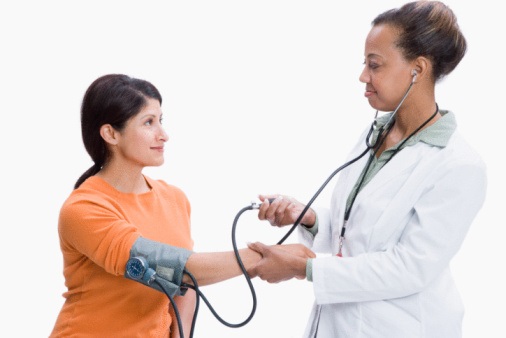
Are post-menopausal women at risk for developing hypertension?

hypertension-87650188Women expect their bodies to undergo several changes during menopause but it is also important for them to know about one of the major changes they may encounter post -menopause. This is a change in their cardiovascular health.  As the production of the hormone estrogen decreases, their risk for developing diseases such as hypertension can increase.

Estrogen plays a vital role in maintaining cardiovascular health. It helps with keeping blood vessels dilated, reducing sensitivity to sodium, producing collagen which keeps the walls of blood vessels flexible and reducing levels of endothelin (peptides that constrict blood vessels)- all of which are essential factors in normalizing blood pressure.

A declination in estrogen levels during menopause can also contribute to weight gain.  Being overweight or obese increases the probability of developing hypertension.

There are preventative measures post-menopausal women can take to reduce their risk of getting hypertension. Living a healthy lifestyle, which includes exercising regularly and eating a balanced has been effective in controlling and lowering blood pressure in most women.

All content of this newsletter is intended for general information purposes only and is not intended or implied to be a substitute for professional medical advice, diagnosis or treatment. Please consult a medical professional before adopting any of the suggestions on this page. You must never disregard professional medical advice or delay seeking medical treatment based upon any content of this newsletter. PROMPTLY CONSULT YOUR PHYSICIAN OR CALL 911 IF YOU BELIEVE YOU HAVE A MEDICAL EMERGENCY.

What is White Coat Hypertension?

WhiteCoatDoes the thought of having a physician take your blood pressure make you nervous? Anxiety over going to the doctor’s office can lead to an elevation in your blood pressure; a condition known as “white coat hypertension.”

White coat hypertension is a real condition that occurs when blood pressure readings at your doctor’s office are higher than they are in other settings, such as your home. The term white coat refers to the traditional white lab coat health care professionals wear in clinical settings.

The underlying cause of white coat hypertension is believed to be tension and stress associated with being examined by a physician. Not much attention was given to this condition since the blood pressure of patients returned to normal levels when taken in the home environment, where they feel more relaxed. Recent studies however have proven that people with white coat hypertension are twice as likely to develop true hypertension within a decade, compared to people with normal blood pressure levels.

How do you know if you have white coat hypertension and what should you do if you have it? The first step is for your doctor to have you monitor your blood pressure at home to see if it returns to normal levels. If it does, together, you and your doctor can decide whether to treat it or not. On one hand, if your blood pressure is normal during the rest of the day, taking blood pressure medications can lead to hypotension (low blood pressure). On the other hand, people with white coat hypertension might have elevated blood pressure during other stressful parts of the day. Many factors, such as age, family history, and the existence of other conditions will help the doctor make the right decision for you.

There are things that you can do to reduce your anxiety and stress before having your blood pressure checked by a health care professional. First, avoid drinking excessive amounts of water before checking your blood pressure because water can increase your reading. Also, do not participate in any physical activity before having your blood pressure taken. Excessive physical exertion will raise blood pressure. Lastly, avoid stressful situations and remain calm leading up to and during your visit to the doctor’s office.

If you think you have hypertension, make an appointment with your doctor immediately. If you do not have a primary care physician, call Flushing Hospital Medical Center’s Ambulatory Care Center at 178-670-5486 to schedule an appointment.

Join us on Facebook.com/FlushingHospital or follow us on Twitter @FHMC_NYC for more tips on fitness and health.


All content of this newsletter is intended for general information purposes only and is not intended or implied to be a substitute for professional medical advice, diagnosis or treatment. Please consult a medical professional before adopting any of the suggestions on this page. You must never disregard professional medical advice or delay seeking medical treatment based upon any content of this newsletter. PROMPTLY CONSULT YOUR PHYSICIAN OR CALL 911 IF YOU BELIEVE YOU HAVE A MEDICAL EMERGENCY.
Can Hypertension Lead to Dental Problems?

Managing your high blood pressure with the appropriate medications is very important for your overall health, but sometimes those medications can negatively affect your dental health.

Often, medications that are used to treat hypertension can have side effects in the oral environment. Some of these medications can reduce the amount of saliva you produce, causing xerostomia, or dry mouth. Without the proper amount of saliva, the mouth can become irritated and inflamed. Dry mouth can also increase the risk of developing infection, gum disease, and the development of plaque, and therefore cavities.

momandkiddental105662911

Gum swelling or gingival overgrowth is another possible side-effect of medications used to treat high blood pressure. Gingival overgrowth occurs when gum tissue becomes so swollen that it begins to grow over the teeth. Swollen gum tissue creates a favorable environment for bacteria because plaque can easily get trapped underneath the gums, making it hard to brush and maintain good oral hygiene.

It is import to inform your dentist about any health conditions you have, and the medications you are taking. Good oral hygiene and more frequent visits to the dentist can help lower your chances of developing complications.

Flushing Hospital Medical Center’s Dental Department provides preventive dentistry programs to school children, as well as adults and seniors. Oral cancer screening programs are also frequently performed at all our community health fairs. For more information or to schedule an appointment, please call 718-670-5521.

All content of this newsletter is intended for general information purposes only and is not intended or implied to be a substitute for professional medical advice, diagnosis or treatment. Please consult a medical professional before adopting any of the suggestions on this page. You must never disregard professional medical advice or delay seeking medical treatment based upon any content of this newsletter. PROMPTLY CONSULT YOUR PHYSICIAN OR CALL 911 IF YOU BELIEVE YOU HAVE A MEDICAL EMERGENCY.

What is White Coat Hypertension?

WhiteCoat-207x300Does the thought of having a physician take your blood pressure make you nervous? Anxiety over going to the doctor’s office can lead to an elevation in your blood pressure; a condition known as “white coat hypertension.”

White coat hypertension is a real condition that occurs when blood pressure readings at your doctor’s office are higher than they are in other settings, such as your home. The term white coat refers to the traditional white lab coat health care professionals wear in clinical settings.

The underlying cause of white coat hypertension is believed to be tension and stress associated with being examined by a physician. Not much attention was given to this condition since the blood pressure of patients returned to normal levels when taken in the home environment, where they feel more relaxed. Recent studies however have proven that people with white coat hypertension are twice as likely to develop true hypertension within a decade, compared to people with normal blood pressure levels.

How do you know if you have white coat hypertension and what should you do if you have it? The first step is for your doctor to have you monitor your blood pressure at home to see if it returns to normal levels. If it does, together, you and your doctor can decide whether to treat it or not. On one hand, if your blood pressure is normal during the rest of the day, taking blood pressure medications can lead to hypotension (low blood pressure). On the other hand, people with white coat hypertension might have elevated blood pressure during other stressful parts of the day. Many factors, such as age, family history, and the existence of other conditions will help the doctor make the right decision for you.

There are things that you can do to reduce your anxiety and stress before having your blood pressure checked by a health care professional. First, avoid drinking excessive amounts of water before checking your blood pressure because water can increase your reading. Also, do not participate in any physical activity before having your blood pressure taken. Excessive physical exertion will raise blood pressure. Lastly, avoid stressful situations and remain calm leading up to and during your visit to the doctor’s office.

If you think you have hypertension, make an appointment with your doctor immediately. If you do not have a primary care physician, call Flushing Hospital’s Ambulatory Care Center at 718-670-5486 to schedule an appointment.

All content of this newsletter is intended for general information purposes only and is not intended or implied to be a substitute for professional medical advice, diagnosis or treatment. Please consult a medical professional before adopting any of the suggestions on this page. You must never disregard professional medical advice or delay seeking medical treatment based upon any content of this newsletter. PROMPTLY CONSULT YOUR PHYSICIAN OR CALL 911 IF YOU BELIEVE YOU HAVE A MEDICAL EMERGENCY.