
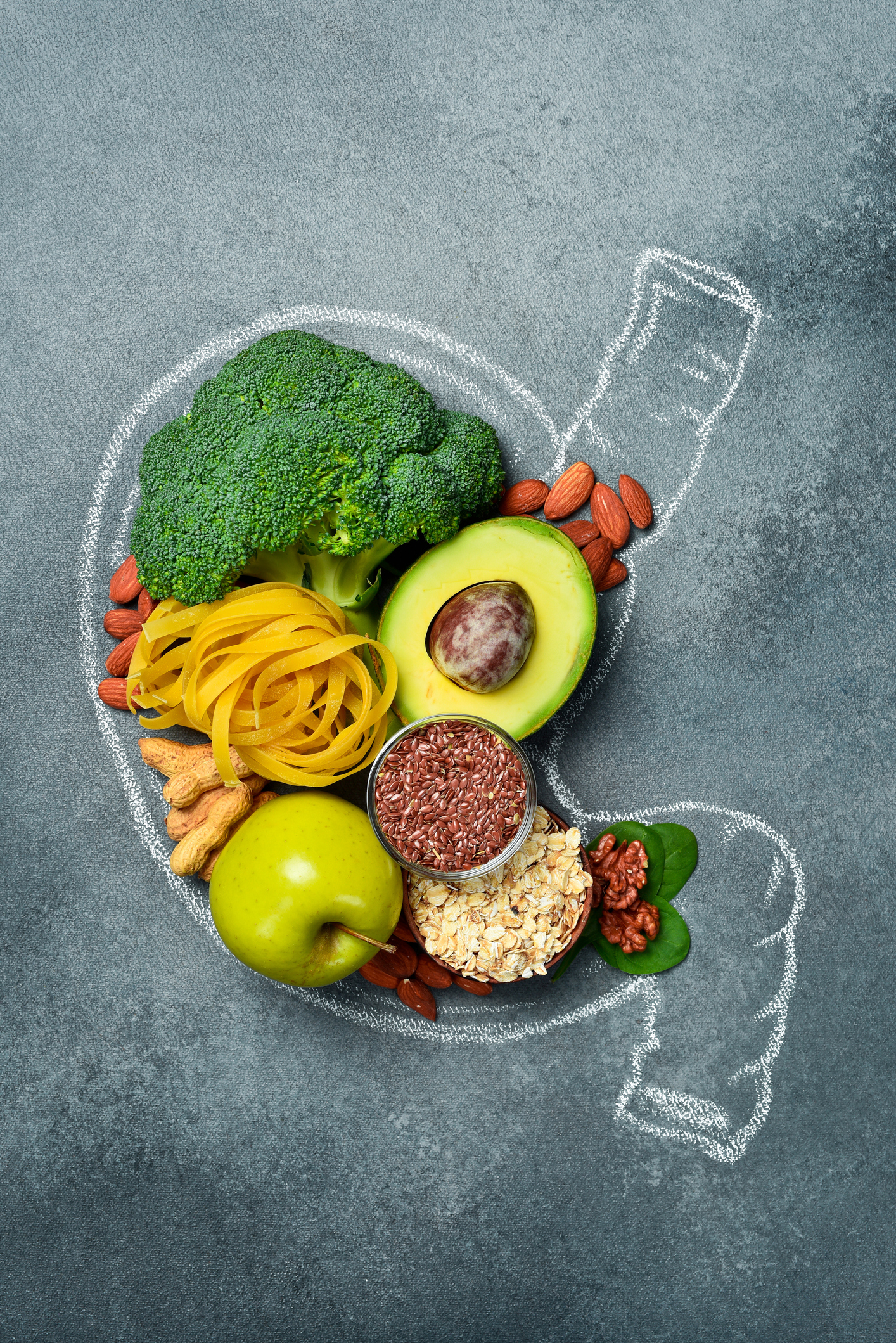
 The gallbladder is an organ that plays an essential role in digesting the foods we eat. Some foods we eat can be good for our gallbladder, while others can harm it. If you have gallstones or if your gallbladder is inflamed or infected due to gallbladder disease, you may need to follow a specific diet to protect your gallbladder.
If you are experiencing problems with your gallbladder, various foods can increase your risk of developing diseases, including:
- Saturated and trans fats increase the risk of gallstones
- Refined carbohydrates increase the likelihood of developing gallstones
- Ultra-processed foods increase the risk of gallbladder disease
- Sugar-sweetened beverages increase the risk of gallbladder cancer
If your diet consists of these foods, a healthcare provider may recommend following a diet to help improve the health of your gallbladder. A healthcare provider may suggest a diet that consists of:
- Fruits and vegetables that contain essential nutrients such as fiber, vitamins, minerals, and antioxidants may reduce the risk of gallstones
- Whole grains are a great source of dietary fiber that can help your digestive health and gallbladder, which may reduce the risk of gallstone disease
- Healthy fats may increase bile secretion and prevent gallbladder disease, benefiting gallbladder health
- Lean protein that is low in fat, such as poultry, fish, low-fat dairy, and especially plant-based protein, may lower the risk of gallbladder disease
Two types of gallbladder diets may help lower your risk of gallstone issues: the Mediterranean diet and the Dietary Approaches to Stop Hypertension (DASH) diet.
- Mediterranean diet- focuses on eating whole foods and healthy fats
- DASH diet- focuses on high-fiber, heart-healthy foods that are low in sodium, which lowers your risk of hypertension
A gallbladder diet may be difficult to adhere to at first. However, here are some meal-planning tips to follow to help:
- Controlling your portion sizes and the frequency of meals may protect against gallstones by helping empty the gallbladder and preventing bile build-up
- Adding specific foods to your diet can reduce your risk of and protect against gallbladder disease
- Maintaining a food diary to keep track of any symptoms you have and what you ate before the symptoms started, as it is important to know what foods may trigger symptoms.
- Planning meals and snacks can ensure you have the proper foods available when it is time to eat, instead of going too long between meals, which may increase the risk of gallstones
- Staying hydrated can help bile flow from your gallbladder to your small intestine, aiding in digestion
If you have been diagnosed with gallbladder disease and are considering surgery, robotic surgery could be an option. Robotic gallbladder surgery has many benefits, including:
- It is the best way to relieve gallbladder-related symptoms, such as belly pain, nausea, and vomiting.
- It lowers the risk of developing complications, such as infection or inflammation of nearby bile ducts or organs
- It prevents gallstones from returning, as well as any future gallstone attacks
There are many potential advantages of robotic-assisted surgery over other types of surgery, including:
- Robot-assisted surgery provides surgeons with 3D images of the abdomen and pelvis, creating a clearer picture to reference during the operation
- Under the surgeon’s direction, the robot can move more freely and with more versatility than a human hand
- You’ll have a few tiny scars
- You’re more likely to experience less pain and less bleeding after surgery compared to open surgery
- A shorter hospital stay
To learn more about our robotic surgical procedures or schedule an appointment, contact Flushing Hospital Medical Center at (718) 670-5000.
All content of this newsletter is intended for general information purposes only and is not intended or implied to be a substitute for professional medical advice, diagnosis or treatment. Please consult a medical professional before adopting any of the suggestions on this page. You must never disregard professional medical advice or delay seeking medical treatment based upon any content of this newsletter. PROMPTLY CONSULT YOUR PHYSICIAN OR CALL 911 IF YOU BELIEVE YOU HAVE A MEDICAL EMERGENCY.