National Drugs and Alcohol Facts Week

National Drug and Alcohol Facts Week takes place March 16th- 22nd.

National Drug and Alcohol Facts Week’s goal is to dispel myths about drug and alcohol use and to inform teens about the impact and risk of substance abuse as well as addiction.

According to research from the Centers for Disease Control and Prevention (CDC), two-thirds of U.S. students have tried alcohol by the 12th grade.

The average age at which children typically experiment with alcohol and drugs is 13 years old.

There are five signs of drug abuse among teens. They include:

Psychological changes such as trouble concentrating, memory issues, and random laughter

Changes in behavior, including bad grades, lack of respect for others, and poor eye contact

Suspicious behavior such as hiding drug paraphernalia, missing cash, or valuables

Health issues, including appetite changes, shakiness, excessive headaches, or frequent illness

Poor personal appearance, such as bad hygiene or bloodshot eyes

There is a lot of misinformation around drugs and alcohol. Many myths have been created and spread through our culture, especially among young people. Here are some myths about drugs and alcohol that have been debunked:

Myth #1- Marijuana addiction isn’t real

Although it is impossible to overdose on marijuana, habitual cannabis use can change the way the body works, create a tolerance, and cause withdrawal symptoms after stopping

Myth #2- It is okay to quit drinking alcohol and start smoking marijuana instead

Switching from one addictive behavior to another is common; however, it creates other addictive cycles

Myth #3- Prescription drugs can’t be addictive if prescribed by my doctor

Even doctor-prescribed drugs can have a tolerance built against them, which eventually causes an addiction. Especially painkillers such as opiates or benzodiazepines

Here are more facts about drugs, alcohol, and addiction:

  • Alcohol is the most abused substance in the U.S., and the third most common cause of death
  • Alcohol and drugs are involved in approximately 50% of deaths by suicide and are the cause of death of more than 50% of all violent crimes
  • 80% of all domestic violence abuse reports show a relationship to alcohol or drugs

Although National Drug and Alcohol Facts Week is geared toward young people, people of any age are encouraged to participate and educate themselves so that they can make educated choices related to drugs and alcohol.

To learn more about our mental health services or to schedule a virtual appointment, call (718) 670-5316 to speak with our intake coordinator or (718) 670-5562 to reach the clinic.


All content of this newsletter is intended for general information purposes only and is not intended or implied to be a substitute for professional medical advice, diagnosis or treatment. Please consult a medical professional before adopting any of the suggestions on this page. You must never disregard professional medical advice or delay seeking medical treatment based upon any content of this newsletter. PROMPTLY CONSULT YOUR PHYSICIAN OR CALL 911 IF YOU BELIEVE YOU HAVE A MEDICAL EMERGENCY.
Learn The Facts About Kleptomania

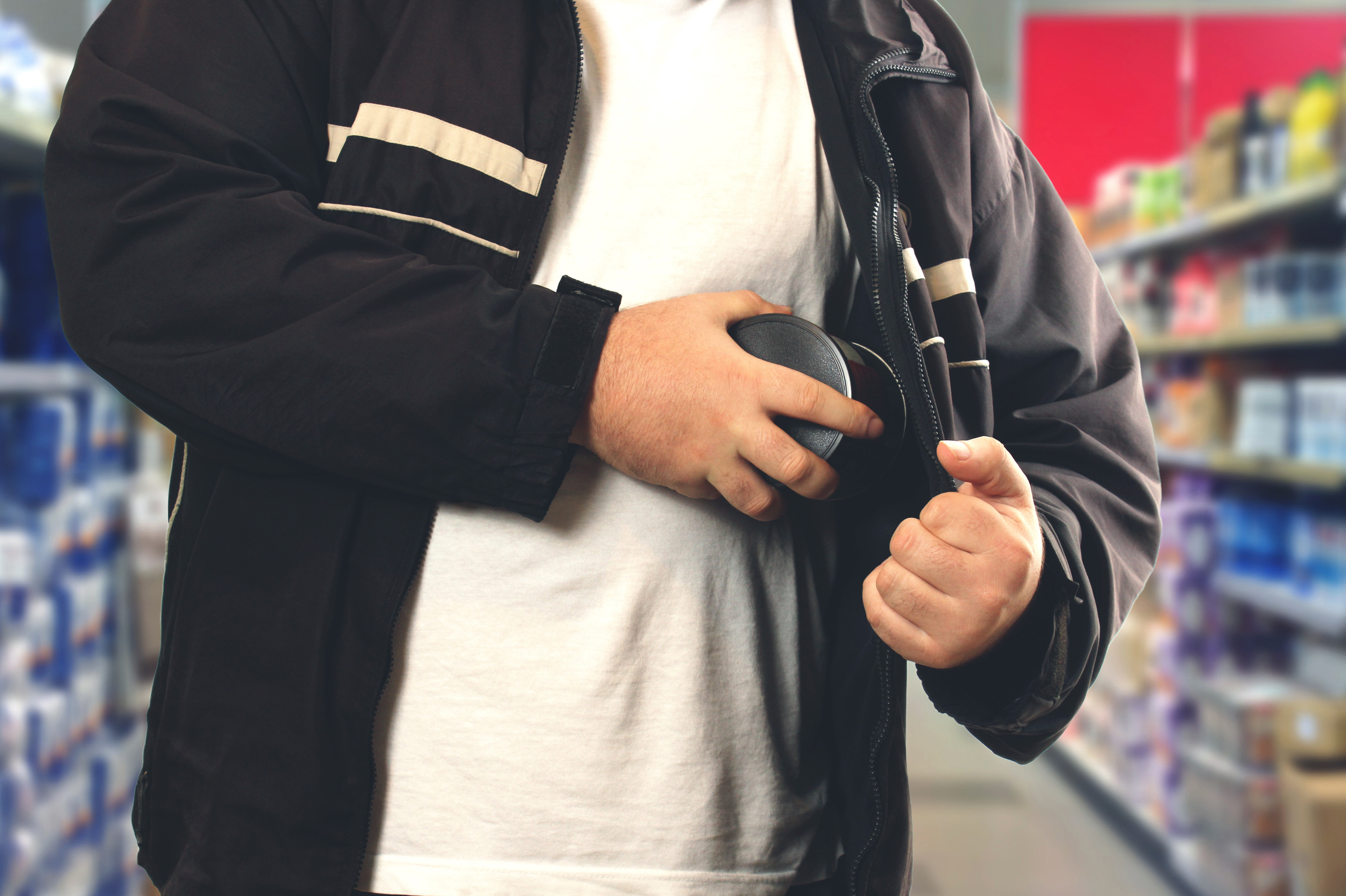
Kleptomania is a rare but serious mental health disorder characterized by the recurrent inability to resist urges to steal items. If left untreated, kleptomania can result in severe emotional, family, work, legal and financial problems.

Kleptomania is a type of impulse control disorder. Those with impulse control disorders have difficulty resisting the temptation to perform an act that is excessive or harmful to themselves or others. In fact, unlike typical shoplifters, people with kleptomania don’t compulsively steal for personal gain. They steal simply because the urge is so powerful that they cannot resist it.

In addition to the inability to resist the urge to steal, those with kleptomania may also exhibit the following symptoms:

  • Feeling of increased tension, anxiety or arousal leading up to the theft
  • Feeling pleasure, relief or gratification while stealing
  • Feeling terrible guilt, remorse, self-loathing, shame or fear of arrest after the theft
  • Return of the urges and a repetition of the cycle

Episodes of kleptomania generally occur spontaneously, usually without planning and without help or collaboration from another person. Most people with kleptomania steal from public places, such as stores and supermarkets. Often, the stolen items have no value to the person with kleptomania and the person can afford to buy them. Urges to steal may come and go or may occur with greater or lesser intensity over the course of time.

While the cause of kleptomania is not known, there are several theories suggest that changes in the brain may be at the root of kleptomania, including:

  • Low serotonin levels.Serotonin is a naturally occurring brain chemical that helps regulate moods and emotions. Low levels of serotonin are common in people prone to impulsive behaviors.
  • Addictive disorders.Stealing may cause the release of dopamine (another neurotransmitter). Dopamine causes pleasurable feelings, and some people seek this rewarding feeling again and again.
  • The brain’s opioid system.Urges are regulated by the brain’s opioid system. An imbalance in this system could make it harder to resist urges.

Treatments are available that may help to minimize the urge kleptomaniacs have to steal and live without addiction and shame.  This typically involves medications and psychotherapy, or both, sometimes along with self-help groups. However, there is no standard kleptomania treatment, and researchers are still trying to understand what may work best.

If you or someone you love is experiencing symptoms consistent with kleptomania, xx Hospital’s Department of Mental Health and Addiction Services can help. To make an appointment please call 718-670-5562.


All content of this newsletter is intended for general information purposes only and is not intended or implied to be a substitute for professional medical advice, diagnosis or treatment. Please consult a medical professional before adopting any of the suggestions on this page. You must never disregard professional medical advice or delay seeking medical treatment based upon any content of this newsletter. PROMPTLY CONSULT YOUR PHYSICIAN OR CALL 911 IF YOU BELIEVE YOU HAVE A MEDICAL EMERGENCY.

Flushing Hospital Offers Information About Opioid Overdose Kit

Earlier this month, United States Surgeon General, Dr. Jerome Adams issued a national advisory encouraging more Americans to have access to, and carry the opioid overdose reversing drug Naloxone, which can save the life of someone overdosing on opioids.

This is the first Surgeon General advisory issued in more than a decade, which exemplifies how serious the opioid crisis is in the United States.  America’s top doctor stated that “the situation is all around us.” adding “knowing how to use Naloxone and keeping it within reach can save a life.”

The opioid epidemic has killed over 250,000 people over the past decade and the problem is growing. In fact, the number of Americans who died from an overdose has doubled from 21,000 in 2010 to over 42,000 in 2016. It is estimated that we lose 115 people in the United States every day to an opioid overdose, or one person every 12 ½ minutes.

The rise in opioid overdoses is largely attributed to an increase in prescription medications, heroin, and most notably synthetic drugs, such as Fentanyl, which is 50 times more potent than heroin.

Naloxone, also known by the brand name Narcan, can be administered either as an injection or as a nasal mist, and is currently carried by emergency medical technicians and police officers, but because over three quarters of the opioid overdoses occur outside of a medical setting, it is important to empower civilians to help. Dr. Adams believes making naloxone more available in communities across the country is critical to reducing overdose death and research has shown that when Naloxone and overdose education is available to the public, overdoses decrease.

What should remain clear is that making Naloxone readily available to the public is not intended to serve as a long-term treatment option. According to Dr. Seeth Vivek, Chairman of Mental Health and Addiction Services at Jamaica Hospital Medical Center and Flushing Hospital Medical Center, “Critics need to understand that addiction is a chronic disease and they should look at this recommendation the same way they look at other life-saving measures, such as CPR training, the Heimlich maneuver, or access to an epi-pen to treat an allergic reaction.”  Administering Naloxone should be considered an emergency intervention to suspend the effects of an overdose, but it needs to be the bridge to long term services and support that can lead to a complete recovery.

Flushing Hospital offers both inpatient and outpatient addiction services programs. To learn more about our  Reflections outpatient program, please call 718-670-5078. To learn more about our inpatient Chemical Dependancy Unit, please call 718-670-5540.

All content of this newsletter is intended for general information purposes only and is not intended or implied to be a substitute for professional medical advice, diagnosis or treatment. Please consult a medical professional before adopting any of the suggestions on this page. You must never disregard professional medical advice or delay seeking medical treatment based upon any content of this newsletter. PROMPTLY CONSULT YOUR PHYSICIAN OR CALL 911 IF YOU BELIEVE YOU HAVE A MEDICAL EMERGENCY.