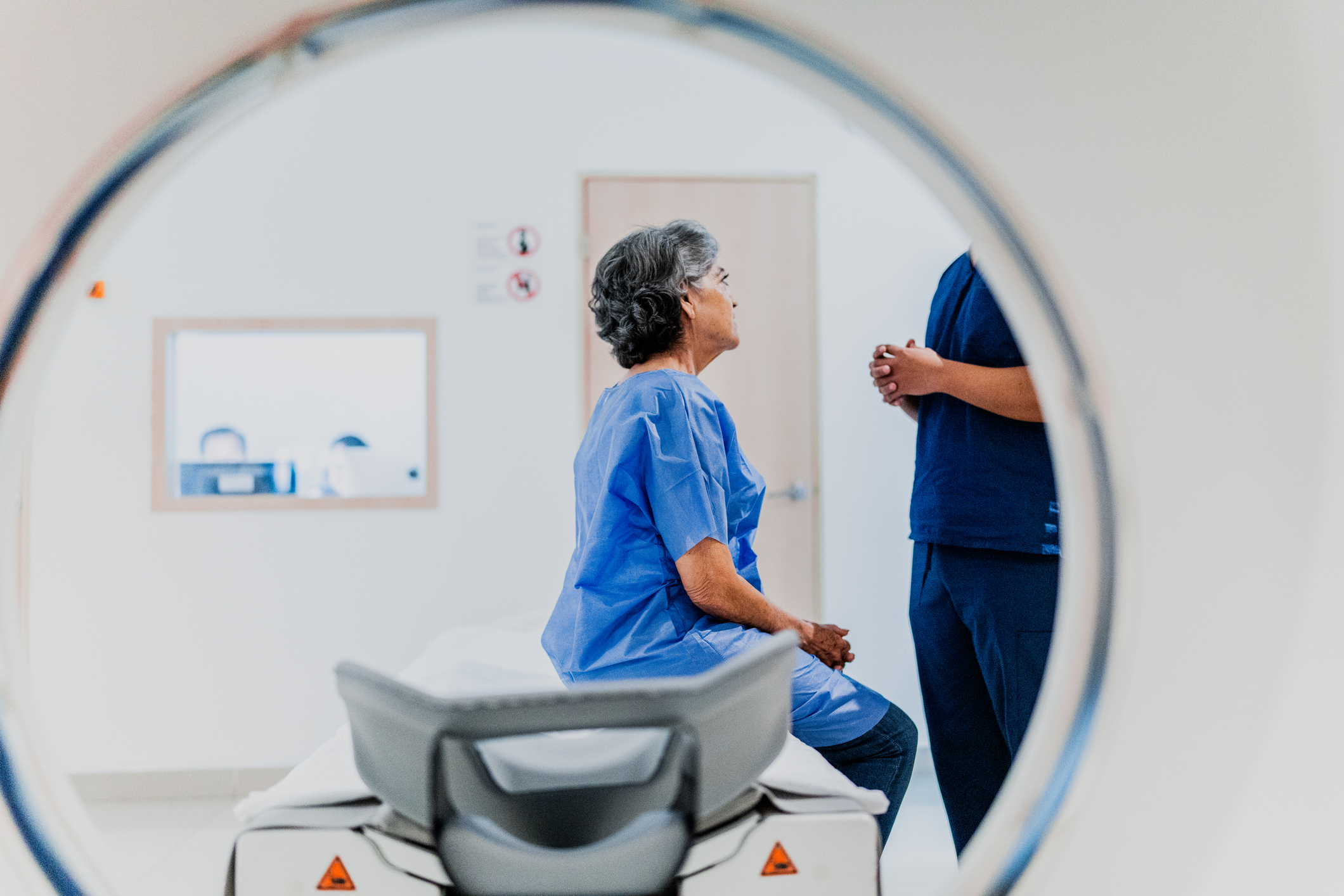
Diverticulitis

Diverticulitis is caused when the diverticula- irregular bulging pouches in the colon wall develop over time and become inflamed, tear, swell, and become infected. Diverticula can form due to spasms or straining.

Pain in the lower abdomen is a common symptom of diverticulitis. Other symptoms include:

  • Nausea and vomiting
  • Fever
  • Tenderness in the abdomen when touched
  • Changes in stool which include constipation or diarrhea
  • Rectal bleeding
  • A distended abdomen

Diverticulitis is more common in people over 50. Other factors that put you at risk of diverticulitis include:

  • Obesity
  • Smoking
  • A low-fiber diet
  • A high-red meat diet
  • Heavy alcohol use
  • Lack of exercise.
  • Low vitamin D levels
  • Certain medicines such as steroids, opioids, and nonsteroidal anti-inflammatory drugs like ibuprofen and naproxen sodium.

Many conditions can cause pain and other symptoms related to diverticulitis. A healthcare provider will perform a physical exam where they gently touch different parts of the abdomen to learn where the pain and tenderness are.

They may also order laboratory tests to determine what is causing your symptoms and use them to rule out other conditions and make a diagnosis. These tests include:

  • Blood tests for signs of infection and immune system activity.
  • Urine test
  • Stool test
  • Pregnancy test
  • Liver enzyme test to rule out liver disease.

A CT scan can show inflamed diverticula, abscesses, fistulas, or other complications.

There are many ways to help prevent diverticulitis including:

  • Exercising regularly.
  • Eating a high-fiber diet.
  • Maintaining a healthy weight.
  • Drinking plenty of fluids.
  • Limiting alcohol use and quitting smoking.

Treatment for diverticulitis depends on the severity of the condition. Uncomplicated diverticulitis is when there are mild symptoms and no complications, and you can be treated at home. A healthcare provider will recommend a liquid diet and then a gradual increase to low-fiber solid foods. You may also be prescribed antibiotics.

Complicated diverticulitis is when the symptoms are serious and there are signs of complications. You will need to be in the hospital for treatment.

Surgery on the colon may be performed if complicated diverticulitis is diagnosed. Other reasons surgery may be needed include:

  • Complications include ruptures in the colon wall, fistulas, or other serious tissue damage.
  • There were multiple episodes of uncomplicated diverticulitis.
  • You have a weakened immune system.

Surgery is usually performed laparoscopically. Two procedures used for treating diverticulitis include:

  • The diseased section of the colon is removed. The remaining healthy tissues are connected to recreate a complete colon.
  • The healthy section and the diseased section are separated. The healthy section is directed to an opening in the abdomen wall. Waste is collected using a colostomy bag giving the diseased section time to heal. When it is healed, the two sections are reconnected, and the opening in the abdomen wall is closed.

If you are experiencing signs and symptoms of diverticulitis and would like to schedule an appointment with a physician at Flushing Hospital, please call 718-670-5486.

All content of this newsletter is intended for general information purposes only and is not intended or implied to be a substitute for professional medical advice, diagnosis or treatment. Please consult a medical professional before adopting any of the suggestions on this page. You must never disregard professional medical advice or delay seeking medical treatment based upon any content of this newsletter. PROMPTLY CONSULT YOUR PHYSICIAN OR CALL 911 IF YOU BELIEVE YOU HAVE A MEDICAL EMERGENCY.

Robot-Assisted Sacrocolpopexy for Pelvic Organ Prolapse

Pelvic organ prolapse is when one or more pelvic organs slip down into the vagina after the muscles and tissues that support them become weak or damaged.

There are many types of prolapse depending on what organs are involved. They include:

  • Uterine prolapse
  • Vaginal prolapse
  • Cystocele
  • Rectocele
  • Enterocele

There are many causes of pelvic organ prolapse. The most common causes include:

  • Vaginal childbirth.
  • Surgery on your pelvic organs.
  • Getting older.
  • Extreme physical activity or lifting heavy objects.
  • Increased abdominal pressure from straining during bowel movements or a chronic cough.
  • Genetics, like being born with weaker pelvic muscles.

There can be many symptoms of pelvic organ prolapse. The most common symptoms include:

  • Seeing a bulge or lump coming from the vagina.
  • Feeling like there is a ball stuck inside of the vagina.
  • A feeling of pressure or heaviness in the pelvis or lower back.
  • Leaking urine or problems with bowel movements.
  • Issues inserting tampons or pain during intercourse.

Surgeons can perform a sacrocolpopexy to help relieve these symptoms. A sacrocolpopexy can be done in two ways.

One way is with a thin telescope-like tube with a camera called a laparoscope put through incisions as the surgeon performs the surgery.

The other way, a robotic-assisted sacrocolpopexy, uses special tools like a surgical robot. This procedure uses similar steps but passes robotic controllers through small incisions as the surgeon guides them.

Robotic-assisted sacrocolpopexy has some benefits over other methods as it may lower the risk of complications for some people. Other benefits include:

  • A shorter hospital stay.
  • A faster recovery time.

Speak to your healthcare provider to learn which robotic surgery is best for you.

For more information about robotic surgery or procedures performed by our surgeons, please get in touch with Flushing Hospital’s Department of Surgery at 718-670-3135.

All content of this newsletter is intended for general information purposes only and is not intended or implied to be a substitute for professional medical advice, diagnosis or treatment. Please consult a medical professional before adopting any of the suggestions on this page. You must never disregard professional medical advice or delay seeking medical treatment based upon any content of this newsletter. PROMPTLY CONSULT YOUR PHYSICIAN OR CALL 911 IF YOU BELIEVE YOU HAVE A MEDICAL EMERGENCY.
Senior Summer Health Tips

Rising summer temperatures can be unbearable for everyone. They can be even worse for senior citizens because they can be severely affected by heat-related illnesses. Some heat-related illnesses include:

  • Heat exhaustion
  • Heatstroke
  • Heat syncope
  • Dehydration
  • Heat cramps
  • Heat edema
  • Heat rash
  • Sunburn

Older adults are at higher risk for heat-related illnesses and death. Factors that put older adults at greater risk include:

  • Health problems such as heart, lung, or kidney disease.
  • Skin changes that are caused by normal aging.
  • Any illness that causes weakness or results in a fever.
  • Drugs such as diuretics, sedatives, tranquilizers, and some heart and high blood pressure medications can make it harder for the body to cool itself off.
  • Being on several prescription drugs at the same time.
  • Being obese, overweight, or underweight.
  • Drinking alcoholic beverages.
  • Living in places without air conditioning or fans.
  • Dehydration.

Hot summer days can make it difficult for the body to regulate its temperature. Especially for older adults. Here are some tips to keep them safe and prevent heat-related illnesses:

  • Stay away from direct sun exposure as much as possible.
  • Spend as much time in air-conditioned spaces as possible.
  • Stay hydrated.
  • Wear loose and light-colored clothing and a wide-brimmed hat.
  • Take cool showers and baths.
  • Avoid exercising outdoors and other physical activity when it’s hot.
  • Wear broad-spectrum sunscreen that is SPF 15 or higher and reapply throughout the day.
  • Find out if certain medications can contribute to heat-related illnesses.

If you are experiencing any heat-related symptoms, you can schedule an appointment at Jamaica Hospital Medical Center’s Cardiology Department by calling (718) 206-7100. If you are experiencing an emergency, please dial 911 right away.


All content of this newsletter is intended for general information purposes only and is not intended or implied to be a substitute for professional medical advice, diagnosis or treatment. Please consult a medical professional before adopting any of the suggestions on this page. You must never disregard professional medical advice or delay seeking medical treatment based upon any content of this newsletter. PROMPTLY CONSULT YOUR PHYSICIAN OR CALL 911 IF YOU BELIEVE YOU HAVE A MEDICAL EMERGENCY.
Anaerobic Exercise

Anaerobic exercise is any short, fast high-intensity exercise that uses stored energy to supply working muscles instead of oxygen.

Some types of anaerobic exercises include:

  • High-intensity interval training (HIIT)
  • Heavy weightlifting
  • Sprinting
  • Plyometrics: jumping, hopping, skipping, jumping squats, and jumping lunges
  • Calisthenics: bodyweight exercises like push-ups, pull-ups, and dips

Anaerobic exercise benefits the cardiovascular system, muscles, and joints. These benefits include:

  • An increase in muscle strength and power.
  • An increase in fat loss and muscle mass.
  • An improvement in bone mineral density.
  • A decrease in joint stiffness.
  • Corrected muscle imbalances and improved posture.
  • An improvement in circulation and heart and lung function.
  • A decrease in high blood pressure.
  • A decrease in inflammation throughout the body.
  • An improvement in mood and energy.
  • A decreased risk of developing conditions like diabetes, heart disease, and stroke.
  • Lowered blood sugar, high cholesterol, and triglycerides.

Anaerobic exercise isn’t easy, it may be helpful to find a certified fitness trainer to help you create a program based on your medical history.

If you want to create a program on your own, here are some basic weightlifting tips to consider:

  • Warm up for at least five minutes.
  • Start with large muscle groups first.
  • Do one to three sets of eight to 15 reps.
  • Complete eight to 10 exercises following the proper technique.

Please note that when beginning or increasing the amount of anaerobic exercise, get cleared to do so by your healthcare provider. Start slowly and gradually increase your physical activity level over time.

If you experience medical problems while exercising, you can schedule an appointment with a doctor at Flushing Hospital Medical Center’s Ambulatory Care Center. To schedule an appointment, please call (718) 670-5486.

All content of this newsletter is intended for general information purposes only and is not intended or implied to be a substitute for professional medical advice, diagnosis or treatment. Please consult a medical professional before adopting any of the suggestions on this page. You must never disregard professional medical advice or delay seeking medical treatment based upon any content of this newsletter. PROMPTLY CONSULT YOUR PHYSICIAN OR CALL 911 IF YOU BELIEVE YOU HAVE A MEDICAL EMERGENCY.

Juvenile Arthritis Awareness Month

July is Juvenile Arthritis Awareness Month. Arthritis isn’t just an older person’s disease. Children can suffer from it as well.

Juvenile arthritis or pediatric rheumatic disease is an umbrella term that describes the inflammatory and rheumatic diseases that develop in children 16 years and under.

Juvenile idiopathic arthritis (JIA) is an autoimmune disease where the immune system attacks the joints instead of fighting viruses and germs. It is the most common type of arthritis in children.

Other types of juvenile arthritis include:

  1. Juvenile myositis- is an inflammatory disease that causes muscle weakness. There are two types:
  • Juvenile polymyositis
  • Juvenile dermatomyositis
  1. Juvenile lupus- is an autoimmune disease that affects the joints, skin, internal organs, and other areas. The most common form is systemic lupus erythematosus (SLE).
  2. Juvenile scleroderma- describes a group of conditions that cause the skin to tighten and harden.
  3. Vasculitis- is a disease that causes inflammation of the blood vessels that can lead to heart complications. According to the Arthritis Foundation, Kawasaki disease and Henoch-Schonlein purpura (HCP) are the most common vasculitis in kids and teens.
  4. Fibromyalgia- is a chronic pain syndrome that causes widespread muscle pain and stiffness. It also causes fatigue, disrupted sleep, and other symptoms. It is more common in girls and rarely diagnosed before puberty.

The symptoms of juvenile arthritis can vary depending on the type. The most common symptoms include:

  • Joint pain
  • Joint swelling
  • Joint stiffness
  • Fever, swollen lymph nodes, and rash

It can be difficult to diagnose juvenile arthritis in children because joint pain can be caused by many different problems. Here are some ways it is diagnosed:

  • Physical exams
  • Blood tests
  • Imaging scans

There is no cure for arthritis. However, it can be treated. Treatments include:

  • Medications
  • Physical or occupational therapies
  • Surgery
  • Self-care

If you believe your child is experiencing arthritis symptoms, visiting a pediatrician as soon as possible is important. You can schedule an appointment at Forest Hills Pediatric Specialists by calling (718) 704-5020

All content of this newsletter is intended for general information purposes only and is not intended or implied to be a substitute for professional medical advice, diagnosis or treatment. Please consult a medical professional before adopting any of the suggestions on this page. You must never disregard professional medical advice or delay seeking medical treatment based upon any content of this newsletter. PROMPTLY CONSULT YOUR PHYSICIAN OR CALL 911 IF YOU BELIEVE YOU HAVE A MEDICAL EMERGENCY.

Grilling Safety Tips

Let the summer cookouts begin!

We all enjoy delicious food fresh off the grill. Whether you’re using a charcoal or a gas grill, here are some tips to help you grill safely:

  • Grill in well-ventilated areas. Never use an outdoor grill indoors.
  • Open your gas grill before lighting to make sure gas doesn’t build up under the top.
  • Wear proper clothing.
    • Don’t wear any loose clothing.
    • Roll up your sleeves.
    • Pull your hair back.
    • Tie and secure apron strings.
  • Keep a fire extinguisher within reach.
  • Keep combustibles like lighter fluid and cooking sprays at a safe distance away from the grill.
    • Never add lighter fluid to hot coals.
    • Never use gasoline or kerosene as a starter fluid.
  • Create a safe zone around the grill.
    • Keep children, pets, and play areas away from the grill.
    • Mark a three-foot “No Kids Zone” around your grill.
  • Keep the grill at least 10 feet away from buildings.
  • Check the grill for leaks if you are using a gas grill.
  • Make sure the grill is on a flat and level surface.
  • Always clean the grill after use to remove grease that can start a fire.
  • Keep a spray bottle full of water next to the grill to extinguish any small flames before they spread.
  • Never leave the grill unattended.
  • Never use the grill while intoxicated.
  • Place used coals from the grill in a metal can with a lid once they have cooled off.

If you or someone you are with are experiencing an emergency, call 911 immediately.


All content of this newsletter is intended for general information purposes only and is not intended or implied to be a substitute for professional medical advice, diagnosis or treatment. Please consult a medical professional before adopting any of the suggestions on this page. You must never disregard professional medical advice or delay seeking medical treatment based upon any content of this newsletter. PROMPTLY CONSULT YOUR PHYSICIAN OR CALL 911 IF YOU BELIEVE YOU HAVE A MEDICAL EMERGENCY.

Signs Of A Broken Bone

A broken bone is one of the most common injuries to happen In children and adults.  A bone breaks when more pressure is applied to it than it can stand.

Broken bones or bone fractures are often caused by traumatic events such as a fall or a direct blow to the area. Medical conditions such as osteoporosis or certain cancers can also lead to fractures. These are known as pathologic fractures.

How can you tell if a bone is broken? Here are a  few telltale signs and symptoms:

  • Intense pain
  • Tenderness
  • Bleeding
  • Swelling
  • Bruising or discoloration
  • Numbness or tingling
  • Bone protruding from the skin or a bump at the site
  • Deformity ( where the injured body part looks crooked or different than it did before)
  • Limited mobility or inability to move a limb
  • Inability to bear weight on the affected limb

If you suspect someone has broken a bone, you should examine the site and other parts of the body for injuries.  The person must receive medical attention right away.  Call 911 immediately if you think someone has broken bones in their spine.

Broken bones can be diagnosed by performing a physical examination, and using imaging tests such as X-ray, MRI, or CT scan. Treatment for bone fractures can involve medications, a splint, a brace or cast, or surgery.

The Flushing Hospital Department of Radiology offers a wide variety of advanced, state-of-the-art diagnostic and imaging services. Our medical team consists of highly qualified Board Certified and fellowship-trained professionals. The department is fully accredited by the American College of Radiology (ACR), which signifies a higher quality examination and care. To schedule an appointment with Flushing Hospital’s radiology department, call 718- 670-5458.

All content of this newsletter is intended for general information purposes only and is not intended or implied to be a substitute for professional medical advice, diagnosis or treatment. Please consult a medical professional before adopting any of the suggestions on this page. You must never disregard professional medical advice or delay seeking medical treatment based upon any content of this newsletter. PROMPTLY CONSULT YOUR PHYSICIAN OR CALL 911 IF YOU BELIEVE YOU HAVE A MEDICAL EMERGENCY.
Top Summer Health Concerns and How to Prevent Them

Summer is in full swing, so most of our time will be spent outside doing various activities. However, there are many health concerns to consider.

Here are some summer health concerns and how to prevent them:

  1. Dehydration

Up to 78% of the human body is made of water, when it doesn’t get enough of it, it can’t function properly. In high heat, dehydration can become severe and fatal.

To prevent dehydration, it is important to stay hydrated. You can do this by drinking water and eating water-rich foods. Staying properly hydrated can also prevent kidney stones.

  1. Sunburns

A sunburn is when UV or ultraviolet rays from the sun cause a radiation burn on the skin. Sunburns can contribute to premature aging of skin and skin cancer. It can also lead to dehydration, sun poisoning, and infection from severe burns.

To prevent sunburn, wear sunscreen containing titanium oxide or zinc oxide every day, even on overcast days. Make sure to cover your entire body, including your ears, eyelids, lips, scalp, and if exposed, the top of your feet.

  1. Heat illnesses

Spending time in the sun doesn’t only bring the risks of sunburn and dehydration. It also brings the risk of heat illnesses which include:

  • Heat rash- a red stinging rash that develops when sweat gets trapped in your glands.
  • Heat cramps- are painful muscle cramps that occur when you sweat so much that your body loses salts and fluids.
  • Heat exhaustion- is when your body can’t cool itself through sweating. If it’s not treated, it can quickly turn into heatstroke.
  • Heatstroke- or sunstroke, is when your body temperature climbs to dangerous levels. It’s the most severe heat-related illness and can be fatal.

To prevent heat illnesses, limit the time you spend outdoors. Also, take any symptoms you observe in yourself and others seriously.

  1. Bee stings and insect bites

Since insects are more active during the summer, there’s a higher risk of encountering them. Especially for:

  • Bee stings
  • Mosquito bites
  • Tick bites
  • Ant bites

To prevent bugs from stinging or biting you, wear an insect repellent with the active ingredients DEET or picaridin. Other ways to prevent stings and bites include:

  • Avoid using scented products.
  • Drain any standing water.
  • Put on protective clothing.
  • Don’t leave any food uncovered outside.
  1. Drowning

We want to spend more time near water to cool off as temperatures rise. However, it is important to follow proper safety precautions to avoid drowning risks.

Here are some ways to prevent drowning risks:

  • Learn CPR
  • Use drain covers on pool drains.
  • Wear life jackets
  • Sign up for swimming lessons.
  1. Unsafe summer foods

Everybody loves a good summer barbecue or cookout, but sometimes the food we eat doesn’t always love us back.

The smoking process that gives smoked meats their flavor also creates harmful substances called polycyclic aromatic hydrocarbons or PAHs and heterocyclic amines or HCAs. The National Cancer Institute warns that PAHs and HCAs are mutagenic, meaning they can cause changes to your DNA that put you at risk for certain types of cancer.

You can prevent ingesting these harmful substances by using liquid smoke as an alternative marinade for your meats.

Foodborne illness can be a concern for cookout food as well. This is the case for food left out or leftover sitting in the “temperature danger zone” of 40 to 140 degrees Fahrenheit. These temperatures allow bacteria to grow that can make you sick.

You can prevent foodborne illness by cooking meats to a safe temperature and throwing any food that has sat out too long in the trash.

  1. Seasonal allergies

Pollen is a huge problem in the summer as the weather gets warmer and trees, grass, and flowers pollinate.

To prevent seasonal allergies, try taking allergy medications before the season starts so your body can build its defense.

These preventative measures can help you enjoy your summer and keep you safe.

If you or someone you are with are experiencing an emergency, call 911 immediately.


All content of this newsletter is intended for general information purposes only and is not intended or implied to be a substitute for professional medical advice, diagnosis or treatment. Please consult a medical professional before adopting any of the suggestions on this page. You must never disregard professional medical advice or delay seeking medical treatment based upon any content of this newsletter. PROMPTLY CONSULT YOUR PHYSICIAN OR CALL 911 IF YOU BELIEVE YOU HAVE A MEDICAL EMERGENCY.
Extreme Heat Safety Tips

This week, we are expected to experience a highly dangerous heatwave across New York City and the rest of the Northeast and Midwest due to the presence of a heat dome. Starting Wednesday and into the weekend, temperatures are expected to be in the low 90s and could get as high as the mid to high-90s.

A heatwave is when temperatures rise above 90 degrees for at least three days. A heat dome is when a ridge of high pressure builds over an area and doesn’t move for up to a week or more.

Extreme heat causes two heat-related illnesses in that your body can’t control its temperature: heat exhaustion and heatstroke.

Heat exhaustion symptoms include:

  • Heavy sweating
  • Nausea or vomiting
  • Muscle cramps
  • Fatigue
  • Dizziness and fainting

Here are some ways to prevent symptoms of heat exhaustion: Move to a cool place, loosen clothing, use cold compresses, and sip cool (not cold) water.

Heatstroke or Sunstroke symptoms can include:

  • A fever of 104 degrees or more
  • Severe headache
  • Behavioral changes
  • Confusion
  • Hot, red skin
  • No sweating
  • Rapid heartbeat and loss of consciousness

Here are some ways to prevent heatstroke: Quickly move yourself or the individual to a cooler place, use cold compresses, and do not give them anything to drink.

Some overall tips for staying safe in extreme heat include:

  1. Stay hydrated- Drink extra fluids and don’t wait until you’re thirsty.
  2. Wear sunscreen- Apply properly and as recommended to prevent sunburn which can make you dehydrated and affect your ability to cool down.
  3. Limit your time outside- Shorten your exercise time and rest often in shady areas. Try to exercise in the early morning or evening when it is cooler.
  4. Monitor high-risk loved ones- Pay attention to the warning signs of certain illnesses or medical conditions. Extreme heat can be dangerous for everyone, especially for those with a history of:
  • Heart disease
  • Asthma
  • High blood pressure
  • Stroke
  • Obesity
  • Diabetes

Others at risk due to extreme heat include the elderly, young children, those who work outdoors, people with disabilities, those who live alone, those without access to air conditioning, people who take certain medications, and pets.

  1. Check the car- Never leave children or pets in a parked car, even if the windows are cracked open.

Usually, we would look to a cool summer night for relief from a hot summer day. Unfortunately, night temperatures aren’t dropping as they should.

Here are some things you can do before going to bed during the heatwave:

  • Stay hydrated
  • Eat light
  • Dress lightly
  • Look for chances to cool the bedroom
  • Avoid alcohol
  • Set time aside to relax
  • Shower in lukewarm or cool water
  • Find the coolest place to sleep
  • Keep a regular sleep schedule

Extreme heat is the deadliest weather-related hazard in the United States, so it is important to understand the risks of extreme heat and to make a heat emergency plan that works for you and your family.

If you are experiencing any heat-related symptoms, you can schedule an appointment at Jamaica Hospital Medical Center’s Cardiology Department by calling (718) 206-7100.  If you are experiencing an emergency, please dial 911 right away.


All content of this newsletter is intended for general information purposes only and is not intended or implied to be a substitute for professional medical advice, diagnosis or treatment. Please consult a medical professional before adopting any of the suggestions on this page. You must never disregard professional medical advice or delay seeking medical treatment based upon any content of this newsletter. PROMPTLY CONSULT YOUR PHYSICIAN OR CALL 911 IF YOU BELIEVE YOU HAVE A MEDICAL EMERGENCY.

Stages of Multiple Sclerosis

Multiple sclerosis or MS, is a chronic and disabling disease of the brain and spinal cord, which make up the body’s central nervous system.

It occurs when the body’s immune system attacks the protective coating of nerve fibers called the myelin sheath, throughout the central nervous system. When the myelin is damaged, scar tissue or lesions form at the site of the damage. When this happens, the nerve impulses that travel to and from the brain and spinal cord are disrupted.

There are four stages of multiple sclerosis that a person may experience. They are:

  1. Clinically Isolated Syndrome

It is described as when you first experience an episode or attack of a neurological symptom or symptoms.

  1. Relapsing-Remitting Multiple Sclerosis

This is the most common form of MS. It is described as intermittent attacks of symptoms or relapses, followed by a short or long period of no clinical attacks or remissions.

  1. Secondary-Progressive Multiple Sclerosis

It is described as when the symptoms of an MS patient who has had relapse-remitting MS for 10 to 20 years continue to worsen and the patient’s mobility gradually diminishes.

  1. Primary-Progressive Multiple Sclerosis

It is described as when a patient who is 40 years or older at the time of their diagnosis, gradually loses functionality, becoming increasingly less able.

The symptoms of MS vary and progress differently in all patients who suffer from it. These symptoms may include:

  • Numbness, weakness, stiffness, or tingling in limbs.
  • Vertigo, lack of coordination, an unsteady gait, or trouble walking.
  • Blurry vision, double vision, or partial or complete vision loss.
  • Fatigue
  • Problems with sexual, bladder, and bowel function.
  • Slurred speech and cognitive problems
  • Mood disturbances

There are no specific tests for MS. However, a diagnosis of multiple sclerosis often relies on ruling out other conditions that might produce similar signs and symptoms. This is known as a differential diagnosis.

Here are ways a doctor may help diagnose MS:

  • Medical history and neurological exam
  • Blood tests
  • Spinal tap or lumbar puncture
  • MRI
  • Evoked potential tests

Many risk factors can increase your chances of developing MS, here are a few:

  • Age
  • Sex
  • Family history
  • Certain infections
  • Race
  • Geography and climate
  • Low Vitamin D levels
  • Your genes
  • Obesity
  • Certain autoimmune diseases
  • Smoking

Although there is no cure for MS, there are many ways to manage its symptoms. Here are some ways to manage the symptoms of MS:

  • Physical or occupational therapy
  • Muscle relaxants
  • Medications to reduce fatigue and increase walking speed.
  • Medications for depression, pain, sexual dysfunction, insomnia, and bladder and bowel control problems.
  • Getting plenty of rest
  • Exercise
  • Eating a balanced diet
  • Relieving stress

MS attacks and progressions can be treated through oral and injectable medications and plasma exchange if symptoms aren’t responding to steroids.

If you or someone you love are experiencing any symptoms of Multiple Sclerosis, you can visit Flushing Hospital Medical Center’s Ambulatory Care Center. To schedule an appointment, please call at 718-670-5486.

All content of this newsletter is intended for general information purposes only and is not intended or implied to be a substitute for professional medical advice, diagnosis or treatment. Please consult a medical professional before adopting any of the suggestions on this page. You must never disregard professional medical advice or delay seeking medical treatment based upon any content of this newsletter. PROMPTLY CONSULT YOUR PHYSICIAN OR CALL 911 IF YOU BELIEVE YOU HAVE A MEDICAL EMERGENCY.