National HIV Testing Day

June 27th is National HIV Testing Day, a day to encourage people to get tested for HIV, know their status, and receive the care and treatment they may need.  

The human immunodeficiency virus, or HIV, damages the immune system so that the body is less able to fight infection or disease. If HIV isn’t treated, it can take years before it weakens the immune system enough to become AIDS.  

HIV is a sexually transmitted infection (STI) and can be spread through unprotected sex. It can also be spread through contact with HIV-infected blood, and spread to a child during pregnancy, childbirth, or breastfeeding.  

The symptoms of HIV and AIDS can vary depending on the person and the phase of infection. There are three types of HIV infection. They include: 

  • Primary infection or acute HIV: Some people infected with HIV get a flu-like illness within two to four weeks after the virus enters the body. This stage can last a few days to several weeks. Some people have no symptoms during this stage. Others may experience: 
  • Fever  
  • Headache  
  • Muscle aches and joint pain 
  • Rash 
  • Sore throat and painful mouth sores 
  • Swollen lymph glands, mainly on the neck 
  • Diarrhea 
  • Weight loss 
  • Cough 
  • Night sweats 

These symptoms can be so mild that you may not notice them. However, the amount of the virus in your bloodstream, or viral load, is high at this time. As a result, the infection can spread to others more easily during the primary infection stage than during the next stage.  

  • Clinical latent infection or chronic HIV: In this stage, HIV is still in the body and cells of the immune system. However, during this time, many people don’t have symptoms or the infections that HIV can cause. This stage can last for many years. As the virus continues to multiply and destroy immune cells, you may get mild infections with long-term symptoms, such as: 
  • Fever 
  • Fatigue 
  • Swollen lymph glands, which are often one of the first symptoms of HIV infection 
  • Diarrhea 
  • Weight loss 
  • Oral yeast infection 
  • Shingles 
  • Pneumonia 

Better antiviral treatments have greatly decreased deaths from AIDS worldwide. Thanks to these lifesaving treatments, most people with HIV in the U.S. today don’t get AIDS. If untreated, HIV most often turns into AIDS in about eight to ten years. 

Unfortunately, there is no cure for HIV/AIDS. However, medicines can control the infection and keep the disease from getting worse. Antiviral treatments for HIV have reduced AIDS deaths around the world, and there is an ongoing effort to make ways to prevent and treat HIV/AIDS more available in resource-poor countries.  

National HIV Testing Day was created by the National Association of People with AIDS to increase the number of people being tested for HIV and was first observed on June 27th, 1995. This year’s theme is “Level up your self-love: check your status”. Knowing your HIV status helps you choose options to stay healthy.  

HIV testing, including self-testing, is the pathway to engaging people in care to keep them healthy, regardless of their test results. Ending the HIV Epidemic in the U.S. Initiative continues to guide efforts to help us reach all people who can benefit from HIV prevention and care.   

To participate in National HIV Testing Day, you can use the hashtag #HIVTestingDay on your social media channels and communicate to your friends and family that there are many options for getting tested for HIV. HIV testing is a critical tool to help end the HIV epidemic in the United States.  

All content of this newsletter is intended for general information purposes only and is not intended or implied to be a substitute for professional medical advice, diagnosis or treatment. Please consult a medical professional before adopting any of the suggestions on this page. You must never disregard professional medical advice or delay seeking medical treatment based upon any content of this newsletter. PROMPTLY CONSULT YOUR PHYSICIAN OR CALL 911 IF YOU BELIEVE YOU HAVE A MEDICAL EMERGENCY.
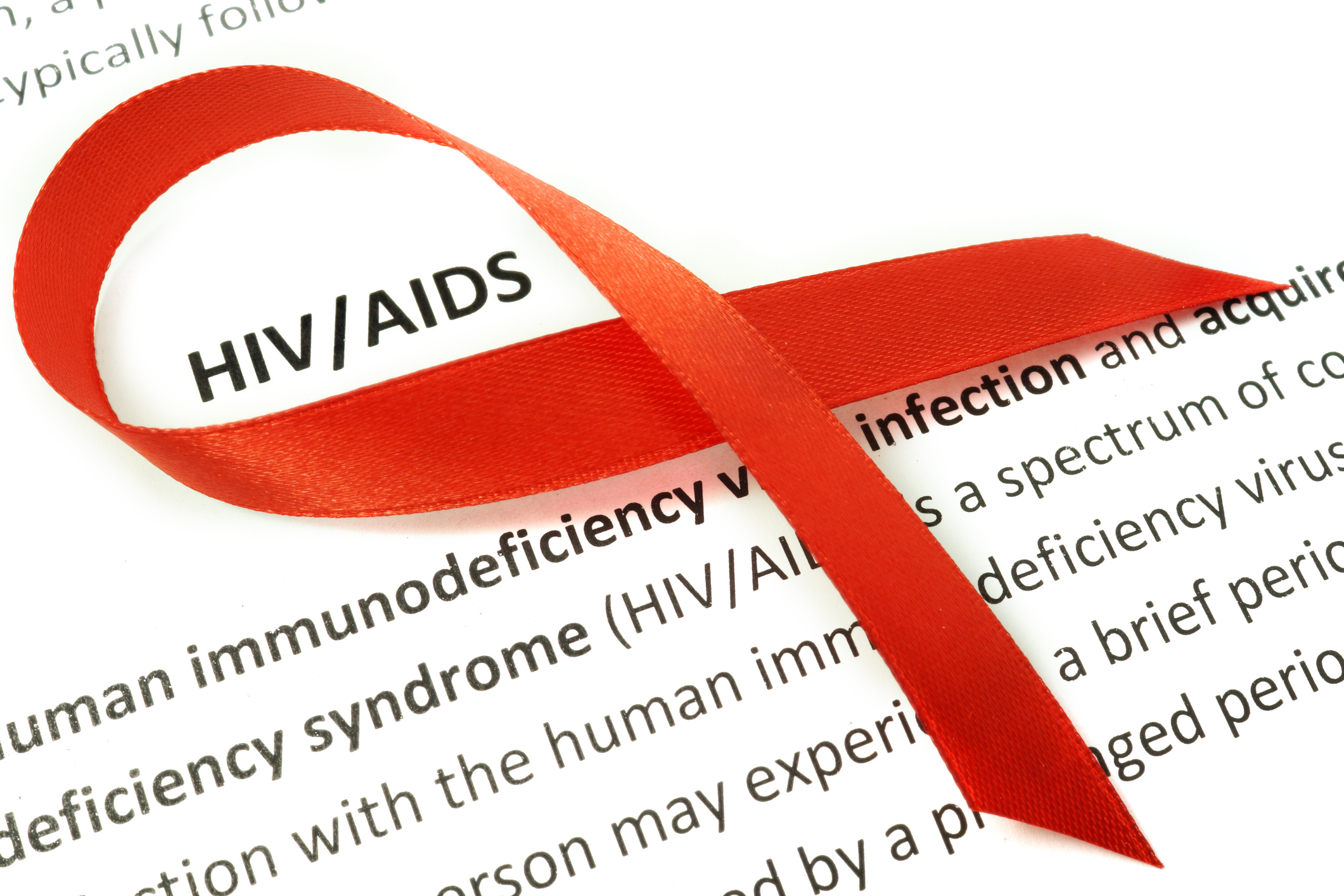
What Is the Difference Between HIV and AIDS?

Paper with Hiv aids and red ribbon. Medical conceptSometimes, people mistakenly use the terms AIDS and HIV interchangeably. The two conditions are related but different.

HIV (human immunodeficiency virus) is a virus that can lead to AIDS (acquired immunodeficiency syndrome). HIV can be transmitted through:

  • Unprotected sex
  • Contact with bodily fluids such as blood, semen, or vaginal fluids
  • Sharing needles with an infected person
  • Transfusion of contaminated blood products

HIV can also be transmitted from an HIV-infected mother to a child during pregnancy, birth, and breastfeeding.

When a person is infected with HIV, the virus weakens and gradually destroys the immune system, making it difficult for the body to fight infections and diseases. The symptoms of HIV include:

  • Swollen lymph nodes
  • Fevers
  • Mouth ulcers
  • Weight loss
  • Night sweats
  • Fatigue
  • Rash
  • Muscle aches
  • Diarrhea
  • Sore throat

HIV can be treated through antiretroviral therapy (ART), which includes a combination of HIV medications. ART prevents the virus from multiplying and reduces the amount of HIV in the blood.  If HIV is left untreated, it can progress to the chronic stage of infection or clinical latency and eventually the onset of AIDS.

AIDS is the most advanced stage of HIV. The immune system is severely damaged at this stage. Opportunistic infections, which are infections that are uncommon in people with healthy immune systems and certain cancers, are more likely to develop. These illnesses may include:

  • Recurrent pneumonia
  • Candidiasis
  • Mycobacterium tuberculosis
  • Kaposi sarcoma
  • Lymphoma
  • Cryptococcal meningitis
  • Cytomegalovirus
  • Wasting syndrome

If you are at risk of contracting HIV and are experiencing symptoms of infection, you should see a doctor.  Your physician will ask questions about your medical history and lifestyle, conduct a physical examination, and order a series of tests to determine a diagnosis.

There is no cure for HIV; however, it can be managed through ART, medication monitoring, and applying lifestyle changes that help support the immune system.


All content of this newsletter is intended for general information purposes only and is not intended or implied to be a substitute for professional medical advice, diagnosis or treatment. Please consult a medical professional before adopting any of the suggestions on this page. You must never disregard professional medical advice or delay seeking medical treatment based upon any content of this newsletter. PROMPTLY CONSULT YOUR PHYSICIAN OR CALL 911 IF YOU BELIEVE YOU HAVE A MEDICAL EMERGENCY.

World AIDS Day

World AIDS Day has been recognized on December 1st every year since 1998. The World Health Organization (WHO) has designated it as one of the eight official global public health campaigns.

The focus of World AIDS Day is to raise awareness of the AIDS pandemic caused by the HIV infection.

Although the campaign extends throughout the year, World AIDS Day is the day when many events take place throughout the world to bring attention to this serious disease. The observance is recognized with educational programs on AIDS prevention and control.

In recognition of World AIDS Day Flushing Hospital Medical Center is sharing the following facts:

  • HIV (Human Immunodeficiency Virus) affects the body’s immune system. If not treated properly, HIV can develop into Acquired Immunodeficiency Syndrome (AIDS).
  • It has been estimated that 1.2 million people in the United States and 36.7 million people worldwide are presently living with HIV. In the United States, one out of eight does not know that they are infected.
  • The virus is either transmitted when certain bodily fluids come in contact with a mucous membrane within the body or a cut in the skin or through the sharing of needles and syringes of people who are infected.
  • HIV can only be transmitted by way of blood, semen, vaginal fluids, rectal fluids or breast milk.
  • HIV virus is not spread by water or air, mosquitoes, ticks or other insects, saliva, tears, sweat, sharing a toilet seat or by simple person -to- person touching.
  • There is no cure for HIV but there are ways to slow down its progression.

If you would like to speak to a physician about HIV and AIDS, or if you would like to be tested, you may schedule an appointment at Flushing Hospital at 718-670-5486.

All content of this newsletter is intended for general information purposes only and is not intended or implied to be a substitute for professional medical advice, diagnosis or treatment. Please consult a medical professional before adopting any of the suggestions on this page. You must never disregard professional medical advice or delay seeking medical treatment based upon any content of this newsletter. PROMPTLY CONSULT YOUR PHYSICIAN OR CALL 911 IF YOU BELIEVE YOU HAVE A MEDICAL EMERGENCY.

Today is National HIV Testing Day

June 27th is National HIV Testing Day. There are 1.1 million people living with HIV in the United States, and one in seven are unaware they have the virus.

Flushing Hospital Medical Center, along with other health organizations is working together to raise awareness about the importance of getting tested and early HIV diagnosis. The Centers for Disease Control and Prevention (CDC) recommends “that everyone between the ages of 13 and 64 get tested for HIV at least once as part of routine health care.”

We are encouraging people to know their status. There are now more ways than ever to get tested.

Flushing Hospital’s Ambulatory Care Center’s offer HIV testing to the community. For a list of our center’s and contact information, please visit

If a patient tests positive we also provide HIV counseling and treatment. We offer integrated clinical care, social and educational services in a comfortable and caring environment.

To receive more information about National HIV Testing Day and to learn more about the virus, please visit,

All content of this newsletter is intended for general information purposes only and is not intended or implied to be a substitute for professional medical advice, diagnosis or treatment. Please consult a medical professional before adopting any of the suggestions on this page. You must never disregard professional medical advice or delay seeking medical treatment based upon any content of this newsletter. PROMPTLY CONSULT YOUR PHYSICIAN OR CALL 911 IF YOU BELIEVE YOU HAVE A MEDICAL EMERGENCY.