How Many Steps Do You Need to Walk Every Day to Be Healthy?

Ten thousand steps per day is a commonly cited goal when it comes to improving your health. However, factors such as age, sex, and occupation may influence the best step count for you.

Researchers examined how the number of steps people take affected their risk for disease and their lifespan. They found that 10,000 steps per day doesn’t always mean people are healthier. Additionally, there is a point at which the number of steps taken per day levels off when it comes to improving health.

For adults younger than 60 years of age, 8,000 and 10,000 steps per day were associated with a decreased risk of death.

For adults older than 60 years of age, 6,000 to 8,000 steps per day achieved a lower risk of mortality.

Researchers also found that people who lose more than 10% of their body weight over 18 months walk approximately 10,000 steps a day. At least 3,500 of those steps were at least of moderate-to-vigorous intensity in short, 10-minute bursts.

Walking is excellent for the heart, as it can lower your risk of cardiovascular disease and help prevent a cardiovascular event such as a stroke or heart failure.

The American Heart Association reports that older adults who take 4,500 steps per day have a 77% lower risk of having an adverse cardiovascular event than people who take fewer than 2,000 steps. Each time you add 500 steps to your daily average, you incrementally lower your risk by 14%. However, this benefit can plateau between 6,000 and 8,000 steps.

Walking can have many health benefits for your mind, as it can help preserve your cognitive function. The more steps you take each day, the more your risk of developing dementia. Once you hit 9,800 steps per day, that benefit can plateau. However, you can begin seeing significant benefits at just 3,800 steps daily, and getting that many steps consistently may lower your risk of dementia by 50% over time.

According to the American Diabetes Association (ADA), walking at least 30 minutes per day, five days a week, can significantly lower your risk of Type 2 diabetes. Whether you walk it all at once or you split it into smaller walks doesn’t matter. Exercises such as walking increase insulin sensitivity and help lower your blood sugar.

A short burst of 10 minutes of brisk walking can increase your energy, mood, and mental alertness. You can also use walking to significantly lower your risk of depression.

According to the American Psychological Association, people who walk at a moderate pace for 75 minutes weekly have an 18% lower depression risk than people who don’t get any physical activity. Walking for 120 minutes weekly can lower your risk by 25%.

Walking greatly benefits your overall health. It doesn’t matter if you do most of your walking during the day, at night, during the week, or on the weekends. You are still helping your health.

It is recommended that you consult your doctor before starting or adding new exercises to your routine. You can schedule an appointment with a doctor at Flushing Hospital’s Ambulatory Care Center by calling (718) 670-5486.

All content of this newsletter is intended for general information purposes only and is not intended or implied to be a substitute for professional medical advice, diagnosis or treatment. Please consult a medical professional before adopting any of the suggestions on this page. You must never disregard professional medical advice or delay seeking medical treatment based upon any content of this newsletter. PROMPTLY CONSULT YOUR PHYSICIAN OR CALL 911 IF YOU BELIEVE YOU HAVE A MEDICAL EMERGENCY.

The Impact of Ultraprocessed Foods on Your Health

Ultraprocessed foods, or UPFs, are food products such as frozen pizza, ready-to-eat meals, instant noodles, and many store-bought breads that contain a long list of ingredients, chemical additives, and little to no “whole” foods.

Understanding ultraprocessed foods is tricky, as even experts don’t fully agree on what they specifically are and whether they are good or bad. However, a 2024 study led by researchers at Harvard T.H. Chan School of Public Health also found that a high intake of ultraprocessed foods may increase the risk of early death. Participants who ate the most ultraprocessed foods of any kind had a 4% higher risk of death from any cause and an 8% higher risk of death from neurodegenerative diseases. And according to the Yale School of Public Health, high ultraprocessed food intake has been linked to a 25%-58% higher risk of health issues related to the heart and metabolism, and a 21%-66% higher risk of mortality.

People who eat more ultraprocessed foods may tend to eat more calories overall. Data from the Centers for Disease Control and Prevention (CDC) shows that 53% of the calories that adults consumed daily, on average, came from ultraprocessed foods between 2021 and 2023. For children 18 years old and younger, it is 61.9%. Scientists are studying whether ultraprocessed foods high in saturated fat, added sugars, and sodium may mimic addictive substances in some people, and if they do, how they may do so.

Some ultraprocessed foods may contribute to poorer health outcomes. Examples of this include:

  • They may displace or replace healthier foods
  • They could lead to eating too many calories
  • They may result in eating too much saturated fat, added sugars, or sodium
  • They may influence how the brain responds to these foods
  • The changed textures may trigger the brain to stay hungry even after eating
  • They can potentially disrupt blood sugar
  • They can potentially disrupt your gut health
  • They could cause exposure to toxins

The recommendation to limit the intake of ultraprocessed foods reinforces the long-standing nutrition guidance to limit unhealthy fats, added sugars, and sodium. A diet composed mainly of ultraprocessed foods also exposes people to unhealthy additives and increases the risk of chronic inflammatory diseases.

The best way to identify ultraprocessed foods is to read the packaging of the product to see if its list of ingredients contains either food substances never or rarely used in kitchens, such as high-fructose corn syrup, hydrogenated or interesterified oils, and hydrolyzed proteins. Or it may contain classes of additives designed to make the final product palatable or more appealing, such as flavors, flavor enhancers, colors, emulsifiers, emulsifying salts, sweeteners, thickeners, and anti-foaming, bulking, carbonating, foaming, gelling, and glazing agents.

It is important to note that an overall healthy diet pattern should focus on eating healthier options such as vegetables, fruits, whole grains, beans, nuts, seeds, healthy non-tropical oils, and lean proteins.

The Yale School of Public Health offers four ways to reduce ultraprocessed foods in your diet. They include:

  1. Planning and preparing meals at home in advance that use less processed and ultraprocessed foods
  2. Drinking water and unsweetened beverages such as coffee and tea instead of soda and other sweetened drinks
  3. Eating fresh fruits and vegetables, if they are available to you. If they are not available, choose minimally processed frozen or canned options with no added salt or sugar
  4. Adding an unprocessed fruit or vegetable to your meal if an ultraprocessed food is your only option and you are short on time. And to choose an ultraprocessed food option with less sodium, saturated fat, and added sugar

If you would like to learn more about Flushing Hospital Medical Center’s nutritional services, you can visit the Ambulatory Care Center. To schedule an appointment, please call (718) 670-5486.

All content of this newsletter is intended for general information purposes only and is not intended or implied to be a substitute for professional medical advice, diagnosis or treatment. Please consult a medical professional before adopting any of the suggestions on this page. You must never disregard professional medical advice or delay seeking medical treatment based upon any content of this newsletter. PROMPTLY CONSULT YOUR PHYSICIAN OR CALL 911 IF YOU BELIEVE YOU HAVE A MEDICAL EMERGENCY.

What to Know About Protein Intake While on Weight Loss Medication

GLP-1 antagonists are a class of medications that mainly manage blood sugar levels in people with Type 2 diabetes. Some GLP-1 antagonists can also help treat obesity.

When a person starts to lose weight on a GLP-1 weight loss medication, it can happen very fast. However, as they lose fat, they could also be losing essential lean muscle mass, which can harm their metabolism and blood sugar levels. This will ultimately work against weight loss efforts and can even negatively affect bone health.

Protein is the building block of muscle. Getting enough is crucial for preventing muscle loss, especially when consuming fewer calories. When you consume enough protein, you are more likely to retain and even build muscle. However, when you don’t have enough protein, your body will cannibalize some of your muscle mass for energy.

A 2024 review study that made diet recommendations for GLP-1 patients based on the latest research recommends at least 60 grams of protein a day. It is suggested to aim for 20 to 40 grams of protein at every meal.

Most people who are on GLP-1 medications experience at least one side effect. The side effects are worse just after starting and in the days after increasing the dose. Fortunately, there are ways to combat those side effects, including:

  • Make every meal count
  • Schedule your meals
  • Make protein a priority
  • Aim for 64 ounces of fluid a day, plus electrolytes
  • Avoid fatty and greasy foods
  • Steer clear of sugary foods, alcohol, and refined carbs
  • Maintain muscle with resistance training
  • Eat smaller portions more frequently
  • Add fiber to your diet
  • Talk to your doctor if you are having side effects

For more information about the Bariatric Surgery Services at Flushing Hospital or procedures performed by our doctors, please call 718-408-6977 or 718-670-8908.


All content of this newsletter is intended for general information purposes only and is not intended or implied to be a substitute for professional medical advice, diagnosis or treatment. Please consult a medical professional before adopting any of the suggestions on this page. You must never disregard professional medical advice or delay seeking medical treatment based upon any content of this newsletter. PROMPTLY CONSULT YOUR PHYSICIAN OR CALL 911 IF YOU BELIEVE YOU HAVE A MEDICAL EMERGENCY.

Early Signs of Diabetes

Diabetes is a chronic (long-lasting) disease that occurs when your glucose or blood sugar levels are too high.  Having diabetes affects the body’s ability to make enough insulin (a hormone produced by the pancreas) or use it properly.

Insulin is needed to move glucose from our bloodstream into our cells, where it is converted into energy. If glucose is not moved into our cells, too much of it remains in the bloodstream.

Consistently high blood sugar left untreated can lead to complications or other serious health problems, including:

  • Damage to the eyes (potentially leading to blindness)
  • Heart disease
  • Neuropathy or nerve damage
  • Kidney damage or kidney disease
  • Vascular disease
  • Limb loss
  • Stroke
  • Foot ulcers

Recognizing the early signs of diabetes and getting treatment promptly can help minimize the risk of health complications.  Here are some of the early signs of the disease to be aware of:

  • Increased thirst
  • Extreme hunger
  • Frequent urination
  • Blurred vision
  • Slow-healing wounds or infections
  • Unexplained weight loss
  • Numbness or tingling in the hands, legs, or feet
  • Fatigue
  • Dry mouth
  • Acanthosis nigricans (a condition characterized by darkening of the skin in certain places, such as the neck and armpits)
  • Stroke

If you are experiencing these symptoms, please schedule an appointment with your doctor.  Doctors diagnose diabetes through tests that may include glucose tolerance tests, A1C tests, or fasting blood sugar tests.  If it is determined that you have diabetes, your physician may prescribe medications and make recommendations for lifestyle changes.

To schedule an appointment with a doctor at Flushing Hospital Medical Center, please call 718-670-5486.

All content of this newsletter is intended for general information purposes only and is not intended or implied to be a substitute for professional medical advice, diagnosis or treatment. Please consult a medical professional before adopting any of the suggestions on this page. You must never disregard professional medical advice or delay seeking medical treatment based upon any content of this newsletter. PROMPTLY CONSULT YOUR PHYSICIAN OR CALL 911 IF YOU BELIEVE YOU HAVE A MEDICAL EMERGENCY.

Health Benefits of Walking

Several types of exercise, such as swimming, weightlifting, and running, offer many health benefits. Walking also provides numerous benefits to our health, including:

  • Helps you maintain a healthy weight and lose body fat
  • Helps prevent or manage various conditions, including heart disease, stroke, high blood pressure, cancer, and type 2 diabetes
  • Helps improve cardiovascular fitness
  • Helps strengthen bones and muscles
  • Helps improve muscle endurance
  • Helps increase energy levels
  • Helps improve mood, cognition, memory, and sleep
  • Helps improve balance and coordination
  • Helps strengthen the immune system
  • Helps reduce stress and tension
  • Helps extend a person’s lifespan
  • Helps inspire creative thinking

Walking is a versatile exercise for people of all ages and fitness levels. However, it is advised that you gradually work your way up to walking faster and walking a mile in a shorter amount of time. It can improve your heart health and increase your endurance while burning more calories.

Be sure to warm up and cool down before walking to avoid injury.

It is recommended that you consult your doctor before starting or adding new exercises to your routine. You can schedule an appointment with a doctor at Flushing Hospital’s Ambulatory Care Center by calling (718) 670-5486.


All content of this newsletter is intended for general information purposes only and is not intended or implied to be a substitute for professional medical advice, diagnosis or treatment. Please consult a medical professional before adopting any of the suggestions on this page. You must never disregard professional medical advice or delay seeking medical treatment based upon any content of this newsletter. PROMPTLY CONSULT YOUR PHYSICIAN OR CALL 911 IF YOU BELIEVE YOU HAVE A MEDICAL EMERGENCY.
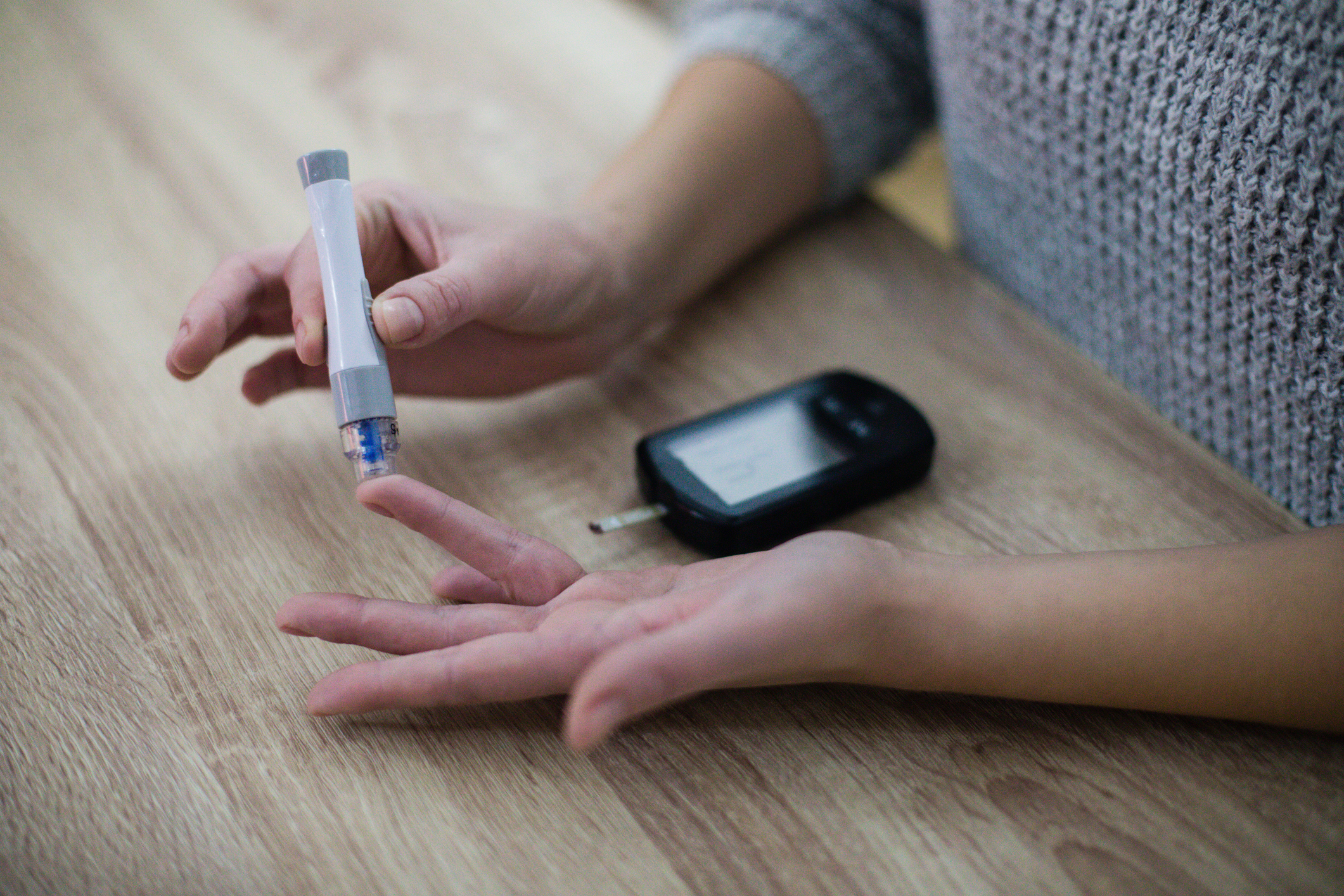
Signs Your Blood Sugar is Too High

Hyperglycemia, also known as high blood sugar, is common in people who have diabetes. It occurs when too much sugar (glucose) is in the blood and the body has too little insulin or if the body can’t use insulin properly to regulate blood sugar levels.

People with diabetes can experience hyperglycemia episodes frequently.

Hyperglycemia usually doesn’t cause symptoms until blood sugar levels are high – above 180 to 200 milligrams per deciliter (mg/dL), or 10 to 11.1 millimoles per liter (mmol/L).

Symptoms for hyperglycemia develop slowly over several days or weeks. The longer sugar levels stay high, the more serious symptoms can become. However, some people who’ve had type 2 diabetes for a long time may not show any symptoms despite high blood sugar levels. Early symptoms of hyperglycemia include:

  • Frequent urination
  • Increased thirst
  • Blurred vision
  • Feeling weak or unusually tired
  • Headache

Recognizing early symptoms of hyperglycemia can help identify and treat it right away.

If hyperglycemia isn’t treated, it can cause toxic acids called ketones, to build up in the blood and urine. This condition is called ketoacidosis. Symptoms include:

  • Fruity-smelling breath
  • Dry mouth
  • Abdominal pain
  • Nausea and vomiting
  • Shortness of breath
  • Confusion or disorientation
  • Loss of consciousness
  • Dehydration
  • Rapid heartbeat

Hyperglycemia most often results from a lack of insulin. This happens due to insulin resistance and/or issues with the pancreas, the organ that makes insulin.

However, other hormones can contribute to the development of hyperglycemia as well. Excess of the stress hormone cortisol or the growth hormone can lead to high blood sugar.

Chronic hyperglycemia over the years can damage blood vessels and tissues in your body. This can lead to a variety of complications, including:

  • Retinopathy
  • Nephropathy
  • Neuropathy
  • Gastroparesis
  • Heart disease
  • Stroke

Hyperglycemia is diagnosed when a healthcare provider orders blood work to screen for the condition and diagnose diabetes. These tests may include:

  • Fasting glucose tests.
  • Glucose tolerance tests.
  • A1c test.

Injected insulin is the main way to treat hyperglycemia episodes. Everyone requires different doses. Your healthcare provider will work with you to determine which dose is best to treat and prevent high blood sugar. Dietary changes and exercise plans can also help manage your blood sugar to prevent hyperglycemia.

If you’re experiencing symptoms of hyperglycemia, you can receive treatment from an endocrinologist at Flushing Hospital Medical Center’s Ambulatory Care Center. To schedule an appointment, please call (718) 670-5486.


All content of this newsletter is intended for general information purposes only and is not intended or implied to be a substitute for professional medical advice, diagnosis or treatment. Please consult a medical professional before adopting any of the suggestions on this page. You must never disregard professional medical advice or delay seeking medical treatment based upon any content of this newsletter. PROMPTLY CONSULT YOUR PHYSICIAN OR CALL 911 IF YOU BELIEVE YOU HAVE A MEDICAL EMERGENCY.

National Diabetes Month

November is National Diabetes Month. This month focuses on increasing awareness about diabetes and its impact on individuals and communities. It aims to educate the public about the different types of diabetes, risk factors, prevention strategies, and the importance of early detection and management.

Diabetes is a disease that occurs when your blood glucose, or blood sugar, is too high. It affects about 38 million Americans or one in every 10 people, including children and adults. Diabetes can damage the eyes, kidneys, nerves, and heart, and is linked to some types of cancers.

Diabetes symptoms depend on how high your blood sugar is. Some people, especially if they have prediabetes, gestational diabetes, or type 2 diabetes may not have symptoms. Type 1 diabetes symptoms tend to come on quickly and more severe. Some symptoms of type 1 and type 2 diabetes include:

  • Feeling more thirsty than usual
  • Urinating often
  • Losing weight without trying
  • Presence of ketones in the urine. Ketones are a byproduct of the breakdown of muscle and fat that happens when there isn’t enough available insulin
  • Feeling tired and weak
  • Feeling irritable or having other mood changes
  • Having blurry vision
  • Having slow-healing sores
  • Getting many infections such as gum, skin, and vaginal infections

Taking charge of your health may help you prevent diabetes health problems. Here are some tips to help you avoid developing diabetes:

  • Know your risk of developing diabetes- You are more likely to develop type 2 diabetes if you are overweight or obese; have a family history of diabetes; are African American, American Indian, Asian American, Hispanic or Latino, or Pacific Islander; are not physically active; or have prediabetes.
  • Manage your blood glucose, blood pressure, and cholesterol levels- Preventing or managing diabetes as soon as possible after diagnosis may help prevent diabetes complications. You can start by managing your diabetes ABCs:
    • A is for the A1C test that healthcare providers use to measure your average glucose levels.
    • B is for blood pressure
    • C is for cholesterol
  • Take small steps towards healthy habits- Lifestyle habits like planning healthy meals, being physically active, getting enough sleep, and not smoking help prevent diabetes or manage your diabetes ABCs.
  • Take your medicines on time- Remember to take your medicines even if you feel healthy. Talk with your doctor or pharmacist if you have trouble taking your medicine on time or the correct dosage.
  • Reach or maintain a healthy weight- If you are overweight or obese, ask your primary care provider if eating healthy, physical activity, or other weight-loss treatments can help manage your weight.
  • Take care of your mental health- Managing diabetes can be hard. If you feel sad, down, or overwhelmed, find healthy ways to cope with stress. Consider talking to a mental health counselor or joining a support group.
  • Work with your healthcare team- Managing diabetes takes a team. Your healthcare team can include a primary care provider, diabetes specialist, registered dietitian, or certified diabetes educator. Ask your primary care provider if you should talk with other healthcare professionals about preventing or managing diabetes.

If you have any diabetic symptoms and would like to prevent developing diabetes, or if you would like help managing your diabetes, call Jamaica Hospital Medical Center’s endocrinology service at 718-206-7001 to schedule an appointment.

All content of this newsletter is intended for general information purposes only and is not intended or implied to be a substitute for professional medical advice, diagnosis or treatment. Please consult a medical professional before adopting any of the suggestions on this page. You must never disregard professional medical advice or delay seeking medical treatment based upon any content of this newsletter. PROMPTLY CONSULT YOUR PHYSICIAN OR CALL 911 IF YOU BELIEVE YOU HAVE A MEDICAL EMERGENCY.
National High Blood Pressure Education Month

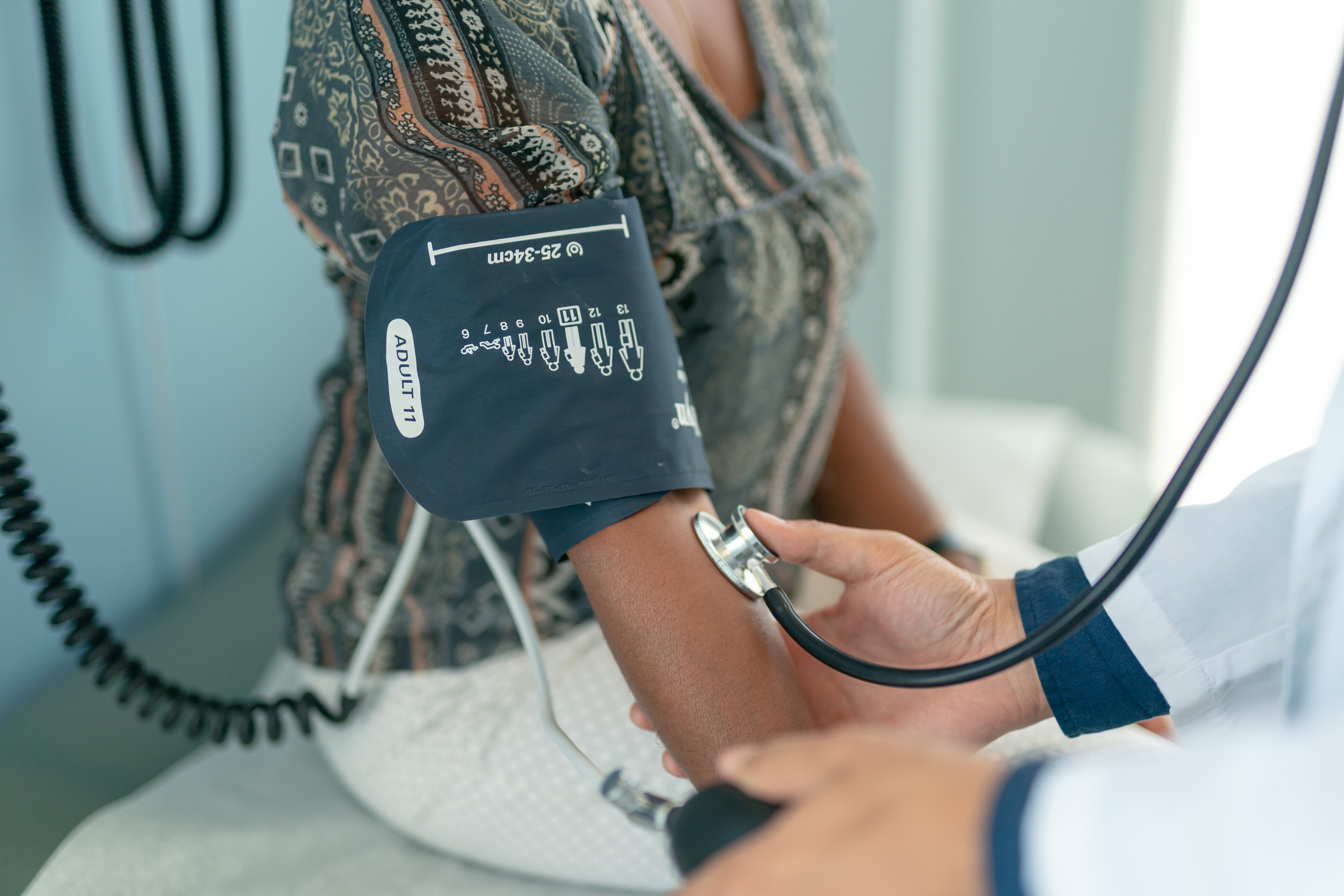
A woman getting her blood pressure checked at a doctor's office.High blood pressure, also known as hypertension, is defined as a systolic blood pressure greater than 130 mmHg or a diastolic blood pressure greater than 80 mmHg, according to the Centers for Disease Control and Prevention. Hypertension is a main contributing factor for heart disease and stroke, the leading causes of death in the United States. Nearly half of all adults have hypertension, but only about a quarter of these adults have their blood pressure under control.

As your blood flows throughout your body, it pushes against the walls of your arteries; this is what is known as blood pressure. It’s normal for your blood pressure to rise and fall throughout the day, and certain factors, such as anxiety, might cause it to become elevated in specific situations. However, if your blood pressure is chronically high, it can cause damage to your heart.

Certain factors can increase your risk of developing chronic high blood pressure. These include:

  • Diabetes

  • Lifestyle factors, such as obesity, an unhealthy diet, or a lack of physical activity

  • Excessive consumption of alcohol or usage of tobacco

  • A family history of high blood pressure

  • Older age

  • Race (over half of Black adults in the United States have hypertension)

There are steps you can take to manage your blood pressure and decrease your risk of medical complications. To prevent high blood pressure, it is most helpful to:

  • Eat a healthy diet

  • Maintain a healthy weight

  • Engage in regular physical activity

  • Avoid smoking

  • Limit alcohol consumption (no more than two drinks per day for men or one drink per day for women)

  • Get a sufficient amount of sleep each night

To control high blood pressure, you should:

  • Regularly measure your blood pressure

  • Make lifestyle changes to prevent your condition from worsening

  • Get medical care for any underlying conditions that may be contributing to your high blood pressure

Flushing Hospital Medical Center’s expert cardiology specialists can high-quality care for chronic hypertension and any condition that may be causing it to occur. To schedule an appointment with a cardiologist, please call (718) 670-5486.

All content of this newsletter is intended for general information purposes only and is not intended or implied to be a substitute for professional medical advice, diagnosis or treatment. Please consult a medical professional before adopting any of the suggestions on this page. You must never disregard professional medical advice or delay seeking medical treatment based upon any content of this newsletter. PROMPTLY CONSULT YOUR PHYSICIAN OR CALL 911 IF YOU BELIEVE YOU HAVE A MEDICAL EMERGENCY.
What is the Difference Between Diabetes and Insulin Resistance?

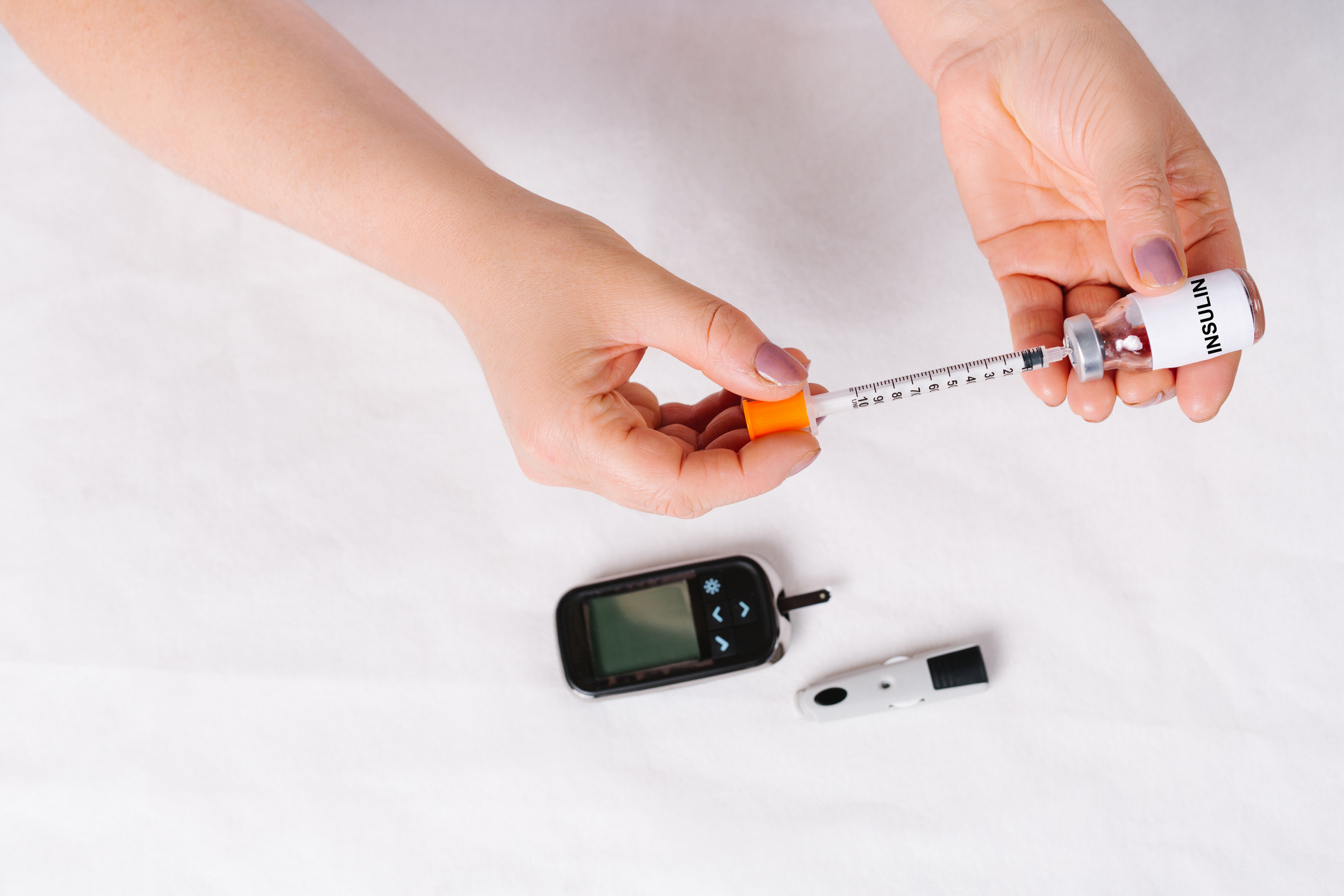
Diabetes and insulin resistance both involve some of the same elements. Specifically, a key factor in both conditions is the inability of the pancreas to produce enough insulin to control blood sugar levels in your body. Insulin allows your cells to absorb sugar from the blood, providing these cells with the energy they need to function and keep blood sugar levels normal.

Despite the similarities in terms of how insulin resistance and diabetes work, not everyone with one has the other. In a person with insulin resistance, cells in the muscles, fat, and liver do not respond as well as they should to insulin; the pancreas may be producing a normal amount of insulin, but because cells are not processing it effectively, this normal amount is not enough to support these cells’ ability to function.

A person with Type 1 or Type 2 diabetes can experience insulin resistance, but not everyone with diabetes is necessarily insulin resistant. Type 2 diabetes can occur as a result of the pancreas not making as much insulin as it’s normally supposed to; while the body’s cells may still be able to process insulin normally, not enough of it is being produced to support cell functions. This also occurs in people with Type 1 diabetes due to their immune system targeting insulin-producing cells in the pancreas.

Insulin resistance also doesn’t necessarily lead to diabetes in everyone who experiences it. While it can progress into prediabetes and, eventually, Type 2 diabetes if left untreated, it’s also associated with other conditions, including cardiovascular disease, fatty liver disease, metabolic syndrome, and polycystic ovary syndrome. Insulin resistance also isn’t necessarily a chronic condition; it can occur temporarily in some people.

If you’re experiencing symptoms of either insulin resistance or diabetes, you can receive treatment from an endocrinologist at Flushing Hospital Medical Center’s Ambulatory Care Center. To schedule an appointment, please call (718) 670-5486.

All content of this newsletter is intended for general information purposes only and is not intended or implied to be a substitute for professional medical advice, diagnosis or treatment. Please consult a medical professional before adopting any of the suggestions on this page. You must never disregard professional medical advice or delay seeking medical treatment based upon any content of this newsletter. PROMPTLY CONSULT YOUR PHYSICIAN OR CALL 911 IF YOU BELIEVE YOU HAVE A MEDICAL EMERGENCY.

What is Prediabetes?

Prediabetes refers to a person’s blood sugar level being higher than normal. It can potentially cause skin to become darker in certain parts of the body, such as the neck, armpits, and groin; however, in most cases, it does not cause any identifiable signs or symptoms.

Prediabetes occurs when your body can no longer process glucose properly, causing it to accumulate in your bloodstream. This can happen as a result of the pancreas’ inability to produce sufficient amounts of insulin, or because your cells have developed a resistance to insulin.

A variety of factors can increase your likelihood of developing prediabetes and, by extension, type 2 diabetes. They include:

  • Family history
  • Black, Hispanic, Native American, or Asian background
  • Being over 35 years of age
  • Lack of physical activity
  • Being overweight or obese
  • Consuming a diet high in red or processed meat and sugary drinks
  • Smoking

Additionally, several conditions can also increase your risk of developing prediabetes or type 2 diabetes, such as:

  • Gestational diabetes (diabetes during pregnancy)
  • Polycystic ovary syndrome
  • Sleep apnea
  • High blood pressure
  • High triglyceride levels
  • Low levels of high-density lipoprotein (“good”) cholesterol
  • High blood sugar levels
  • Metabolic syndrome

You may still be able to avoid developing type 2 diabetes if you have prediabetes. The most beneficial steps you can take to prevent this progression include:

  • Developing a regular exercise routine
  • Improving your diet by replacing unhealthy foods with more nutritious options
  • Quitting or avoiding smoking
  • Maintaining a healthy weight
  • Working with a doctor to monitor your health and control potential risk factors such as high blood pressure

If you are at risk for prediabetes, you can schedule an appointment for diagnosis and treatment from a board-certified doctor at Flushing Hospital Medical Center’s Ambulatory Care Center by calling (718) 670-5486.

All content of this newsletter is intended for general information purposes only and is not intended or implied to be a substitute for professional medical advice, diagnosis or treatment. Please consult a medical professional before adopting any of the suggestions on this page. You must never disregard professional medical advice or delay seeking medical treatment based upon any content of this newsletter. PROMPTLY CONSULT YOUR PHYSICIAN OR CALL 911 IF YOU BELIEVE YOU HAVE A MEDICAL EMERGENCY.