Robotic Gynecological Surgery

Endometriosis is an often painful condition in which tissue that is similar to the inner lining of the uterus grows outside the uterus. It often affects the ovaries, fallopian tubes, and the tissue lining the pelvis. Rarely, endometriosis growths may be found beyond the area where pelvic organs are located.

Endometriosis tissue acts as the lining inside the uterus, it thickens, breaks down, and bleeds with each menstrual cycle. But it grows in places where it doesn’t belong, and it doesn’t leave the body. When endometriosis involves the ovaries, cysts called endometriomas may form. Surrounding tissue can become irritated and form scar tissue. Bands of fibrous tissue called adhesions also may form. These can cause pelvic tissues and organs to stick to each other.

The main symptom of endometriosis is pelvic pain. This pain can be intense or mild. Symptoms often feel worse just before and during your period due to inflammation brought on by the hormonal changes that occur at the time. Other symptoms of endometriosis include:

  • Excruciating menstrual cramps
  • Abdominal pain or back pain during your period or in between periods
  • Heavy bleeding during periods, or spotting between periods
  • Pain during sex
  • Infertility
  • Pain when pooping or peeing
  • Stomach problems like diarrhea, constipation, or bloating

You can have no symptoms of endometriosis. The seriousness of your pain may not be a sign of the number or extent of endometriosis growth in your body. You could have a small amount of tissue with bad pain. Or you could have little to no pain and have lots of endometriosis tissue. Women often find out they have the condition when they can’t get pregnant or after they have an unrelated surgery.

The exact cause of endometriosis isn’t clear. But some possible causes include:

  • Retrograde menstruation
  • Transformed peritoneal cells
  • Embryonic cell changes
  • Surgical scar complication
  • Endometrial cell transport
  • Immune system condition

Factors that raise the risk of endometriosis include:

  • Never giving birth
  • Starting your period at an early age
  • Going through menopause at an older age
  • Short menstrual cycles (less than 27 days)
  • Heavy menstrual periods that last longer than seven days
  • Having higher levels of estrogen in your body or greater lifetime exposure to estrogen your body produces
  • Low body mass index
  • One or more relatives with endometriosis, such as a mother, aunt, or sister

Any health condition that prevents blood from flowing out of the body during menstrual periods also can be a risk factor for endometriosis. So can conditions of the reproductive tract.

To diagnose endometriosis, your doctor will likely start by giving you a physical exam. You’ll be asked to describe your symptoms, including where and when you feel pain. Tests to check for clues of endometriosis include:

  • A pelvic exam
  • Ultrasound
  • MRI
  • Laparoscopy

Treatment for endometriosis often involves medicine or surgery. The approach you and your healthcare team choose will depend on how serious your symptoms are and whether you hope to become pregnant. Medicine is typically recommended first. If it doesn’t help enough, surgery becomes an option. Treatments for endometriosis include:

  • Pain medicines
  • Hormone therapy
  • Fertility treatment
  • Conservative therapy
  • Hysterectomy with removal of the ovaries

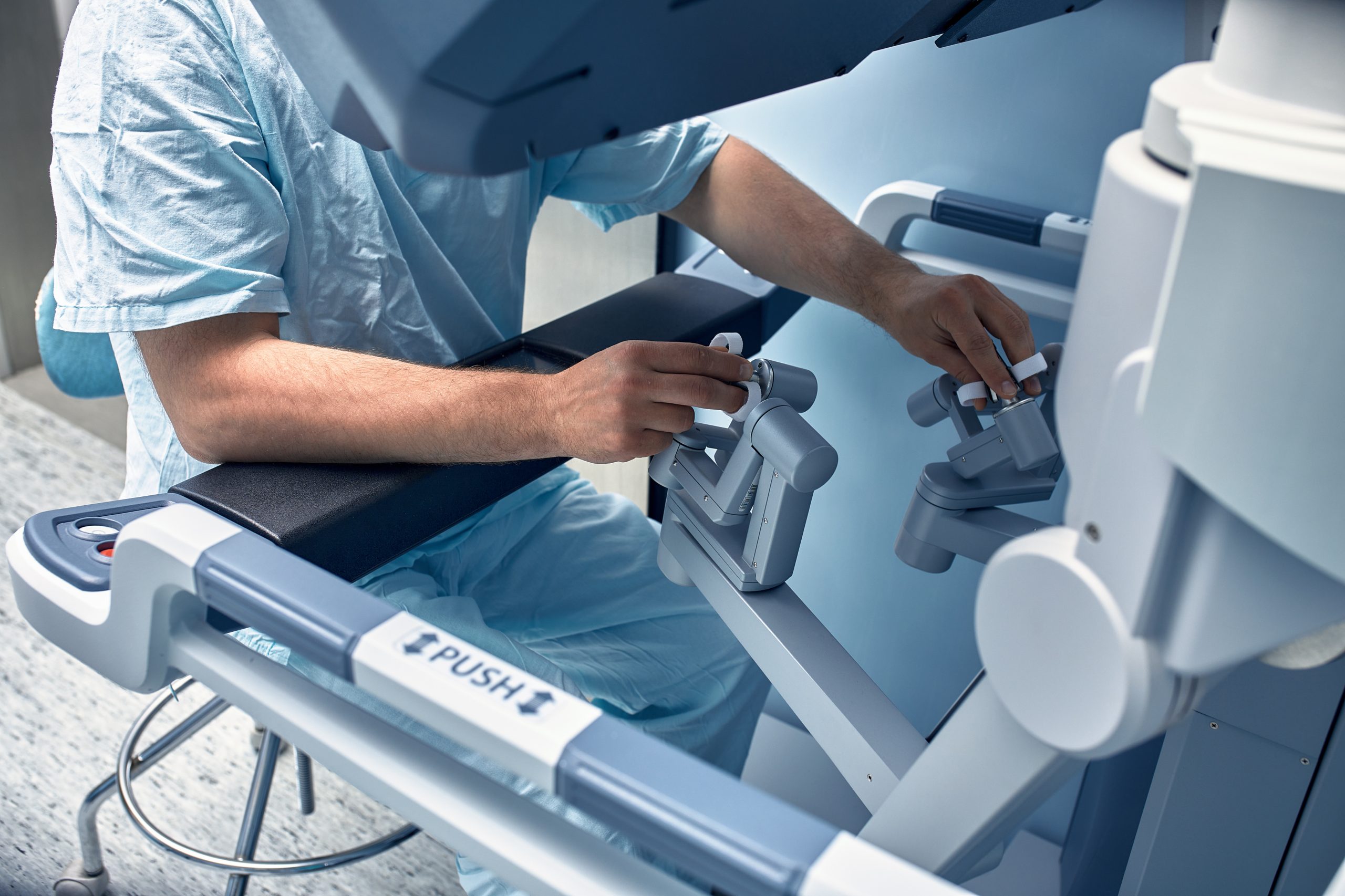
Surgery options may include robotic surgery. Long recovery times of up to six weeks and large incisions made recovery very difficult, but with advances in gynecologic surgery, especially robotic-assisted surgery, women can expect a much shorter recovery from pelvic surgery.

There are many potential advantages of robotic-assisted surgery over other types of surgery, including:

  • Robot-assisted surgery provides the surgeon with 3D images of inside your abdomen and pelvis that create a clearer picture for them to reference as they operate.
  • Under the surgeon’s direction, the robot can move more freely and with more versatility than a human hand
  • You’ll have a few tiny scars.
  • You’re more likely to experience less pain and less bleeding after surgery compared to open surgery.
  • A shorter hospital stay.

Experienced surgeons use the da Vinci robot to treat women who suffer from troubling gynecologic conditions like endometriosis.

To learn more about the robotic surgical procedures at Flushing Hospital Medical Center or to schedule an appointment, call (718) 670-5000.


All content of this newsletter is intended for general information purposes only and is not intended or implied to be a substitute for professional medical advice, diagnosis or treatment. Please consult a medical professional before adopting any of the suggestions on this page. You must never disregard professional medical advice or delay seeking medical treatment based upon any content of this newsletter. PROMPTLY CONSULT YOUR PHYSICIAN OR CALL 911 IF YOU BELIEVE YOU HAVE A MEDICAL EMERGENCY.

National Endometriosis Awareness Month

Endometriosis Awareness takes the spotlight during the month of March with a mission to raise awareness about the disease which currently affects an estimated 176 million women around the globe.

Endometriosis occurs when the tissue that normally lines the inside of the uterus- grows outside the uterus. This abnormal growth of tissue can commonly be found on the ovaries, fallopian tubes, ligaments that support the uterus, as well as areas between the rectum and vagina.  Areas where endometriosis is less commonly found are the lungs, thighs, arms and other areas beyond the reproductive organs or lower abdomen.

Endometrial tissue develops into growths or clumps called implants.  These clusters of tissue respond to the menstrual cycle the same as they would inside the uterus.  Meaning, each month the tissue builds up, breaks down then sheds.  Unlike the tissue that lines the inside of the uterus; endometrial tissue cannot be discharged from the body through vaginal bleeding.  This results in inflammation, swelling, the formation of scar tissue or internal bleeding.

The symptoms of endometriosis typically present themselves during reproductive years- on average between the ages of 12 to 60 years old.  Symptoms include:

  • Painful sexual intercourse
  • Pain during pelvic examinations
  • Severe pain during menstruation
  • Pain during urination or a bowel movement
  • Excessive bleeding
  • Infertility

The cause of endometriosis is unknown but several factors such as genetics, retrograde period flow, immune system disorders and hormones are being researched.

Most cases are diagnosed in women between the ages of 25 to 35 years of age; however, some women with endometriosis remain undiagnosed because they do not have symptoms and the disorder is sometimes mistaken for other conditions.

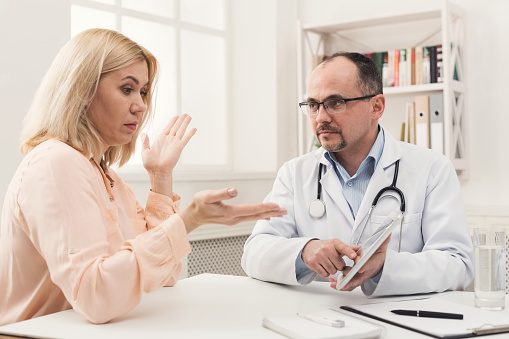
Women who do experience symptoms should speak with their doctor about receiving tests such as pelvic examinations, laparoscopy and imaging tests, to find out if they  have endometriosis.

Although there is no cure for endometriosis, effective treatments including medication, surgery and alternative therapies are available.

If you are experiencing the symptoms it is recommended that you make an appointment to see your doctor as soon as possible. If you would like to make an appointment with a gynecologist, please call 718-670-8994.

All content of this newsletter is intended for general information purposes only and is not intended or implied to be a substitute for professional medical advice, diagnosis or treatment. Please consult a medical professional before adopting any of the suggestions on this page. You must never disregard professional medical advice or delay seeking medical treatment based upon any content of this newsletter. PROMPTLY CONSULT YOUR PHYSICIAN OR CALL 911 IF YOU BELIEVE YOU HAVE A MEDICAL EMERGENCY.
What is a Hysterectomy?

A hysterectomy is a surgical procedure that involves removing a woman’s uterus.   It is a common operation, in fact, the CDC reports that over 10%  percent of women between the ages of 40-44 have had a hysterectomy and approximately 600,000 procedures are performed annually.

Hysterectomies are used to treat several health conditions, some of which include:

  • Uterine fibroids
  • Gynecologic cancer
  • Endometriosis
  • Uterine prolapse
  • Chronic pelvic pain
  • Adenomyosis

Hysterectomies can be performed utilizing several techniques.  Based on the course of treatment that is best for you, your surgeon may recommend one of the following options:

  • Abdominal hysterectomy
  • Laparoscopic-assisted abdominal hysterectomy
  • Vaginal hysterectomy
  • Laparoscopic-assisted vaginal hysterectomy
  • Robotic- assisted hysterectomy

Procedures may require the complete or partial removal of the uterus.  If a complete removal is required, a total hysterectomy may be performed. In the case where the uterus and surrounding structures such as the fallopian tubes and ovaries need to be removed, a radical hysterectomy is often recommended. Treatment involving the partial removal of the uterus may include a supracervical hysterectomy.

As with all surgical procedures there are risks to consider.  However some techniques can offer patients a reduced risk of complications such as pain and bleeding. Laparoscopic and robotic assisted hysterectomies may result in less pain, minimal bleeding, a lower risk in infection and shorter hospital stays.

Flushing Hospital Medical Center’s Department of Obstetrics and Gynecology has a full program to provide total health care to women. Our highly trained specialists utilize the latest techniques and equipment, such as ultrasonography, color Doppler, laser, laparoscopic and robotic surgery, in the diagnoses and treatment of female disorders. Robotic surgeons at Flushing Hospital are board certified or board approved and has performed countless procedures resulting in high rates of success.

Gynecological procedures performed robotically by Flushing Hospital’s team of surgeons include hysterectomy, ovarian cystectomy, salpingo-oophorectomy, sacrocolpopexy, tubal reanastomosis, dermoid cystectomy and more.

For more information or to make an appointment please call, 718-670-8994


All content of this newsletter is intended for general information purposes only and is not intended or implied to be a substitute for professional medical advice, diagnosis or treatment. Please consult a medical professional before adopting any of the suggestions on this page. You must never disregard professional medical advice or delay seeking medical treatment based upon any content of this newsletter. PROMPTLY CONSULT YOUR PHYSICIAN OR CALL 911 IF YOU BELIEVE YOU HAVE A MEDICAL EMERGENCY.

Endometriosis Awareness Month

Endometriosis Awareness takes the spotlight during the month of March with a mission to raise awareness about the disease which currently affects an estimated 176 million women around the globe.

Endometriosis occurs when the tissue that normally lines the inside of the uterus- grows outside the uterus. This abnormal growth of tissue can commonly be found on the ovaries, fallopian tubes, ligaments that support the uterus, as well as areas between the rectum and vagina.  Areas where endometriosis is less commonly found are the lungs, thighs, arms and other areas beyond the reproductive organs or lower abdomen.

Endometrial tissue develops into growths or clumps called implants.  These clusters of tissue respond to the menstrual cycle the same as they would inside the uterus.  Meaning, each month the tissue builds up, breaks down then sheds.  Unlike the tissue that lines the inside of the uterus; endometrial tissue cannot be discharged from the body through vaginal bleeding.  This results in inflammation, swelling, the formation of scar tissue or internal bleeding.

The symptoms of endometriosis typically present themselves during reproductive years- on average between the ages of 12 to 60 years old.  Symptoms include:

  • Painful sexual intercourse
  • Pain during pelvic examinations
  • Severe pain during menstruation
  • Pain during urination or a bowel movement
  • Excessive bleeding
  • Infertility

The cause of endometriosis is unknown but several factors such as genetics, retrograde period flow, immune system disorders and hormones are being researched.

Most cases are diagnosed in women between the ages of 25 to 35 years of age; however, some women with endometriosis remain undiagnosed because they do not have symptoms and the disorder is sometimes mistaken for other conditions.

Women who do experience symptoms should speak with their doctor about receiving tests such as pelvic examinations, laparoscopy and imaging tests, to find out if they  have endometriosis.

Although there is no cure for endometriosis, effective treatments including medication, surgery and alternative therapies are available.

If you are experiencing the symptoms it is recommended that you make an appointment to see your doctor as soon as possible. If you would like to make an appointment with a gynecologist, please call 718-670-8994.


All content of this newsletter is intended for general information purposes only and is not intended or implied to be a substitute for professional medical advice, diagnosis or treatment. Please consult a medical professional before adopting any of the suggestions on this page. You must never disregard professional medical advice or delay seeking medical treatment based upon any content of this newsletter. PROMPTLY CONSULT YOUR PHYSICIAN OR CALL 911 IF YOU BELIEVE YOU HAVE A MEDICAL EMERGENCY.

What You Should Know About Endometriosis

endometriosis-488786798Endometriosis affects approximately every one in ten girls and women in the United States.  This condition occurs when the tissue that normally lines the inside of the uterus- grows outside the uterus. This abnormal growth of tissue can commonly be found on the ovaries, fallopian tubes, ligaments that support the uterus, as well as areas between the rectum and vagina.  Areas where endometriosis is less commonly found are the lungs, thighs, arms and other areas beyond the reproductive organs or lower abdomen.

Endometrial tissue develops into growths or clumps called implants.  These clusters of tissue respond to the menstrual cycle the same as they would inside the uterus.  Meaning, each month the tissue builds up, breaks down then sheds.  Unlike the tissue that lines the inside of the uterus; endometrial tissue cannot be discharged from the body through vaginal bleeding.  This results in inflammation, swelling,  the formation of scar tissue or internal bleeding.

The symptoms of endometriosis typically present themselves during reproductive years- on average between the ages of 12 to 60 years old.  Symptoms include:

  • Painful sexual intercourse
  • Pain during pelvic examinations
  • Severe pain during menstruation
  • Pain during urination or a bowel movement
  • Excessive bleeding
  • Infertility

The cause of endometriosis is unknown but several factors such as genetics, retrograde period flow, immune system disorders and hormones are being researched.

Most cases are diagnosed in women between the ages of 25 to 35 years of age; however, some women with endometriosis remain undiagnosed because they do not have symptoms and the disorder is sometimes mistaken for other conditions.

Women who do experience symptoms should speak with their doctor about receiving tests such as pelvic examinations, laparascopy and imaging tests, to find out if they  have endometriosis.

Although there is no cure for endometriosis, effective treatments including medication, surgery and alternative therapies are available.

If you are experiencing the symptoms it is recommended that you make an appointment to see your doctor as soon as possible. To make an appointment with a gynecologist at Flushing Hospital, please call 718-670-8994.

All content of this newsletter is intended for general information purposes only and is not intended or implied to be a substitute for professional medical advice, diagnosis or treatment. Please consult a medical professional before adopting any of the suggestions on this page. You must never disregard professional medical advice or delay seeking medical treatment based upon any content of this newsletter. PROMPTLY CONSULT YOUR PHYSICIAN OR CALL 911 IF YOU BELIEVE YOU HAVE A MEDICAL EMERGENCY.