
 Endometriosis is an often painful condition in which tissue that is similar to the inner lining of the uterus grows outside the uterus. It often affects the ovaries, fallopian tubes, and the tissue lining the pelvis. Rarely, endometriosis growths may be found beyond the area where pelvic organs are located.
Endometriosis tissue acts as the lining inside the uterus, it thickens, breaks down, and bleeds with each menstrual cycle. But it grows in places where it doesn’t belong, and it doesn’t leave the body. When endometriosis involves the ovaries, cysts called endometriomas may form. Surrounding tissue can become irritated and form scar tissue. Bands of fibrous tissue called adhesions also may form. These can cause pelvic tissues and organs to stick to each other.
The main symptom of endometriosis is pelvic pain. This pain can be intense or mild. Symptoms often feel worse just before and during your period due to inflammation brought on by the hormonal changes that occur at the time. Other symptoms of endometriosis include:
- Excruciating menstrual cramps
- Abdominal pain or back pain during your period or in between periods
- Heavy bleeding during periods, or spotting between periods
- Pain during sex
- Infertility
- Pain when pooping or peeing
- Stomach problems like diarrhea, constipation, or bloating
You can have no symptoms of endometriosis. The seriousness of your pain may not be a sign of the number or extent of endometriosis growth in your body. You could have a small amount of tissue with bad pain. Or you could have little to no pain and have lots of endometriosis tissue. Women often find out they have the condition when they can’t get pregnant or after they have an unrelated surgery.
The exact cause of endometriosis isn’t clear. But some possible causes include:
- Retrograde menstruation
- Transformed peritoneal cells
- Embryonic cell changes
- Surgical scar complication
- Endometrial cell transport
- Immune system condition
Factors that raise the risk of endometriosis include:
- Never giving birth
- Starting your period at an early age
- Going through menopause at an older age
- Short menstrual cycles (less than 27 days)
- Heavy menstrual periods that last longer than seven days
- Having higher levels of estrogen in your body or greater lifetime exposure to estrogen your body produces
- Low body mass index
- One or more relatives with endometriosis, such as a mother, aunt, or sister
Any health condition that prevents blood from flowing out of the body during menstrual periods also can be a risk factor for endometriosis. So can conditions of the reproductive tract.
To diagnose endometriosis, your doctor will likely start by giving you a physical exam. You’ll be asked to describe your symptoms, including where and when you feel pain. Tests to check for clues of endometriosis include:
- A pelvic exam
- Ultrasound
- MRI
- Laparoscopy
Treatment for endometriosis often involves medicine or surgery. The approach you and your healthcare team choose will depend on how serious your symptoms are and whether you hope to become pregnant. Medicine is typically recommended first. If it doesn’t help enough, surgery becomes an option. Treatments for endometriosis include:
- Pain medicines
- Hormone therapy
- Fertility treatment
- Conservative therapy
- Hysterectomy with removal of the ovaries
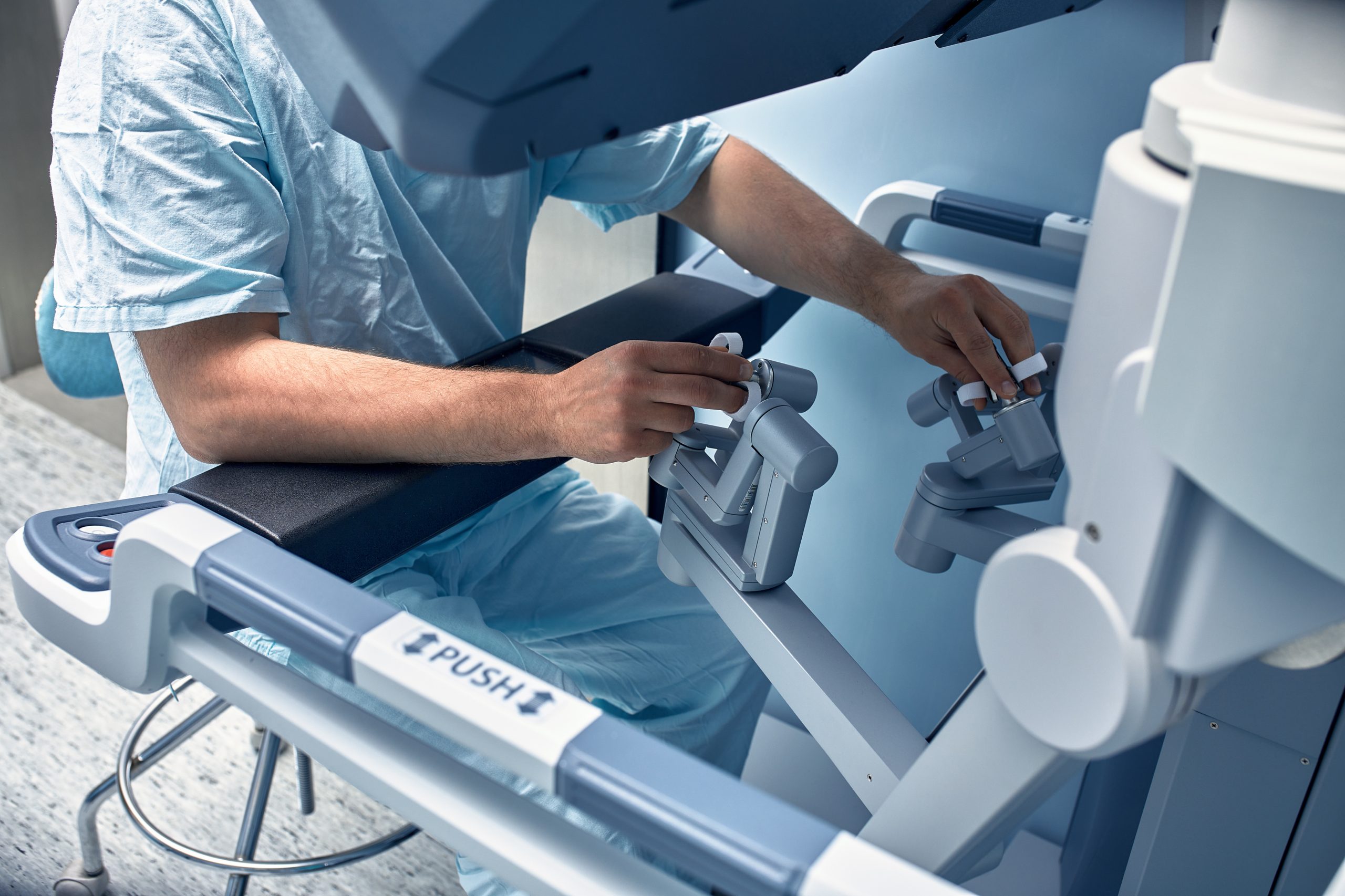
Surgery options may include robotic surgery. Long recovery times of up to six weeks and large incisions made recovery very difficult, but with advances in gynecologic surgery, especially robotic-assisted surgery, women can expect a much shorter recovery from pelvic surgery.
There are many potential advantages of robotic-assisted surgery over other types of surgery, including:
- Robot-assisted surgery provides the surgeon with 3D images of inside your abdomen and pelvis that create a clearer picture for them to reference as they operate.
- Under the surgeon’s direction, the robot can move more freely and with more versatility than a human hand
- You’ll have a few tiny scars.
- You’re more likely to experience less pain and less bleeding after surgery compared to open surgery.
- A shorter hospital stay.
Experienced surgeons use the da Vinci robot to treat women who suffer from troubling gynecologic conditions like endometriosis.
To learn more about the robotic surgical procedures at Flushing Hospital Medical Center or to schedule an appointment, call (718) 670-5000.
All content of this newsletter is intended for general information purposes only and is not intended or implied to be a substitute for professional medical advice, diagnosis or treatment. Please consult a medical professional before adopting any of the suggestions on this page. You must never disregard professional medical advice or delay seeking medical treatment based upon any content of this newsletter. PROMPTLY CONSULT YOUR PHYSICIAN OR CALL 911 IF YOU BELIEVE YOU HAVE A MEDICAL EMERGENCY.