National Endometriosis Awareness Month

March is National Endometriosis Awareness Month. Endometriosis is a condition that affects the lining of the uterus (also known as the endometrium); it currently affects an estimated 176 million women around the globe. Some of the symptoms of endometriosis include:

  • Painful sexual intercourse
  • Pain during pelvic examinations
  • Severe pain during menstruation
  • Pain during urination or a bowel movement
  • Excessive bleeding
  • Infertility

Symptoms of endometriosis tend to appear during reproductive years, between the ages of 12 and 60. The highest number of cases are diagnosed between the ages of 25 to 35; however, some women with endometriosis remain undiagnosed because they do not have symptoms. Additionally, this disorder can sometimes be mistaken for other conditions.

Endometriosis causes the inner lining of the uterus to grow outside of the uterus. This most commonly affects the ovaries, fallopian tubes, ligaments that support the uterus, and the areas between the rectum and the vagina. Rarely, endometriosis can also occur in the lungs, thighs, arms, and other parts of the body that are more distant from reproductive organs.

When endometrial tissue spreads, it develops into growths called implants. These clumps of tissue are affected by the menstrual cycle as though they were inside of the uterus, regardless of their actual location. Each month, they build up, break down, and shed. However, endometrial tissue cannot be discharged from the body if it is not inside the uterus; as a result, these implants cause inflammation, swelling, internal bleeding, and the formation of scar tissue.

Doctors do not yet know what causes endometriosis, but certain risk factors have been identified that may make you more likely to develop it. These include:

  • An immediate family member with endometriosis
  • An abnormal uterus
  • Menstruation that begins before the age of 11
  • Shorter menstrual periods, lasting less than 27 days on average
  • Heavy menstruation that lasts for more than one week

If you experience symptoms of endometriosis, your doctor can perform a variety of tests, such as pelvic examinations, laparoscopy, and imaging tests such as magnetic resonance imaging (MRI) to accurately diagnose it. While there is no cure for endometriosis, your doctor can work with you to develop an effective treatment that may incorporate options such as medication, surgery, or alternative therapies.

You can schedule an appointment with an OB/GYN at Flushing Hospital Medical Center’s Women’s Health Center to receive high-quality treatment for endometriosis. To learn more, please call 718 670-5702.


All content of this newsletter is intended for general information purposes only and is not intended or implied to be a substitute for professional medical advice, diagnosis or treatment. Please consult a medical professional before adopting any of the suggestions on this page. You must never disregard professional medical advice or delay seeking medical treatment based upon any content of this newsletter. PROMPTLY CONSULT YOUR PHYSICIAN OR CALL 911 IF YOU BELIEVE YOU HAVE A MEDICAL EMERGENCY.
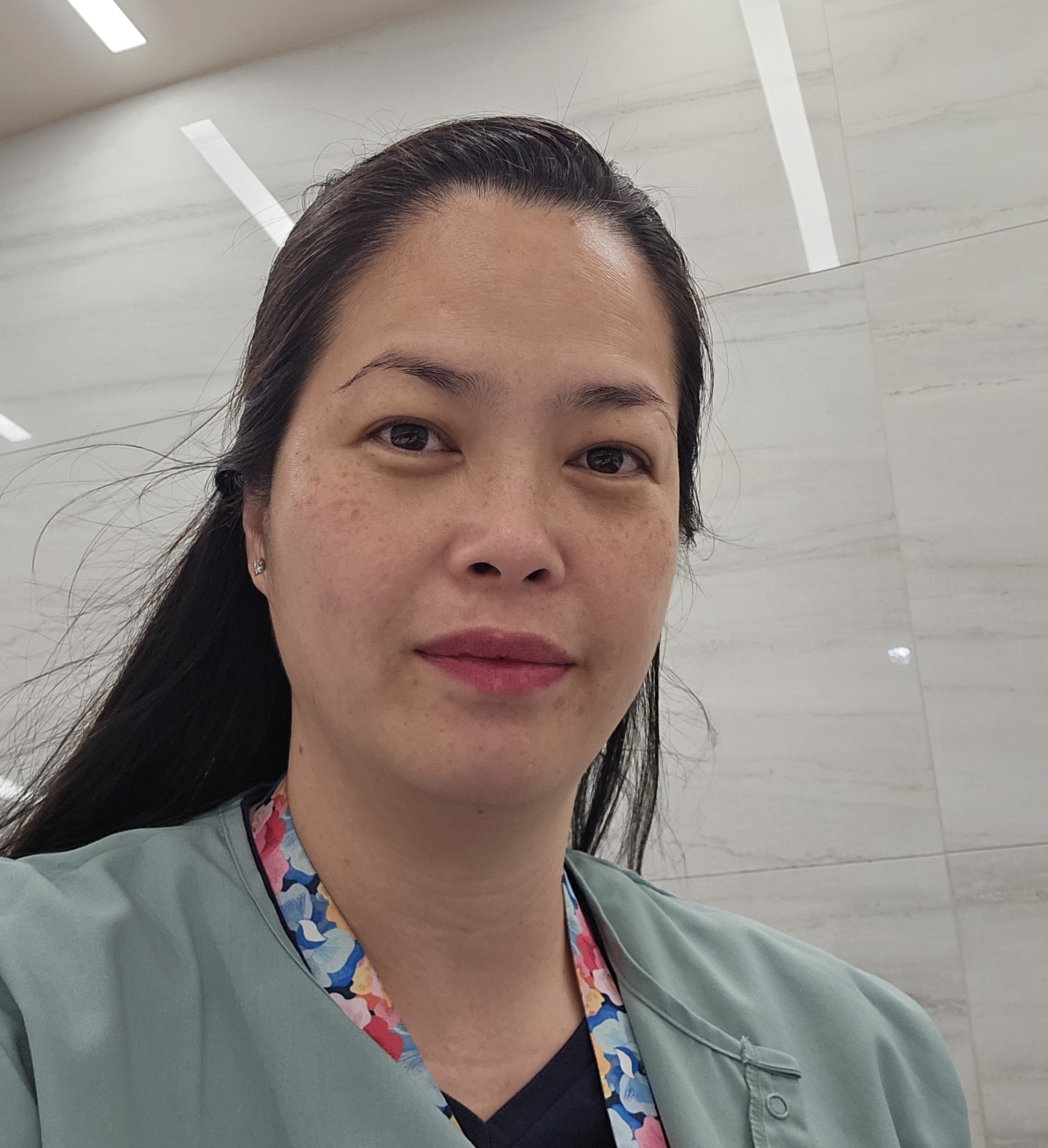
Meet Our New Beginnings Team Member Lauren Shore, LMSW

We are proud to recognize our New Beginnings Team member, Lauren Shore, LMSW,  a social worker in Flushing Hospital Medical Center’s Mother-Baby New Beginnings unit. Lauren began her career at Flushing Hospital 22 years ago, first working in the Women’s Services division of the Ambulatory Care Center,  then moving on to her current role in the Mother-Baby unit.

Lauren truly enjoys working with our patients and being able to take care of them from the start of their journey into parenthood. She takes pride in working as a social worker. Her position allows her to support families during the most challenging and transformative times in their lives.

Welcoming a new baby can bring both joy and stress, especially when medical complications arise. She finds being able to provide emotional support, resources, and guidance to parents navigating the NICU experience is incredibly fulfilling. She finds purpose in helping families feel heard, empowered, and connected to the care they need. Witnessing their strength and resilience and knowing that she can make a difference during this critical time makes her work deeply meaningful. Lauren feels grateful that she is surrounded by an amazing team and has learned so much from her colleagues.

All content of this newsletter is intended for general information purposes only and is not intended or implied to be a substitute for professional medical advice, diagnosis or treatment. Please consult a medical professional before adopting any of the suggestions on this page. You must never disregard professional medical advice or delay seeking medical treatment based upon any content of this newsletter. PROMPTLY CONSULT YOUR PHYSICIAN OR CALL 911 IF YOU BELIEVE YOU HAVE A MEDICAL EMERGENCY.

Stroke Treatment Options

Strokes happen when a blood clot or broken blood vessel prevents blood from getting to your brain. The lack of blood flow deprives brain cells of the oxygen and nutrients they need to survive, causing them to die in minutes.

There are two types of strokes: ischemic and hemorrhagic.

Ischemic strokes usually happen because a blood clot blocks a blood vessel connected to your brain. Hemorrhagic strokes occur when a blood vessel in your brain breaks or ruptures.

Strokes can be fatal. Therefore, you must know the symptoms and pay attention to them when they occur. Symptoms of strokes include:

  • Trouble speaking and understanding what others are saying
  • Numbness, weakness, or paralysis in the face, arm, or leg
  • Problems seeing in one or both eyes
  • Headaches
  • Trouble walking
  • Confusion
  • Dizziness or vertigo
  • Blurred vision or double vision
  • Loss of coordination

Seek immediate medical attention if you notice any symptoms of a stroke, even if they seem to come and go or disappear completely.

To diagnose a stroke, a healthcare provider will use a combination of neurological exams and tests that include:

  • Blood tests
  • CT scan
  • Electroencephalogram (EEG)
  • Electrocardiogram (EKG)
  • MRI
  • Carotid ultrasound
  • Cerebral angiogram

Some treatments are most effective when given soon after a stroke starts. Emergency treatment depends on whether you’re having an ischemic or hemorrhagic stroke.

To treat an ischemic stroke, blood flow must quickly be restored to the brain. This can be done with:

  • Emergency IV medicine
  • Emergency endovascular procedures
    • Medications delivered directly to the brain
    • Removing the clot with a stent retriever
  • Other procedures, such as a carotid endarterectomy and angioplasty and stents

Emergency treatment of hemorrhagic stroke focuses on controlling the bleeding and reducing the pressure in the brain caused by excess fluid. If the area of bleeding is large, surgery may be needed to remove the blood and relieve pressure on the brain. Surgery may also be required to repair blood vessel damage due to the hemorrhagic stroke. A healthcare professional may recommend a procedure if an aneurysm, arteriovenous malformation (AVM), or other blood vessel condition caused the stroke. Procedures include:

  • Surgical clipping
  • Endovascular embolization, also known as coiling
  • Surgical removal of a tangle of thin-walled blood vessels, known as AVM
  • Stereotactic radiosurgery

Stroke rehabilitation is an important part of stroke treatment. Rehabilitation will help you adjust to changes in your brain and body after a stroke. You may need to regain abilities you had before or need to adjust to new or different disabilities. You may need a combination of:

  • Cognitive rehabilitation
  • Occupational therapy
  • Physical therapy
  • Speech therapy

Maintaining your overall health is the best way to reduce your risk of a stroke. Some ways you can sustain your overall health include the following:

  • Eating plenty of healthy foods and maintaining a healthy weight
  • Engaging in regular physical activity
  • Managing your blood pressure, cholesterol, and any health conditions you may have
  • Quitting smoking

If you are experiencing any symptoms of a stroke, call 911 immediately. If you need assistance managing your health to prevent a stroke or maintaining your overall wellness, visit Flushing Hospital Medical Center’s Ambulatory Care Center. To schedule an appointment, please call (718) 670-5486.

All content of this newsletter is intended for general information purposes only and is not intended or implied to be a substitute for professional medical advice, diagnosis or treatment. Please consult a medical professional before adopting any of the suggestions on this page. You must never disregard professional medical advice or delay seeking medical treatment based upon any content of this newsletter. PROMPTLY CONSULT YOUR PHYSICIAN OR CALL 911 IF YOU BELIEVE YOU HAVE A MEDICAL EMERGENCY.

Anorexia #NationalEatingDisorderAwarenessMonth

Anorexia nervosa, more commonly known as anorexia, is an eating disorder that involves severe calorie restriction and often a low body weight based on personal weight history. It is a complex condition that has mental, behavioral, and physical symptoms.

People who have anorexia often have a strong fear of gaining weight and may think they’re overweight, even if they are not. To prevent gaining weight or to continue to lose weight, people with anorexia often limit the amount or type of food they eat. They do this by restricting the number of calories they consume, resulting in a nutrient deficit and usually, but not always, a very low body weight.

Anorexia can cause changes in the brain due to malnutrition. If left untreated, weight loss can get to a point where people with anorexia are at high risk of serious physical harm or death. Anorexia has the second-highest death rate of any mental illness, surpassed only by opioid overdoses. Most anorexia-related deaths stem from heart conditions and suicide.

There are two subtypes of anorexia nervosa based on eating behaviors:

Restrictive anorexia– the person severely limits the amount and type of food they eat

Binge-purge anorexia– the person greatly restricts the amount and type of food they eat. However, they also have binge-eating and purging episodes where they eat large amounts of food in a short time and then intentionally vomit or use laxatives or diuretics to get rid of what they consumed.

Anorexia involves physical, behavioral, and emotional and mental signs and symptoms.

Emotional and mental signs of anorexia include:

  • Intense fear of gaining weight
  • Body dysmorphia
  • Obsessive interest in food, calories, and dieting
  • Fear of certain foods or food groups
  • Being very self-critical
  • Denying the seriousness of your low body weight and/or food restriction
  • Feeling a strong need to be in control
  • Insomnia

It is common to have other mental health conditions alongside anorexia, you may have additional mental and emotional symptoms.

Behavioral signs of anorexia include:

  • Changes in eating habits or routines, such as eating foods in a certain order or rearranging foods on a plate
  • A sudden change in food preferences, such as eliminating certain food types or food groups
  • Making frequent comments about feeling “fat” or being overweight despite weight loss
  • Purging through intentional vomiting and/or misusing laxatives or diuretics
  • Going to the bathroom right after eating
  • Misusing diet pills or appetite suppressants
  • Compulsive and/or excessive exercising
  • Continuing to limit calories even when your weight is love for your sex, height, and age
  • Wearing loose clothing and/or wearing layers to hide weight loss and stay warm
  • Withdrawing from loved ones and social events

Physical signs and symptoms of anorexia can include:

  • Significant weight loss over several weeks or months
  • Not maintaining an appropriate body weight based on your height, age, sex, stature, and physical health
  • Unexplained change in growth curve or body mass index (BMI) in children and still-growing adolescents

Physical signs and symptoms of anorexia that are side effects of starvation and malnutrition include:

  • Dizziness and/or fainting
  • Fatigue
  • Abnormal heart rhythm
  • Low blood pressure
  • Feeling cold all the time
  • Absent periods or irregular menstrual periods
  • Bloating and/or abdominal pain
  • Muscle weakness and loss of muscle mass
  • Dry skin, brittle nails, and/or thinning hair
  • Poor wound healing and frequent illness

Anorexia is a complex condition with no singular cause. Research suggests that a combination of certain factors may be responsible, such as:

  • Genetics
  • Brain changes
  • Trauma
  • Environment and culture
  • Peer pressure
  • Emotional health

Anorexia nervosa affects all gender identities, races, ages, incomes, and body types. It is also more common among teenagers, although people of any age can develop anorexia. Teens can be more at risk due to all of the changes their bodies go through during puberty. They also face peer pressure and can be more sensitive to criticism or casual comments about weight or body shape. Certain factors can raise the risk of anorexia and other eating disorders, including:

  • Family history
  • A history of weight bullying
  • A history of dieting
  • Transitions

A healthcare provider can diagnose anorexia nervosa based on the criteria listed in the Diagnostic and Statistical Manual of Mental Disorders (DSM-5). The three criteria include:

  • Restriction of calorie consumption that leads to weight loss or a failure to gain weight. This results in a significantly low body weight based on your age, sex, height, and stage of growth.
  • Intense fear of gaining weight or becoming fat
  • Having a distorted view of yourself and the seriousness of the state of your health

If you have signs and symptoms of anorexia, a healthcare provider will do a complete medical history and physical exam. They will ask questions about your:

  • Dietary history
  • Exercise history
  • Psychological history
  • Body image
  • Purging frequency and elimination habits (use of pills, laxatives, and diuretics)
  • Family history of eating disorders

Treatment for anorexia varies depending on the person’s needs. They may receive treatment through inpatient or outpatient care based on their current medical and mental state. Treatment for anorexia most often involves a combination of:

  • Individual and group psychotherapy
  • Medication
  • Hospitalization

A person with anorexia or any eating disorder will have the best recovery outcome if they receive an early diagnosis. If you or someone you know are experiencing signs and symptoms of anorexia, be sure to talk to a provider as soon as possible.

To find out more about our mental health services or to schedule a virtual appointment, call (718) 670-5316 to speak with our intake coordinator or call (718) 670-5562 to reach the clinic.


All content of this newsletter is intended for general information purposes only and is not intended or implied to be a substitute for professional medical advice, diagnosis or treatment. Please consult a medical professional before adopting any of the suggestions on this page. You must never disregard professional medical advice or delay seeking medical treatment based upon any content of this newsletter. PROMPTLY CONSULT YOUR PHYSICIAN OR CALL 911 IF YOU BELIEVE YOU HAVE A MEDICAL EMERGENCY.
Tuberculosis

Tuberculosis is a serious infectious disease that mainly affects the lungs. It is caused by a bacteria called Mycobacterium tuberculosis. Tuberculosis can spread when a person with the illness coughs, sneezes, or speaks, releasing tiny droplets of germs into the air. Another person can breathe in the droplets, and the germs will enter the lungs.

When tuberculosis germs survive and multiply in the lungs, it is a TB infection. A TB infection can happen in one of three stages, each with symptoms.

Primary TB infection is the first stage of TB infection. Immune system cells find and capture the germs, which the immune system may destroy. However, some captured germs can still survive and multiply.

Most people don’t have symptoms during primary infection. Some people may have flu-like symptoms, including:

  • Low fever
  • Tiredness
  • Cough

Latent TB infection is the stage following primary TB infection. Immune system cells build a wall around lung tissue with TB germs, which keeps them under control. However, the germs survive. There aren’t any symptoms during latent TB infection.

Active TB disease happens when the immune system can’t control an infection. Germs cause disease throughout the lungs or other parts of the body. Active TB disease can happen right after primary infection, but it usually occurs after months or years of latent TB infection. Symptoms of active TB disease in the lungs begin gradually and worsen over a few weeks. Symptoms can include:

  • Cough
  • Coughing up blood or mucus
  • Chest pain
  • Pain with breathing or coughing
  • Fever
  • Chills
  • Night sweats
  • Weight loss
  • Loss of appetite
  • Tiredness
  • Not feeling well in general

Extrapulmonary tuberculosis occurs when an active TB infection spreads from the lungs to other body parts. Symptoms vary depending on what part of the body is infected. Common symptoms can include:

  • Fever
  • Chills
  • Night sweats
  • Weight loss
  • Not wanting to eat
  • Tiredness
  • Not feeling well in general
  • Pain near the site of infection

Common sites of active TB disease outside of the lungs include:

  • Kidneys
  • Liver
  • Fluid surrounding the brain and spinal cord
  • Heart muscles
  • Genitals
  • Lymph nodes
  • Bones and joints
  • Skin
  • Walls of blood vessels
  • The voice box or larynx

People with active TB infection can spread tuberculosis easily, especially in crowded spaces.

To diagnose a TB infection, a healthcare provider will perform an exam that includes:

  • Listening to you breathe with a stethoscope
  • Checking for swollen lymph nodes
  • Asking you questions about your symptoms

Your healthcare provider will order tests if:

  • Tuberculosis is suspected
  • You were likely exposed to a person with active TB disease
  • You have health risks for active TB disease

Your healthcare provider will determine whether a skin or blood test is best. X-rays, sputum tests, and other lab tests can also diagnose a TB infection.

Your healthcare provider may treat you with drug treatments if you have a latent TB infection. This is especially true for people who are at an increased risk of active TB disease. Most latent TB infections are treated for three or four months. Active TB may be treated for four, six, or nine months. Specialists in TB treatment will determine which drugs are best for you.

It is important to take every dose as instructed when your healthcare provider prescribes medication. You must complete the full course of treatment, as it is important for killing the bacteria in your body and preventing new drug-resistant bacteria.

If you are experiencing symptoms of tuberculosis, you must receive treatment from a doctor as soon as possible. You can schedule an appointment at Flushing Hospital Medical Center’s Ambulatory Care Center by calling (718) 670-5486.

All content of this newsletter is intended for general information purposes only and is not intended or implied to be a substitute for professional medical advice, diagnosis or treatment. Please consult a medical professional before adopting any of the suggestions on this page. You must never disregard professional medical advice or delay seeking medical treatment based upon any content of this newsletter. PROMPTLY CONSULT YOUR PHYSICIAN OR CALL 911 IF YOU BELIEVE YOU HAVE A MEDICAL EMERGENCY.

Robotics: Gastric Bypass

Gastric bypass or “Roux-en-Y” is a metabolic and weight-loss procedure that works by modifying your digestive system so that you consume and absorb fewer calories. It modifies your stomach and also your small intestines.

Similar to other bariatric surgery operations, gastric bypass is recommended for people who have clinically severe obesity. It has been shown to help relieve a long list of obesity-related health conditions, including:

  • Type 2 diabetes
  • Hypertension
  • Obstructive sleep apnea
  • GERD (chronic acid reflux)
  • Heart disease
  • Hyperglycemia
  • Fatty liver disease
  • Hyperlipidemia
  • Osteoarthrosis

The Roux-en-Y procedure gets its name from how it changes your digestive system. “Roux-en-Y” means “in the shape of a Y”. The procedure divides your stomach and small intestine, connecting each new segment to form a “Y” shape. This procedure reduces the functional part of your stomach to a small pouch, separating it from the rest with surgical staples, and restricting the amount of food your stomach can hold. Then, it connects the new stomach pouch to a lower segment of your small intestine. This means that when food goes through your digestive system, it will now bypass most of your stomach and the first part of your small intestine, causing your digestive system to not absorb all of the nutrients or calories in your food.

Gastric bypass surgery requirements are similar to those of other bariatric procedures. A qualified healthcare provider must recommend you for surgery. You may be a candidate for gastric bypass surgery if you:

  • Have been diagnosed with class III obesity
  • Have a BMI of at least 35 with at least one obesity-related condition
  • Have obesity-related type 2 diabetes

Most Roux-en-Y surgical procedures today are laparoscopic, a minimally invasive surgical technique. However, sometimes they are done with robotic assistance.

There are many potential advantages of robotic-assisted surgery over other types of surgery including:

  • Robot-assisted surgery provides the surgeon with 3D images of inside your abdomen that create a clearer picture for them to reference as they operate compared to the 2D images used during laparoscopic surgery
  • Under the surgeon’s direction, the robot can move more freely and with more versatility than a human hand
  • You’ll have a few tiny scars rather than one large incision scar (as with open surgery)
  • You’re more likely to experience less pain and less bleeding after surgery compared to open surgery
  • You’re more likely to have a quicker recovery time than with open surgery

To learn more about the robotic surgical procedures at Flushing Hospital Medical Center or to schedule an appointment, call (718) 670-5000.


All content of this newsletter is intended for general information purposes only and is not intended or implied to be a substitute for professional medical advice, diagnosis or treatment. Please consult a medical professional before adopting any of the suggestions on this page. You must never disregard professional medical advice or delay seeking medical treatment based upon any content of this newsletter. PROMPTLY CONSULT YOUR PHYSICIAN OR CALL 911 IF YOU BELIEVE YOU HAVE A MEDICAL EMERGENCY.

Signs Your Blood Sugar is Too High

Hyperglycemia, also known as high blood sugar, is common in people who have diabetes. It occurs when too much sugar (glucose) is in the blood and the body has too little insulin or if the body can’t use insulin properly to regulate blood sugar levels.

People with diabetes can experience hyperglycemia episodes frequently.

Hyperglycemia usually doesn’t cause symptoms until blood sugar levels are high – above 180 to 200 milligrams per deciliter (mg/dL), or 10 to 11.1 millimoles per liter (mmol/L).

Symptoms for hyperglycemia develop slowly over several days or weeks. The longer sugar levels stay high, the more serious symptoms can become. However, some people who’ve had type 2 diabetes for a long time may not show any symptoms despite high blood sugar levels. Early symptoms of hyperglycemia include:

  • Frequent urination
  • Increased thirst
  • Blurred vision
  • Feeling weak or unusually tired
  • Headache

Recognizing early symptoms of hyperglycemia can help identify and treat it right away.

If hyperglycemia isn’t treated, it can cause toxic acids called ketones, to build up in the blood and urine. This condition is called ketoacidosis. Symptoms include:

  • Fruity-smelling breath
  • Dry mouth
  • Abdominal pain
  • Nausea and vomiting
  • Shortness of breath
  • Confusion or disorientation
  • Loss of consciousness
  • Dehydration
  • Rapid heartbeat

Hyperglycemia most often results from a lack of insulin. This happens due to insulin resistance and/or issues with the pancreas, the organ that makes insulin.

However, other hormones can contribute to the development of hyperglycemia as well. Excess of the stress hormone cortisol or the growth hormone can lead to high blood sugar.

Chronic hyperglycemia over the years can damage blood vessels and tissues in your body. This can lead to a variety of complications, including:

  • Retinopathy
  • Nephropathy
  • Neuropathy
  • Gastroparesis
  • Heart disease
  • Stroke

Hyperglycemia is diagnosed when a healthcare provider orders blood work to screen for the condition and diagnose diabetes. These tests may include:

  • Fasting glucose tests.
  • Glucose tolerance tests.
  • A1c test.

Injected insulin is the main way to treat hyperglycemia episodes. Everyone requires different doses. Your healthcare provider will work with you to determine which dose is best to treat and prevent high blood sugar. Dietary changes and exercise plans can also help manage your blood sugar to prevent hyperglycemia.

If you’re experiencing symptoms of hyperglycemia, you can receive treatment from an endocrinologist at Flushing Hospital Medical Center’s Ambulatory Care Center. To schedule an appointment, please call (718) 670-5486.


All content of this newsletter is intended for general information purposes only and is not intended or implied to be a substitute for professional medical advice, diagnosis or treatment. Please consult a medical professional before adopting any of the suggestions on this page. You must never disregard professional medical advice or delay seeking medical treatment based upon any content of this newsletter. PROMPTLY CONSULT YOUR PHYSICIAN OR CALL 911 IF YOU BELIEVE YOU HAVE A MEDICAL EMERGENCY.

The Link between Alcohol and Cancer

The Office of the Surgeon General recently issued an advisory calling for updated warnings on alcoholic beverages, cautioning that the consumption of alcohol heightens the risk of several types of cancer.

The current labels on alcoholic beverages warn about drinking while pregnant, drinking while driving, and operating machinery, as well as other general “health risks”.  The Office of the Surgeon General noted that alcohol consumption contributes to approximately 100,000 cancer cases and 20,000 cancer-related deaths each year. Therefore, the public needs to be warned about the link between alcohol consumption and an increased risk of cancer.

Alcohol has been classified as a carcinogen “primarily due to its metabolite, acetaldehyde, which has the ability to bind to DNA and potentially cause mutations”, says Dr. Vasilis Vasiliou PhD, chair of the Department of Environmental Health Sciences and the Susan Dwight Bliss Professor of Epidemiology at the Yale School of Public Health. Acetaldehyde may also increase the risk of aerodigestive cancers, which are cancers that affect the upper respiratory and digestive tracts. Aerodigestive cancers include cancer of the lip, tongue, salivary glands, and other oral and nasal regions. “Furthermore, acetaldehyde may have a more pronounced effect on individuals with mutations in DNA-repair enzymes, such as BRCA1 and BRCA2. Mutations in these BRCA1 and BRCA2 enzymes can increase the risk of developing breast or ovarian cancer”, Dr. Vasiliou says.

Dr. Vasiliou acknowledges that the adverse effects of alcohol are significantly influenced by the dose-response relationship, which considers both the quantity of alcohol consumed daily and the duration of consumption over time. These factors, along with co-exposures to environmental contaminants, play a pivotal role in determining the severity of alcohol-related risks. Such interactions suggest that alcohol’s harmful effects cannot be fully understood in isolation but should instead be evaluated within the broader context of combined exposures to other environmental and lifestyle-related carcinogens.

Dr. Vasiliou offers this advice when it pertains to alcohol and its link to cancer:

  • Do not start drinking for health reasons
  • Limit consumption
  • Consider personal and family health risks
  • Seek non-alcoholic sources of antioxidants

Synergistic interactions with other environmental carcinogens and lifestyle factors influence the risk of cancer from alcohol consumption. Reducing alcohol intake, alongside minimizing exposure to other known carcinogens such as tobacco smoke, environmental pollutants, and chemical toxins, is a critical strategy for lowering overall cancer risk. Comprehensive prevention efforts should address not only alcohol consumption but also broader environmental and lifestyle factors.


All content of this newsletter is intended for general information purposes only and is not intended or implied to be a substitute for professional medical advice, diagnosis or treatment. Please consult a medical professional before adopting any of the suggestions on this page. You must never disregard professional medical advice or delay seeking medical treatment based upon any content of this newsletter. PROMPTLY CONSULT YOUR PHYSICIAN OR CALL 911 IF YOU BELIEVE YOU HAVE A MEDICAL EMERGENCY.
Congratulations to Flushing Hospital Medical Center for being Recognized as Pediatric Ready!

Congratulations to Flushing Hospital Medical Center for being recognized as Pediatric Ready! by the New York Always Ready for Children Pediatric Recognition Program.

Flushing Hospital Medical Center participated in the program which aims to ensure that every ill and injured child receives appropriate emergency medical care within New York State emergency departments. The hospital was recognized for its efforts and dedication to help set the standard for the best possible pediatric care in New York.

This recognition is a testament to Flushing Hospital’s commitment to pediatric readiness in medical and traumatic emergencies. Participating in the New York Always Ready for Children Pediatric Recognition Program indicates participation in the National Pediatric Readiness Project, having a physician and nurse Pediatric Emergency Care Coordinator, and a willingness to share resources and collaborate with other hospitals in New York State to improve pediatric care.

This program is supported by the EMS for Children Innovation and Improvement Center, the Federal Health Resource and Service Administration (HRSA), the American Academy of Pediatrics, the Emergency Nurses Association, the American College of Emergency Physicians, and the American College of Surgeons.

The Always Ready for Children (ARC) Pediatric Recognition Program is a state and region-wide recognition system for emergency departments committed to improving their pediatric care. The program was created, managed, and maintained by the region’s EMS for Children State Partnership Programs (EMSC), with support from the Health Resources and Services Administration and the EMSC Innovation and Improvement Center.

All content of this newsletter is intended for general information purposes only and is not intended or implied to be a substitute for professional medical advice, diagnosis or treatment. Please consult a medical professional before adopting any of the suggestions on this page. You must never disregard professional medical advice or delay seeking medical treatment based upon any content of this newsletter. PROMPTLY CONSULT YOUR PHYSICIAN OR CALL 911 IF YOU BELIEVE YOU HAVE A MEDICAL EMERGENCY.

Low-Sodium Foods for Hypertension

Page of a note with title Low sodium diet.Hypertension or high blood pressure can be caused by several factors including a diet that is rich in high-sodium foods.

Consuming too much sodium may increase blood pressure; therefore, a low-sodium diet is often recommended for people with hypertension.

A low-sodium diet aims to limit sodium intake to less than 2,300 milligrams(mg) per day. This can be achieved by eating salt-free foods or those that contain less than 140 mg per serving.

Foods you can include in a low-sodium diet include:

  • Eggs
  • Fresh legumes
  • Unsalted nuts and seeds
  • Dried beans
  • Canned vegetables with no added salt or low sodium
  • Fresh poultry, fish, or beef
  • Whole grains
  • Herbs and spices
  • Avocado and olive oils

Some high-sodium foods to avoid are:

  • Smoked or cured foods
  • Pizza
  • Processed foods
  • Pickled vegetables
  • Salted nuts
  • Canned meat
  • Canned beans with salt added
  • High sodium canned soups
  • Soy sauce
  • Tomato sauce
  • Instant pudding

Another popular diet to follow when managing hypertension is the DASH (Dietary Approaches to Stop Hypertension) diet. The DASH diet promotes foods that are rich in potassium, fiber, magnesium and protein, and are low in saturated fat and sodium.

Working with a registered dietitian can help you manage hypertension. Your dietitian can create personalized meals that focus on lowering sodium consumption, maintaining healthy blood pressure and improving overall health.

All content of this newsletter is intended for general information purposes only and is not intended or implied to be a substitute for professional medical advice, diagnosis or treatment. Please consult a medical professional before adopting any of the suggestions on this page. You must never disregard professional medical advice or delay seeking medical treatment based upon any content of this newsletter. PROMPTLY CONSULT YOUR PHYSICIAN OR CALL 911 IF YOU BELIEVE YOU HAVE A MEDICAL EMERGENCY.