Men’s Health Month: Low Testosterone

Low testosterone, or male hypogonadism, is a condition in which the testicles don’t produce enough testosterone.  

Testosterone is a hormone that stimulates the development of male characteristics and is essential for sperm production. Levels of testosterone are naturally much higher in men than in women. In men, testosterone helps maintain and develop: 

  • Sex organs and genitalia 
  • Muscle mass 
  • Adequate levels of red blood cells 
  • Bone density 
  • Sense of well-being 
  • Sexual and reproductive function 

Low testosterone can begin during fetal development, puberty, or adulthood. Signs and symptoms of low testosterone depend on when the condition develops.  

If the body doesn’t produce enough testosterone during fetal development, the result may be impaired growth of the external sex organs. Depending on when it develops and how much testosterone is present, a child who is genetically male may be born with: 

  • Female genitals 
  • Genitals that are neither male nor female (ambiguous genitals) 
  • Underdeveloped male genitals 

Male hypogonadism can delay puberty or cause incomplete or abnormal development. It can impede: 

  • Development of muscle mass 
  • Voice deepening 
  • Growth of body hair and facial hair 
  • Growth of the penis and testicles 

It can also cause: 

  • Excessive growth of the arms and legs in relation to the trunk of the body 
  • Development of breast tissue 

Hypogonadism can alter certain masculine physical characteristics and impair normal reproductive function in adult males. Early signs and symptoms might include: 

  • Decreased sex drive 
  • Decreased energy 
  • Depression 

Over time, men with hypogonadism can develop: 

  • Erectile dysfunction 
  • Infertility 
  • A decrease in hair growth on the face and body 
  • A decrease in muscle mass 
  • The development of breast tissue 
  • Loss of bone mass 

There are two possible causes of low testosterone levels: 

  • Primary hypogonadism 
  • Secondary hypogonadism 

The causes of primary and secondary hypogonadism are also divided into either congenital (at birth) or acquired (developed later in childhood or adulthood).  

Primary hypogonadism happens when something is wrong with the testicles that doesn’t allow them to make normal levels of testosterone.  

Secondary hypogonadism is caused by conditions that affect how the hypothalamus and/or pituitary gland function. 

If you have any signs or symptoms of low testosterone, a healthcare provider will perform a physical exam and ask questions about your medical history, medications you take or have taken, smoking history, and any symptoms you currently have. They may also order blood tests. To make a diagnosis, they will consider your specific signs, symptoms, and any blood test results.  

Healthcare providers treat low testosterone with testosterone replacement therapy. There are several forms of testosterone replacement therapy, including: 

  • Testosterone skin gels 
  • Intramuscular testosterone injections 
  • Testosterone patches 
  • Testosterone pellets 
  • Buccal testosterone tablets 
  • Testosterone nasal gel 
  • Oral testosterone 

Healthcare providers and medical researchers don’t know how to prevent low testosterone resulting from genetic conditions or damage to the testicles, hypothalamus, or pituitary gland. However, lifestyle habits may help keep testosterone levels normal. They include: 

  • Eating a healthy diet 
  • Exercising 
  • Managing your weight 
  • Avoiding excessive use of alcohol and drugs 

If you’re experiencing symptoms of low testosterone, you can receive treatment from an endocrinologist at Flushing Hospital Medical Center’s Ambulatory Care Center. To schedule an appointment, please call (718) 670-5486. 


All content of this newsletter is intended for general information purposes only and is not intended or implied to be a substitute for professional medical advice, diagnosis or treatment. Please consult a medical professional before adopting any of the suggestions on this page. You must never disregard professional medical advice or delay seeking medical treatment based upon any content of this newsletter. PROMPTLY CONSULT YOUR PHYSICIAN OR CALL 911 IF YOU BELIEVE YOU HAVE A MEDICAL EMERGENCY.


Early Signs of Diabetes

Diabetes is a chronic (long-lasting) disease that occurs when your glucose or blood sugar levels are too high.  Having diabetes affects the body’s ability to make enough insulin (a hormone produced by the pancreas) or use it properly.

Insulin is needed to move glucose from our bloodstream into our cells, where it is converted into energy. If glucose is not moved into our cells, too much of it remains in the bloodstream.

Consistently high blood sugar left untreated can lead to complications or other serious health problems, including:

  • Damage to the eyes (potentially leading to blindness)
  • Heart disease
  • Neuropathy or nerve damage
  • Kidney damage or kidney disease
  • Vascular disease
  • Limb loss
  • Stroke
  • Foot ulcers

Recognizing the early signs of diabetes and getting treatment promptly can help minimize the risk of health complications.  Here are some of the early signs of the disease to be aware of:

  • Increased thirst
  • Extreme hunger
  • Frequent urination
  • Blurred vision
  • Slow-healing wounds or infections
  • Unexplained weight loss
  • Numbness or tingling in the hands, legs, or feet
  • Fatigue
  • Dry mouth
  • Acanthosis nigricans (a condition characterized by darkening of the skin in certain places, such as the neck and armpits)
  • Stroke

If you are experiencing these symptoms, please schedule an appointment with your doctor.  Doctors diagnose diabetes through tests that may include glucose tolerance tests, A1C tests, or fasting blood sugar tests.  If it is determined that you have diabetes, your physician may prescribe medications and make recommendations for lifestyle changes.

To schedule an appointment with a doctor at Flushing Hospital Medical Center, please call 718-670-5486.

All content of this newsletter is intended for general information purposes only and is not intended or implied to be a substitute for professional medical advice, diagnosis or treatment. Please consult a medical professional before adopting any of the suggestions on this page. You must never disregard professional medical advice or delay seeking medical treatment based upon any content of this newsletter. PROMPTLY CONSULT YOUR PHYSICIAN OR CALL 911 IF YOU BELIEVE YOU HAVE A MEDICAL EMERGENCY.

What are Forever Chemicals?

PFAS (per- and polyfluoroalkyl substances) or forever chemicals are a large, complex group of synthetic chemicals used worldwide in industry and consumer products since the 1940s. They are used to make grease-proof, waterproof, stick-proof, and stain-resistant materials. They are added to products such as:

  • Food packaging such as: pizza boxes, food wrappers, take-out containers, microwave popcorn bags, disposable trays, and bakery bags
  • Non-stick (Teflon) pans
  • Firefighting foam
  • Firefighters’ protective equipment
  • Carpets, rugs, furniture textiles, window treatments, and car seats
  • Stain-proof and waterproof clothing
  • Outdoor gear
  • Umbrellas
  • Personal care products, such as dental floss, mascara, foundation, and menstrual underwear
  • Artificial turf
  • Medical equipment and masks
  • Building materials

PFAS are called “forever chemicals” because they are extremely persistent, lasting thousands of years. Every American tested has PFAS in their blood. PFAS can get into our bodies when we:

  • Drink contaminated water
  • Eat foods from areas with contaminated soil or water
  • Accidentally swallow contaminated soil or dust
  • Eat food wrapped in materials containing PFAS
  • Accidentally swallow residue or dust from PFAS-containing consumer products, such as stain-resistant carpeting and water repellent clothing

This is a problem because even small doses of PFAS can increase the risk of a wide variety of health problems, including kidney and testicular cancer, liver problems, high cholesterol, and immunosuppression.

In 2005, two of the most harmful PFAS chemicals, PFOA (perfluorooctanoic acid) and PFOS (perfluorooctane sulfonate), were stopped from being manufactured after a class action lawsuit. Unfortunately, these two chemicals have contaminated water systems across the country and the world.

Since then, PFOA and PFOS have been replaced with similar but slightly modified chemicals. While scientists have not studied every PFAS chemical, there are 9,000 variants, and those chemicals have been studied, showing similar properties to PFOA and PFOS. They are persistent, mobile, and toxic even at very low doses, and often act in similar ways on similar organs as the chemicals they were developed to replace.

If you are concerned about PFAS exposures, talk with your healthcare provider about your risks, whether an additional health screening is appropriate, and the risks and benefits of testing.

All content of this newsletter is intended for general information purposes only and is not intended or implied to be a substitute for professional medical advice, diagnosis or treatment. Please consult a medical professional before adopting any of the suggestions on this page. You must never disregard professional medical advice or delay seeking medical treatment based upon any content of this newsletter. PROMPTLY CONSULT YOUR PHYSICIAN OR CALL 911 IF YOU BELIEVE YOU HAVE A MEDICAL EMERGENCY.
Alzheimer’s & Brain Awareness Month

June is Alzheimer’s and Brain Awareness Month. It is important to understand what Alzheimer’s is and what steps you can take to care for your brain.

Alzheimer’s disease is a degenerative disease and the most common type of dementia. It causes a slow decline in memory, thinking, and reasoning skills. Age is the biggest risk factor for the disease, followed by sex and family history.

Dementia is not a specific disease, but an overall term that describes a group of symptoms like memory loss and the loss of other mental abilities severe enough to interfere with daily life, caused by physical changes in the brain.

There are many signs and symptoms of Alzheimer’s and dementia. Ten early signs and symptoms include:

  • Memory loss that disrupts daily life
  • Challenges in planning or solving problems
  • Difficulty completing familiar tasks
  • Confusion with time and place
  • Trouble understanding visual images and spatial relationships
  • New problems with words in speaking or writing
  • Misplacing things and losing the ability to retrace steps
  • Decreased or poor judgment
  • Withdrawal from work or social activities
  • Changes in mood and personality

Even though there isn’t a cure for Alzheimer’s and many other types of dementia, there are many preventative measures you can take to care for your brain.

Here are five ways to care for your brain:

  1. Regular cardiovascular exercise elevates your heart rate and increases blood flow to the brain and body. Several studies have found an association between physical activity and reduced risk of cognitive decline.
  2. Eating a healthy and balanced diet lower in fat and higher in vegetables and fruit helps reduce the risk of cognitive decline. Although research on diet and cognitive decline is limited, certain diets, such as Mediterranean and Mediterranean-DASH (Dietary Approaches to Stop Hypertension), may help reduce the risk.
  3. It is Important to get enough sleep. Not getting enough sleep due to conditions like insomnia or sleep apnea may result in problems with memory and thinking.
  4. It is important to take care of your mental health. Some studies have linked a history of depression with an increased risk of cognitive decline. Seek medical treatment if you have experienced symptoms of depression, anxiety, or any other mental health concerns. Also, try to manage stress.
  5. It is important to challenge and activate your mind. Try building furniture, completing a jigsaw puzzle, doing something artistic, or playing a strategy game. Challenging your mind may have short and long-term benefits for your brain.

If you or a loved one is experiencing symptoms associated with Alzheimer’s, you can receive treatment from a neurologist at Flushing Hospital Medical Center’s Ambulatory Care Center. To schedule an appointment, please call (718)-670-5486.

All content of this newsletter is intended for general information purposes only and is not intended or implied to be a substitute for professional medical advice, diagnosis or treatment. Please consult a medical professional before adopting any of the suggestions on this page. You must never disregard professional medical advice or delay seeking medical treatment based upon any content of this newsletter. PROMPTLY CONSULT YOUR PHYSICIAN OR CALL 911 IF YOU BELIEVE YOU HAVE A MEDICAL EMERGENCY.

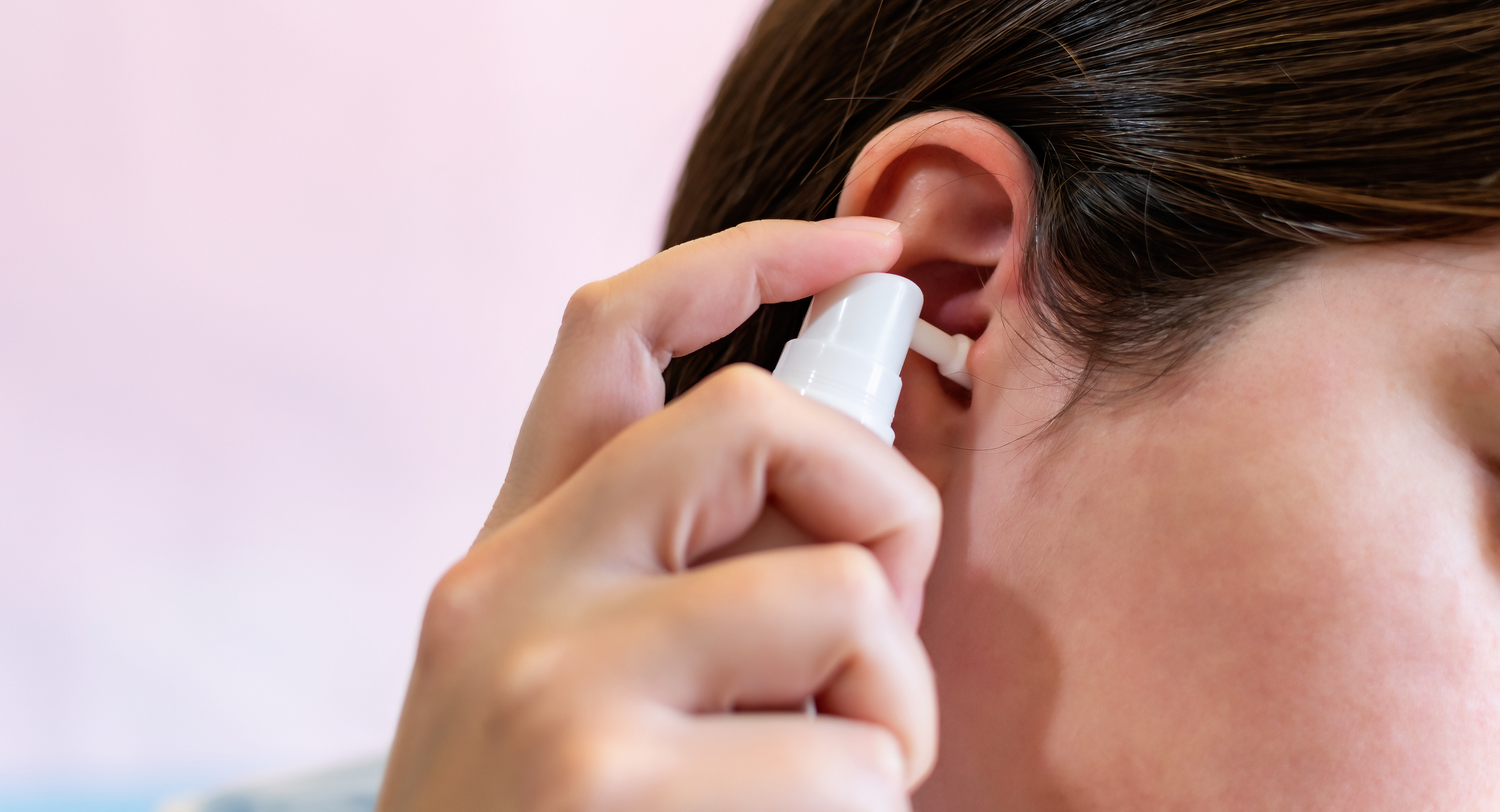
How to Clean Excess Earwax from Your Ears

Earwax, or cerumen, is a self-cleaning agent your body produces. It collects dirt, bacteria, and other debris. It usually works out of the ears naturally through chewing and other jaw motions and movement of the cells in the ear canal.

Sometimes, wax can build up in the ear canal, affecting a person’s hearing. When it reaches this level, it is called impaction.

If you have impaction, you may experience symptoms such as:

  • Aching in the affected ear
  • A feeling of fullness or ringing in the ear
  • Impaired hearing in the affected ear
  • An odor coming from the affected ear
  • Dizziness
  • A cough

You may be more likely to develop excess wax in the ears if you use hearing aids or earplugs. Older adults and people with developmental disabilities are also at higher risk. Your ear canal’s shape may make the natural removal of wax difficult.

The safest way to remove earwax buildup is to visit a healthcare provider. During the appointment, they may use special instruments, like a cerumen spoon, forceps, or a suction device, to clear the blockage. Some healthcare providers may use professional irrigation.

If you choose to try to remove the earwax yourself at home, the safest methods to do so include:

  • Using a warm, damp cloth instead of cotton swabs, as they may push wax deeper into the ear canal. Use cotton swabs only on the outside of the ear.
  • Using over-the-counter ear drops that soften the earwax. Place the specified number of drops in your ears, wait a certain period, and drain or rinse out your ears. Be sure to follow the instructions on the package.
  • Using a bulb syringe to irrigate your ears, gently rinse the ear canal using water or saline solution. This method is more effective if you use earwax softener 15 to 30 minutes before irrigating your ear(s). It is best to warm the solution to your body temperature to avoid dizziness. You shouldn’t attempt to irrigate your ears if:
    • You have diabetes
    • You have a compromised immune system
    • You may have a hole in your eardrum
    • You have tubes in the affected ear

Cleaning your ears too often may irritate the ear canal or lead to more impaction if done incorrectly.

The symptoms of an earwax blockage may also signal another medical problem. Ear infection symptoms can typically develop rapidly. You should contact a healthcare provider if you have the following symptoms:

  • Pain in the middle ear
  • Fluid drainage
  • Impaired hearing

Contact a healthcare provider if you experience earwax impaction more than once a year or have certain risk factors. You may want to schedule routine professional cleanings every 6 to 12 months.

If you are experiencing symptoms of ear impaction, you can visit Flushing Hospital Medical Center’s Ambulatory Care Center. To schedule an appointment, please call (718) 670-5486.


All content of this newsletter is intended for general information purposes only and is not intended or implied to be a substitute for professional medical advice, diagnosis or treatment. Please consult a medical professional before adopting any of the suggestions on this page. You must never disregard professional medical advice or delay seeking medical treatment based upon any content of this newsletter. PROMPTLY CONSULT YOUR PHYSICIAN OR CALL 911 IF YOU BELIEVE YOU HAVE A MEDICAL EMERGENCY.

How High Blood Pressure Affects Kidney Health

Photo of woman checking blood presure at homeHypertension, or high blood pressure, negatively impacts our health, including kidney health.

Uncontrolled high blood pressure is a leading cause of kidney failure, and impaired kidney function can also lead to higher blood pressure levels.

High blood pressure, if left untreated or uncontrolled over time, can damage the blood vessels in our kidneys. When this happens, the kidneys do not receive enough oxygen and nutrients needed for proper functioning.

Additionally, high blood pressure can cause scarring of kidney tissue, a condition known as hypertensive arteriolar nephrosclerosis. This scarring impairs our kidneys’ ability to filter blood and regulate fluids.

When kidneys are damaged, they cannot filter blood effectively and struggle to remove waste and excess fluid from the body. This retention of fluids, salt, and toxins can further elevate blood pressure.

To significantly reduce the risk of these complications and others associated with high blood pressure, it is important to manage our health effectively. This can be achieved by:

  • Taking medications as prescribed
  • Limiting our sodium intake
  • Eating a healthy diet
  • Having regular blood pressure screenings
  • Drinking less alcohol
  • Exercising
  • Quitting smoking or using tobacco
  • Controlling cholesterol

Working with your doctor to control your blood pressure can help you minimize your risk of kidney damage and other health problems. To schedule an appointment with a doctor at Flushing Hospital Medical Center, please call 718-670-5486.

All content of this newsletter is intended for general information purposes only and is not intended or implied to be a substitute for professional medical advice, diagnosis or treatment. Please consult a medical professional before adopting any of the suggestions on this page. You must never disregard professional medical advice or delay seeking medical treatment based upon any content of this newsletter. PROMPTLY CONSULT YOUR PHYSICIAN OR CALL 911 IF YOU BELIEVE YOU HAVE A MEDICAL EMERGENCY.

Signs of a Fungal Infection

Fungal infections, or mycoses, are any disease or condition caused by a fungus. Fungal infections usually affect the skin, hair, nails, or mucous membranes. However, they can also infect your lungs or other body parts.

Fungi are living things. They move around by spreading out or sending spores into the air or the environment. Many fungi live naturally in our mouth, GI tract, and skin, but can overgrow under certain circumstances.

Scientists estimate that there are millions of fungi in the world, but only a small number of them are known to cause disease in people. This includes certain types of yeasts and molds. Some infections can be opportunistic, meaning they don’t usually cause infections, however, they can take advantage of a weakened immune system.

Anyone is susceptible to a fungal infection, especially those that affect the skin or nails. Fungal infections are more common in places on the body that trap moisture or have a lot of friction. A person is at higher risk of fungal infections if they have poor circulation, diabetes, or a weakened immune system from:

  • HIV/AIDS
  • Cancer or cancer treatments
  • Immunosuppressant medications

There are three types of fungal infections: superficial or mucocutaneous, subcutaneous (underneath the skin), or deep infections (inside other organs).

Symptoms of fungal infections depend on the kind and where it is on the body. Symptoms are most common on the skin, nails, or mucous membranes. Sometimes, symptoms of an infection can be present in the lungs, brain, eyes, intestinal tract, or sinuses.

Symptoms of superficial or subcutaneous infections include:

  • Itching, soreness, redness, or a rash in the affected area
  • Discolored, thick, or cracked nails
  • Pain while eating, loss of taste, or white patches in the mouth or throat
  • A painless lump under the skin

Symptoms of fungal infections in the lungs include:

  • Cough, sometimes producing blood
  • Fatigue
  • Fever
  • Shortness of breath
  • Muscle aches
  • Joint pain
  • Headache
  • Night sweats

Symptoms of fungal infections in other body parts can include:

  • A fungal infection in or around the brain: headache, fever, neck pain, nausea/vomiting, sensitivity to light, confusion
  • A fungal infection of the eyes: pain, redness, discharge, blurred vision, tearing, sensitivity to light
  • A fungal infection of the intestinal tract: abdominal pain, nausea, vomiting
  • A fungal infection in the sinuses: fever, nasal congestion, headache, one-sided facial swelling, facial pain

A healthcare provider diagnoses a fungal infection depending on where it is on the body. They may look for signs of fungus in, or try to grow fungus from samples of:

  • Skin or other affected tissue
  • Nail clippings
  • Blood
  • Phlegm
  • Fluid around the brain and spinal cord
  • Pee
  • Fluid from the eye
  • Vaginal discharge

If a healthcare provider thinks there is a fungal infection in the lungs, brain, or other internal organs, they might perform X-rays, an MRI, or CT imaging to look for signs of infection.

To treat a fungal infection, a healthcare provider may prescribe antifungal treatment in the form of:

  • Oral medications
  • IV medication
  • Lotion, cream, or powder
  • Mouthwash or lozenges
  • Eye drops
  • Shampoo

There are many ways to reduce the risk of various fungal infections, including practicing good personal hygiene and protecting yourself from fungi in the environment.

If you are experiencing symptoms of a fungal infection, visit Flushing Hospital Medical Center’s Ambulatory Care Center. To schedule an appointment, please call (718) 670-5486.


All content of this newsletter is intended for general information purposes only and is not intended or implied to be a substitute for professional medical advice, diagnosis or treatment. Please consult a medical professional before adopting any of the suggestions on this page. You must never disregard professional medical advice or delay seeking medical treatment based upon any content of this newsletter. PROMPTLY CONSULT YOUR PHYSICIAN OR CALL 911 IF YOU BELIEVE YOU HAVE A MEDICAL EMERGENCY.

Traditional vs Robotic Surgery

When a patient requires a surgical procedure, a healthcare provider and surgical team determine the most appropriate surgical method based on the patient’s condition. Two types of surgical methods that can be used are traditional and robotic.

Traditional, or open surgery, is a surgical technique that involves cutting the skin and tissues to provide the surgeon with a complete view of the structures or organs involved, such as the removal of the gallbladder or kidneys.

Robotic surgery is a minimally invasive surgical technique in which a surgeon performs a surgical procedure using a robotic device. The device features a robotic arm that can hold small surgical instruments and is more dexterous than a human hand.

There are several advantages of traditional surgery, including:

  • The effectiveness in treating a wide range of medical conditions
  • It allows for direct visualization and manipulation of organs and tissues
  • It can be performed quickly in emergencies
  • Many surgeons are highly trained and experienced in traditional surgical techniques

Traditional surgery can also have its disadvantages, including:

  • It can be invasive and cause pain, scarring, and longer recovery times
  • It can have a higher risk of infection and other complications
  • It can be expensive, especially if multiple procedures are needed

Robotic surgery can have several advantages, including:

  • It is more precise and accurate than traditional surgery
  • It is less invasive
  • It reduces blood loss
  • It has a faster recovery time
  • It creates fewer scars
  • It gives the surgeon a better range of motion
  • It gives the surgeon a better view of the surgical site, leading to more accurate and effective surgeries

The disadvantages of robotic surgery include:

  • It can cost more than traditional surgery
  • It gives the surgeon limited tactile feedback
  • There can be technical difficulties

Both traditional and robotic surgery have advantages and disadvantages. It all depends on the patient’s needs and what the healthcare provider and surgical team deem as the best course of action for that patient.

For more information about robotic surgery or to learn more about other surgical options at Flushing Hospital Medical Center, call (718) 670-5000 to make an appointment.


All content of this newsletter is intended for general information purposes only and is not intended or implied to be a substitute for professional medical advice, diagnosis or treatment. Please consult a medical professional before adopting any of the suggestions on this page. You must never disregard professional medical advice or delay seeking medical treatment based upon any content of this newsletter. PROMPTLY CONSULT YOUR PHYSICIAN OR CALL 911 IF YOU BELIEVE YOU HAVE A MEDICAL EMERGENCY.

Employee Spotlight Shines on Sarah Kan

This month, we are proud to shine our Employee Spotlight on Sarah Kan, Executive Receptionist at Flushing Hospital Medical Center.  Sarah has been working at the hospital for 14 years.

Sarah grew up in Queens where she attended the High School for Health Professionals and Human Services and is a graduate of Baruch College. She has two children, a girl who is 20 years old and a boy who is 16.  Sarah has one cat named Miso that she adopted from a shelter and one fish named Eden. Eden is an Oscar cichlid native to the Amazon Basin. Both of her pets are two years old.  In her free time, Sarah enjoys taking care of her plants, baking, playing with her cat, and keeping up on current events in the world. Sarah has also taken up painting. She enjoys traveling, especially with her family,  at least once a year.  A few of the places she has visited are Switzerland, the Netherlands, Iceland and Japan. She would like to visit Germany, Italy, Norway, the French Polynesia, and revisit Japan.

Sarah enjoys different types of cuisine. Her favorites are Japanese, Italian, steak and all types of desserts. She plays the piano, and her favorite type of music is classical.  Romantic comedies are her favorite  type of movies. She also enjoys stand-up comedians. Sarah likes to watch tennis.

Sarah enjoys working at Flushing Hospital because the employees are so pleasant and they work together well as a team. She receives great satisfaction from assisting patients and visitors, many of whom show their appreciation as they leave the hospital. We look forward  to Sarah continuing to work with us for many more years.

All content of this newsletter is intended for general information purposes only and is not intended or implied to be a substitute for professional medical advice, diagnosis or treatment. Please consult a medical professional before adopting any of the suggestions on this page. You must never disregard professional medical advice or delay seeking medical treatment based upon any content of this newsletter. PROMPTLY CONSULT YOUR PHYSICIAN OR CALL 911 IF YOU BELIEVE YOU HAVE A MEDICAL EMERGENCY.

Health Benefits of Walking

Several types of exercise, such as swimming, weightlifting, and running, offer many health benefits. Walking also provides numerous benefits to our health, including:

  • Helps you maintain a healthy weight and lose body fat
  • Helps prevent or manage various conditions, including heart disease, stroke, high blood pressure, cancer, and type 2 diabetes
  • Helps improve cardiovascular fitness
  • Helps strengthen bones and muscles
  • Helps improve muscle endurance
  • Helps increase energy levels
  • Helps improve mood, cognition, memory, and sleep
  • Helps improve balance and coordination
  • Helps strengthen the immune system
  • Helps reduce stress and tension
  • Helps extend a person’s lifespan
  • Helps inspire creative thinking

Walking is a versatile exercise for people of all ages and fitness levels. However, it is advised that you gradually work your way up to walking faster and walking a mile in a shorter amount of time. It can improve your heart health and increase your endurance while burning more calories.

Be sure to warm up and cool down before walking to avoid injury.

It is recommended that you consult your doctor before starting or adding new exercises to your routine. You can schedule an appointment with a doctor at Flushing Hospital’s Ambulatory Care Center by calling (718) 670-5486.


All content of this newsletter is intended for general information purposes only and is not intended or implied to be a substitute for professional medical advice, diagnosis or treatment. Please consult a medical professional before adopting any of the suggestions on this page. You must never disregard professional medical advice or delay seeking medical treatment based upon any content of this newsletter. PROMPTLY CONSULT YOUR PHYSICIAN OR CALL 911 IF YOU BELIEVE YOU HAVE A MEDICAL EMERGENCY.