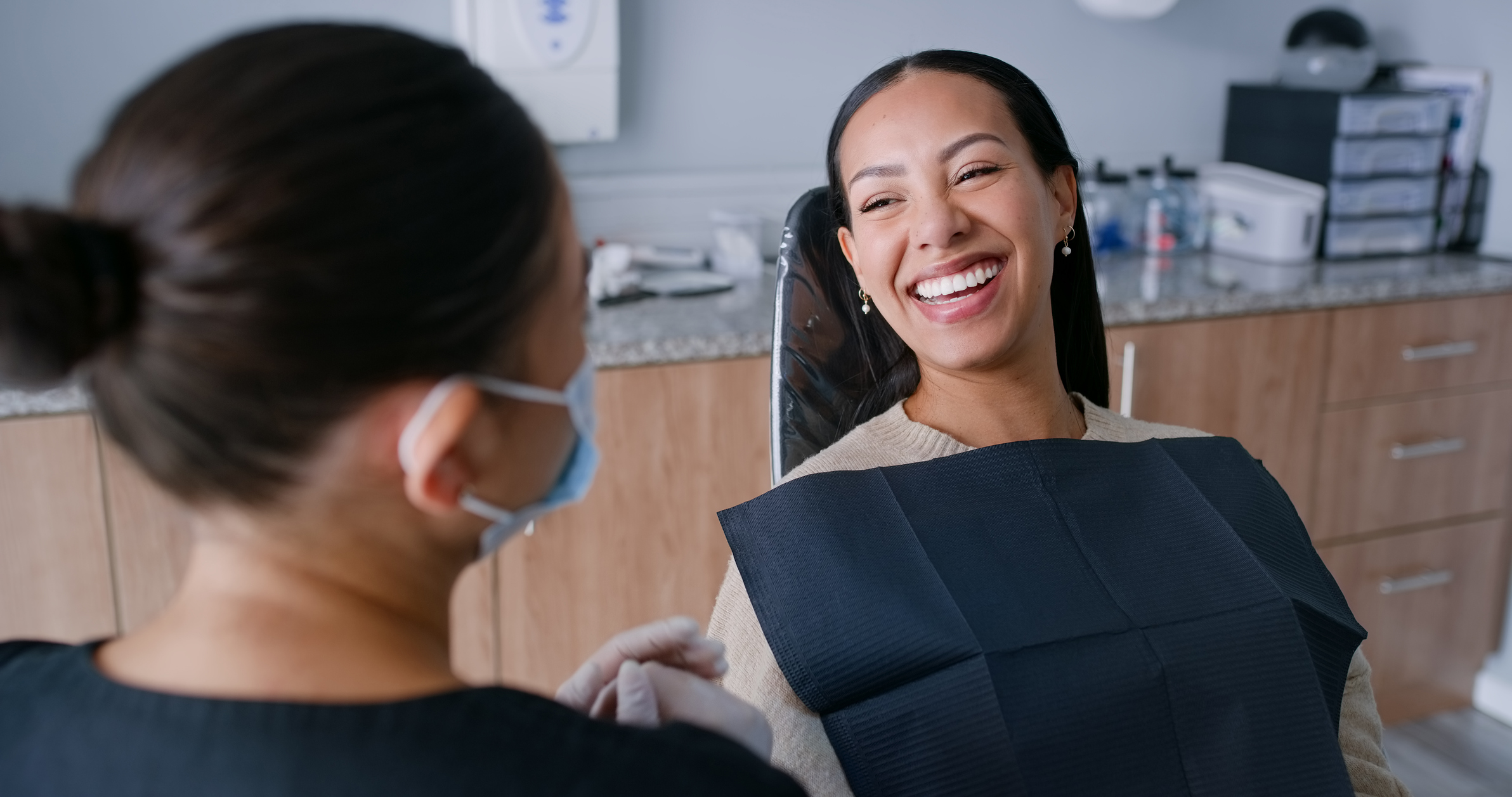
Making Your Oral Health a Priority for the New Year

As the New Year approaches, it is the time of year when resolutions to improve ourselves are made. Resolutions such as joining a gym to get into better shape, changing a diet, and quitting smoking are typical goals we hope to achieve. Another important resolution for the New Year is to focus on our oral health.

Some ways to help achieve this goal include:

  • Practice good oral hygiene – brushing and flossing daily is an easy way to improve oral health. To successfully remove plaque and the bacteria that cause plaque, it is important to brush at least twice a day and floss at least once a day to remove bacterial plaque and food that accumulated throughout the day. This can help prevent gum disease, tooth decay, and bad breath.
  • Watch what you eat and drink. Making healthier food and beverage choices, especially when it comes to snacks, is an important component in achieving your oral health goals. Frequently consuming foods and beverages containing acids and carbohydrates contributes to tooth decay.
  • Quit smoking – smoking greatly affects your oral health as it can lead to tooth staining, gum disease, tooth decay, tooth loss, and in more severe cases oral cancer. The New Year is a great time to give up smoking. Consider free online tools, smoking cessation groups, progress-tracking apps, and support from friends and family to assist you with tobacco cessation.
  • Receive regular check-ups – making routine visits to the dentist can prevent oral diseases or reveal existing oral diseases in their early stages. Visits to the dentist should take place every six months to allow your dentist to monitor the condition of your oral health and develop a treatment plan that is appropriate.

If you’re experiencing dental health problems, it is important to visit a dentist to ensure you’re receiving the most effective treatment possible. To schedule an appointment at Flushing Hospital Medical Center’s Department of Dental Medicine, please call (718) 670-5521.


All content of this newsletter is intended for general information purposes only and is not intended or implied to be a substitute for professional medical advice, diagnosis or treatment. Please consult a medical professional before adopting any of the suggestions on this page. You must never disregard professional medical advice or delay seeking medical treatment based upon any content of this newsletter. PROMPTLY CONSULT YOUR PHYSICIAN OR CALL 911 IF YOU BELIEVE YOU HAVE A MEDICAL EMERGENCY.

Smoking and Oral Health

Most people know that smoking is bad for their health. It causes many different health problems and fatal diseases. However, many people don’t realize the damage that smoking does to their mouths, gums, and teeth.

Smoking can lead to tooth staining, gum disease, tooth decay, tooth loss, and in more severe cases oral cancer. Smoking can also lead to other dental problems, including:

  • Bad breath
  • Cavities
  • Inflammation of the salivary gland openings on the roof of the mouth
  • Increased buildup of plaque and tartar on the teeth
  • Increased loss of bone within the jaw
  • Increased risk of white patches inside the mouth called leukoplakia
  • Delayed healing process following tooth extraction, periodontal treatment, or oral surgery
  • Lower success rate of dental implant procedures

If you smoke cigarettes or use other types of tobacco products, quitting is an important health decision to make for many reasons. Here are some tips to help you quit smoking:

  • Set a quit date
  • Seek support
  • Find healthy alternatives
  • Remove triggers
  • Consider nicotine replacement theory (NRT)
  • Stay positive
  • Reward yourself

Enrolling in a smoking cessation program can greatly improve your chances of quitting successfully.

For more information about smoking cessation programs or to register for our program, call: (718) 206-8494.

If you’re experiencing dental health problems, it is important to visit a dentist to ensure you’re receiving the most effective treatment possible. To schedule an appointment at Flushing Hospital Medical Center’s Department of Dental Medicine, please call (718) 670-5521.

All content of this newsletter is intended for general information purposes only and is not intended or implied to be a substitute for professional medical advice, diagnosis or treatment. Please consult a medical professional before adopting any of the suggestions on this page. You must never disregard professional medical advice or delay seeking medical treatment based upon any content of this newsletter. PROMPTLY CONSULT YOUR PHYSICIAN OR CALL 911 IF YOU BELIEVE YOU HAVE A MEDICAL EMERGENCY.
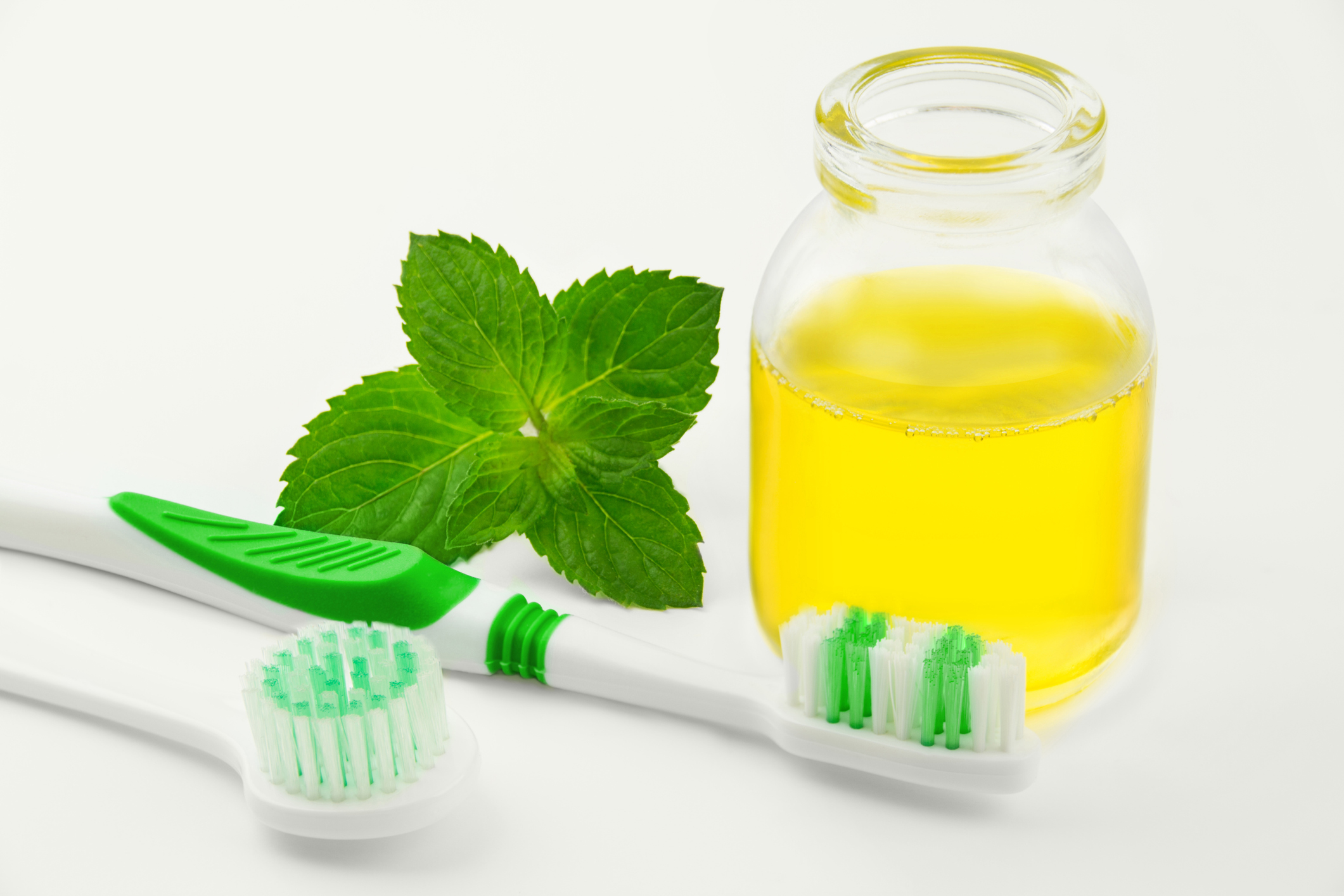
What Is Oil Pulling, And Can It Benefit Your Dental Health?

Oil pulling is an ancient home remedy that’s purported to significantly improve dental health in a variety of ways. It involves swishing about a tablespoon of oil around your mouth for 15 to 20 minutes, similarly to the way a person would use mouthwash. Most types of oil can be used for oil pulling, but extra virgin coconut oil is used most often.

Some of the commonly-claimed benefits of oil pulling have at least some scientific evidence to support them. These include:

Reducing bacteria in the mouth: Two studies (one for adults and one for children) examining the effects of oil pulling on bacteria in the mouth have found that this practice can be effective for significantly reducing Streptococcus mutans, one of the key bacteria that causes plaque buildup and tooth decay.

Improving bad breath: Some research has also demonstrated that oil pulling can be an effective treatment for bad breath. This benefit is believed to derive from the effectiveness of oil pulling when it comes to eliminating bacteria in the mouth; bad breath is often caused by chemicals and gases produced by these bacteria.

Treating gingivitis: The effectiveness of oil pulling for eliminating oral bacteria can also help with reducing inflammation of the gums (also known as gingivitis). Gingivitis often occurs as a result of the body’s immune system attacking these bacteria.

On the other hand, some of the other supposed benefits of oil pulling do not have any supporting scientific evidence. One common claim, for example, is that oil pulling can draw toxins from the blood; another is that it can whiten your teeth. At this time, no research so far has confirmed either of these claims.

If you’re experiencing dental health problems such as bad breath or gingivitis, it’s important for you to visit a dentist to ensure that you’re receiving the most effective treatment possible. To schedule an appointment at Flushing Hospital Medical Center’s Department of Dental Medicine, please call (718) 670-5521.


All content of this newsletter is intended for general information purposes only and is not intended or implied to be a substitute for professional medical advice, diagnosis or treatment. Please consult a medical professional before adopting any of the suggestions on this page. You must never disregard professional medical advice or delay seeking medical treatment based upon any content of this newsletter. PROMPTLY CONSULT YOUR PHYSICIAN OR CALL 911 IF YOU BELIEVE YOU HAVE A MEDICAL EMERGENCY.
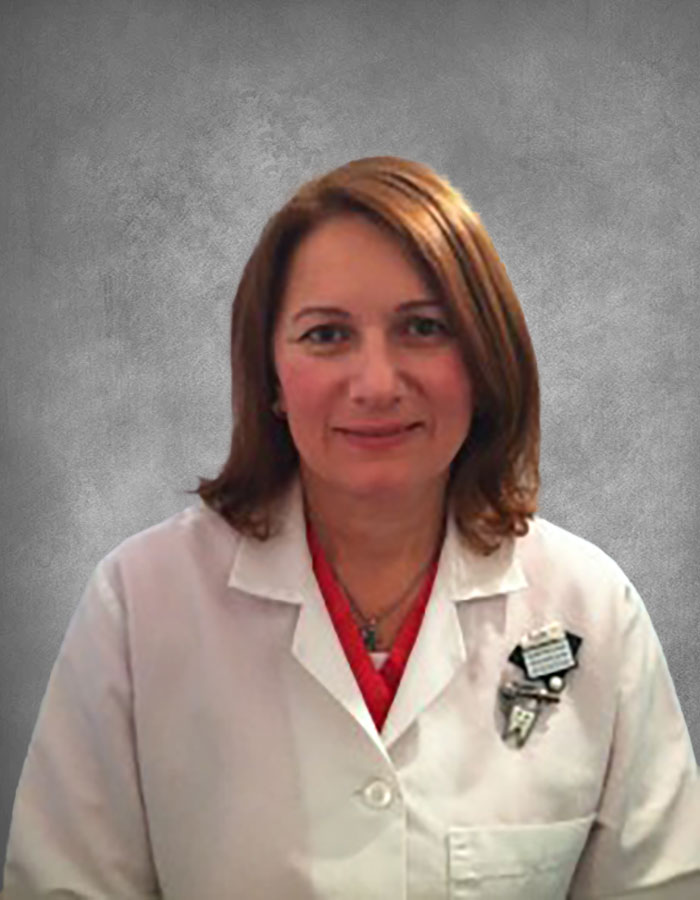
Meet Our Doctors: Dr. Eftihia Thomopoulos

Flushing Hospital Medical Center is pleased to introduce you to Dr. Eftihia Thomopoulos, Clinical Director of the Dental Department.

Dr. Thomopoulos has been practicing general dentistry in Queens for over 30 years and has been part of the Flushing Hospital team for over seven years.

Dr. Thomopoulos’ interest in dentistry began early in her childhood, “My older brother was studying to become a dental technician and dating someone in dental school, and they would leave training teeth everywhere. I became intrigued by them, and that sparked my curiosity about medicine and teeth,” she shared.  “I later went on to study dentistry at NYU, the program allowed me to be hands-on in creating a healthy smile.”

Dr. Thomopoulos is a graduate of the prestigious NYU College of Dentistry; one of the most competitive dental programs in the United States. After earning a Doctor of Dental Surgery degree, she furthered her education and training by completing her residency at Flushing Hospital. Years of specialized training and clinical experience have made Dr. Thomopoulos a renowned expert in her field. Her pursuit of excellence motivates her to continuously expand her knowledge and stay abreast of all the latest advancements in dentistry.

Caring for a diverse population is one of the highlights of Dr. Thomopoulos’ career. She enjoys meeting patients from different countries. “It is important to me that I provide the highest quality care to all patients. I want to make sure that people like me are treated well and receive the healthcare they deserve,” she said. “Dr. Thomopoulos emigrated from Greece and moved to the United States when she was five years old. Her family planted roots in a Queens community where cultural differences were embraced and celebrated. “Moving to a new country can be difficult, but when you are treated well and shown respect it makes things a little easier,” she explained.

Dr. Thomopoulos also enjoys mentoring residents at Flushing Hospital and working with her colleagues to operate a stellar dental program.  “We aim to provide our patients with world-class dental care. We are achieving this by offering comprehensive services and carefully selecting the best practitioners and clinical support staff to serve on our team. We also furnished our newly renovated dental center with the latest, top-of-the-line equipment,” she said.

Flushing Hospital’s Dental Department provides a wide array of dental services, provided by highly trained specialists. To schedule an appointment, please call (718) 670-5521.

All content of this newsletter is intended for general information purposes only and is not intended or implied to be a substitute for professional medical advice, diagnosis or treatment. Please consult a medical professional before adopting any of the suggestions on this page. You must never disregard professional medical advice or delay seeking medical treatment based upon any content of this newsletter. PROMPTLY CONSULT YOUR PHYSICIAN OR CALL 911 IF YOU BELIEVE YOU HAVE A MEDICAL EMERGENCY.

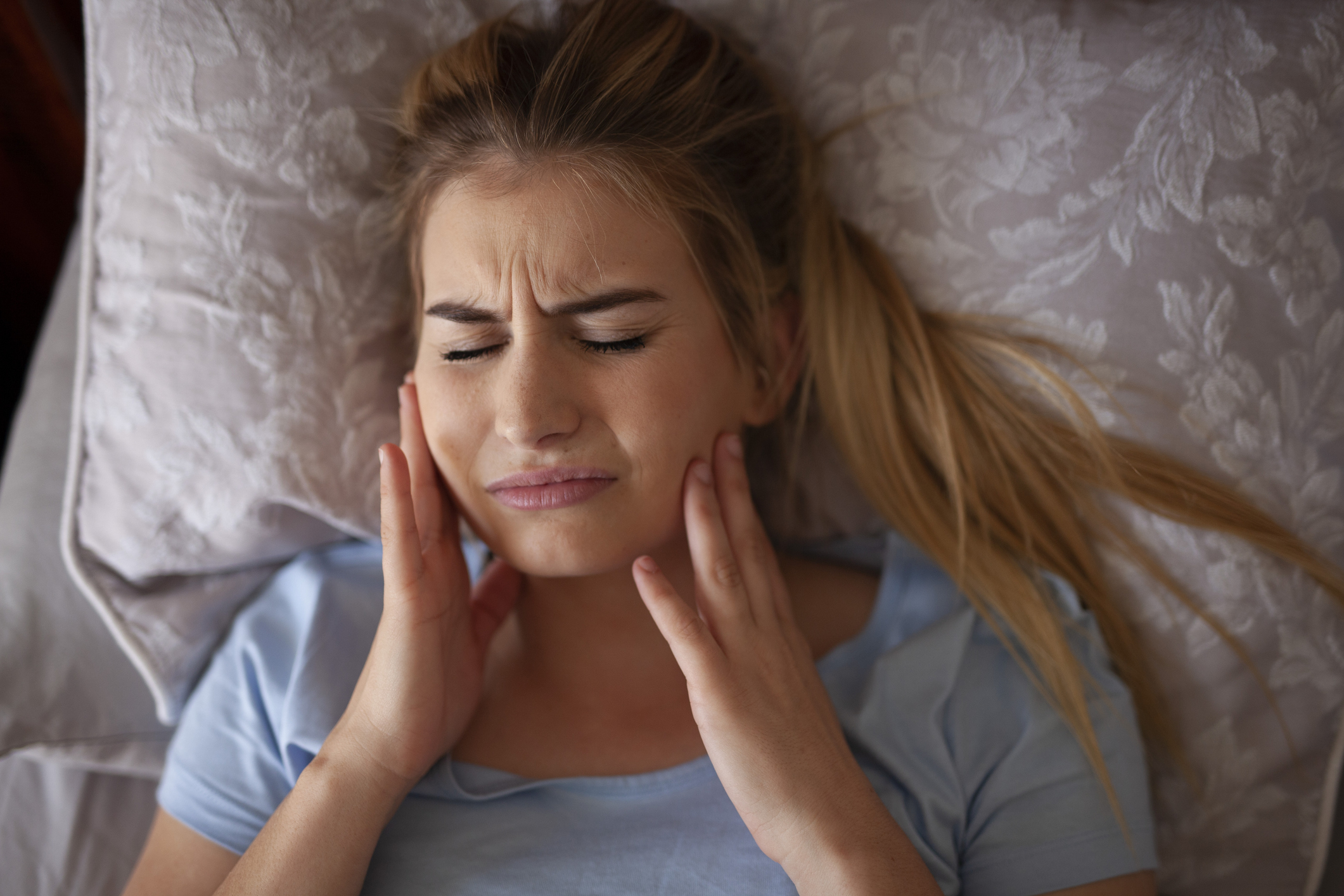
What is Bruxism?

Bruxism is a condition associated with teeth grinding, causing pain in your teeth, jaw muscles, and the joints that connect your jawbone to your skull. Over time, it can also cause teeth to become fractured, worn down, loosened, or lost. This condition is common, affecting approximately 10% of adults and 15% of children.

Aside from pain and damage to your teeth and jaw, other symptoms of bruxism include:

  • Sleep disruption
  • Headaches or facial pain
  • Ear aches
  • Pain while eating
  • Jaw locking

Bruxism can occur when you’re awake or asleep. Grinding your teeth or clenching your jaw while awake is often tied to strong emotions, such as anxiety, anger, or stress. It can also occur if you’re concentrating on something. If you experience bruxism while sleeping, you may not be aware of it and may be grinding your teeth more strongly than if you were awake, making it a potentially more damaging and difficult to detect form of this condition.

In addition to your emotional state, bruxism is also linked to lifestyle habits such as the consumption of alcohol, cigarettes, recreational drugs, and excessive caffeine (equivalent to six or more cups of coffee per day). Taking selective serotonin reuptake inhibitors (SSRIs) can also increase your likelihood of experiencing bruxism.

Treatment for bruxism may include the usage of a night guard while sleeping. This orthotic device protects your teeth and the muscles and joints of your jaw from grinding.  Your dentist may also recommend lifestyle changes and therapies that target potential root causes of bruxism, as well as a review of any medications you’re taking to determine if they are contributing to the problem.

If you are experiencing bruxism or symptoms that may indicate teeth grinding while sleeping, you can receive specialized dental care at Flushing Hospital Medical Center’s Dental Department. To schedule an appointment, please call (718) 670-5521.

All content of this newsletter is intended for general information purposes only and is not intended or implied to be a substitute for professional medical advice, diagnosis or treatment. Please consult a medical professional before adopting any of the suggestions on this page. You must never disregard professional medical advice or delay seeking medical treatment based upon any content of this newsletter. PROMPTLY CONSULT YOUR PHYSICIAN OR CALL 911 IF YOU BELIEVE YOU HAVE A MEDICAL EMERGENCY.
What is Periodontitis?

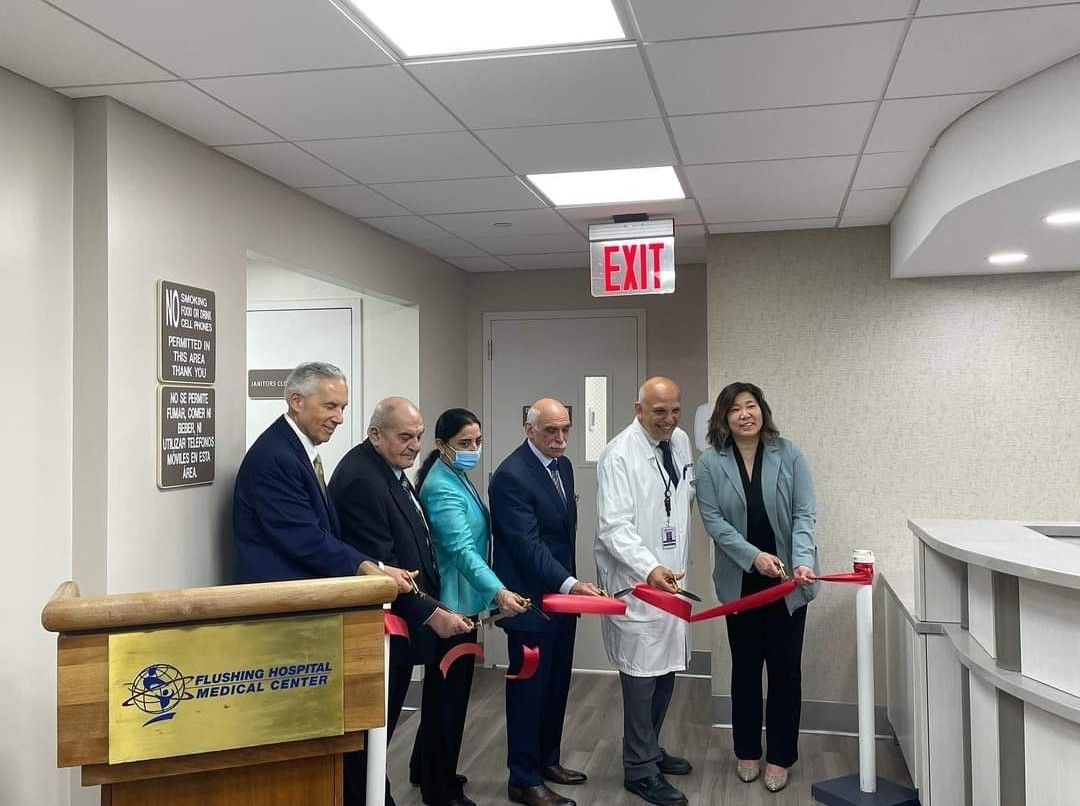
Periodontitis, also known as gum disease, is an inflammatory condition that affects the supporting structures around the teeth. It affects nearly half of all American adults over the age of 30 and is the leading cause of tooth loss.

There are a few telltale signs of gum disease. Some of the most common ones include:

  • Swelling and discoloration in the gums
  • Gums that are tender and bleed easily
  • Bad breath that will not go away
  • Loose teeth
  • Black, triangle-like spaces that form between the teeth
  • Receding gums
  • Pus between the teeth and gums

If it is left untreated for too long, gum disease damages the supporting bones of the teeth, resulting in eventual tooth loss.

Gum disease typically develops because of a buildup of plaque (a sticky film made up of bacteria). Plaque accumulates on the teeth and gums over time, eventually hardening into tartar and causing gum irritation. This irritation then leads to gingivitis, a mild form of gum disease, and eventually evolves into periodontitis.

A few different risk factors may also contribute to your likelihood of developing periodontitis. Some of the most common factors include poor oral hygiene, tobacco usage, a weakened immune system, and diabetes. Others include:

  • Genetics
  • Obesity
  • Certain chronic conditions, such as leukemia and HIV/AIDS
  • Medications that cause dry mouth or gum changes

The best way to prevent gum disease is to practice a regular routine of good oral hygiene (particularly brushing your teeth and flossing twice per day), as well as avoiding habits that may increase your risk. You should consult your doctor and dentist to determine which medications may affect your risk of gum disease and how best to manage this risk.

If you are experiencing symptoms of gum disease, you can receive expert periodontal treatment at Flushing Hospital Medical Center’s Dental Department. To schedule an appointment, please call (718) 670-5521.

All content of this newsletter is intended for general information purposes only and is not intended or implied to be a substitute for professional medical advice, diagnosis or treatment. Please consult a medical professional before adopting any of the suggestions on this page. You must never disregard professional medical advice or delay seeking medical treatment based upon any content of this newsletter. PROMPTLY CONSULT YOUR PHYSICIAN OR CALL 911 IF YOU BELIEVE YOU HAVE A MEDICAL EMERGENCY.
Flushing Hospital Hosts Ribbon-Cutting Ceremony for New Dental Center

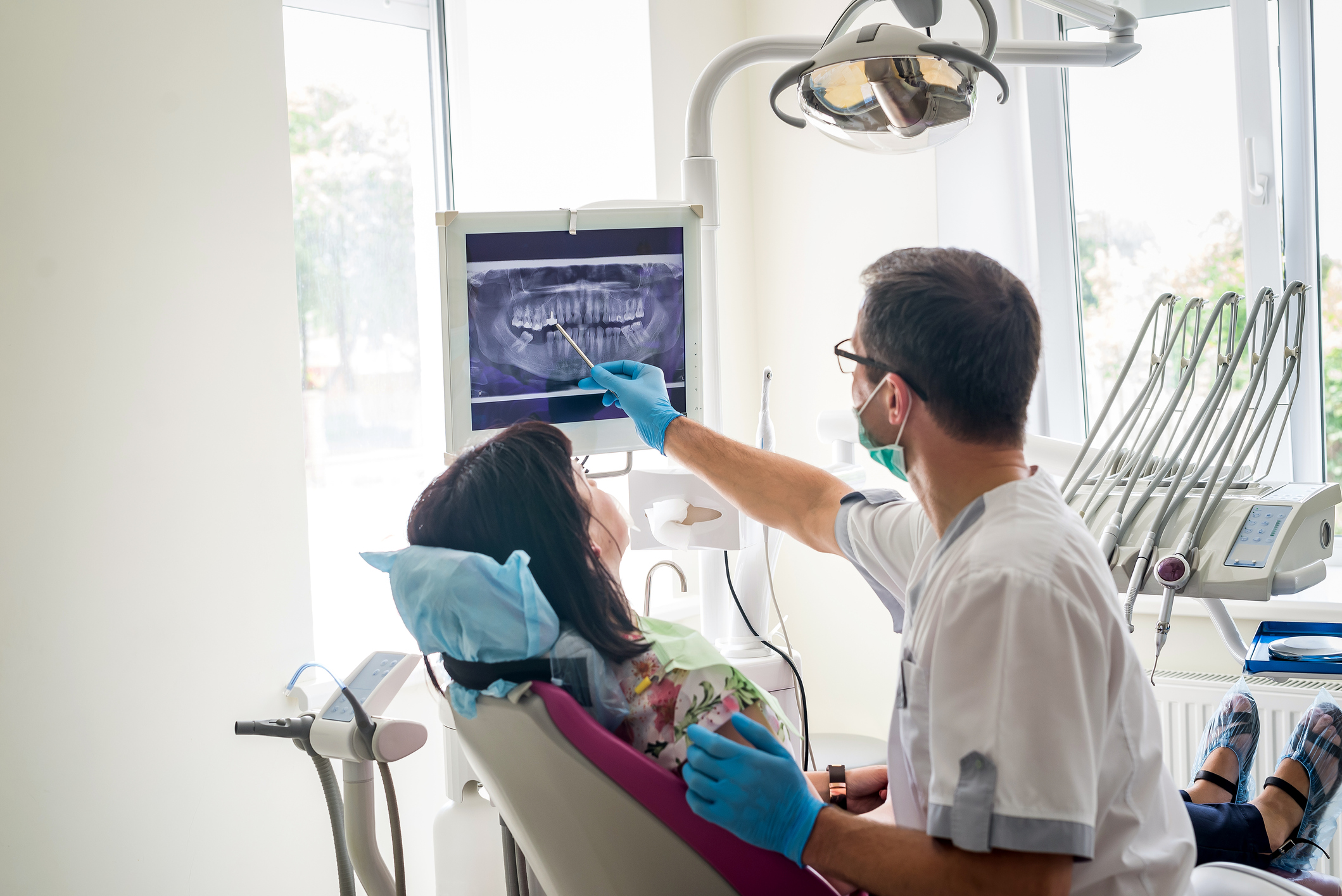
Flushing Hospital Medical Center hosted a ribbon-cutting ceremony to celebrate the opening of its new, state-of-the-art dental center.

In addition to various members of the hospital’s faculty, administration, and staff, Congresswoman Grace Meng, a long-time supporter of Flushing Hospital and advocate for improved health care resources in the community, attended the ceremony.

Flushing Hospital’s Dental Department currently treats an average of 11,000 patients each year. With the improved capabilities of the new dental center, this number is expected to increase to over 14,000 patients, an increase of more than 20%.

The 3,550-square-foot facility features eight examination rooms, one imaging room, one laboratory, and one sterilization room. The center is expected to significantly improve dental patient capacity and treatment efficiency at the hospital and expand community access to a variety of specialized dental treatments.

The dental center also features a wide range of new equipment, including a cone beam computed tomography (CBCT) machine with 3D imaging, fiber-optic handpieces in all operatories, and all-new dental delivery units with monitors for patients to see their radiographs and better understand their treatment plan. Other amenities include curing lights, specialized sterilization cassettes, a larger registration area, and a larger, more convenient waiting area.

“Our new facility allows us to provide our full range of dental treatment options to a higher volume of patients,” said Dr. Bijan Anvar, Chairman of Flushing Hospital’s Department of Dental Medicine. “With this expanded capacity, we can make a greater impact on dental health in our community, particularly for patients experiencing common conditions such as tooth decay and gum disease.”

Across the United States, approximately 90% of all adults have had at least one cavity and nearly half of all adults show signs of gum disease. Over half of all children have also had cavities in their baby or adult teeth. These problems are more common among underserved communities. With the expanded care resources offered by Flushing Hospital’s new dental center, patients have closer local access to specialized treatment for these conditions and others.

“We’re excited to provide the Flushing community with a new, state-of-the-art destination for accessible, high-quality dental care,” said Bruce J. Flanz, President and CEO of Flushing Hospital. “The facility and the cutting-edge equipment it features provide our dental team with the tools they need to offer an even higher level of dental care to our patients.”

Flushing Hospital’s Dental Department provides treatments in several specialty areas, including pedodontics, oral surgery, prosthodontics, implantology, orthodontics, endodontics, and periodontics. These treatments are provided by a team of 41 attending physicians, eight residents, and 10 support staff members.

Appointments at Flushing Hospital’s Dental Department are available from 9 AM to 5 PM on Monday, Tuesday, Thursday, and Friday, and from 9 AM to 8:30 PM on Wednesday.

All content of this newsletter is intended for general information purposes only and is not intended or implied to be a substitute for professional medical advice, diagnosis or treatment. Please consult a medical professional before adopting any of the suggestions on this page. You must never disregard professional medical advice or delay seeking medical treatment based upon any content of this newsletter. PROMPTLY CONSULT YOUR PHYSICIAN OR CALL 911 IF YOU BELIEVE YOU HAVE A MEDICAL EMERGENCY.

How MS Can Affect Oral Health

Multiple sclerosis (MS) is a chronic disease that affects the central nervous system (brain, spinal cord, and optic nerves).

The disease causes the immune system to attack the central nervous system, disrupting signals to and from the brain.

MS affects each person differently; however, common symptoms of the disease include motor impairment and heightened levels of inflammation in the body; both of which can contribute to the deterioration of a person’s dental health.

Motor impairment caused by MS often involves decreased dexterity, muscle weakness, or loss of coordination. These deficits can affect a person’s ability to brush and floss their teeth properly.  People living with MS that have lost control of their muscles may find it difficult to do either action well.

Gingivitis and other gum diseases are more prevalent in individuals with MS. This is due to the increased levels of inflammation in the body, resulting from a deteriorating immune system.

Medications used to treat MS can also contribute to poor dental health. Side effects of these prescriptions often include dry mouth which makes a person more susceptible to dental problems.

Living with MS and maintaining good oral health can be challenging. However, complications can be avoided by making adjustments to a dental regimen, such as sitting down while brushing and visiting a dentist routinely.

To schedule an appointment with a dentist at Flushing Hospital Medical Center, please call  (718) 670-5521.

All content of this newsletter is intended for general information purposes only and is not intended or implied to be a substitute for professional medical advice, diagnosis or treatment. Please consult a medical professional before adopting any of the suggestions on this page. You must never disregard professional medical advice or delay seeking medical treatment based upon any content of this newsletter. PROMPTLY CONSULT YOUR PHYSICIAN OR CALL 911 IF YOU BELIEVE YOU HAVE A MEDICAL EMERGENCY.

Repairing A Chipped Or Broken Tooth

A chipped or broken tooth can occur for several reasons including a blow to the face, falling, or biting down on something hard.

The damage to your tooth can be slight or severe, and you should see a dentist for an examination and treatment.  You should never attempt to fix a chipped or broken tooth on your own, doing so may cause further damage or infection.

Before heading to your dental appointment there are a few things you can do to care for your tooth and alleviate symptoms. This includes:

  • Not chewing with the affected tooth
  • Flossing or rinsing to get rid of particles that may aggravate the injury
  • Temporarily covering the tooth with sugarless chewing gum or dental wax. Temporary broken tooth repair kits are also available in most drug stores
  • Taking over-the-counter pain relievers
  • Only eating soft foods

There are a variety of ways to treat broken or chipped teeth.  They include:

  • Bonding
  • Tooth reattachment
  • Porcelain veneers
  • Dental onlays
  • Dental crowns and caps
  • Root canal

Keep in mind, the sooner you receive treatment the better. Early treatment can reduce the risk of several dental problems.

To schedule an appointment with a dentist at  Flushing Hospital Medical Center, please call  (718) 670-5521. 

All content of this newsletter is intended for general information purposes only and is not intended or implied to be a substitute for professional medical advice, diagnosis or treatment. Please consult a medical professional before adopting any of the suggestions on this page. You must never disregard professional medical advice or delay seeking medical treatment based upon any content of this newsletter. PROMPTLY CONSULT YOUR PHYSICIAN OR CALL 911 IF YOU BELIEVE YOU HAVE A MEDICAL EMERGENCY.

February is National Children’s Dental Health Month

February is recognized as National Children’s Dental Health Month. The purpose of this recognition is to promote proper dental education to children and their caregivers.

It is important to develop healthy dental habits early in a child’s life as this can help to prevent cavities and tooth decay.

Caring for children’s dental health should begin when they are infants. A baby’s teeth and gums can be cleaned by using a clean, soft cloth. For children aged two to six, it is recommended that an adult puts the toothpaste on the brush. Use only a pea-sized amount of fluoride toothpaste. Try brushing your child’s teeth first, then let him/her finish.  Until they are seven or eight years old, you will need to help your child brush. Teeth should be brushed twice a day for two minutes each time.

It is recommended that children see their dentist every six months for regular check-ups and cavity prevention. To make an appointment at the dental department at Flushing  Hospital Medical Center, please call  (718) 670-5521.

All content of this newsletter is intended for general information purposes only and is not intended or implied to be a substitute for professional medical advice, diagnosis or treatment. Please consult a medical professional before adopting any of the suggestions on this page. You must never disregard professional medical advice or delay seeking medical treatment based upon any content of this newsletter. PROMPTLY CONSULT YOUR PHYSICIAN OR CALL 911 IF YOU BELIEVE YOU HAVE A MEDICAL EMERGENCY.