How Microplastics and Nanoplastics Affect Our Long-Term Health

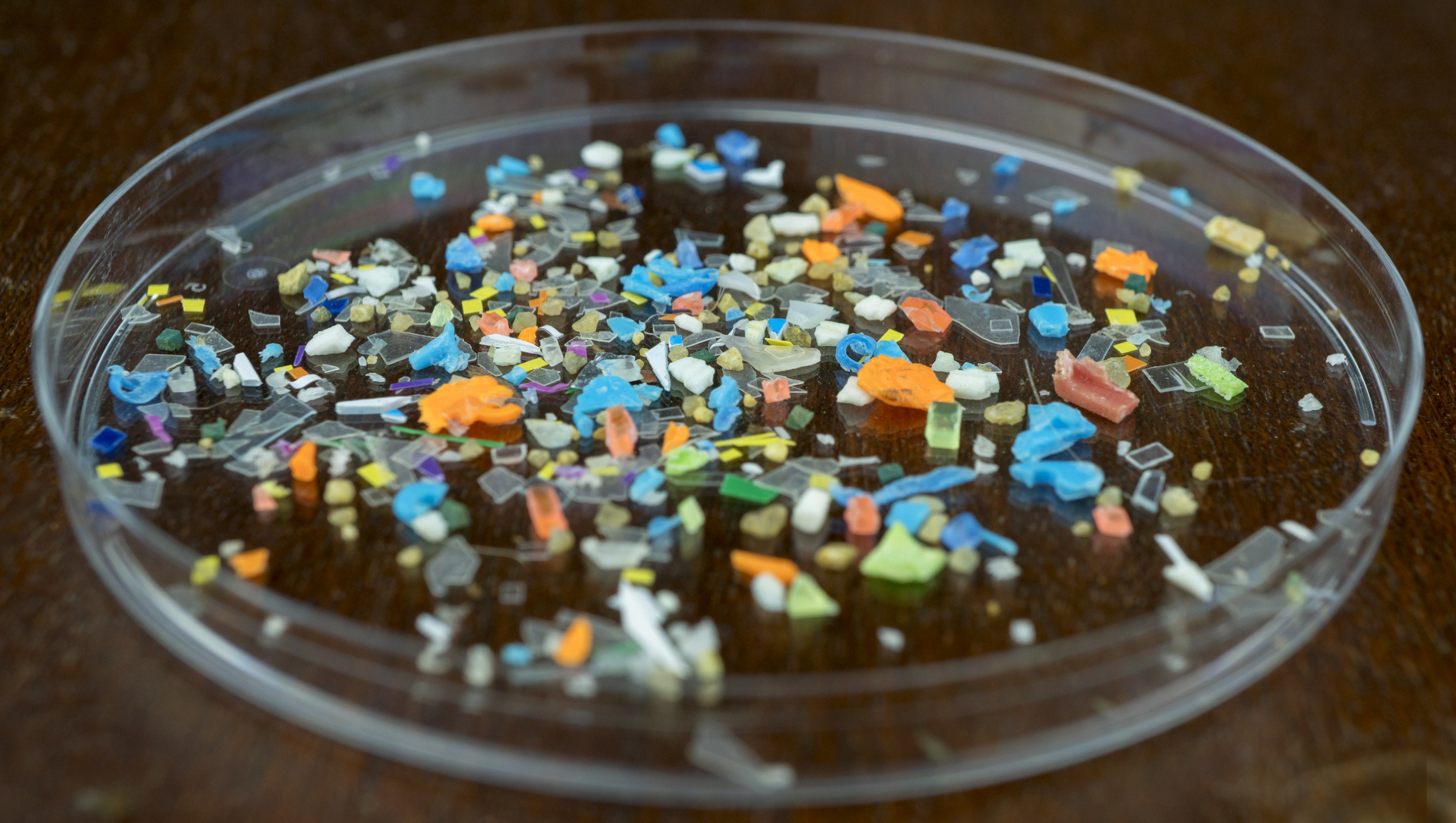
Microplastics and nanoplastics (MNPs) are plastic particles that fail to break down and have become a major concern for environmental and human health.

These plastic particles are extremely small, as microplastics range from 1 micrometer to 5 millimeters. Nanoplastics are even smaller, as they are less than one micrometer.

There are two types of microplastics, primary microplastics and secondary microplastics. These microplastics typically come from two main sources. Primary microplastics are manufactured at a small size intentionally. Secondary microplastics are formed from the breakdown of larger plastic items.

There are public concerns about the health effects of microplastics and nanoplastics, as they have been found in our bodies because of what we eat, drink, or breathe.

Nanoplastics can behave differently from microplastics or materials that are larger. Their small size means that they may move more easily through biological membranes or interact differently with cells in the body.

Larger microplastics are filtered by the body’s natural defenses, such as the mucus and cilia in the airways, but can still get inhaled into the lungs and even infiltrate the bloodstream or the barriers to the digestive system.

Scientific research has pointed to the likelihood of nanoplastics being far more toxicologically active than microplastics, due to their being small enough to pass through some biological barriers and easily absorbed into the body, which can potentially disrupt and damage internal organs and processes.

Evidence suggests that microplastics may be correlated with health conditions, including:

  • Chronic degenerative diseases
  • Cardiovascular disease
  • Inflammatory diseases, such as inflammatory bowel disease (IBS)

Additionally, existing research has found that microplastics can accumulate in the human brain. They can also be found in plaque formed in our arteries.

Currently, the U.S. doesn’t have regulations around microplastics. However, there are ways to reduce your exposure to microplastics, including:

  • Cutting back on bottled water
  • Getting an NSF-certified water filter
  • Avoiding storing food in plastic containers
  • Avoiding the reuse of single-use plastics for food and drinks
  • Avoiding heating plastic
  • Washing plastic by hand
  • Keeping your air clean

According to health experts, there are ways you can lower your risk of the health effects linked to microplastics, including:

  • Eating a balanced diet
  • Getting enough sleep and exercise
  • Lowering stress
  • Seeing preventative care

Unfortunately, plastic is everywhere, and it is hard to avoid. However, it is important to remember that all the plastic we use will end up in a landfill and eventually in our environment and in our bodies. Limiting plastic usage and production will hopefully have a positive impact on future generations.

All content of this newsletter is intended for general information purposes only and is not intended or implied to be a substitute for professional medical advice, diagnosis or treatment. Please consult a medical professional before adopting any of the suggestions on this page. You must never disregard professional medical advice or delay seeking medical treatment based upon any content of this newsletter. PROMPTLY CONSULT YOUR PHYSICIAN OR CALL 911 IF YOU BELIEVE YOU HAVE A MEDICAL EMERGENCY.

Misaligned Bite

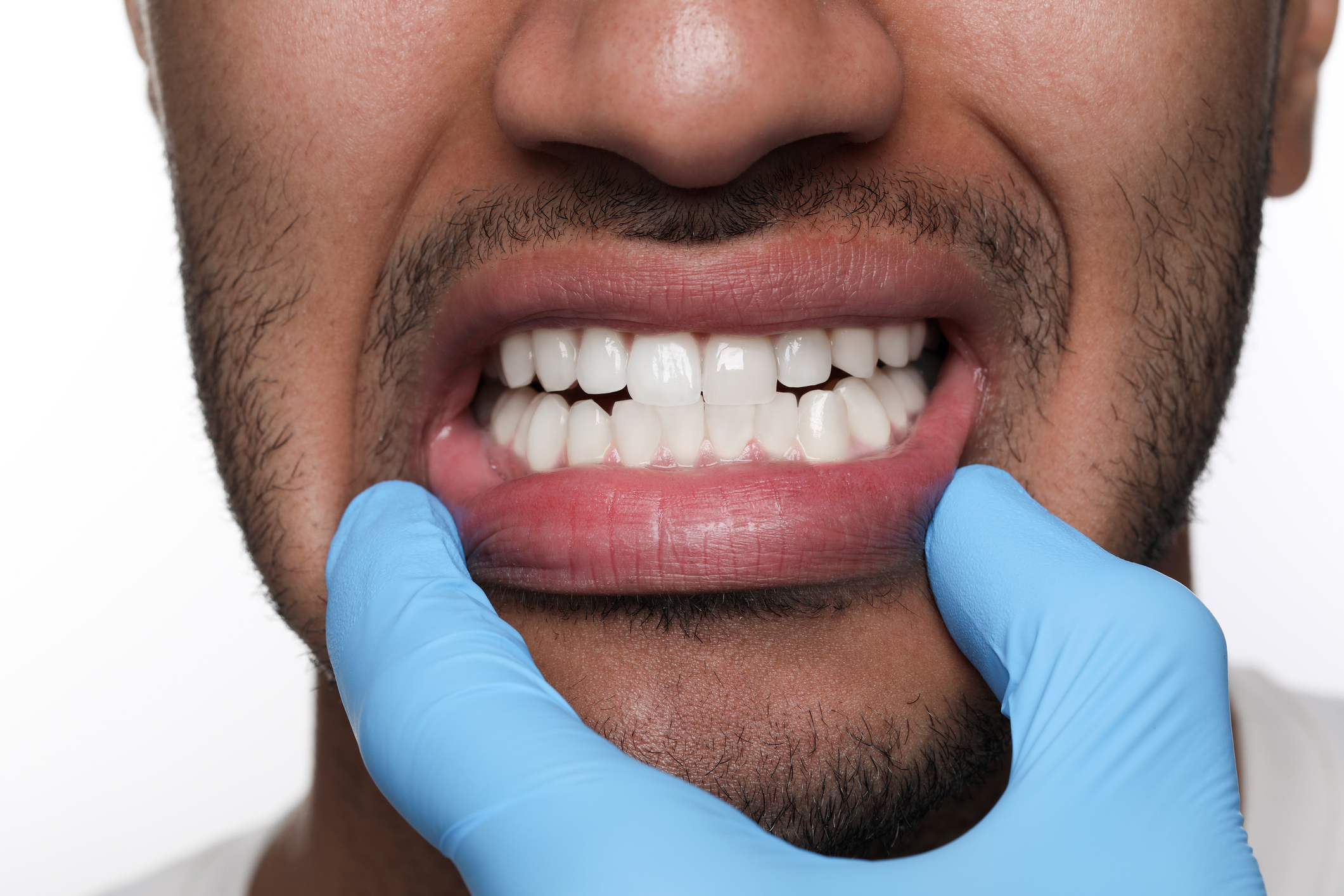
The alignment of your teeth and how your upper and lower teeth fit together is called your bite. A malocclusion or misaligned bite occurs when your upper and lower teeth don’t fit together properly when you close your mouth.

Common causes of malocclusions include genetic or hereditary factors such as jaw size; dental issues such as impacted teeth, early or late tooth loss, or jaw or facial injury; developmental conditions such as cleft palate; childhood habits such as thumb sucking or long-term pacifier use; and poor oral health.

Healthcare providers may use these terms when describing the different types of malocclusions:

  • Open bite, where the front or side teeth do not touch when the mouth is closed
  • Overbite, where the upper front teeth excessively overlap the lower front teeth vertically.
  • Crossbite, where one or more upper teeth bite inside the lower teeth.
  • Underbite, where the lower front teeth extend past the upper front teeth.
  • Spacing, where there are excessive gaps between teeth.
  • Crowding, where there isn’t enough space for teeth to erupt properly

When left untreated, malocclusions can lead to a host of health problems, such as:

  • Gum irritation
  • Difficulty chewing
  • Lisping
  • Increased risk of cavities and gum disease
  • Jaw pain
  • Temporomandibular joint (TMJ) problems
  • Mouth breathing
  • Sleep apnea
  • Tooth loss

Malocclusions should be treated as soon as possible to avoid these problems. Your dentist can diagnose misaligned bites by conducting an examination and using X-rays, dental impressions, and dental records.   Your dentist may also refer you to an orthodontist for further evaluation and treatment.

Treatment may involve braces, clear aligners, jaw surgery, tooth extractions, prosthodontic treatments such as veneers, or orthodontic headgear.  Treatment is based on severity, the patient’s age, the type of malocclusion, and functional and cosmetic needs.

To schedule an appointment with a dentist at Flushing Hospital Medical Center, please call (718) 670-5521.


All content of this newsletter is intended for general information purposes only and is not intended or implied to be a substitute for professional medical advice, diagnosis or treatment. Please consult a medical professional before adopting any of the suggestions on this page. You must never disregard professional medical advice or delay seeking medical treatment based upon any content of this newsletter. PROMPTLY CONSULT YOUR PHYSICIAN OR CALL 911 IF YOU BELIEVE YOU HAVE A MEDICAL EMERGENCY.
Exercising Outdoors

Spring has arrived, and the weather is starting to warm up. This means we can spend more time exercising outdoors rather than at the gym or at home.  

Outdoor exercise is a great way to work out. It offers many benefits to our physical and mental health, such as: 

  • Reducing stress and anxiety 
  • Improving sleep 
  • Boosting vitamin D levels 
  • Boosting self-esteem 
  • Improving memory 
  • Lowering chronic disease risk 

Here are tips that can keep you safe while exercising outdoors: 

  • Drink plenty of water and avoid caffeine and alcohol 
  • Wear clothes that let the air circulate and moisture evaporate 
  • Stay sun safe by wearing sunscreen, sunglasses, and a hat 
  • Know the signs of heat-related illnesses 
  • Wear proper footwear for the activity you are engaging in 

If you experience medical problems while exercising, you can schedule an appointment with a doctor at Flushing Hospital Medical Center’s Ambulatory Care Center. To schedule an appointment, please call (718) 670-5486. 

All content of this newsletter is intended for general information purposes only and is not intended or implied to be a substitute for professional medical advice, diagnosis or treatment. Please consult a medical professional before adopting any of the suggestions on this page. You must never disregard professional medical advice or delay seeking medical treatment based upon any content of this newsletter. PROMPTLY CONSULT YOUR PHYSICIAN OR CALL 911 IF YOU BELIEVE YOU HAVE A MEDICAL EMERGENCY.

Alcohol Awareness Month

April is Alcohol Awareness Month. It is an opportunity to raise awareness and understanding of alcohol use and misuse, and its impact on health. 

Alcohol-related problems continue to take a heavy toll on individuals, families, and communities. Researchers estimate that each year there are more than 178,000 alcohol-related deaths, making alcohol a leading preventable cause of death in the United States. In addition, more than 200 diseases and injury-related conditions are associated with alcohol misuse. 

The National Council on Alcoholism and Drug Dependence (NCADD) started the Alcohol Awareness Month program in 1987. The program targets teenagers and college-aged youth, aiming to educate them on the dangers of heavy drinking and other harmful behaviors that can be common during these years. 

Binge drinking and heavy drinking are two patterns of excessive alcohol use. The Centers for Disease Control and Prevention (CDC) defines binge drinking as consuming four or more drinks for women and five or more for men on a single occasion. Heavy drinking is defined as consuming eight or more drinks per week for women and 15 or more drinks per week for men. 

There are several ways to support Alcohol Awareness Month, including: 

  • Wear a red ribbon 
  • Participate in an alcohol-free 72 hours 
  • Host dry parties 
  • Talk with kids and teens about alcohol 
  • Talk with friends and family about alcohol 
  • Reflect on your relationship with alcohol 

Alcohol Awareness Month’s primary goal is to increase public awareness and education about alcohol and alcohol use disorder (AUD), formerly known as “alcoholism”. 

If you or a loved one needs expert detox services, you can take the first step toward recovery by calling Flushing Hospital Medical Center’s Addiction Services at 718-670-5693.  


All content of this newsletter is intended for general information purposes only and is not intended or implied to be a substitute for professional medical advice, diagnosis or treatment. Please consult a medical professional before adopting any of the suggestions on this page. You must never disregard professional medical advice or delay seeking medical treatment based upon any content of this newsletter. PROMPTLY CONSULT YOUR PHYSICIAN OR CALL 911 IF YOU BELIEVE YOU HAVE A MEDICAL EMERGENCY.

Spring Superfoods: What’s In Season?

Spring is a time for renewal and rejuvenation. So why not rejuvenate your diet by adding spring superfoods to receive their benefits?  

Seasonal superfoods are the key to maximizing nutrients, improving digestion, and staying connected to nature. The reason to eat superfoods during the season they are most prominent is that they are at the peak of their nutritional value. Foods grown and eaten in season are fresher, more flavorful, and full of vitamins. Eating greens that are abundant in the spring can detoxify and cleanse your body. Here are some spring superfoods to add to your diet: 

  • Asparagus is rich in vitamins A, C, E, and K, and is a good source of folate and fiber, which benefit the digestive system by flushing out toxins and help to promote healthy skin 
  • Spinach is high in fiber and iron and contains vitamins A, C, and K, which combine to support eye, blood, immune, metabolic, and gut health 
  • Radishes contain vitamins C and K, as well as calcium and potassium, which help support liver health and digestion 
  • Artichokes contain fiber, potassium, magnesium, and vitamin C, which help support liver function and gut health, as well as support energy production, metabolism, and maintain healthy nerve and heart function 
  • Strawberries are rich in antioxidants and an excellent source of vitamin C, potassium, and folate, which help reduce free radicals linked to cancer and diabetes, and other conditions  
  • Spring onions are a great source of antioxidants, which can help prevent heart disease and cancer, and reduce the risk of developing chronic disease 
  • Sweet peas are a great source of fiber, protein, vitamins C and A, which are good for eye health 
  • Rhubarb is full of vitamins A and K, and B vitamins, which are good for immune, skin, eye, and bone health, and support a healthy metabolism 
  • Fennel contains fiber, potassium, calcium, magnesium, iron, and vitamins C and A, which help with digestive problems, such as cramping, bloating, and gas, support eye, muscle, and bone health, boost brain health, control blood pressure, and strengthen the immune system  
  • Fava beans are a great source of magnesium, protein, and fiber, which are good for heart, bone, immune, and blood health, as well as support digestive and weight management functions, and provide neurological and brain support 
  • Garlic scapes contain glutathione, sulfur compounds, and other flavonoids, which help reduce oxidative stress which is linked to cancer, liver and kidney disease and other illnesses 
  • Fiddleheads contain the B vitamin niacin, which is essential for a healthy metabolism, nervous system, hair, skin, and eyes 
  • Mint contains vitamins A and C, iron, calcium, flavonoids, and rosmarinic acid, which have antioxidant and anti-inflammatory properties that protect cells from oxidative stress and may support overall immune function, as well as being high in menthol, which helps soothe inflammation and ease gastrointestinal symptoms 
  • Salmon is a great source of omega-3s, which can help protect the heart, brain, and more due to its anti-inflammatory benefits 
  • Blackberries are packed with fiber, potassium, and vitamin C, as well as anthocyanins, and support gut, heart, and immune health 
  • Carrots contain beta and alpha carotenes, which may help reduce cancer risk, and are full of fiber, potassium, and vitamin C for an extra boost in gut, heart, and immune health 
  • Mushrooms are a good source of vitamin D, which supports bone health and immune function 
  • Arugula contains vitamins A and K, beta-carotene, and calcium, which help with digestion, eyesight, and bone health  

If you would like to learn more about superfoods and their health benefits, you can schedule an appointment at Flushing Hospital Medical Center’s Ambulatory Care Center. Please call (718) 670-5486. 


All content of this newsletter is intended for general information purposes only and is not intended or implied to be a substitute for professional medical advice, diagnosis or treatment. Please consult a medical professional before adopting any of the suggestions on this page. You must never disregard professional medical advice or delay seeking medical treatment based upon any content of this newsletter. PROMPTLY CONSULT YOUR PHYSICIAN OR CALL 911 IF YOU BELIEVE YOU HAVE A MEDICAL EMERGENCY.